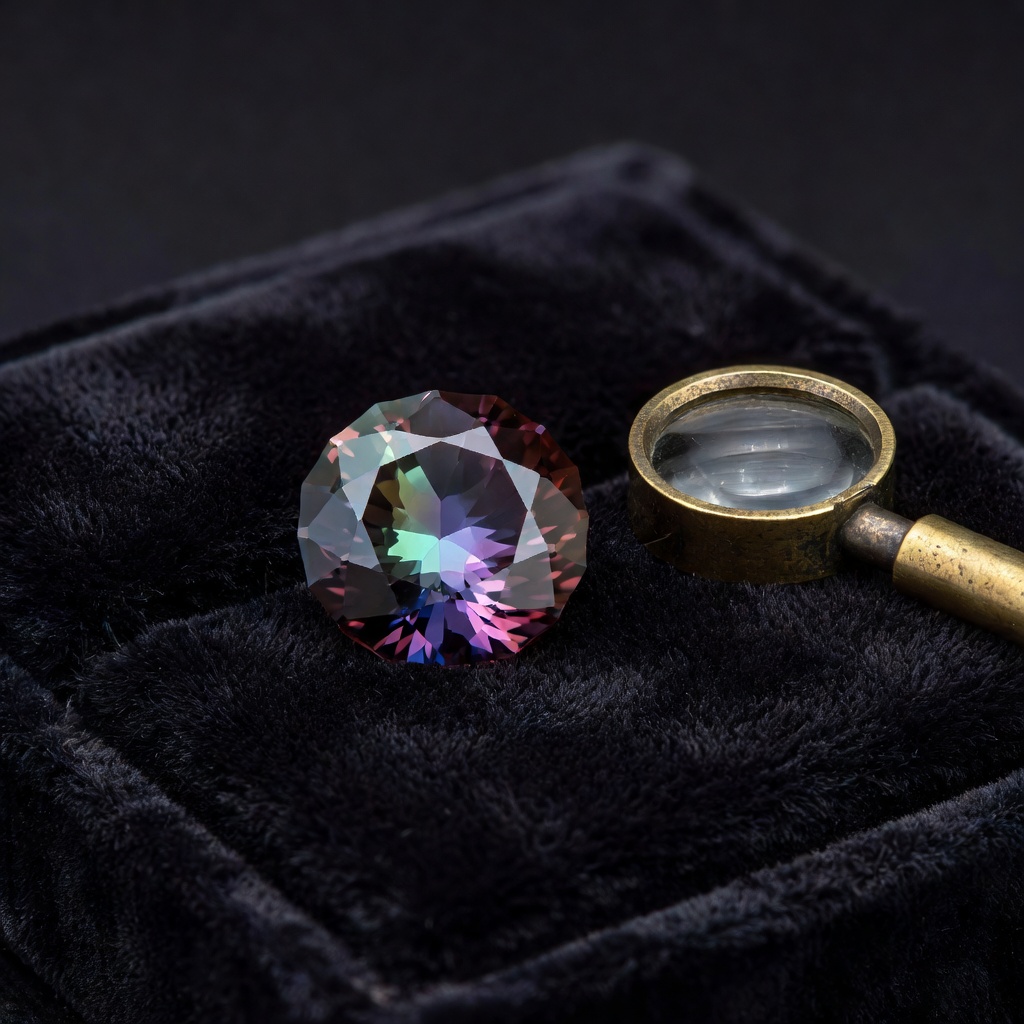
Introduction to Chrysoberyl Pricing
Chrysoberyl stands as one of the most fascinating and economically diverse mineral species in the gemstone market, encompassing three distinct gem varieties that command radically different price points. While many consumers confuse chrysoberyl with beryl (the family that includes emerald and aquamarine), this aluminum beryllium oxide mineral forms its own unique category with exceptional hardness and optical properties. Understanding the chrysoberyl price guide requires recognizing that this single mineral species spans entry-level jewelry stones at $50 per carat to museum-quality specimens exceeding $70,000 per carat.
The dramatic variation in chrysoberyl market value stems primarily from the specific variety and its associated optical phenomena. Yellow and green transparent chrysoberyl serves as an affordable alternative to more expensive yellow sapphires or chrysoberyl's distant cousin, the golden beryl. Conversely, alexandrite—the rare color-change variety—competes with ruby and emerald for position among the world's most valuable colored gemstones, with exceptional specimens commanding prices that rival fine Kashmir sapphires.
Current market trends for 2024 indicate increasing demand for untreated, ethically sourced specimens across all varieties, with particular interest in investment-grade alexandrite from depleting mines. The globalization of the gemstone trade through online platforms has simultaneously increased accessibility for collectors while creating greater price transparency. However, the market remains fragmented, with significant price disparities between commercial jewelry-grade material and rare collector specimens that rarely appear at public auction.
Understanding Chrysoberyl Varieties and Their Values
Before evaluating specific price points, collectors must understand the three primary gem varieties within the chrysoberyl family, each possessing distinct value propositions and market dynamics. Alexandrite price per carat reflects the stone's status as a phenominal gem displaying the rare color-change effect from green in daylight to red under incandescent lighting. This variety occurs in only a few locations worldwide, with fine material representing less than 1% of total chrysoberyl production, explaining its position at the pinnacle of the pricing spectrum.
Cat's eye chrysoberyl value derives from the chatoyancy effect—an optical phenomenon creating a single sharp band of light resembling a feline eye that moves across the stone's surface. Known mineralogically as cymophane, this variety requires specific needle-like inclusions oriented parallel to each other to create the desired effect, with only a percentage of rough material suitable for high-quality cabochons. The finest specimens display a sharp, silver-white eye against a translucent honey-colored background, commanding prices significantly higher than standard chrysoberyl but generally below fine alexandrite.
The third variety encompasses transparent yellow chrysoberyl and green chrysoberyl, often marketed simply as "chrysoberyl" without additional designation. These stones lack the optical phenomena of their famous siblings but offer exceptional brilliance and durability with a hardness of 8.5 on the Mohs scale, making them suitable for daily wear in rings and bracelets. This variety represents the most accessible entry point for collectors, with prices accessible to jewelry enthusiasts while still offering the rarity of a mineral far less common than quartz or topaz.
Price Factors: The 4Cs of Chrysoberyl
Evaluating chrysoberyl quality factors requires applying modified versions of the traditional diamond "4Cs" framework, adapted to account for each variety's unique value drivers. Color assessment varies dramatically between varieties: alexandrite demands evaluation of both daylight and incandescent hues plus the percentage of color change, while cat's eye chrysoberyl requires assessment of body color versus the contrast of the eye line. For transparent yellow and green varieties, the most valuable stones display intense, saturated colors without brownish or grayish overtones, with "lemon-yellow" and "apple-green" hues commanding premiums in the current market.
Clarity standards differ significantly across gemstone grading standards for chrysoberyl varieties, with expectations varying based on the specific type. Alexandrite collectors generally accept minor inclusions in stones over 2 carats, provided the inclusions do not interfere with the color-change phenomenon or significantly impact transparency. However, cat's eye chrysoberyl represents a unique case where inclusions actually create the value—the silk-like rutile needles responsible for chatoyancy are desirable, though the stone should remain translucent rather than opaque. For transparent yellow and green chrysoberyl, "eye-clean" standards apply, with loupe-clean specimens over 3 carats representing significant rarities that command substantial premiums.
Carat weight impacts chrysoberyl pricing through exponential rather than linear progression, with critical thresholds at 1 carat, 3 carats, and 5 carats where prices per carat often double or triple. A 0.90-carat fine alexandrite might retail for $4,000 per carat, while an identical-quality 1.10-carat stone could command $7,000 per carat due to the psychological and rarity significance of crossing the 1-carat threshold. Stones exceeding 5 carats in any variety except transparent yellow/green chrysoberyl enter the realm of "important gems," frequently selling at specialized auctions or through private dealers rather than retail channels.
Cut quality influences value retention through its impact on brilliance, color presentation, and weight retention from rough. Alexandrite requires precision cutting to maximize the color-change effect, with pavilion angles carefully calculated to prevent windowing while optimizing face-up color. Cat's eye chrysoberyl demands cabochon cutting with the base parallel to the needle inclusions, requiring skilled orientation to center the eye perfectly—misalignment can reduce value by 50% or more regardless of other quality factors. For transparent varieties, brilliant cuts that maximize scintillation prove most valuable, though step cuts that emphasize color purity find favor among connoisseurs of fine material.
Current Market Prices by Variety (2024)
Navigating current gemstone prices requires understanding the tiered pricing structures that separate commercial, fine, and exceptional quality within each chrysoberyl variety. For alexandrite, the commercial tier ($500-$3,000 per carat) encompasses stones under 1 carat showing weak to moderate color change, often with visible inclusions or grayish secondary hues. The fine tier ($3,000-$15,000 per carat) includes stones between 1-3 carats displaying strong color change with distinct green and red hues, typically eye-clean or with minor inclusions. Exceptional alexandrite ($15,000-$70,000+ per carat) describes stones over 3 carats with near 100% color change, high clarity, and prestigious provenance such as the historically significant Russian Ural Mountains.
Cat's eye chrysoberyl price ranges reflect the interaction between body color, eye sharpness, and translucency. Entry-level specimens with milky transparency and wavy eye lines sell for $100-$300 per carat, suitable for silver jewelry or beginner collections. Mid-tier material featuring straight, sharp eyes against honey-yellow backgrounds commands $500-$1,200 per carat, representing the sweet spot for quality jewelry. Premium cat's eye stones displaying "milk and honey" effects—where one side appears honey-colored and the other milky white when illuminated from different directions—with exceptional eye definition can exceed $2,000 per carat for stones over 5 carats.
Transparent yellow and green chrysoberyl price per carat remains the most accessible, with commercial-grade light yellow material starting at $50-$150 per carat for stones under 2 carats. Fine intense yellow or green specimens with high clarity and precision cutting range from $300-$600 per carat, competing with heated sapphire and spinel in the yellow gem category. Exceptional large specimens over 10 carats with exceptional brilliance can reach $800 per carat, though this variety rarely exceeds $1,000 per carat except in extraordinary cases of size and purity.
The Alexandrite Premium: Understanding Color Change Value
The extraordinary color change alexandrite price premiums derive from the gem's ability to display different colors under varying light sources, a phenomenon caused by chromium ions absorbing specific wavelengths of light. True alexandrite requires a distinct daylight color of green, blue-green, or yellowish-green that shifts to red, purple-red, or raspberry under incandescent lighting. Stones that merely darken or show brownish-gray tones under different lighting conditions represent lower-grade material often marketed misleadingly as alexandrite, though gemological purists reserve the term for stones showing the classic green-to-red shift.
The color change percentage directly correlates with market valuation, creating distinct pricing tiers within the alexandrite category. Stones exhibiting weak change (30-50% distinction between daylight and incandescent colors) sell for roughly 40% less than those showing strong change (80-100% distinction). A 2-carat Brazilian alexandrite with 50% color change might retail for $3,000 per carat, while an identical stone from the same mine showing 95% change could command $8,000 per carat or more. This valuation factor often outweighs clarity considerations, with included but strongly color-changing stones frequently outperforming cleaner but weakly changing specimens.
Russian alexandrite value carries historical and qualitative premiums that can double or triple prices compared to material from other localities. The original Ural Mountain deposits, now largely depleted, produced stones with the ideal emerald-green to raspberry-red color combination that defines the classic standard. Modern Brazilian alexandrite from Hematita and Nova Era mines produces the majority of fine material available today, typically showing yellowish-green to purplish-red changes that, while beautiful, command 20-30% less than comparable Russian stones. Sri Lankan alexandrite often appears larger but generally exhibits less dramatic color shifts, typically showing olive-green to brownish-red changes that position it in the commercial pricing tier despite sometimes impressive sizes.
Cat's Eye Chrysoberyl: Evaluating Chatoyancy
Assessing cat's eye chrysoberyl price requires specialized knowledge of chatoyancy evaluation standards that differ fundamentally from faceted gemstone grading. The "eye" itself must appear as a single, sharp, silvery line running the length of the cabochon, moving smoothly as the stone rotates under direct light. Stones displaying double eyes, broken lines, or diffused bands represent inferior material worth significantly less than specimens with crisp, well-defined chatoyancy. Professional graders evaluate the eye under both concentrated and diffused lighting, with the finest specimens maintaining visibility of the line under various conditions.
The interaction between chatoyancy effect value and body color creates specific market preferences that collectors should understand. The legendary "milk and honey" appearance—where the stone exhibits a translucent honey-yellow body with a contrasting milky white band—represents the pinnacle of cat's eye desirability. While greenish-yellow and brownish-yellow body colors occur frequently, the pure honey tone without olive or gray overtones commands 50-100% premiums. Darker body colors that obscure the translucency necessary for the eye effect generally reduce value, except in rare cases where the contrast creates a particularly striking "opening and closing" phenomenon as the stone moves.
Cymophane grading for cut quality focuses on orientation and symmetry rather than the facet precision required for transparent gems. The cutter must align the base of the cabochon perfectly parallel to the needle inclusions to center the eye; even slight misalignment causes the eye to appear off-center or "wandering" when viewed from different angles. High-domed cabochons generally prove more valuable than flat ones, as the curvature enhances the chatoyancy effect and suggests the cutter prioritized optical performance over weight retention. While faceted cat's eye chrysoberyl exists, it typically sells for 30-40% less than equivalent-quality cabochons because faceting disrupts the continuous eye line that defines the variety's appeal.
Origin and Treatment Impact on Pricing
Distinguishing between natural chrysoberyl vs treated material proves crucial for accurate valuation, as treatment status can affect price by 50% or more in the alexandrite category. While chrysoberyl generally resists common heat treatments that enhance sapphire or ruby, some alexandrite undergoes fracture filling or surface diffusion to improve color appearance. Untreated stones with documented natural origin command significant premiums among serious collectors, particularly for alexandrite where the natural color-change phenomenon represents the primary value driver. Reputable dealers must disclose treatments legally, but buyers should verify claims through independent laboratory certification.
Geographic origin influences pricing through historical significance and perceived quality differences, with Sri Lankan deposits traditionally supplying the bulk of cat's eye material while Brazil dominates modern alexandrite production. Sri Lankan cat's eye chrysoberyl often displays brighter, more golden body colors than Indian material, while Brazilian alexandrite from the Hematita mine complex produces the finest contemporary color-change material. Synthetic alexandrite price points range from $100-$500 per carat for flux-grown or hydrothermal laboratory crystals that chemically match natural material but lack rarity value. These synthetics often show "too perfect" color changes and inclusion patterns that distinguish them from natural stones, making professional gemstone certification essential for expensive purchases.
The importance of GIA (Gemological Institute of America) or AGL (American Gemological Laboratories) certification cannot be overstated for chrysoberyl purchases exceeding $5,000. These laboratories provide origin reports for alexandrite distinguishing Russian, Brazilian, and Sri Lankan material, treatment detection for heat or fracture-filling, and color-change percentage assessments. For cat's eye chrysoberyl, certification confirms natural origin and documents the presence of the rutile inclusions necessary for chatoyancy, protecting buyers against glass imitations or assembled doublets. Investment-grade stones without such documentation typically sell at 20-30% discounts compared to certified equivalents, reflecting market concerns about authenticity and treatment status.
Where to Buy: Retail vs. Wholesale Pricing
Understanding distribution channels helps collectors navigate the significant price disparities between wholesale gemstone prices and retail markups. Traditional brick-and-mortar jewelry stores typically apply 100-300% markups over wholesale costs, reflecting overhead expenses and the personalized service of viewing stones in person. A $5,000 alexandrite at a boutique jeweler might wholesale for $1,500-$2,000, though retail purchases offer immediate gratification, return policies, and the security of established business relationships. For collectors seeking the best value, these markups represent the cost of convenience and immediate physical inspection.
Specialized online dealers and auction platforms have democratized access to buy chrysoberyl online, often operating on 20-50% margins above wholesale while offering extensive inventory and detailed photography. Platforms like Heritage Auctions, Bonhams, and specialized colored gemstone dealers provide high-resolution videos demonstrating color change in alexandrite or chatoyancy in cat's eye stones. However, online purchasing requires understanding of return policies and the ability to interpret laboratory reports independently. The alexandrite buying guide principle of "buy the cert, not just the photo" applies particularly to online transactions, where lighting manipulation can exaggerate color-change effects.
Wholesale trade shows such as the Tucson Gem and Mineral Show or the Bangkok Gem and Jewelry Fair offer access to rough and cut material at near-wholesale prices for qualified buyers, though these venues require industry connections and minimum purchase quantities. Direct importer relationships with Sri Lankan or Brazilian cutting houses can reduce costs by 40-60% for serious collectors purchasing multiple stones. Red flags for misrepresentation include prices significantly below market rates (suggesting synthetic or treated material sold as natural), vague origin claims for high-priced alexandrite, and reluctance to provide independent laboratory certification. Buyers should verify that "alexandrite" refers to the natural color-change chrysoberyl rather than synthetic corundum marketed under similar names.
Investment Potential and Value Retention
Chrysoberyl investment strategies focus primarily on fine alexandrite, where rarity factors suggest strong long-term appreciation potential. The original Russian mines that produced the world's finest material closed over a century ago, while Brazilian deposits show declining production volumes with increasing depths required to extract rough. Fine alexandrite over 3 carats with strong color change has historically appreciated 8-12% annually over the past three decades, outperforming many traditional investments during periods of economic stability. However, liquidity remains a concern, as selling important specimens requires finding specialized collectors or auction houses rather than immediate cash conversion.
Gemstone value appreciation for chrysoberyl correlates strongly with documented provenance and treatment status, with untreated Russian alexandrite showing the strongest historical performance. Cat's eye chrysoberyl offers more modest appreciation potential, typically tracking inflation plus 2-3% annually for fine specimens, while commercial-grade yellow chrysoberyl functions better as wearable jewelry than investment vehicles. The rare gemstone collecting market increasingly emphasizes "legacy stones" with documented histories, with alexandrite from famous collections commanding premiums of 50-100% over equivalent stones without provenance.
Comparing chrysoberyl with the "big three" colored stones (sapphire, emerald, ruby) reveals both advantages and limitations for portfolio diversification. While sapphire and ruby offer greater liquidity through broader market recognition, fine alexandrite offers superior rarity with fewer large stones available globally. Unlike emeralds, which typically require oil treatment and careful handling, alexandrite's 8.5 hardness and lack of treatment requirements make it suitable for jewelry wear while maintaining investment status. Collectors should view chrysoberyl as a long-term hold rather than speculative short-term investment, with holding periods of 10-20 years necessary to realize significant appreciation above market-rate returns.
Care and Maintenance to Preserve Value
Proper chrysoberyl care ensures that investment-grade specimens maintain their appearance and value over decades of ownership or display. Despite chrysoberyl's impressive 8.5 hardness ranking, making it suitable for daily wear in rings and bracelets, owners should clean stones using only warm soapy water and a soft brush. Ultrasonic cleaners, while generally safe for untreated material, risk damaging fracture-filled alexandrite or loosening settings, making manual cleaning the safest universal approach. Steam cleaning remains generally safe for natural stones but should be avoided for treated material or stones with existing fractures.
Gemstone maintenance for chrysoberyl includes proper storage to prevent scratching by harder materials such as diamond, corundum, or moissanite. Individual soft pouches or compartmentalized jewelry boxes prevent contact damage, particularly important for cat's eye cabochons where surface scratches can disrupt the chatoyancy effect. Protecting alexandrite value requires avoiding prolonged exposure to intense heat sources, which can potentially alter color in some treated stones, though natural material remains stable under normal wearing conditions. Regular inspection of settings prevents loss, as the high value of fine chrysoberyl makes replacement costly.
Insurance and documentation play crucial roles in value preservation, with appraisals updated every 3-5 years to reflect market appreciation. Photographic documentation under standardized lighting conditions helps verify condition for insurance claims and establishes baseline appearance for future resale. When surface scratches accumulate on cabochon cat's eye stones or facet junctions become rounded on alexandrite, professional re-polishing can restore appearance, though collectors should weigh the minor weight loss against improved aesthetics. Re-cutting damaged stones requires consultation with specialized colored gemstone cutters familiar with chrysoberyl's specific optical requirements, particularly for alexandrite where improper angles can diminish the color-change effect.
Frequently Asked Questions
How much is chrysoberyl worth per carat?
Chrysoberyl prices range from $50 to $800 per carat for yellow/green varieties, $100 to $2,000 for cat's eye specimens, and $500 to over $70,000 per carat for fine alexandrite with strong color change. The value depends heavily on variety, color intensity, clarity, and carat weight.
Why is alexandrite so expensive compared to other chrysoberyl?
Alexandrite commands premium prices due to its extreme rarity and unique color-change phenomenon (from green in daylight to red under incandescent light). Natural alexandrite is found in only a few locations worldwide, and stones over 3 carats with strong color change are exceptionally rare, driving prices significantly higher than standard yellow chrysoberyl or even cat's eye varieties.
How can I tell if my chrysoberyl is natural or synthetic?
Natural alexandrite typically contains characteristic inclusions like 'horsetail' inclusions or fingerprint patterns visible under magnification, while synthetics often show curved growth lines or gas bubbles. Professional gemological testing using refractive index, specific gravity, and spectroscopic analysis is essential. Always request certification from reputable labs like GIA or AGL for expensive specimens.
What is the most valuable color for cat's eye chrysoberyl?
The most valuable cat's eye chrysoberyl displays a sharp, silver-white 'eye' that appears to move across the stone when rotated, set against a translucent honey-yellow or greenish-yellow body color. The eye should be straight, centered, and visible in both direct and diffused light. Darker body colors with a sharp contrast between the eye and background command the highest prices.
Does chrysoberyl increase in value over time?
Fine alexandrite has historically appreciated in value due to depleting mines and increasing rarity, often outperforming traditional investments. However, commercial-quality chrysoberyl and lower-grade cat's eye stones show modest appreciation. Investment-grade stones (unheated, high clarity, strong color change) from classic locations like Russia's Ural Mountains show the strongest value retention and growth.
Where does the best alexandrite come from?
Historically, Russia's Ural Mountains produced the finest alexandrite with the ideal emerald-green to raspberry-red color change, commanding the highest premiums. Today, Brazil produces the majority of fine material, particularly from Hematita, though typically with a yellowish-green to purplish-red change. Sri Lankan and Indian alexandrites are generally larger but often show less dramatic color shifts.
Are treated chrysoberyl stones worth less?
Yes, treated chrysoberyl—particularly heat-treated or fracture-filled alexandrite—typically sells for 30-70% less than untreated natural stones of similar appearance. Disclosure is legally required, and untreated specimens with documented provenance command significant premiums among collectors. Always verify treatment status through independent laboratory reports.
How do I verify the color change percentage in alexandrite?
Color change percentage is evaluated by comparing the stone's appearance in daylight-equivalent lighting (5500K) versus incandescent light (2850K). A strong change shows distinct green to red hues, while weak changes appear brownish or grayish. Professional gemologists use standardized lighting conditions and visual comparison charts to grade this from 'weak' to '100% color change,' with prices doubling or tripling for stones showing 80%+ distinct change.