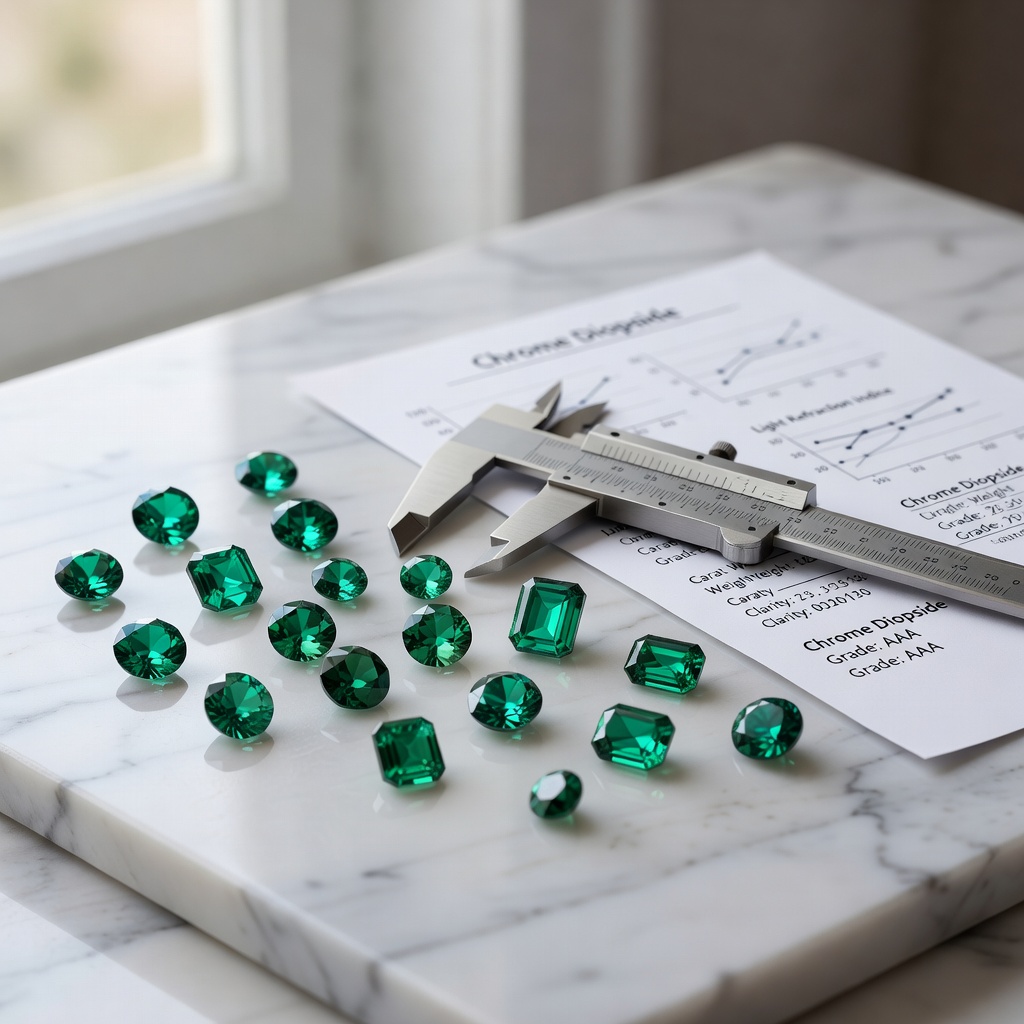
What Is Chrome Diopside? Understanding the Green Gemstone
Chrome Diopside represents one of the most affordable yet visually striking green gemstones available in the modern jewelry market, distinguished by its intense emerald-like coloration derived from chromium content within its calcium magnesium silicate structure. This remarkable gemstone, scientifically classified as a calcium magnesium silicate with the chemical formula CaMgSi₂O₆, derives its name from the Greek words "di" (two) and "opsis" (vision), though modern gemologists specifically designate the chromium-rich variety as Chrome Diopside to distinguish it from the more common black or colorless diopside varieties. The chromium ions replace magnesium in the crystal lattice, creating the vivid green hue that rivals far more expensive gemstones, making green diopside gemstone cost considerations particularly attractive for budget-conscious collectors seeking intense color without premium pricing.
Discovered in 1988 within the rugged Siberian landscapes of Russia's Eastern Siberian region, Chrome Diopside emerged as a commercial gemstone relatively recently compared to ancient gems like emerald or sapphire. The Russian mining operations, particularly in the Inagli and Slyudyanka districts, initially supplied the bulk of the world's fine material, establishing the standard against which all other sources are measured. Unlike many gemstones that undergo extensive marketing campaigns to gain popularity, Chrome Diopside gained recognition primarily through its remarkable visual similarity to emerald at a fraction of the cost, with Chrome Diopside value per carat remaining accessible despite its striking appearance and limited geographic availability.
Physical properties present both opportunities and challenges for jewelry applications, requiring careful consideration during setting and wear. With a hardness rating of 5.5 to 6.5 on the Mohs scale, Chrome Diopside sits below quartz and significantly softer than sapphire or diamond, making it susceptible to scratching during daily wear. More critically, the mineral exhibits perfect cleavage in two directions, meaning it can split cleanly along specific planes if struck with sufficient force, a characteristic that demands protective mounting styles and cautious handling. These durability limitations influence both green diopside gemstone cost structures and jewelry design choices, as the stone requires thoughtful protection to maintain its beauty over time.
Current Chrome Diopside Price Per Carat (2024 Market Analysis)
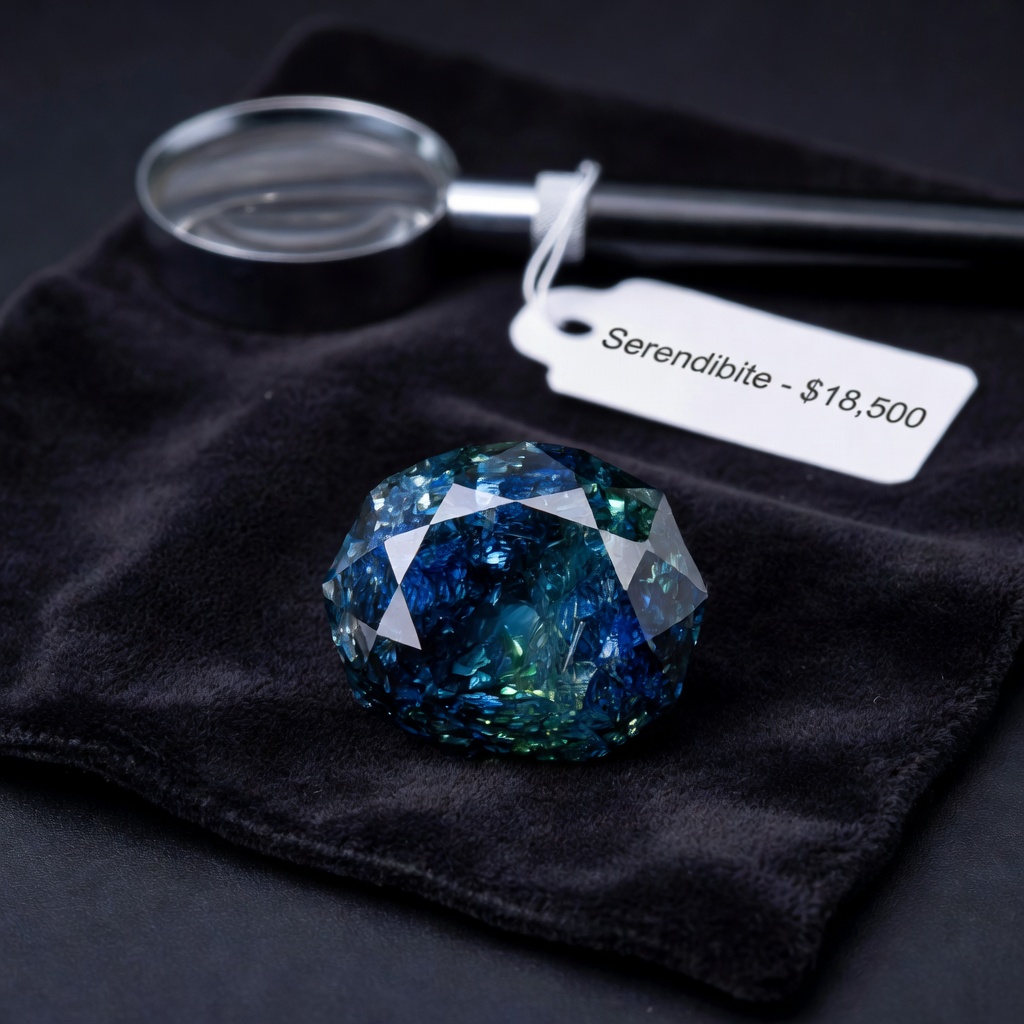
The Diopside (Chrome) Price Guide for 2024 reveals a market stratified into distinct quality tiers, with pricing reflecting the gemstone's origin, clarity, and color intensity in ways that create significant value opportunities for informed buyers. Commercial-grade stones, typically characterized by lighter green saturation, visible inclusions, or slight grayish or brownish undertones, currently trade between $20 and $50 per carat for standard calibrated sizes between 0.5 and 2 carats. These accessible price points make Chrome Diopside an attractive option for fashion jewelry and silver mountings, allowing designers to incorporate genuine gemstone brilliance without the cost barriers associated with emerald or tsavorite garnet.
Fine quality gems exhibiting the coveted vivid green saturation associated with premium Siberian Chrome Diopside prices command significantly higher valuations, ranging from $50 to $200 per carat depending on size and clarity characteristics. Stones in this category display the intense chromium-green color without modifying hues, maintain eye-clean clarity or better, and feature precision cutting that maximizes brilliance while minimizing the appearance of inclusions. The price differential between commercial and fine material often surprises first-time buyers, as the visual impact of a high-quality Siberian stone can rival gems costing ten times as much, creating exceptional value propositions for those prioritizing color over brand recognition.
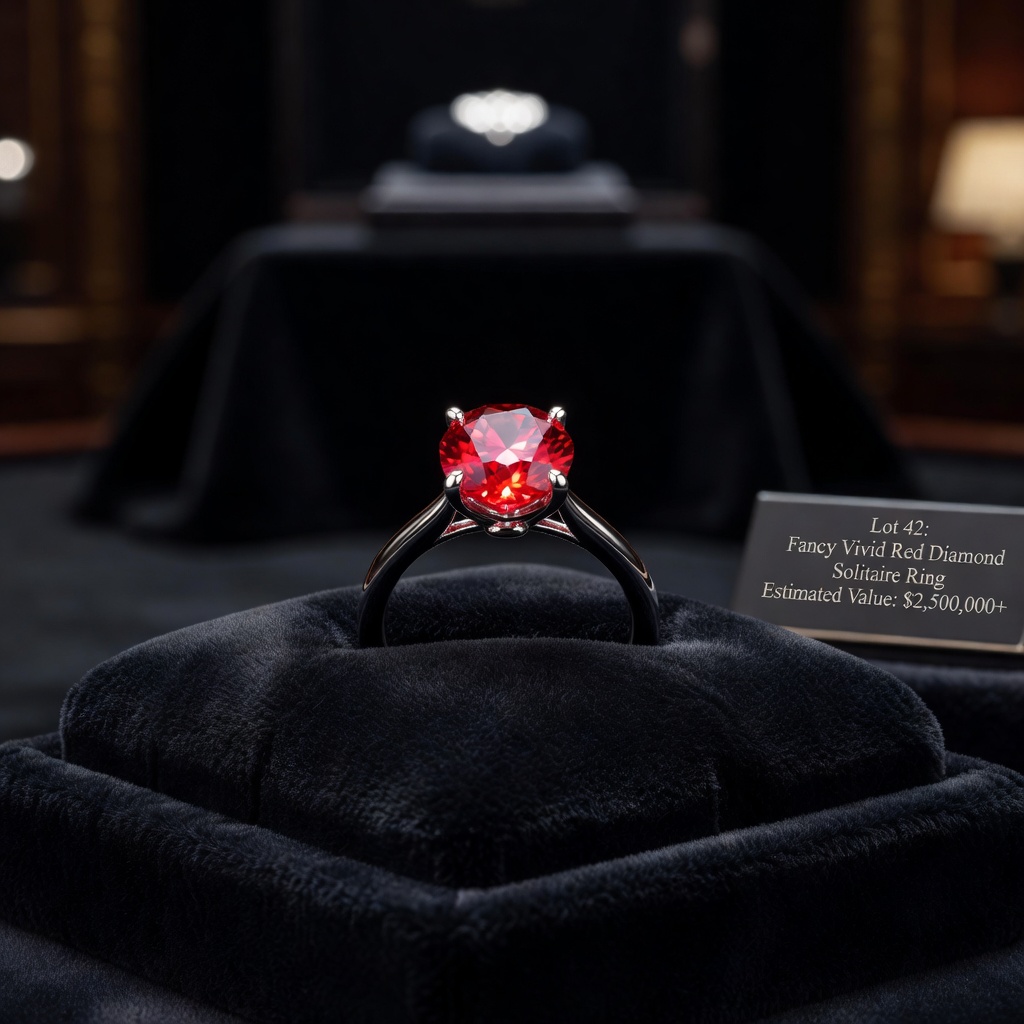
Rare collector specimens exceeding 5 carats with exceptional clarity and proven Siberian provenance can surpass $200 per carat, with some museum-quality pieces reaching $400-$600 per carat in heated auction environments. These exponential price increases reflect the geological reality that Chrome Diopside crystals rarely form clean enough to yield large faceted gemstones, with most rough material containing fractures or inclusions that limit cutters to smaller stones. As Russian mines face depletion and environmental restrictions limit new production, Siberian Chrome Diopside prices for investment-grade material continue trending upward, particularly for untreated stones with documented origins from specific historic deposits.
The 4Cs of Chrome Diopside Valuation
Color grading stands as the paramount factor in determining natural Chrome Diopside quality factors, with the most valuable specimens displaying intense, saturated green reminiscent of fine Colombian emerald without the brown or gray modifiers that plague lesser material. Gemologists evaluate Chrome Diopside color using criteria similar to emerald assessment, prioritizing vividness and saturation over sheer darkness, as overly dark stones appear blackish while excessively light stones appear washed out. The ideal Chrome Diopside exhibits a medium-dark to dark green with strong saturation, often described as "electric green" or "chrome green" in trade terminology, with stones from Siberia's Inagli region setting the standard for this coveted coloration.
Clarity standards for Chrome Diopside differ somewhat from those applied to harder gemstones like sapphire or spinel, acknowledging the mineral's tendency toward natural inclusions and cleavage planes. Eye-clean stones, meaning those without visible inclusions when viewed face-up at 6 inches under normal lighting conditions, command premium Chrome Diopside value per carat premiums of 40-60% over slightly included material. However, the trade accepts minor inclusions more readily in Chrome Diopside than in emerald, provided the inclusions do not significantly impact transparency or create durability concerns, reflecting the market's understanding of the gem's geological formation challenges and relative affordability compared to premium alternatives.
Cut quality dramatically impacts both the visual appeal and market value of Chrome Diopside, with poorly executed cutting potentially reducing Chrome Diopside value per carat by 30-50% compared to well-proportioned stones. Due to the gem's inherent cleavage and tendency toward inclusions, cutters must balance weight retention against optical performance, often opting for brilliant cuts with deeper pavilions to maximize light return while masking clarity characteristics. Step cuts such as emerald cuts, while popular for green stones, prove challenging for Chrome Diopside because they emphasize clarity and can reveal inclusions or create windowing effects in lighter material, making brilliant rounds, ovals, and cushions the preferred shapes for maximizing value.
How Size Affects Chrome Diopside Pricing
Significant price escalation occurs at specific carat thresholds, creating distinct market tiers that savvy buyers must understand when evaluating Chrome Diopside value per carat across different size ranges. Stones under 1 carat typically follow standard commercial pricing, but once a gem crosses the 1-carat threshold, prices often increase by 20-30% per carat due to relative scarcity. The 2-carat mark represents another significant price jump, frequently doubling the per-carat value compared to 1-carat stones, while 3-carat and larger specimens enter the collector realm where exponential pricing models apply.
The scarcity of large crystals stems directly from Chrome Diopside's geological formation within ultramafic rocks and skarn deposits, where cooling rates and chemical conditions rarely permit the development of large, clean crystals suitable for faceting. Most Chrome Diopside rough yields calibrated stones between 0.25 and 1.5 carats, with cutters losing significant material to cleavage fractures and inclusions when attempting larger pieces. This natural limitation means that green diopside gemstone cost structures follow an aggressive exponential curve rather than the linear progression seen in more abundant materials like amethyst or citrine.
Calibrated standard sizes (4x6mm, 5x7mm, 6x8mm ovals; 5mm, 6mm, 7mm rounds) offer cost efficiency for jewelry manufacturers and consumers alike, as cutters specifically target these dimensions to minimize waste and maximize yield from typical rough material. Custom fantasy cuts or specialty shapes command additional premiums due to increased rough waste and the specialized labor required, though these unique pieces often justify their higher Chrome Diopside value per carat through distinctive aesthetic appeal. Buyers seeking maximum size for their budget should consider slightly smaller calibrated stones rather than paying premiums for just-over-threshold weights, as a high-quality 0.9-carat stone often outperforms a mediocre 1.1-carat gem visually while costing significantly less.
Origin Matters: Siberian vs Other Global Sources
Russian Siberian mines, specifically those in the Inagli deposit within the Sakha Republic and the Slyudyanka region near Lake Baikal, produce the world's most prized Chrome Diopside material, establishing the benchmark for Siberian Chrome Diopside prices and quality expectations. Siberian stones consistently display the purest green coloration with the highest chromium content, resulting in vivid saturation without the yellowish or grayish undertones that characterize material from other localities. The harsh Siberian mining conditions, combined with increasing environmental regulations and deposit depletion, have constrained supply while maintaining demand, creating a sellers' market for documented Siberian material.
Pakistani Chrome Diopside, primarily from the Parachinar region, typically exhibits slightly lighter green tones with occasional yellowish modifiers, though fine specimens can approach Siberian quality at more accessible price points. Burmese material tends toward darker, more forest-green coloration with higher saturation but often displays more prominent inclusions, while Finnish deposits yield lighter, yellowish-green stones generally considered commercial grade rather than fine gem material. These geographic variations directly impact natural Chrome Diopside quality factors, with experienced dealers and collectors specifically requesting Siberian origin for investment-grade purchases while accepting alternative sources for fashion jewelry applications.
Provenance documentation significantly affects premium pricing in the collector market, with stones accompanied by laboratory reports specifying Russian origin commanding 15-25% premiums over unverified material of similar appearance. Reputable laboratories such as GIA, AGL, and Gubelin can often determine geographic origin through trace element analysis and inclusion pattern recognition, providing the certification necessary for high-value transactions. As untreated Siberian material becomes increasingly scarce, Siberian Chrome Diopside prices for documented stones continue appreciating, particularly for vintage pieces mined during the 1990s and early 2000s peak production periods.
Chrome Diopside vs Emerald and Tsavorite: Price Comparison
The Chrome Diopside vs emerald price differential represents one of the most compelling value propositions in the colored gemstone market, with fine Chrome Diopside typically costing 10 to 20 times less than equivalent-quality Colombian emeralds. While a fine emerald might command $5,000 to $15,000 per carat, a visually similar Chrome Diopside of comparable size and color intensity ranges from $100 to $400 per carat, allowing collectors to acquire substantial green center stones without the premium pricing associated with the "big three" colored gems. This dramatic cost advantage positions Chrome Diopside as the premier affordable alternative for those seeking intense green coloration in cocktail rings, pendants, and statement earrings.
When compared to tsavorite garnet, another popular green gemstone, green diopside gemstone cost structures reveal Chrome Diopside as the more economical option, typically running 3 to 5 times less expensive than fine tsavorite of similar size. Tsavorite garnet possesses superior hardness (7-7.5 on the Mohs scale) compared to Chrome Diopside's 5.5-6.5, offering better durability for daily wear rings and bracelets, but Chrome Diopside often displays deeper, more emerald-like green saturation than the slightly yellowish or bluish tones sometimes seen in tsavorite. Buyers must weigh the durability trade-offs against the cost savings, with Chrome Diopside excelling in protected settings like pendants and earrings while tsavorite better suits high-impact ring applications.
Visual similarities between Chrome Diopside and emerald extend beyond mere color, as both gems derive their green hue from chromium content, creating nearly identical absorption spectra and color characteristics under various lighting conditions. In indoor lighting, high-quality Chrome Diopside can appear virtually indistinguishable from emerald to the untrained eye, making it an exceptional choice for fashion-forward jewelry where the appearance of luxury matters more than the prestige of the specific gem species. However, the Chrome Diopside vs emerald price gap narrows slightly when considering long-term durability and resale value, as emeralds generally retain liquidity and appreciate more reliably than the softer, less established Chrome Diopside market.
Treatments and Enhancements: Impact on Cost
Natural untreated stones command substantial premiums in the Chrome Diopside market, typically selling for 20-40% more than treated material of similar appearance, reflecting collector preference for unaltered gems and the relative rarity of fine untreated material. Unlike emeralds, which commonly undergo oiling or resin filling to improve clarity appearance, or sapphires, which frequently receive heat treatment, Chrome Diopside sees relatively limited enhancement due to the mineral's thermal sensitivity and structural characteristics. This treatment rarity actually benefits buyers seeking natural Chrome Diopside quality factors, as the majority of material on the market remains in its natural state, though certification remains essential for high-value purchases.
Heat treatment proves particularly challenging with Chrome Diopside due to the mineral's perfect cleavage and tendency to fracture under thermal stress, making enhancement attempts risky and uncommon. When heating does occur, usually to lighten overly dark material or improve clarity, the treatment typically remains stable and permanent, though it significantly reduces the stone's value in the collector market. Advanced spectroscopic analysis and microscopic examination can detect heat treatment through changes in inclusion patterns or trace element distributions, methods employed by major laboratories when certifying Siberian Chrome Diopside prices for investment-grade stones.
Detection methods and certification importance cannot be overstated for purchases exceeding $500, as laboratory verification provides assurance regarding both natural origin and absence of treatments that might affect long-term value. The Gemological Institute of America (GIA), American Gemological Laboratories (AGL), and similar reputable institutions issue reports detailing origin determination when possible, clarity characteristics, and any detected treatments, documentation that proves essential for resale and insurance purposes. Buyers should specifically request "natural, no heat" designations on certificates when paying premium Siberian Chrome Diopside prices, ensuring their investment maintains its documented status in an increasingly quality-conscious market.
Smart Buying Strategies for Chrome Diopside Jewelry
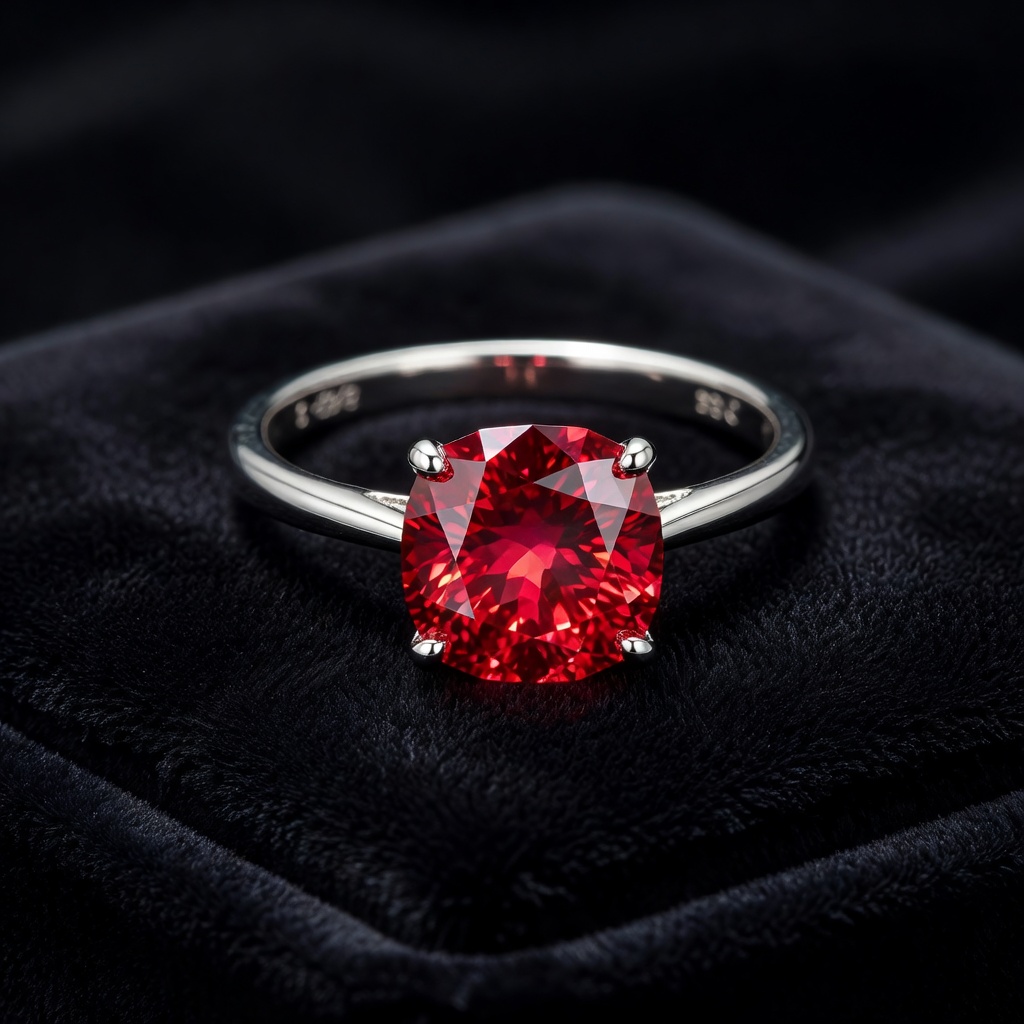
Protective setting recommendations play a crucial role in maximizing both the beauty and longevity of Chrome Diopside jewelry, with bezel settings and halo designs offering superior protection compared to exposed prong settings. Bezels, which surround the gemstone's perimeter with metal, provide crucial protection against impact along the girdle and corners where cleavage fractures most commonly initiate, while halo settings incorporating surrounding diamonds or colored stones create a protective buffer zone around the center gem. These protective styles directly influence Chrome Diopside jewelry pricing, with elaborate protective mountings adding $200-$800 to finished piece costs compared to simple prong settings, though the investment proves worthwhile for preserving the center stone's integrity.
Wholesale versus retail pricing discrepancies create significant opportunities for savings, with retail markups typically ranging from 100% to 300% above wholesale costs depending on the venue and brand positioning. High-end department stores and luxury jewelry boutiques generally apply the highest markups, while independent jewelers and online specialty retailers often offer more competitive Chrome Diopside jewelry pricing with margins closer to 50-100% above cost. Savvy buyers should research comparable stones across multiple platforms, noting that loose gemstones purchased through wholesale dealers or auction sites can be set locally for significant savings compared to purchasing finished jewelry from premium retailers.
Importance of GIA or AGL certification escalates with purchase price, with industry standards suggesting laboratory reports for any Chrome Diopside acquisition exceeding $500, particularly for stones claimed as untreated Siberian material. These certificates verify the gem's natural origin, provide objective quality assessments, and document measurements and characteristics necessary for insurance valuation and future resale. When evaluating Diopside (Chrome) Price Guide information, buyers should factor certification costs (typically $75-$200 per stone) into their budgeting, recognizing that certified stones command higher resale values and provide peace of mind regarding authenticity and treatment status.
Investment Potential and Long-term Value Retention
Market stability characterizes the Chrome Diopside sector compared to volatile precious gemstone markets, with prices showing steady, modest appreciation rather than the dramatic fluctuations sometimes seen in emerald, ruby, or diamond markets. This stability stems from Chrome Diopside's position as a mid-market gemstone with consistent consumer demand but limited speculative investment activity, creating a more predictable pricing environment for long-term holders. While Chrome Diopside value per carat for commercial-grade material remains relatively flat, fine untreated Siberian stones have demonstrated consistent annual appreciation rates of 5-8%, outpacing inflation and many traditional investment vehicles.
Collector demand trends increasingly favor untreated Siberian material with documented provenance, particularly stones over 2 carats with vivid color and eye-clean clarity, as these specimens become scarcer due to mining restrictions and deposit exhaustion. The collector market distinguishes between jewelry-grade stones and investment-grade specimens, with the latter category demanding perfect clarity, exceptional cutting, and verifiable Russian origin. Auction results from specialty gem auctions indicate growing international interest, particularly from Asian markets where Siberian Chrome Diopside prices for exceptional pieces have doubled over the past decade, suggesting continued appreciation potential for high-quality inventory.
Liquidity considerations and resale channels present challenges for private sellers compared to dealers with established industry connections, as Chrome Diopside lacks the universal recognition and standardized grading that facilitate quick diamond or emerald sales. Private sellers typically recover 30-50% of retail value when selling to dealers, while consignment through specialty jewelers or auction houses may yield 60-80% of retail but require extended timeframes of 3-12 months. Investment potential remains strongest for buyers purchasing at wholesale levels or acquiring rare large specimens (3+ carats) with exceptional color, as these pieces attract collector interest and maintain liquidity better than commercial-grade material.
Maintaining Value: Proper Care and Storage Guidelines
Cleaning protocols for Chrome Diopside must specifically avoid ultrasonic cleaners and steam cleaning systems due to the gem's perfect cleavage and thermal sensitivity, despite these methods being safe for harder stones like sapphire or diamond. The intense vibrations from ultrasonic cleaners can exploit microscopic fractures or cleavage planes within the crystal structure, potentially causing catastrophic breakage even in stones that appear stable to the naked eye. Instead, owners should use mild soap, warm water, and soft brushes for routine maintenance, preserving both the stone's beauty and its natural Chrome Diopside quality factors without risking mechanical damage.
Storage recommendations emphasize separation from harder gemstones to prevent scratching, as Chrome Diopside's moderate hardness of 5.5-6.5 makes it vulnerable to abrasion from diamonds (10), sappires (9), quartz (7), and even dust particles containing silica. Individual soft pouches or compartmentalized jewelry boxes prevent contact with harder pieces, while avoiding exposure to extreme temperature changes protects against thermal shock that might exploit cleavage weaknesses. Proper storage directly impacts long-term green diopside gemstone cost retention, as scratched or chipped stones require expensive repolishing that reduces carat weight and value.
Professional inspection schedules should occur every 6-12 months for mounted stones to check setting security and detect early signs of damage before they become catastrophic losses. Jewelers can examine prongs, bezels, and galleries for wear patterns that might indicate the stone is loosening, while also checking for developing chips or cracks along the girdle or table facets. These preventive measures prove particularly important for natural Chrome Diopside quality factors preservation, as early intervention can prevent stone loss or further damage, maintaining both the sentimental and monetary value of Chrome Diopside jewelry investments.
Frequently Asked Questions
How much does Chrome Diopside cost per carat?
Chrome Diopside typically ranges from $20 to $200 per carat depending on quality. Commercial-grade stones with lighter color or visible inclusions cost $20-$50 per carat, while fine Siberian material with vivid green saturation and eye-clean clarity commands $50-$200 per carat. Rare specimens over 5 carats can exceed $200 per carat.
Is Chrome Diopside expensive compared to other green gemstones?
No, Chrome Diopside is considered an affordable alternative to expensive green gems. It typically costs 10-20 times less than fine emeralds and 3-5 times less than high-quality tsavorite garnets. This price accessibility makes it popular for fashion jewelry while still offering intense green color rivaling premium stones.
What makes Siberian Chrome Diopside more valuable than other origins?
Siberian Chrome Diopside commands premium prices due to its superior chromium content, producing the most vivid, saturated emerald-green color without brown or gray undertones. Russian mines produce the finest material, and as these deposits deplete, untreated Siberian stones have become increasingly scarce and valuable in the collector market.
Does Chrome Diopside increase in value over time?
High-quality, untreated Siberian Chrome Diopside has shown steady appreciation due to limited supply and mine depletion. However, commercial-grade material typically maintains stable prices without significant appreciation. Investment potential is strongest for rare large specimens (3+ carats) with exceptional color and provenance documentation.
How can I verify I'm paying a fair price for Chrome Diopside?
Request laboratory certification from GIA, AGL, or similar reputable labs to confirm natural origin and identify treatments. Compare prices across multiple vendors, noting that vivid green Siberian material commands higher prices than yellowish or grayish stones. Ensure the cut maximizes brilliance, as poorly cut stones should cost 30-50% less.
Are treated Chrome Diopside stones worth less?
Yes, natural untreated Chrome Diopside typically commands 20-40% higher prices than treated material. While treatments are less common in diopside compared to other gems, any heat treatment, oiling, or filling should be disclosed and significantly reduces value. Always request certification for purchases over $500 to verify natural status.
What is the best cut for maximizing Chrome Diopside value?
Brilliant cuts (round, oval, cushion) maximize value by optimizing light return and masking the stone's moderate clarity characteristics. Step cuts like emerald cuts are less common and typically cheaper due to revealing inclusions. Well-proportioned cuts with proper depth (60-65%) command premium prices over shallow or windowed stones.
Why are large Chrome Diopside stones so expensive?
Large Chrome Diopside stones over 3 carats command exponential price premiums because crystals rarely form clean enough for cutting large gems. The geological formation process typically yields smaller rough, making eye-clean stones over 5 carats rare collector's items. Prices often triple or quadruple per carat compared to 1-carat sizes.