Introduction to Chrome Diopside Gemstones
Chrome Diopside has emerged as one of the most captivating green gemstones in the modern jewelry market, celebrated for its intense, vivid emerald-like coloration that rivals far more expensive alternatives. This calcium magnesium silicate mineral derives its striking green hue from chromium content, the same element responsible for the color in emeralds and rubies, yet remains significantly more affordable for collectors and jewelry enthusiasts. First discovered in Russia during the 1980s, this gemstone has gained tremendous popularity among designers who appreciate its rich saturation and brilliance when properly cut.
Unlike its precious green counterparts that often command astronomical prices, Chrome Diopside offers accessibility without sacrificing visual impact, making it a favorite for statement rings, pendants, and earrings. However, this relative affordability should not imply that Chrome Diopside jewelry care is any less important than caring for diamonds or sapphires. The stone's unique geological characteristics require specific attention to maintenance protocols to preserve its optical properties, prevent surface damage, and maintain its value over decades of ownership. Understanding the delicate nature of this gemstone is essential for anyone considering adding it to their collection or caring for existing pieces.
Understanding Chrome Diopside Hardness and Durability
When evaluating gemstone suitability for various jewelry applications, understanding hardness ratings provides crucial insight into potential longevity and wear patterns. Chrome Diopside hardness registers between 5.5 and 6 on the Mohs scale, positioning it softer than many popular jewelry stones including quartz (7), topaz (8), and corundum varieties like sapphires and rubies (9). This moderate hardness means that everyday dust and particles, which often contain quartz, can potentially scratch the surface during normal wear if proper precautions are not observed.
Beyond hardness concerns, Chrome Diopside durability is significantly compromised by its perfect cleavage in two directions, a characteristic that makes the stone vulnerable to splitting or fracturing upon sharp impact. Cleavage refers to the tendency of crystalline materials to break along definite planes where atomic bonding is relatively weak, and in the case of Chrome Diopside, these planes create natural fault lines that can propagate cracks under stress. When compared to diamonds (10 on the Mohs scale with no cleavage) or sapphires, Chrome Diopside requires substantially more protective settings and cautious handling to prevent catastrophic damage that could render a stone unsalvageable.
Comparison With Harder Gemstone Alternatives
Jewelry collectors often compare Chrome Diopside to emeralds due to their similar green coloration, though emeralds typically rank 7.5-8 on the Mohs scale despite their notorious brittleness from inclusions. While Chrome Diopside may resist scratching slightly better than pearls or opals (5-6.5 Mohs), it lacks the toughness of spinel (8) or beryl varieties like aquamarine (7.5-8). This positioning makes Chrome Diopside ideal for protected jewelry designs such as earrings and pendants where impact risk remains minimal, rather than rings that endure daily contact with hard surfaces.
Daily Wear Precautions and Protection Strategies
Implementing proactive protection measures forms the cornerstone of effective gemstone maintenance tips for Chrome Diopside owners who wish to enjoy their jewelry regularly without compromising integrity. Physical activities present the most immediate threat to this gemstone, necessitating removal of rings, bracelets, or necklaces before engaging in sports, gardening, household cleaning, or any manual labor involving tools or heavy lifting. The combination of perfect cleavage and moderate hardness means that even seemingly minor impacts against countertops, door frames, or exercise equipment can result in chips, cracks, or complete stone loss.
Chemical exposure represents another significant hazard that many jewelry owners underestimate when wearing their pieces throughout daily routines. Common substances including perfumes, hairsprays, lotions, cosmetics, and household cleaning products can create film buildup on Chrome Diopside surfaces while potentially etching or dulling the polish over time. Chlorine and saltwater environments pose particular risks, as these chemicals can attack both the gemstone surface and the metal settings holding it in place, potentially leading to loosening and loss of the stone during wear.
Professional Settings and Activity-Specific Recommendations
For those who choose to wear Chrome Diopside rings daily, selecting protective bezel or halo settings that shield the girdle and pavilion from direct impact can significantly extend the stone's lifespan. Office workers should still exercise caution when typing on keyboards or handling metal filing cabinets, as repetitive contact can gradually abrade the surface. Always apply beauty products including sunscreen, makeup, and fragrance before putting on Chrome Diopside jewelry, allowing these substances to dry completely to minimize chemical interaction and residue accumulation.
Safe At-Home Cleaning Methods
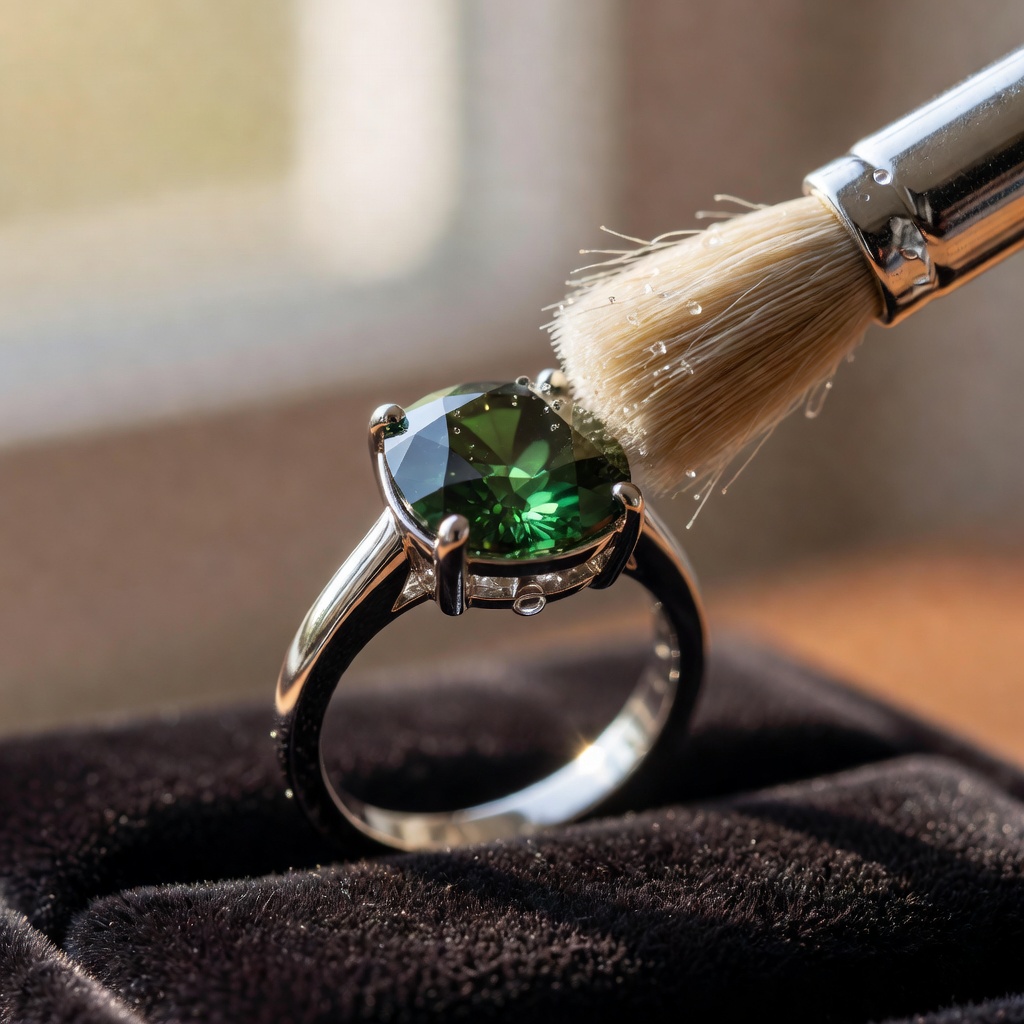
Maintaining the brilliant luster of Chrome Diopside requires regular but gentle cleaning protocols that remove accumulated oils and debris without compromising the stone's structural integrity. The safest and most effective approach involves preparing a lukewarm bath using mild dish detergent diluted in water, creating a solution that breaks down greasy residues without introducing harsh chemicals. Submerge the jewelry piece for several minutes to loosen dirt particles, particularly around the prongs and beneath the stone where buildup commonly occurs.
After soaking, use a soft-bristled toothbrush or specialized jewelry brush with extremely gentle pressure to dislodge remaining debris from the setting and the stone's surface. Pay particular attention to the pavilion and girdle areas where hand lotions and skin oils tend to accumulate, as these residues can significantly dull the stone's brilliance and fire. Rinse thoroughly under lukewarm running water, ensuring the drain is closed or covered with a mesh strainer to prevent accidental loss, then pat dry immediately using a soft, lint-free microfiber cloth to prevent water spots.
Drying and Final Polishing Techniques
Proper drying techniques prove equally important as the washing process itself when performing Diopside (Chrome) Care and Cleaning routines at home. Avoid using paper towels or tissues that may contain wood fibers capable of scratching the relatively soft surface of the gemstone. Instead, allow the piece to air dry completely on a soft towel before final storage, or use a hair dryer on the cool setting held at least six inches away to eliminate moisture from intricate settings where water might promote metal tarnishing or corrosion.
Cleaning Methods to Avoid
While many modern jewelry cleaning technologies offer convenience for harder gemstones, several popular methods pose severe risks to Chrome Diopside and should be strictly avoided regardless of temptation or time constraints. Ultrasonic cleaners, which use high-frequency sound waves to create cavitation bubbles that dislodge dirt, generate vibrations and heat that can exploit the perfect cleavage planes of Chrome Diopside, potentially causing internal fracturing or complete stone breakage. Similarly, steam cleaners subject gemstones to extreme temperature variations and high-pressure jets that can thermal-shock the stone or force moisture into microscopic fractures, leading to catastrophic failure.
Harsh chemical cleaners including ammonia-based solutions, bleach, acetone, and commercial jewelry dips designed for gold or platinum can etch or dissolve the surface of Chrome Diopside, permanently damaging its polish and luster. Abrasive materials such as toothpaste, baking soda pastes, or scrubbing powders should never contact the gemstone surface, as these substances contain particles harder than the stone itself and will create microscopic scratches that accumulate over time, resulting in a permanently dulled appearance. When considering Green diopside cleaning methods, always prioritize the gentlest possible approach over aggressive cleaning shortcuts.
Recognizing Unsafe Cleaning Environments
Beyond mechanical and chemical cleaners, environmental factors during cleaning can also endanger Chrome Diopside jewelry. Never clean these gemstones using boiling water or extreme temperature differentials, as thermal shock can initiate cracks along cleavage planes. Similarly, avoid cleaning near open sink drains without protective strainers, as the combination of slippery soap and perfect cleavage vulnerability means that a dropped stone might shatter upon impact with the sink basin or be lost entirely down the plumbing.
Professional Maintenance and Inspection
Despite diligent at-home care, professional intervention remains essential for maintaining the long-term integrity and beauty of Chrome Diopside jewelry. Gemologists and experienced jewelers recommend scheduling comprehensive inspections every six to twelve months for frequently worn pieces, allowing experts to examine prong integrity, check for loose stones, and assess surface condition under magnification. These regular checkups enable early detection of developing issues such as micro-fractures, setting wear, or loose stones before they result in catastrophic loss or irreparable damage.
Professional cleaning services utilize specialized equipment and solutions specifically formulated for softer gemstones, providing a deeper clean than home methods without risking damage. Jewelers can also perform re-polishing services to remove minor surface scratches and restore original brilliance, though this process removes microscopic layers of material and should not be performed excessively. For stones exhibiting significant damage, professional re-cutting options may salvage the material, though this typically results in carat weight loss and requires resetting in modified mountings.
Warning Signs Requiring Immediate Attention
Several indicators necessitate immediate professional consultation rather than waiting for scheduled maintenance appointments. If you notice the stone rattling within its setting, visible movement when gently prodded with a wooden toothpick, or sudden changes in clarity suggesting internal cracking, discontinue wear immediately and consult a jeweler. Similarly, bent prongs, worn mounting channels, or visible chips along the girdle require urgent repair to prevent stone loss, as the perfect cleavage of Chrome Diopside means that existing damage can propagate rapidly under continued stress.
Proper Storage Solutions
Proper storage practices significantly impact the longevity of Chrome Diopside jewelry, particularly given the stone's susceptibility to scratching and impact damage during periods of non-use. Individual soft fabric pouches made from velvet, silk, or anti-tarnish cloth provide ideal protection by cushioning the gemstone against accidental bumps while preventing contact with harder materials. Alternatively, jewelry boxes with dedicated compartments lined with soft, non-abrasive materials offer organized storage that prevents pieces from knocking against each other when drawers are opened or closed.
Effective Diopside storage solutions require strict separation from harder gemstones including diamonds, rubies, sapphires, and even quartz pieces that could scratch the relatively soft Chrome Diopside surface. Never toss multiple pieces into a single jewelry box compartment or travel pouch where they can jostle against each other, as this practice inevitably leads to surface abrasions and potential chipping. Environmental control also plays a crucial role; maintaining stable humidity levels prevents metal setting corrosion while avoiding extreme temperature fluctuations protects against thermal shock that could stress the stone's cleavage planes.
Travel and Display Considerations
When traveling with Chrome Diopside jewelry, utilize rigid jewelry cases with individual foam padding or dedicated ring rolls that immobilize pieces during transport. For home display, avoid placing jewelry on windowsills or in direct sunlight for extended periods, as prolonged UV exposure combined with heat buildup can potentially affect color stability and create thermal stress. Consider investing in silica gel packets for storage containers in humid climates, as controlling moisture prevents the metal settings from degrading and potentially releasing the stone.
Long-Term Preservation and Value Protection
Preserving both the aesthetic beauty and monetary value of Chrome Diopside jewelry requires comprehensive documentation and insurance strategies alongside physical maintenance. Maintain detailed records including purchase receipts, gemstone certification documents detailing carat weight and quality characteristics, and photographs of the piece from multiple angles to facilitate replacement or repair should loss or damage occur. For high-value specimens or designer pieces, scheduling regular professional appraisals every two to three years ensures adequate insurance coverage as market values fluctuate.
Establishing consistent maintenance schedules prevents minor issues from escalating into costly repairs or irreversible damage. Create calendar reminders for monthly at-home cleaning, bi-annual professional inspections, and annual insurance policy reviews to maintain comprehensive protection. Understanding the natural inclusions and characteristics specific to your Chrome Diopside piece helps set realistic expectations regarding durability and care requirements, as heavily included stones may require even more cautious handling than eye-clean specimens.
Documentation and Legacy Planning
For heirloom-quality pieces or significant investments in Chrome Diopside, consider creating detailed care instructions that accompany the jewelry if passed to family members or sold to collectors. Document any previous repairs, re-polishing, or treatments the stone has undergone, as this history affects valuation and future care decisions. Proper documentation not only protects financial investment but ensures that future generations understand the specific Chrome Diopside jewelry care requirements necessary to maintain the piece's beauty for decades to come.
Troubleshooting Common Chrome Diopside Issues
Even with meticulous care, Chrome Diopside jewelry may occasionally develop issues that require specific troubleshooting approaches to restore appearance and ensure continued wearability. Cloudiness or diminished brilliance typically results from accumulated residue rather than permanent damage, often remedied through thorough gentle cleaning to remove skin oils, soap film, or cosmetic buildup that adheres to the stone's surface. If routine cleaning fails to restore clarity, professional polishing may be necessary to remove microscopic surface scratches that scatter light and reduce transparency.
Minor surface scratches represent inevitable consequences of wear for gemstones ranking 5.5-6 on the Mohs scale, though their appearance can be minimized through professional re-polishing services available through qualified gem cutters. Checking for loose settings should become a monthly habit for ring wearers; gently tap the stone near your ear to detect rattling, or use a loupe to examine prong contact with the girdle. Addressing these issues promptly preserves Chrome diopside durability and prevents the heartbreak of losing a cherished stone due to neglected maintenance.
When to Seek Professional Intervention
While minor cloudiness responds well to home care, deep scratches, chips, or internal fractures require immediate professional assessment. Do not attempt DIY polishing using abrasive compounds or mechanical tools, as improper technique can exploit cleavage planes and destroy the stone. Similarly, never use adhesives to secure loose stones temporarily, as these substances can damage both the gem and setting while potentially complicating professional repairs. Trust only experienced jewelers familiar with soft gemstone handling when addressing structural concerns or damage restoration.
Frequently Asked Questions
Can I use an ultrasonic cleaner for my Chrome Diopside jewelry?
No, ultrasonic cleaners are not recommended for Chrome Diopside. Despite being safe for many gemstones, the vibrations and heat can exploit the stone's perfect cleavage planes, potentially causing fractures or complete breakage. Stick to gentle hand-cleaning with warm soapy water and a soft brush.
How often should I clean my Chrome Diopside jewelry?
Clean your Chrome Diopside jewelry every 2-4 weeks if worn regularly, or immediately after exposure to sweat, cosmetics, or household chemicals. For pieces worn occasionally, cleaning before storage and before wearing is sufficient. Regular gentle cleaning prevents buildup that can dull the stone's vibrant green appearance.
Is Chrome Diopside durable enough for everyday wear in rings?
Chrome Diopside (hardness 5.5-6) is moderately durable but requires caution for daily ring wear. It's softer than many popular gemstones and has distinct cleavage, making it susceptible to scratching and chipping. While suitable for occasional wear or protected settings like pendants and earrings, rings should be removed during physical activities, cleaning, or manual work.
What causes Chrome Diopside to lose its shine or appear cloudy?
Cloudiness typically results from accumulated skin oils, soap residue, dust, and microscopic scratches on the surface. Unlike harder gems, Chrome Diopside can show wear patterns relatively quickly. Chemical exposure can also etch the surface. Regular gentle cleaning and avoiding contact with cosmetics usually restores brilliance, but deep scratches require professional re-polishing.
Can I wear Chrome Diopside in the shower or while swimming?
Avoid wearing Chrome Diopside in showers, pools, or hot tubs. Chlorine and other pool chemicals can damage the stone's surface, while soaps and shampoos leave residue that dulls the shine. Additionally, sudden temperature changes in hot tubs can thermal-shock the stone, and perfect cleavage makes it vulnerable to impact against hard surfaces.
How should I store Chrome Diopside to prevent damage?
Store Chrome Diopside separately in soft fabric pouches or individual compartments in a jewelry box. Never store it loose with harder gemstones like diamonds, sapphires, or even quartz, which can scratch its surface. Keep away from direct sunlight for extended periods and maintain stable humidity to prevent metal setting corrosion that could loosen the stone.
Can Chrome Diopside fade in sunlight?
While Chrome Diopside is generally stable, prolonged exposure to intense direct sunlight or UV light over many years may potentially cause slight fading of its vibrant green color. For long-term preservation, store jewelry in a dark place when not in use and avoid leaving pieces on windowsills or in cars where temperatures can also fluctuate dangerously.
What should I do if my Chrome Diopside gets scratched or chipped?
Do not attempt DIY repairs on scratched or chipped Chrome Diopside. Due to its cleavage, improper handling can worsen the damage. Consult a professional gemologist or jeweler who can assess whether re-polishing is possible or if the stone needs replacement. Minor scratches on the surface can often be polished out, but deep chips may require re-cutting.