Understanding Charoite's Unique Properties
Charoite distinguishes itself as one of the most visually striking gemstones with its mesmerizing purple hues and swirling patterns, yet its distinctive physical characteristics demand specialized attention for proper preservation. Ranking between 5 and 6 on the Mohs hardness scale, charoite possesses a relatively soft composition compared to durable gemstones like diamonds or sapphires, making it susceptible to scratching and surface damage during daily wear. The stone exhibits a complex mineralogical makeup containing potassium, sodium, calcium, and barium silicate compounds, which contribute to its unique fibrous structure and natural chatoyancy—that captivating silky sheen that appears to move beneath the surface when light strikes the gem at different angles.
The intricate fibrous structure that gives charoite its characteristic appearance also creates microscopic crevices where dirt, oils, and debris can accumulate over time, potentially dulling the stone's vibrant appearance. Unlike more robust crystalline gemstones, charoite's layered composition can separate or fracture when subjected to improper cleaning methods or sudden physical impacts. Understanding these inherent vulnerabilities forms the foundation of effective charoite gemstone maintenance, ensuring that collectors and jewelry enthusiasts can preserve both the structural integrity and the ethereal beauty of this rare Siberian stone for generations.
Daily Wear and Handling Guidelines
Implementing mindful wearing habits represents the first line of defense in comprehensive charoite stone care, preventing unnecessary damage before it occurs. Always remove charoite rings, bracelets, or pendants before engaging in physical activities such as sports, gardening, weightlifting, or household chores that might expose the gemstone to hard impacts or abrasive surfaces. When preparing for your day, establish the habit of applying cosmetics, perfumes, hairsprays, and lotions before putting on your charoite jewelry, as these products often contain alcohols, acids, and chemical solvents that can etch the stone's surface or accumulate in its natural fissures.
Handling your charoite pieces with clean, dry hands prevents the transfer of skin oils, lotions, and everyday grime that can quickly diminish the stone's luster and create buildup in surface crevices. If you wear charoite rings while dining, be particularly mindful of acidic foods and beverages such as citrus fruits, vinegar-based dressings, or wine that might splash onto the stone and cause chemical reactions. Consider removing charoite earrings before swimming or visiting spas, as the combination of chlorine, saltwater, and body oils creates a particularly harsh environment for this delicate purple gemstone.
Safe Cleaning Methods for Charoite
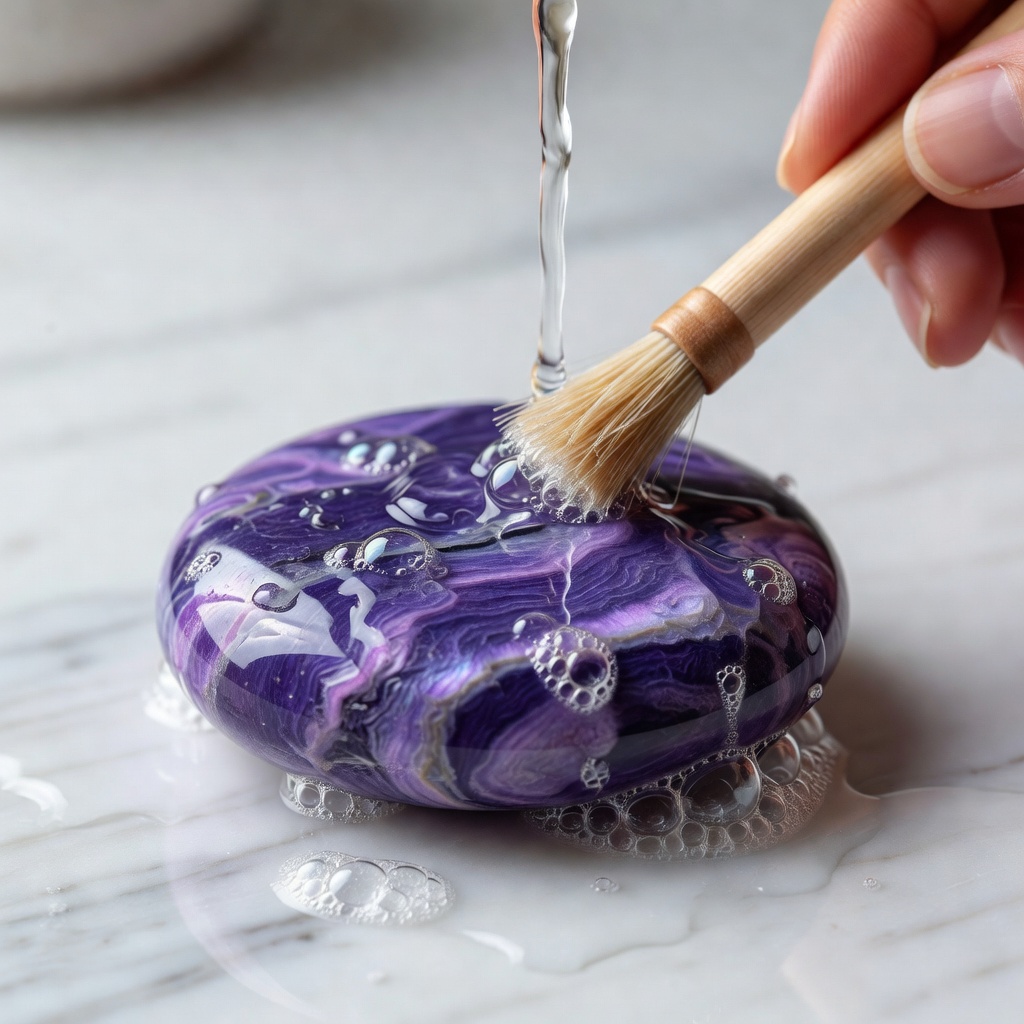
Proper cleaning charoite jewelry requires a gentle approach that effectively removes accumulated debris without compromising the stone's structural integrity or vibrant coloration. Begin by preparing a cleaning solution using lukewarm water—never hot water, as temperature extremes can cause thermal shock—and a mild, phosphate-free dish soap or a cleaner specifically formulated for delicate gemstones. Submerge your charoite piece briefly, then use a soft-bristled toothbrush or a lint-free microfiber cloth to gently scrub the stone and its setting, paying particular attention to the back of the stone where body oils and soap scum tend to accumulate most heavily.
When cleaning intricate settings or carved charoite beads, employ a gentle circular motion rather than aggressive scrubbing to dislodge dirt from hard-to-reach areas without applying excessive pressure. Rinse the jewelry thoroughly under lukewarm running water, ensuring all soap residue washes away completely, as leftover cleaning agents can leave films that dull the stone's natural chatoyancy. Immediately pat the piece dry using a soft, absorbent microfiber towel, taking care to remove all moisture from the setting and the stone's surface to prevent water spots and potential corrosion of metal components.
What to Avoid During Charoite Care
Understanding what not to do with charoite proves equally important as knowing proper cleaning techniques, as certain common practices can cause irreversible damage to this delicate gemstone. Never subject charoite to ultrasonic or steam cleaning devices, as the intense vibrations can cause internal fracturing along the stone's fibrous planes, while the heat generated by steam can create thermal shock that leads to cracking or color alteration. Avoid exposing your charoite to harsh household chemicals including bleach, ammonia, drain cleaners, or abrasive scrubbing powders, which can etch the surface, dissolve protective treatments, or permanently dull the stone's distinctive purple coloration.
Protect your charoite from prolonged direct sunlight and extreme temperature fluctuations, as ultraviolet radiation can fade the vibrant violet hues over time, and rapid temperature changes can cause the stone to expand and contract, potentially creating internal stress fractures. When engaging in activities involving sudden temperature shifts—such as moving from outdoor winter cold into heated buildings, or stepping from air-conditioned spaces into hot summer sunlight—consider removing your charoite jewelry to prevent thermal shock damage.
Proper Storage Solutions
Effective storing charoite crystals and jewelry requires creating a protective environment that shields the gemstone from physical damage, environmental contaminants, and light exposure. Store each charoite piece individually in soft cloth pouches, fabric-lined jewelry boxes, or dedicated compartments that prevent contact with harder gemstones such as diamonds, rubies, or sapphires that could scratch the relatively soft charoite surface. Maintain consistent humidity levels in your storage area, avoiding damp basements or overly dry environments, as excessive moisture can damage metal settings and cause tarnishing, while extremely dry conditions may affect the stone's stability over extended periods.
Position your stored charoite in a cool, dark place away from windows, heating vents, and direct sunlight to preserve the vibrant purple coloration that makes this gemstone so desirable. For valuable charoite collections, consider investing in acid-free tissue paper or anti-tarnish strips within your storage containers to further protect both the stone and its setting from environmental degradation. When traveling with charoite jewelry, utilize padded jewelry rolls or hard-sided travel cases that prevent pieces from shifting and colliding during transport.
Professional Maintenance and Inspection
While home care forms the foundation of charoite jewelry maintenance, establishing a relationship with a professional jeweler ensures that complex issues receive expert attention before they escalate into costly repairs. Schedule annual inspections with a qualified gemologist or jeweler experienced with soft stones to check for loose prongs, worn settings, or structural weaknesses that might not be visible to the untrained eye but could result in stone loss. Professional jewelers possess specialized equipment such as microscopes and ultrasonic steamers designed for delicate gemstones, allowing them to perform deep cleaning in intricate settings where home methods prove insufficient.
If your charoite develops surface scratches, loses its characteristic luster, or shows signs of dulling from years of wear, seek professional re-polishing services rather than attempting DIY restoration methods. Experienced lapidaries can carefully refinish the stone's surface using progressively finer grits of polishing compounds specifically suited for charoite's hardness level, restoring its original brilliance without compromising structural integrity. Maintain detailed records of all professional services, including cleaning dates, setting inspections, and any treatments applied, to establish a comprehensive maintenance history for insurance and valuation purposes.
Recognizing and Preventing Damage
Vigilant observation plays a crucial role in purple charoite preservation, allowing you to identify early warning signs of damage before they compromise the stone's beauty or stability. Conduct monthly visual inspections using a jeweler's loupe or magnifying glass to examine the surface for new scratches, chips, or hairline fractures that may indicate the stone has suffered impacts or stress. Pay particular attention to changes in the stone's appearance, such as cloudiness, surface pitting, or color fading, which often signal chemical damage from improper cleaning agents or excessive exposure to sunlight and heat.
Monitor your charoite settings closely by gently tapping the stone to detect any movement, as loose stones risk falling out and becoming lost while also indicating potential damage to the mounting that requires immediate professional attention. If you notice any wobbling, rattling, or shifting of the stone within its setting, discontinue wearing the piece immediately and consult a jeweler to prevent further damage to both the gemstone and the metalwork. Establishing this habit of regular inspection combined with preventive care measures significantly extends the lifespan of your charoite jewelry while maintaining its investment value.
Long-Term Preservation Strategies
Sustainable charoite gemstone maintenance requires establishing systematic care routines and documentation practices that protect your investment over decades of ownership. Implement a regular cleaning schedule every two to four weeks for frequently worn pieces, adjusting the frequency based on how often you wear the jewelry and your local environmental conditions, such as humidity levels or exposure to urban pollution. Create a detailed inventory of your charoite collection that includes purchase receipts, professional appraisals, high-resolution photographs from multiple angles, and certificates of authenticity, storing both digital and physical copies in secure locations.
Consider obtaining specialized insurance coverage for high-value charoite pieces, ensuring your policy specifically covers loose stones and damage to soft gemstones rather than just general jewelry coverage. When rotating your jewelry collection seasonally, take the opportunity to inspect storage containers for signs of wear, replace desiccant packets that control humidity, and clean pieces before returning them to storage to prevent long-term buildup of oils and residues. By treating charoite care as an ongoing commitment rather than an occasional afterthought, you ensure that these rare and beautiful gemstones retain their mystical purple allure and structural integrity for future generations to appreciate.
Frequently Asked Questions
Can I use an ultrasonic cleaner for charoite care and cleaning?
No, ultrasonic cleaners are not recommended for charoite. The vibrations and heat can cause internal fractures and damage the stone's fibrous structure. Stick to gentle hand cleaning with lukewarm water and mild soap.
How often should I perform charoite care and cleaning routines?
For regularly worn charoite jewelry, clean every 2-4 weeks using mild soap and water. If worn occasionally, clean after each use to remove body oils and dirt. Deep professional cleaning is recommended annually.
Is it safe to expose charoite to water during cleaning?
Yes, lukewarm water is safe for cleaning charoite, but avoid hot water and prolonged soaking. Always dry the stone thoroughly immediately after cleaning to prevent water spots and potential damage to metal settings.
What causes charoite to lose its purple color?
Prolonged exposure to direct sunlight, high heat, and harsh chemicals can fade charoite's distinctive purple color. Store your gemstone away from windows and heat sources, and remove it before using cleaning products or swimming in chlorinated pools.
Can I wear charoite jewelry while swimming or showering?
No, you should remove charoite jewelry before swimming or showering. Chlorine, saltwater, and soaps can damage the stone's surface and affect its luster. Additionally, sudden temperature changes in showers can cause thermal shock.
What is the best way to store charoite when not in use?
Store charoite in a soft cloth pouch or separate compartment in a jewelry box, away from harder gemstones like diamonds or sapphires that could scratch it. Keep in a cool, dark place with stable humidity to preserve its color and integrity.
How do I know if my charoite needs professional cleaning?
If your charoite appears dull despite regular home cleaning, has buildup in hard-to-reach settings, or shows signs of scratching or damage, it's time for professional care. Jewelers have specialized tools to clean intricate settings without harming the stone.
Can I use household cleaners like bleach or ammonia on charoite?
Absolutely not. Household cleaners containing bleach, ammonia, or acids will damage charoite's surface and potentially alter its color. Only use mild, phosphate-free dish soap or cleaners specifically formulated for delicate gemstones.