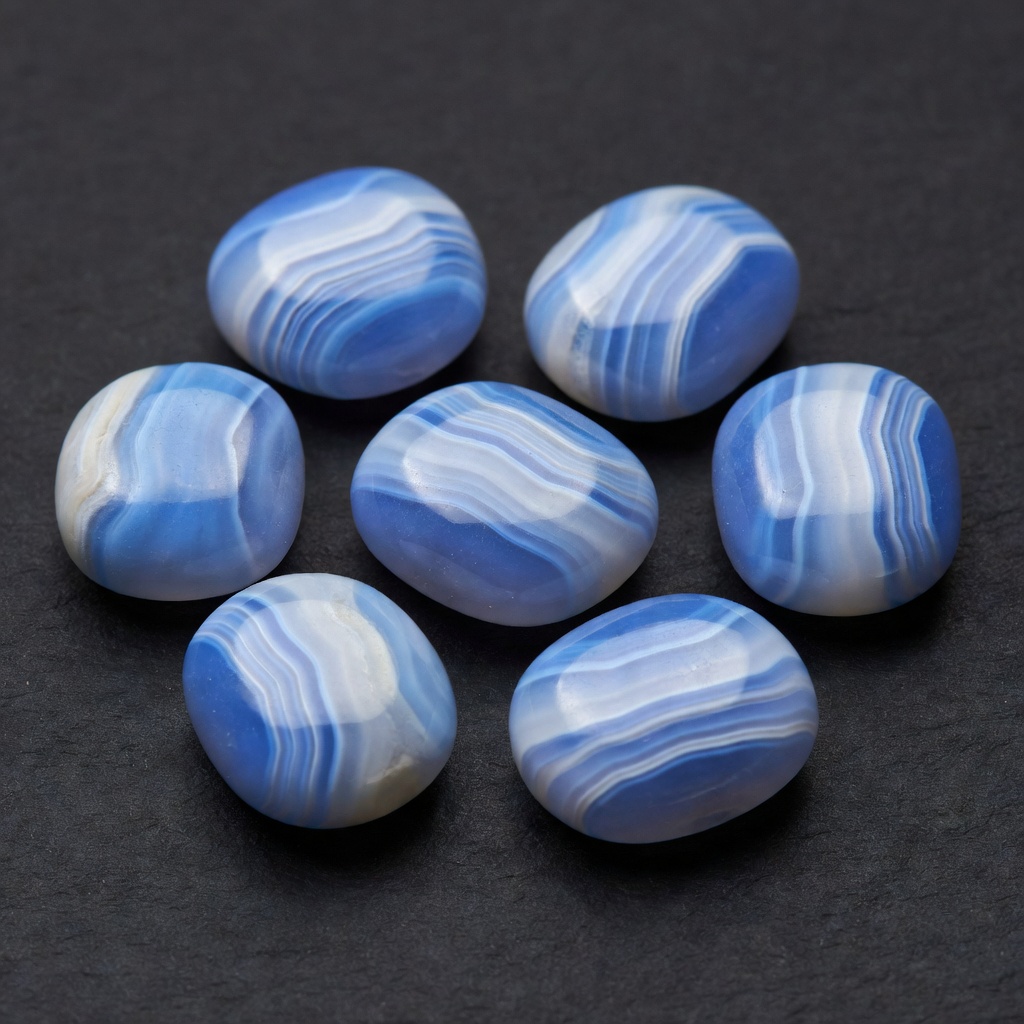
What Is Chalcedony? Understanding the Basics
Chalcedony represents one of the most versatile and historically significant gemstones in the mineral kingdom, defined scientifically as a cryptocrystalline form of silica with the chemical formula SiO2. Unlike its crystalline cousins such as amethyst or citrine that display visible crystal structures, chalcedony consists of microscopic interlocking quartz crystals that create a compact, dense material with unique optical properties. This microcrystalline structure distinguishes it from macrocrystalline quartz varieties and contributes to its characteristic waxy luster and translucent appearance that has captivated civilizations for millennia.
The historical significance of chalcedony stretches back to ancient Mesopotamia, Egypt, and Rome, where artisans prized this material for intricate cameos, signet rings, and protective amulets. Archaeological discoveries reveal that Babylonian craftsmen utilized chalcedony for cylinder seals as early as 4000 BCE, while Roman soldiers carried carnelian chalcedony into battle believing it would bring courage and protection. Native American tribes across the Pacific Northwest fashioned chalcedony into arrowheads and ceremonial tools, recognizing both its practical durability and spiritual significance long before modern gemological classification systems emerged.
Understanding the distinction between chalcedony and other microcrystalline quartz varieties requires examining crystal size and formation patterns. While all chalcedony falls under the cryptocrystalline quartz category, not all cryptocrystalline quartz qualifies as chalcedony in strict geological terms. True chalcedony typically forms in rounded, botryoidal or stalactitic habits with a fibrous internal structure, whereas chert and flint—while chemically identical—develop in sedimentary contexts with different textural qualities. This nuanced classification helps collectors and geologists distinguish between materials that share the same chemical composition but exhibit distinct physical characteristics and formation histories.
Geological Formation and Chemical Composition
The formation of chalcedony occurs through complex geological processes that require specific environmental conditions spanning millions of years. Most specimens develop within volcanic cavities and vesicles where silica-rich hydrothermal fluids deposit microscopic quartz crystals layer by layer. These solutions, typically heated by magmatic activity deep within the earth's crust, carry dissolved silicon dioxide that precipitates as temperatures and pressure conditions fluctuate. Sedimentary chalcedony also forms in limestone and dolomite host rocks where groundwater percolates through fractures and voids, gradually building up the characteristic dense, microcrystalline structure that defines this gemstone variety.
Chemically, chalcedony consists of silicon dioxide arranged in a trigonal crystal system, though the individual crystals measure only 20 to 30 microns in size—too small for unaided human observation. This cryptocrystalline quartz structure contains water molecules trapped within its microcrystalline framework, typically comprising 0.5% to 2% of the stone's total weight, which influences its optical properties and distinguishes it from crystalline quartz varieties. The presence of these water inclusions, combined with the fibrous arrangement of quartz crystals, creates the distinctive waxy luster and translucency that separates chalcedony from other silica minerals like opal or crystalline quartz.
Environmental conditions necessary for chalcedony development include moderate temperatures ranging from 50°C to 200°C and specific pH levels in the surrounding hydrothermal fluids. The mineral requires low-grade metamorphic environments or late-stage volcanic cooling phases where silica supersaturation occurs gradually rather than rapidly. This slow precipitation allows the microscopic crystals to arrange themselves in the fibrous, parallel patterns that give chalcedony its strength and distinctive appearance. Locations such as the Deccan Traps in India, the agate fields of Brazil, and the chalcedony deposits of Turkey provide ideal case studies where these specific geological conditions converged to produce world-class specimens.
Physical Properties and Characteristics
Chalcedony demonstrates remarkable durability and distinctive optical properties that make it suitable for both jewelry applications and industrial uses. On the Mohs hardness scale, chalcedony registers between 6.5 and 7, providing sufficient resistance to scratching for daily wear while remaining workable enough for lapidaries to carve and polish into intricate designs. This hardness level, combined with its lack of cleavage planes, means that chalcedony fractures conchoidally—producing curved, shell-like breaks similar to glass—which prehistoric toolmakers exploited to create sharp cutting edges for knives and spear points.
The gemstone exhibits a distinctive waxy to dull luster that sets it apart from the vitreous shine of crystalline quartz varieties. When held against a light source, high-quality chalcedony displays translucency ranging from semi-transparent to nearly opaque, with light penetrating several millimeters into the stone before diffusing. Specific gravity measurements for chalcedony typically range between 2.58 and 2.64, slightly lower than crystalline quartz due to the water content and microcrystalline porosity. Diagnostic features include a Mohs hardness test resistance to steel knife blades (5.5 hardness) but susceptibility to scratch testing with topaz (8 hardness) or corundum (9 hardness).
Fracture patterns in chalcedony reveal its internal structural integrity and help distinguish natural specimens from synthetic imitations. Authentic material shows uneven to conchoidal fractures with sharp edges when broken, while the surface texture feels smooth and almost soapy to the touch due to the microscopic crystal arrangement. Experienced gemologists examine chalcedony under magnification to observe the fibrous, radiating crystal structure that resembles tightly packed needles or fibers, a characteristic not replicated in glass imitations or plastic simulants. These physical properties, combined with its specific gravity and refractive index of 1.530 to 1.540, provide definitive identification criteria for laboratories and field gemologists.
Popular Varieties and Types of Chalcedony
The chalcedony family encompasses a diverse spectrum of gemstones, each distinguished by color, pattern, and geological formation history. Agate represents perhaps the most recognized variety, characterized by its banded patterns created by rhythmic crystallization cycles in volcanic cavities. These bands may display concentric rings, parallel layers, or fortification patterns in virtually every color imaginable, with specimen localities including Brazil's Rio Grande do Sul, Germany's Idar-Oberstein region, and the Lake Superior agate beds of North America. Unlike uniformly colored chalcedony, agate specifically requires the banded structural formation to qualify under geological classification systems.
Carnelian chalcedony, chrysoprase, and bloodstone constitute the iron and chromium-bearing varieties that display saturated red, apple-green, and deep green-with-red-spot colorations respectively. Carnelian derives its warm orange-red hues from iron oxide inclusions and has served as a gemstone since antiquity, particularly valued in Islamic cultures for prayer beads and Indian traditions for astrological purposes. Chrysoprase, colored by nickel impurities, represents one of the most valuable chalcedony varieties when displaying intense, uniform green coloration, with premium material historically sourced from deposits in Australia, Brazil, and Tanzania. Bloodstone, also known as heliotrope, presents dark green backgrounds punctuated by red iron oxide spots resembling blood droplets, traditionally associated with martyrdom and healing in medieval Christian iconography.
Blue chalcedony, onyx, and sardonyx round out the major commercial varieties, each serving distinct markets and aesthetic preferences. Blue chalcedony ranges from pale sky-blue to deeper cornflower shades, often displaying subtle translucency that enhances its calming appearance, with notable deposits found in Namibia, Turkey, and Oregon's Blue Mountain region. True onyx in gemological terms refers to parallel-banded black and white chalcedony, though the term often gets applied incorrectly to single-colored black chalcedony or even dyed agate. Sardonyx combines layers of sard (brownish-red chalcedony) with white or black bands, historically favored for Roman intaglios and signet rings because the contrasting layers allowed artisans to carve raised designs against differently colored backgrounds.
Color Variations and Their Significance
The chromatic diversity of chalcedony stems from trace mineral inclusions and irradiation effects that modify the base silica structure, creating a palette ranging from ethereal blues to deep earth tones. Blue chalcedony owes its serene coloration to microscopic inclusions of copper or the Tyndall light scattering effect within its microcrystalline structure, with the most prized specimens displaying uniform, medium-blue saturation without gray overtones. In metaphysical traditions, blue chalcedony meaning centers on communication enhancement and throat chakra activation, with practitioners believing that this color variety specifically supports clear expression of thoughts and emotional honesty in interpersonal relationships.
Pink, red, and orange chalcedony varieties derive their warm tones from iron oxide compounds, particularly hematite and limonite, distributed throughout the silica matrix. Pink chalcedony, often called rose chalcedony or pink chalcedony, resonates with heart-centered energy work and is believed to promote compassion and emotional healing. Carnelian, the most prominent orange-red variety, historically symbolized vitality and courage across Egyptian, Roman, and Islamic cultures, with ancient warriors wearing carnelian amulets into battle to stimulate physical energy and overcome hesitation. These warm-toned varieties typically command higher market values when displaying saturated, uniform coloration without banding or zoning.
Green chalcedony encompasses several distinct varieties including chrysoprase, chrome chalcedony, and plasma. Chrysoprase, colored by nickel silicate inclusions, represents the most valuable green variety, particularly material from Australia's Marlborough deposits that displays intense apple-green coloration. Chrome chalcedony, sometimes marketed under the trade name "mtorolite" when sourced from Zimbabwe, contains chromium impurities that create emerald-like green tones. These green varieties traditionally associate with growth, prosperity, and heart chakra balancing in crystal healing practices, with practitioners recommending green chalcedony for emotional recovery after trauma or during periods of significant life transition. The color stability of green chalcedony varies by variety, with some specimens fading under prolonged sunlight exposure while others remain permanently stable.
Metaphysical Properties and Crystal Healing
Chalcedony healing properties have been documented across numerous spiritual traditions, from ancient Greek and Roman texts to contemporary crystal therapy practices. The stone carries a reputation as a nurturing mineral that absorbs negative energy and promotes emotional stability, making it particularly valuable for individuals experiencing anxiety, grief, or interpersonal conflict. Practitioners often place chalcedony in home environments to create harmonious atmospheres, specifically positioning blue varieties in communication-heavy areas such as offices or family rooms to facilitate honest dialogue and prevent misunderstandings. This emotional balancing effect stems from the stone's purported ability to calm the auric field and dissipate irritation or hostility before it manifests in verbal exchanges.
Blue chalcedony specifically targets the throat chakra (Vishuddha), the fifth primary chakra associated with communication, self-expression, and truth-telling. Crystal healers recommend wearing blue chalcedony necklaces or pendants that rest directly against the throat area during public speaking engagements, difficult conversations, or creative writing sessions to enhance verbal clarity and confidence. Meditation practices incorporating chalcedony often involve holding the stone while visualizing blue light filling the throat region, then expanding to surround the entire body in a protective, calming bubble. Some practitioners combine chalcedony with lapis lazuli or aquamarine to create crystal grids specifically designed for communication improvement and creative expression.
Beyond communication support, chalcedony serves spiritual growth applications by facilitating connection with higher consciousness while maintaining grounding in physical reality. The stone's microcrystalline structure is believed to vibrate at frequencies that harmonize the mind, body, and spirit, making it suitable for deep meditation and dreamwork. Healers utilize white or clear chalcedony for crown chakra activation during spiritual ascension practices, while carnelian chalcedony stimulates the sacral chakra to enhance creativity and vitality. Regular cleansing of chalcedony through running water, moonlight exposure, or smudging with sage maintains its energetic potency, as the stone is thought to accumulate environmental energies during healing sessions or daily wear.
Chalcedony vs Agate: Key Differences Explained
The distinction between chalcedony vs agate creates significant confusion among collectors and jewelry enthusiasts, requiring careful examination of structural and terminological nuances. Geologically speaking, agate represents a specific subset of chalcedony characterized by visible, parallel or concentric banding patterns created by rhythmic precipitation of silica in cavity fillings. All agate qualifies as chalcedony, but not all chalcedony constitutes agate—similar to how all squares are rectangles but not all rectangles are squares. This hierarchical relationship places chalcedony as the broader mineralogical category encompassing uniformly colored, non-banded specimens, while agate specifically requires the distinctive layered formation that creates its signature striped appearance.
Structural distinctions become apparent when examining specimens under magnification or backlighting. Chalcedony typically presents as uniformly colored or subtly mottled material without distinct color boundaries, whereas agate displays sharp, well-defined bands that may alternate between translucent and opaque layers, or shift between different colors such as white, blue, red, or brown. These bands form through periodic changes in the chemistry, temperature, or pressure of the silica-bearing solutions entering volcanic cavities, creating growth rings similar to tree trunks that record geological history. The banding in agate may follow the cavity's contour (fortification agate), run parallel to the cavity walls (banded agate), or form horizontal layers (waterline agate), each representing different formation conditions within the chalcedony family.
Visual identification techniques for collectors involve examining transparency patterns and surface characteristics. True agate often displays differential translucency between bands, with some layers transmitting light while others appear opaque, whereas solid-color chalcedony maintains consistent optical properties throughout. Trade terminology sometimes blurs these lines, with "fire agate" actually representing iridescent limonite-included chalcedony rather than true banded agate, and "onyx" correctly referring to parallel-banded black and white agate rather than the solid black material often sold under that name. Understanding these distinctions helps collectors accurately catalog specimens and ensures that buyers receive materials that match geological definitions rather than marketing terminology.
How to Identify Genuine Chalcedony
Identifying genuine chalcedony requires combining visual inspection methods with physical testing to distinguish natural specimens from glass imitations, dyed stones, or synthetic alternatives. Authentic chalcedony exhibits a characteristic waxy luster distinct from the vitreous shine of glass or the greasy appearance of plastic simulants. When held against a strong light source, natural chalcedony shows subtle translucency with possible internal fibrous structures or faint clouding, whereas glass imitations often appear too perfect, containing bubbles, swirl marks, or mold seams indicative of manufacturing rather than geological formation. The surface temperature of genuine chalcedony feels noticeably cool to the touch initially, warming slowly against the skin due to its crystalline structure, unlike glass or plastic which adjust to body temperature more rapidly.
Hardness testing provides definitive verification of authenticity without requiring sophisticated laboratory equipment. Since chalcedony registers 6.5 to 7 on the Mohs hardness scale, it should resist scratching from a steel knife blade or window glass (both approximately 5.5 hardness) but yield to scratches from a quartz crystal or harder material. Specific gravity testing using the hydrostatic weighing method should yield results between 2.58 and 2.64; significantly lower readings suggest plastic or resin imitations, while higher values may indicate glass. Examination under 10x magnification reveals the microcrystalline structure of authentic chalcedony, showing a granular, fibrous texture rather than the conchoidal fracture patterns and perfect cleavage seen in glass or the bubble inclusions common in molded imitations.
Common imitations to avoid include dyed agate or chalcedony where pale material has been artificially saturated with bright colors, glass molded to resemble chalcedony nodules, and reconstructed material made from chalcedony fragments bonded with resin. Dyed stones often show color concentrations in fractures or surface-reaching cavities, with unnatural uniformity in hue that rarely occurs in nature. Composite stones may display interface lines between different materials under magnification or fluoresce differently under ultraviolet light compared to natural specimens. Purchasing from reputable dealers who provide gemological certifications or locality information significantly reduces the risk of acquiring treated or imitation material, particularly when investing in high-value varieties such as gem-quality chrysoprase or blue chalcedony from specific localities.
Proper Care and Maintenance Guidelines
Proper chalcedony gemstone care ensures that these beautiful specimens maintain their luster and structural integrity for generations, requiring attention to cleaning methods, storage conditions, and environmental exposure. Safe cleaning involves using mild soap and lukewarm water with a soft-bristled brush to remove accumulated oils and dirt, followed by thorough rinsing to prevent soap residue buildup that could dull the surface. Ultrasonic cleaners and steam cleaning equipment should generally be avoided, particularly for specimens with visible fractures or dye treatments, as the vibrations and heat may exacerbate existing weaknesses or remove surface enhancements. After cleaning, pat the stone dry with a soft microfiber cloth rather than air-drying to prevent water spots from forming on the polished surface.
Storage recommendations focus on preventing scratches and physical damage that could mar chalcedony's polished surfaces. Despite its respectable hardness, chalcedony can be scratched by harder gemstones including diamonds, rubies, sapphires, and topaz, necessitating separate storage in individual soft pouches or compartmentalized jewelry boxes. When storing chalcedony carvings or specimens, ensure they rest on padded surfaces away from direct contact with metal display stands that might cause abrasion over time. For chalcedony jewelry, removing pieces before engaging in household cleaning, gardening, or sports activities prevents both physical impact damage and exposure to chemicals that could etch or discolor the stone.
Environmental protection requires avoiding prolonged exposure to harsh chemicals, extreme heat, and direct sunlight that may alter chalcedony's appearance or structural stability. Household chemicals including bleach, ammonia, and acids can etch the silica surface, while prolonged sunlight exposure—particularly for chrysoprase and rose chalcedony—may cause fading of color-sensitive varieties. Sudden temperature changes pose risks for stones with internal fractures, potentially causing thermal shock that propagates existing cracks. When wearing chalcedony rings or bracelets, apply perfumes, hairsprays, and cosmetics before putting on the jewelry to minimize chemical contact, and remove pieces before swimming in chlorinated pools or soaking in hot tubs where temperature extremes and chemical exposure converge to damage the gemstone.
Buying Guide: Quality Factors and Value
Evaluating chalcedony for purchase requires understanding how color intensity, transparency, and origin interact to determine market value across different varieties. Color assessment focuses on saturation, uniformity, and tone, with the most desirable specimens displaying vivid, consistent hues without gray or brown overtones that indicate lower quality. Blue chalcedony commands premium prices when showing medium to dark cornflower blue without zoning, while chrysoprase reaches maximum value in intense apple-green shades that rival fine jade. Carnelian and other red varieties should display pure orange-red tones without excessive brownness, and banded agates increase in value when showing sharp, contrasting colors in symmetrical patterns.
Transparency levels and clarity considerations vary by variety and intended use, with some markets preferring translucent material that glows when backlit while others value opaque specimens for carving or beadwork. Generally, chalcedony with fewer visible inclusions, cloudiness, or structural fractures commands higher prices, though certain varieties like moss agate or plume agate derive value specifically from their distinctive internal inclusions. Cut quality significantly impacts value, with well-executed cabochons displaying proper doming, symmetrical outlines, and high polish without surface scratches or pits. Calibrated sizes for jewelry settings typically carry premiums over freeform shapes, while custom carvings by recognized lapidary artists may achieve values exceeding raw material costs based on artistic merit.
Origin sources influence pricing due to reputation effects and material characteristics associated with specific localities. Turkish blue chalcedony and Namibian material often command higher prices than similar-looking stones from less renowned deposits, while Australian chrysoprase historically sets the standard for green chalcedony quality. Price ranges vary dramatically by variety, with common gray or white chalcedony available for pennies per carat in rough form, while fine blue chalcedony or gem-quality chrysoprase may retail for $50 to $200 per carat in finished jewelry. When buying chalcedony, request documentation regarding treatments—particularly dyeing or heating—that affect value, and purchase from dealers who guarantee authenticity and provide return policies for high-value specimens.
Frequently Asked Questions
What is chalcedony used for?
Chalcedony is used for jewelry, decorative carvings, and crystal healing practices. It's believed to promote emotional balance, enhance communication, and provide nurturing energy, making it popular for meditation and throat chakra work.
Is chalcedony expensive?
Chalcedony is generally affordable compared to precious gemstones, with prices ranging from $10 to $100 per carat depending on color, quality, and variety. Rare specimens like gem-quality chrysoprase or blue chalcedony command higher prices.
How can you tell if chalcedony is real?
Genuine chalcedony has a waxy luster, translucency, and hardness of 6.5-7 on the Mohs scale. It feels cool to the touch, shows natural color variations, and when examined under magnification, reveals a microcrystalline structure without bubbles or mold marks found in glass imitations.
What is the difference between chalcedony and agate?
While both are cryptocrystalline quartz, agate specifically refers to banded varieties of chalcedony with visible parallel or concentric color layers. Chalcedony is the broader term encompassing all non-banded, uniformly colored or single-colored specimens.
Can chalcedony go in water?
Yes, chalcedony can safely be cleaned with lukewarm water and mild soap. However, avoid prolonged soaking in salt water or exposure to hot water, as extreme temperature changes or harsh chemicals may damage the stone's surface over time.
What chakra is chalcedony associated with?
Blue chalcedony specifically resonates with the throat chakra, enhancing communication and self-expression. Other color varieties align with different chakras: green with the heart chakra, red/orange with the sacral chakra, and white with the crown chakra.
Is chalcedony the same as quartz?
Chalcedony is a variety of quartz, specifically the cryptocrystalline or microcrystalline form where crystals are too small to be seen with the naked eye. While it shares the same chemical composition (SiO2) as crystalline quartz like amethyst, its physical structure differs significantly.
What colors does chalcedony naturally occur in?
Chalcedony occurs in numerous natural colors including blue, white, gray, pink, red (carnelian), green (chrysoprase), black (onyx), brown, and purple. Color variations result from trace mineral inclusions such as iron, nickel, chromium, and manganese.