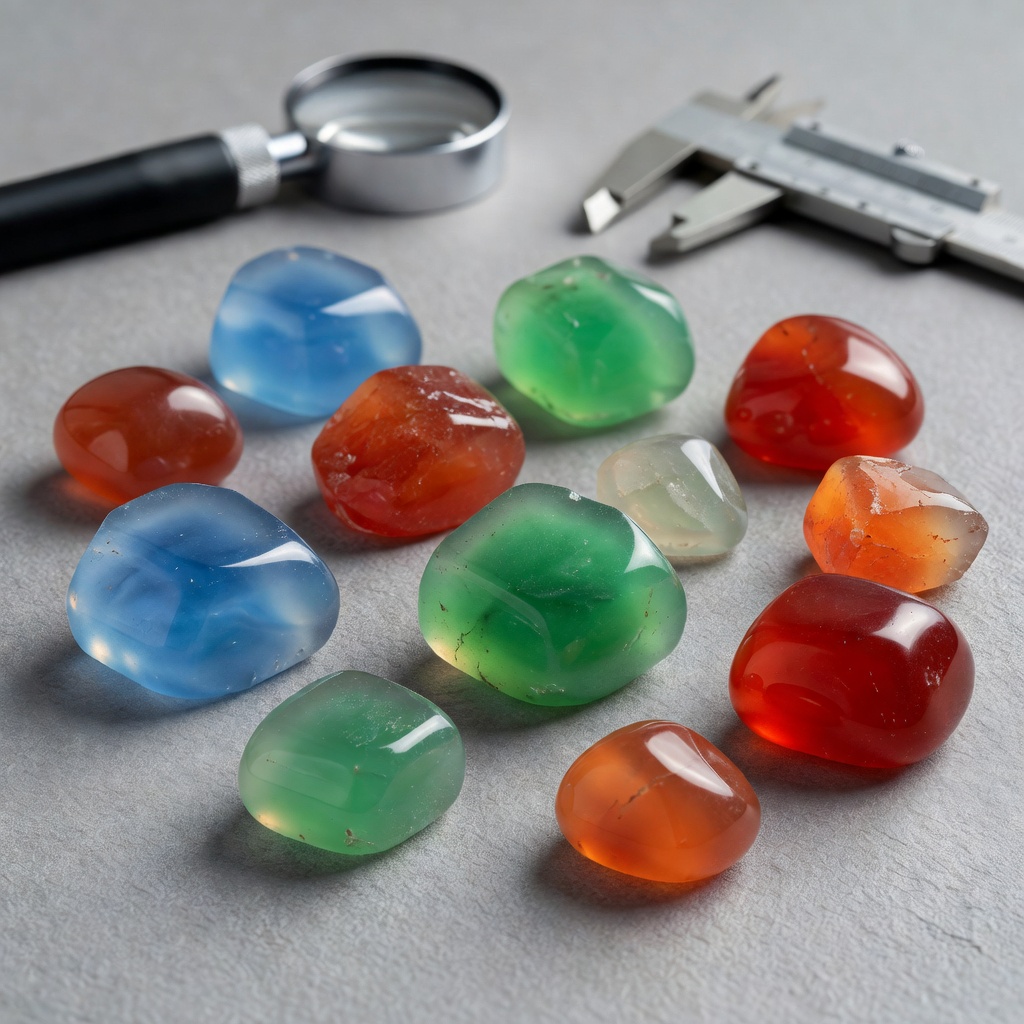
Chalcedony Price Guide: Understanding Value in the Cryptocrystalline Quartz Market
Navigating the diverse world of chalcedony pricing requires understanding subtle variations in mineral composition, geographic origin, and market demand that can dramatically affect valuation. From the coveted apple-green hues of Australian chrysoprase to the serene blue tones of rare Turkish specimens, chalcedony encompasses a broad spectrum of gemstones that appeal to both jewelry designers and mineral collectors alike. This comprehensive guide examines current market valuations, quality determinants, and investment considerations to help buyers, sellers, and enthusiasts make informed decisions when assessing chalcedony gemstone value across various varieties and market channels.
What Is Chalcedony? Understanding the Gemstone
Chalcedony represents a cryptocrystalline form of silica composed of very fine intergrowths of quartz and moganite, distinguishing it from macrocrystalline quartz varieties like amethyst or citrine. Under microscopic examination, this unique structure reveals a complex interlocking pattern of microscopic crystals that creates the stone's characteristic waxy luster and smooth texture when polished. The mineral typically forms in volcanic and sedimentary environments through the precipitation of silica-rich solutions, often filling cavities and fractures within host rocks over thousands of years.
Distinguishing between chalcedony and its popular sub-varieties requires careful observation of structural patterns and opacity levels. While agate displays characteristic concentric banding formed by rhythmic crystallization, jasper remains opaque due to microscopic inclusions of foreign materials like iron oxides or clay. Onyx, specifically sardonyx or black onyx, features parallel bands rather than curved ones, though the term is frequently misapplied in commercial contexts. Understanding these distinctions proves crucial for accurate valuation, as banded agate typically commands different pricing structures compared to uniform chalcedony varieties preferred for fine cabochon cutting.
The physical properties of chalcedony contribute significantly to its utility in jewelry and ornamental applications. With a hardness rating of 6.5 to 7 on the Mohs scale, the material offers sufficient durability for daily wear while remaining workable for lapidaries using conventional cutting equipment. Specific gravity measurements typically range between 2.58 and 2.64, providing a diagnostic tool for separating natural material from glass imitations or polymer composites. These inherent characteristics, combined with the stone's ability to accept excellent polish and display captivating translucency, establish the foundation for chalcedony price factors that collectors and merchants evaluate when assessing specimens.
Key Factors Affecting Chalcedony Prices
Color saturation serves as the primary value determinant across all chalcedony varieties, with vivid, uniform hues commanding significant premiums over muted or mottled alternatives. In blue chalcedony, for instance, the most desirable specimens display an intense, even sky-blue coloration without grayish overtones or zoning, often achieving prices ten times higher than pale or inconsistent material. The rarity of specific colorations also influences market positioning; while gray and white chalcedony remains abundant and affordably priced, natural blue and green varieties occur less frequently in nature, directly impacting their scarcity premium in global markets.
Translucency versus opacity creates distinct market categories within chalcedony valuation, affecting both aesthetic appeal and practical applications in jewelry design. Gem-quality chalcedony typically exhibits a semi-translucent to translucent quality that allows light penetration, creating depth and luminosity when fashioned into cabochons or beads. Opaque varieties like jasper or carnelian with heavy inclusions generally occupy lower price tiers, though exceptions exist for specimens displaying exceptional pictorial patterns or dendritic inclusions. When evaluating chalcedony price factors, experienced buyers often backlight specimens to assess clarity and identify potential fractures or treatments that might compromise long-term value.
Cut quality and polish significantly influence final valuation, with precision-cut calibrated cabochons commanding higher prices than free-form or poorly executed pieces. Professional lapidaries must account for chalcedony's conchoidal fracture pattern and slight variations in hardness when orienting rough material to maximize color display and minimize structural weaknesses. Carat weight affects pricing non-linearly; while commercial-grade material sells by the kilogram, fine gem-quality chalcedony exceeding ten carats with flawless clarity becomes exponentially rarer, particularly in premium colors like gem silica or intense chrysoprase, often triggering competitive bidding at specialized mineral shows.
Blue Chalcedony Price Range and Varieties
Turkish blue chalcedony represents the pinnacle of this color category, with exceptional specimens commanding between $20 and $150+ per carat depending on depth of color and clarity. The material from Turkey's Anatolian region exhibits a distinctive, saturated blue hue resulting from the Rayleigh scattering effect within its microcrystalline structure, distinct from the dyed blue agate commonly found in mass-market jewelry. Recent supply constraints from traditional mining areas have intensified demand for verified natural material, creating a bifurcated market where documented Turkish origin adds substantial premium over similar-looking material from other localities.
Namibian blue chalcedony presents a compelling alternative, typically displaying slightly grayish-blue tones compared to the vivid azure of top Turkish material, with corresponding price adjustments reflecting these aesthetic differences. The African material often occurs in larger, cleaner masses suitable for substantial carvings and statement jewelry pieces, offering value propositions for designers seeking impressive size without the premium associated with Anatolian blue. When evaluating blue chalcedony price per carat, buyers should request locality documentation and spectroscopic analysis to distinguish between natural coloration and dyed material, as heat-treated and chemically enhanced stones flood the lower market segments at fractions of natural stone prices.
Dye treatments significantly impact valuation transparency in the blue chalcedony market, with artificially colored material typically retailing for $1 to $5 per carat compared to natural specimens. Common enhancement techniques involve soaking white or pale chalcedony in iron-bearing solutions followed by heat treatment, creating vivid colors that may fade with prolonged exposure to sunlight or chemical cleaning agents. Professional gemological laboratories can identify these treatments through spectroscopic analysis and microscopic examination of dye concentrations along fracture lines, providing essential documentation for investment-grade purchases where untreated status significantly affects long-term chalcedony gemstone value.
Chrysoprase and Green Chalcedony Values
Australian chrysoprase maintains market dominance through its distinctive apple-green coloration derived from nickel-bearing minerals infiltrating silica gel during formation. The Marlborough deposits in Queensland produce the world's most valued material, with top-color specimens exceeding $100 per carat for clean, translucent pieces suitable for high-end jewelry. The correlation between nickel content and color intensity creates measurable valuation tiers; material containing 1-2% nickel oxide displays the coveted emerald-green hue, while lower concentrations yield paler, yellowish-green stones commanding substantially reduced chrysoprase value in wholesale markets.
Alternative sources including Tanzania, Brazil, and Kazakhstan offer chrysoprase at various price points, though typically lacking the saturation and stability of premium Australian material. Tanzanian material often presents attractive pricing at $10 to $30 per carat but may exhibit color fading when exposed to prolonged sunlight or heat, unlike the stable Australian variety. Market availability fluctuates seasonally based on mining conditions and export regulations, with 2024 seeing increased demand for ethically sourced Australian material driving prices upward by approximately 15% year-over-year in the fine jewelry sector.
Current wholesale trends indicate strong institutional buying of chrysoprase rough by Asian jewelry manufacturers, particularly for calibrated cabochon production targeting the luxury market. Investment collectors increasingly focus on untreated specimen-grade material displaying chatoyancy or exceptional translucency, categories that have appreciated steadily despite economic fluctuations affecting other gemstone sectors. When assessing chrysoprase value, buyers should prioritize stones with consistent color throughout the volume rather than surface-coloring only, as the latter indicates potential treatment or low-grade rough unsuitable for substantial investment.
Carnelian, Agate, and Other Type-Specific Pricing
Carnelian pricing follows a clear hierarchy based on color intensity, with vivid orange-red to reddish-brown specimens commanding the highest valuations in the chalcedony family. Entry-level carnelian suitable for beads and mass-produced jewelry typically ranges from $2 to $5 per carat, displaying moderate translucency and acceptable color saturation. Premium material exhibiting the intense "cornelian" red associated with historical Indian and Yemenite sources can reach $20 to $30 per carat, particularly when cut into precision-calibrated cabochons for fine jewelry settings.
Banded agate valuation depends primarily on pattern complexity, color contrast, and pictorial associations, with landscape agates featuring scenic formations commanding particular collector interest. Standard commercial banded agate sells for $1 to $10 per carat depending on band regularity and color vibrancy, while exceptional specimens displaying fortification patterns or distinctive pictorial elements may achieve $50 to $100 per carat in specialized collector markets. Agate stone pricing also considers geographic provenance, with historic sources like Scottish Montrose or German Idar-Oberstein material carrying premiums based on lapidary tradition and mineralogical significance.
Dendritic agate and moss agate varieties occupy unique valuation niches based on the aesthetic quality of their manganese or iron oxide inclusions. Stones displaying well-defined, artistic dendritic patterns resembling trees, ferns, or landscapes command substantial premiums over material with scattered, indistinct inclusions. Fine dendritic agate value can exceed $100 per carat for specimens where inclusions create recognizable scenic compositions, while material with chaotic or blurred patterns typically sells for $5 to $15 per carat. Collectors particularly value specimens where the lapidary has skillfully oriented the cut to maximize the pictorial effect, demonstrating how craftsmanship intersects with natural beauty in chalcedony valuation.
Wholesale vs. Retail Chalcedony Markets
Rough material costs vary dramatically by variety, with common agate and carnelian rough available for $5 to $20 per kilogram in bulk lots suitable for tumbling or cabochon production. Premium rough including Turkish blue chalcedony or Australian chrysoprase commands significantly higher prices, ranging from $200 to $1,000+ per kilogram depending on color consistency and yield potential. Professional buyers evaluate rough parcels by estimating cutting yield percentages, typically expecting 20-30% recovery for high-quality cabochons from clean rough, with the remainder accounting for cutting loss and lower-grade byproducts.
Lapidary cutting fees add substantial cost to finished goods, with standard cabochon cutting ranging from $10 to $50 per stone depending on complexity and precision requirements. Custom carving and intaglio work command premium rates of $100 to $500+ per piece, particularly for intricate figurative work or specialized precision cutting required for designer jewelry collections. These production costs explain significant portions of the price differential between chalcedony wholesale prices and retail valuations, as each handling stage adds value while reducing the available supply of premium finished material.
Typical retail markup percentages for chalcedony jewelry range from 100% to 300% over material costs, varying by sales venue and product positioning. Boutique jewelry galleries and designer brands apply higher multiples to unique, designer-cut pieces or rare varieties like gem silica or exceptional dendritic specimens. Understanding these markup structures helps buyers identify value opportunities; purchasing loose stones at gem shows or through wholesale dealers often provides 40-60% savings compared to finished jewelry retail prices, though this approach requires knowledge of quality assessment and treatment identification to avoid costly mistakes.
How to Assess Quality and Authenticity
Visual inspection techniques for natural versus treated chalcedony require attention to color consistency, luster, and structural characteristics under appropriate lighting conditions. Natural material typically exhibits subtle color variations and a characteristic waxy to vitreous luster that differs from the glassy appearance of dyed substitutes or polymer impregnations. When examining potential purchases for genuine chalcedony value, buyers should check for dye concentrations along fractures or surface-reaching inclusions, which appear as dark lines or color bleeding under magnification, indicating artificial enhancement that significantly reduces long-term value.
Common enhancement methods extend beyond simple dyeing to include heat treatment, which modifies iron-bearing inclusions to intensify red and orange tones in carnelian, and sugar-acid treatments that blacken chalcedony to simulate onyx. While heat treatment remains relatively stable and widely accepted in the trade, dye treatments may fade or bleed during cleaning or exposure to sunlight, compromising both appearance and value. Advanced testing using Fourier-transform infrared spectroscopy (FTIR) or Raman spectroscopy can identify these treatments definitively, though experienced dealers can often detect enhancements through careful examination with a 10x loupe and knowledge of natural color distribution patterns.
Laboratory certification becomes essential for high-value chalcedony purchases exceeding $500 per carat or when investment potential represents a primary acquisition motive. Reputable laboratories including GIA, AGL, or SSEF provide documentation verifying natural origin, treatment status, and geographic locality for premium specimens. For chrysoprase and blue chalcedony where untreated status commands substantial premiums, certification provides necessary documentation for resale and insurance purposes, protecting buyers from misrepresentation while establishing verifiable provenance that supports long-term value appreciation in collector markets.
Investment Potential and Market Trends
Historical price appreciation for fine chalcedony specimens demonstrates steady growth exceeding inflation rates, particularly for untreated material from depleted mines. Turkish blue chalcedony from specific Anatolian localities has appreciated approximately 200% over the past fifteen years as mining restrictions limit new supply, while top-color Australian chrysoprase shows similar trajectories driven by increasing Asian market demand. Unlike precious gemstones subject to synthetic competition, chalcedony investment value relies heavily on natural coloration and pattern uniqueness that laboratory processes cannot economically replicate, providing fundamental scarcity supports for rare varieties.
Collectible categories showing exceptional strength include gem silica (chrysocolla chalcedony) displaying intense blue-green coloration, which regularly achieves $200 to $400 per carat for fine specimens with high translucency. Rare pattern varieties including plume agate, agate with native copper inclusions, and exceptional dendritic specimens with pictorial compositions have developed dedicated collector followings, with museum-quality pieces achieving five-figure prices at specialized mineral auctions. These categories benefit from cross-market appeal, attracting both mineral specimen collectors and gemstone jewelry enthusiasts, creating multiple demand channels that support price stability.
The 2024 market outlook indicates continued strong demand for ethically sourced, untreated chalcedony across all premium varieties, with particular strength in the sustainable luxury jewelry sector. Emerging demand from Southeast Asian markets, particularly Thailand and Vietnam, drives increased competition for fine cutting rough, while Western markets show growing appreciation for chalcedony as an affordable alternative to increasingly expensive precious gemstones. Investors should focus on acquisition of untreated, well-documented specimens with exceptional color or pattern characteristics, avoiding treated material or common varieties where supply abundance limits appreciation potential.
Where to Buy Chalcedony: Dealers and Marketplaces
Reputable gemstone shows including the Tucson Gem and Mineral Show, Munich Mineralientage, and Hong Kong Jewellery & Gem Fair provide optimal venues to buy chalcedony gemstones directly from miners, cutters, and specialized dealers. These events offer opportunities to compare material across dozens of vendors, examine rough and finished goods under consistent lighting conditions, and establish relationships with suppliers who can source specific varieties on request. Serious collectors should prioritize dealers who provide locality documentation and treatment disclosure, building networks with established merchants who guarantee authenticity and offer recourse if material proves other than represented.
Online marketplaces present both opportunities and risks for chalcedony acquisition, requiring verification strategies to avoid misrepresented or treated material. Platforms like GemRockAuctions or specialized Facebook mineral groups offer access to global inventory, but buyers should insist on high-resolution photographs under natural lighting, videos demonstrating translucency, and laboratory reports for significant purchases. Payment methods offering buyer protection, combined with purchasing from vendors with established reputation scores and clear return policies, mitigate risks inherent in remote transactions where tactile evaluation remains impossible.
Auction houses including Heritage Auctions, Bonhams, and specialized mineral auctioneers like iRocks provide access to investment-grade specimens with established provenance and professional documentation. These venues regularly feature exceptional chalcedony collections from estate sales or advanced collectors, offering material rarely available through commercial channels. While buyer premiums typically add 15-25% to hammer prices, the guarantee of authenticity, detailed condition reports, and competitive bidding transparency make auctions preferred venues for acquiring five-figure specimens where chalcedony gemstone value depends on documented rarity and exceptional quality characteristics.
Care and Maintenance for Value Retention
Proper cleaning methods preserve both the polish and color stability of chalcedony collections, requiring gentle techniques that avoid thermal shock or chemical exposure. Warm water with mild dish soap and a soft brush effectively removes accumulated oils and debris without risking damage to the stone's surface or any potential dye treatments. Ultrasonic cleaners should be avoided, particularly for specimens with visible fractures or those potentially subjected to dye treatments, as the vibration and heat can cause cracking or color bleeding that permanently diminishes chalcedony stone care and value retention.
Storage recommendations emphasize individual wrapping in soft cloth or acid-free tissue to prevent scratching, as chalcedony's 6.5-7 hardness allows it to be scratched by harder gemstones including quartz, topaz, and corundum. Exposure to direct sunlight should be minimized for dyed varieties and certain natural green chrysoprase, which may fade over years of intense light exposure. Maintaining stable humidity levels prevents desiccation of some chrysoprase varieties that might develop crazing or surface cracks in excessively dry environments, particularly important for specimens stored in climate-controlled vaults or safes.
Insurance considerations for high-value chalcedony collections require professional appraisal documentation establishing replacement values based on current market conditions. Standard homeowner policies typically limit coverage for gemstone collections, necessitating specialized rider policies or collections insurance through carriers experienced with mineral specimens. Photographic documentation, laboratory certificates, and detailed provenance records support claims processing while facilitating estate planning for significant collections, ensuring that investment-grade chalcedony receives appropriate protection commensurate with its market value and rarity status.
Frequently Asked Questions About Chalcedony Valuation
How Much Is Chalcedony Worth Per Carat?
Common chalcedony varieties typically range from $1 to $10 per carat, while premium specimens like Turkish blue chalcedony or high-grade Australian chrysoprase can command $50 to $200+ per carat depending on color intensity and clarity. The vast price differential reflects the material's diversity, with mass-produced carnelian beads representing the entry-level market and gem silica or exceptional dendritic specimens occupying luxury price tiers. When evaluating per-carat pricing, buyers must consider treatment status, as untreated natural material commands significant premiums over enhanced stones that may appear visually similar but lack long-term value stability.
What Is the Most Valuable Type of Chalcedony?
Gem silica (chrysocolla chalcedony) is generally the most valuable, often exceeding $200 per carat for intense blue-green material, followed by premium chrysoprase with vivid apple-green coloration and natural Turkish blue chalcedony. These varieties achieve premium status through the combination of rarity, desirable color, and translucency that distinguishes gem-quality material from ornamental grades. Historical significance also influences value, with material from depleted classic localities or specimens displaying exceptional pictorial patterns commanding prices rivaling mid-range precious gemstones in the collector market.
How Can I Tell if Chalcedony Is Real or Treated?
Natural chalcedony exhibits a waxy luster, feels cool to the touch, and shows consistent translucency. Be wary of unnaturally vivid colors (especially bright blues and pinks), and examine edges where dye might concentrate. Professional testing can identify heat treatment and dye penetration. Experienced buyers examine specimens under magnification to check for color concentrations in fractures, a telltale sign of dye treatment, while spectroscopic analysis at gemological laboratories can definitively identify natural versus artificial coloration for high-value purchases.
Is Chalcedony Expensive Compared to Other Gemstones?
Chalcedony is generally considered an affordable semi-precious stone compared to diamonds, rubies, or sapphires. However, rare varieties and large, clean specimens can rival the prices of mid-range precious gemstones, particularly in the designer jewelry market. While a fine diamond might cost thousands per carat, exceptional gem silica or large, flawless chrysoprase cabochons can achieve several hundred dollars per carat, positioning premium chalcedony within the luxury goods category despite the material's abundance in lower commercial grades.
Does Chalcedony Increase in Value Over Time?
While not a traditional investment vehicle like gold or diamonds, fine untreated specimens—particularly those from depleted mines like certain Turkish blue chalcedony deposits—have shown steady appreciation over the past decade, especially in the collector market. Value appreciation depends heavily on quality and rarity factors, with common commercial-grade material showing minimal appreciation while museum-quality specimens or those from historically significant localities demonstrate consistent price growth. Market trends indicate increasing recognition of chalcedony's aesthetic merits among jewelry designers, supporting continued demand for exceptional natural material.
Why Is Blue Chalcedony More Expensive Than Other Colors?
Natural blue chalcedony is relatively rare compared to white, gray, or brown varieties. Most affordable blue material on the market is dyed, making verified natural Turkish or Namibian blue chalcedony command significant premiums due to its scarcity and desirability. The blue coloration results from specific geological conditions involving the Rayleigh scattering effect in microcrystalline silica, conditions that occur infrequently in nature compared to the iron-rich environments producing red and yellow chalcedony varieties. This natural scarcity, combined with high demand for blue gemstones in jewelry design, creates the pricing disparity observed in global markets.
What's the Difference Between Chalcedony and Agate Pricing?
Agate is technically a banded variety of chalcedony, but banded agates typically sell for $1-$15 per carat depending on pattern complexity. Uniform, monochromatic chalcedony varieties like chrysoprase or blue chalcedony usually command higher prices ($10-$100+ per carat) because they're preferred for fine cabochon jewelry. The pricing differential reflects both aesthetic preferences and cutting economics; uniform material allows calibrated cutting with predictable yields, while banded agates require careful orientation to display patterns effectively, limiting their application in standardized jewelry manufacturing.
Should I Buy Chalcedony Loose or in Jewelry Settings?
Loose stones generally offer better value for collectors and investors, allowing verification of quality and treatment status. However, purchasing from reputable jewelers provides consumer protection and ready-to-wear convenience, though typically at 40-60% markup over loose stone prices. Advanced collectors and those seeking investment-grade material should prioritize loose stones examined under ideal conditions, while casual buyers or those seeking immediate wearability may find the premium for finished jewelry acceptable given the included design, metalwork, and consumer protections offered by established retail establishments.