
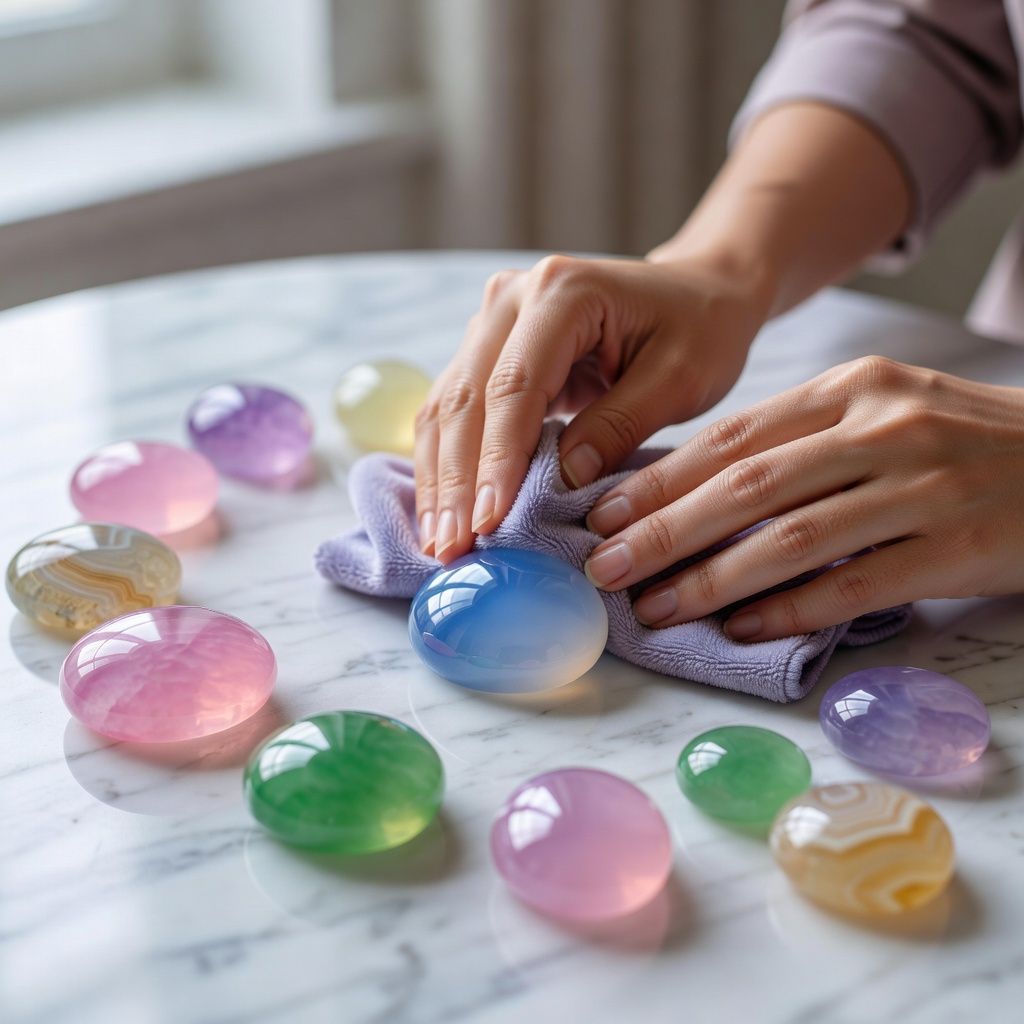
Comprehensive Guide to Chalcedony Care and Cleaning
Chalcedony gemstones have captivated jewelry enthusiasts for centuries with their waxy luster and translucent beauty, ranging from the soft blue hues of blue chalcedony to the fiery warmth of carnelian. Proper maintenance of these microcrystalline quartz treasures requires understanding their unique physical properties and vulnerabilities to ensure they remain vibrant for generations. Whether you own a delicate chrysoprase pendant or a statement dendritic agate ring, implementing the right care protocols will protect your investment and preserve the stone's natural brilliance while avoiding costly restoration procedures.
Understanding Chalcedony Properties and Durability
Chalcedony ranks between 6.5 and 7 on the Mohs hardness scale, positioning it as moderately durable compared to harder gemstones like diamonds or sapphires, yet susceptible to scratching from everyday materials like steel or quartz particles found in household dust. This chalcedony mohs hardness rating means that while the stone can withstand normal wear, it requires conscious protection during activities that might expose it to abrasive surfaces or harder mineral contacts. The microcrystalline quartz structure that gives chalcedony its characteristic waxy sheen also creates a porous surface that can absorb chemicals, dyes, and oils more readily than non-porous gems, making informed chalcedony gemstone maintenance essential for longevity.
Understanding the diverse family of chalcedony varieties helps tailor your maintenance approach to specific stone types and their unique vulnerabilities. Blue chalcedony requires different light protection than opaque carnelian, while translucent chrysoprase demands careful handling to preserve its apple-green coloration against fading. Dendritic agates, with their distinctive fern-like inclusions, present unique cleaning challenges around the natural patterns where debris can accumulate without proper tools. Recognizing these material differences ensures you apply appropriate care techniques that address each variety's specific needs rather than using a one-size-fits-all approach that might damage sensitive varieties.
Daily Wear Guidelines to Prevent Damage
Establishing smart wearing habits forms the foundation of effective chalcedony stone care, beginning with removing your jewelry before engaging in physical activities like gardening, sports, or household cleaning. Garden soil often contains quartz particles harder than chalcedony that can scratch the surface during planting or weeding, while household cleaners expose the stone to harsh chemicals that can etch or discolor the porous material. Even seemingly harmless activities like cooking can subject your chalcedony rings to thermal shock from sudden temperature changes when moving between hot stoves and cold countertops, potentially causing internal fracturing.
Cosmetic products pose significant risks to chalcedony jewelry, requiring you to apply perfumes, hairsprays, and lotions before putting on your gemstone pieces. These beauty products often contain alcohols, acids, and coloring agents that can dull the waxy luster of chalcedony or create a filmy buildup that diminishes translucency over time. A practical tip involves designating a specific "jewelry last" routine during your morning preparation, ensuring your chalcedony pieces are the final touch after all cosmetics have dried and set completely. Additionally, avoid wearing chalcedony in swimming pools or hot tubs where chlorine and heat combine to potentially damage both the stone and its metal setting.
Safe At-Home Cleaning Techniques
Learning how to clean chalcedony properly at home requires only simple supplies and gentle techniques that preserve the stone's integrity while removing accumulated dirt and oils. Begin by preparing a solution of lukewarm water and mild, phosphate-free dish soap in a clean bowl, avoiding extreme temperatures that might stress the gemstone or cause thermal shock. Submerge your chalcedony jewelry briefly for no more than two to three minutes, then use a soft-bristled baby toothbrush to gently scrub the surface and reach into any crevices or setting details where debris commonly accumulates.
The drying process proves equally important in chalcedony jewelry cleaning, as water spots can temporarily dull the surface and trapped moisture may affect metal settings or encourage tarnish. Pat the stone completely dry using a lint-free microfiber cloth, taking care not to rub aggressively which might create static attracting more dust immediately after cleaning. For intricate pieces like dendritic agate pendants with natural inclusions, use a soft cosmetic brush to wick away remaining moisture from hard-to-reach areas. Always ensure your jewelry sits in a well-ventilated area for an additional hour after drying to guarantee no moisture remains trapped behind the stone or beneath prongs.
Harmful Practices to Avoid
Protecting your gemstones requires knowing what not to do, and chalcedony care and cleaning protocols strictly prohibit the use of ultrasonic or steam cleaning devices commonly found in jewelry stores. The vibrations generated by ultrasonic cleaners can exploit microscopic fractures or internal inclusions within chalcedony, potentially causing catastrophic breakage even in stones that appear perfectly solid to the naked eye. Steam cleaning presents similar risks through thermal shock and pressure changes that stress the microcrystalline structure, making these convenient but dangerous methods entirely unsuitable for this delicate gemstone family.
Chemical exposure represents another critical danger zone, requiring you to avoid ammonia-based cleaners, bleach solutions, and commercial jewelry dips that promise quick sparkle restoration. These harsh substances can permanently etch the surface of chalcedony, remove natural oils that enhance color in varieties like carnelian, or cause porous areas to trap chemical residues leading to future discoloration. Extended soaking sessions, even in mild soap solutions, should be avoided due to chalcedony's porosity; limit cleaning sessions to brief immersions followed by immediate drying to prevent water absorption that might lead to internal staining or setting deterioration over time.
Proper Storage Solutions for Longevity
Effective storing chalcedony gems begins with individual soft cloth pouches or compartmentalized jewelry boxes lined with non-abrasive materials that prevent surface contact with harder objects. Harder gemstones like diamonds, rubies, and sapphires can easily scratch chalcedony when tossed together in a jewelry box, creating permanent surface damage that requires professional repolishing to remedy. Consider investing in a dedicated chalcedony storage system with fabric-lined dividers that keep each piece suspended and separated, particularly important for protecting delicate blue chalcedony cabochons that show scratches prominently against their uniform color fields.
Environmental factors play a crucial role in long-term preservation, requiring stable humidity levels between forty and sixty percent to prevent the stone from drying out or absorbing excess atmospheric moisture. Extremely dry conditions can cause some chalcedony varieties to develop surface crazing over decades, while high humidity might encourage tarnishing of silver settings or mold growth in storage containers. Silica gel packets can help regulate moisture in storage areas, but should never touch the stones directly; instead, place them in the corners of your jewelry box. For valuable collections, maintain storage away from direct sunlight and heat sources like radiators or sunny windowsills that can cause color fading in light-sensitive varieties.
Special Care for Different Chalcedony Varieties
Refining your chalcedony gemstone maintenance strategy requires recognizing the specific needs of distinct varieties, starting with blue chalcedony's particular vulnerability to UV light exposure. Prolonged sunlight can fade the delicate blue coloration of this variety, necessitating storage in opaque boxes and limited wear during extended outdoor activities like beach vacations or gardening sessions. Dendritic agates require particular attention when cleaning around the natural manganese or iron oxide inclusions that create their characteristic tree-like patterns; use only compressed air or soft brushes near these areas to avoid dislodging the delicate mineral deposits that define the stone's beauty.
Carnelian and chrysoprase benefit from occasional mineral oil treatments that enhance their natural translucency and depth of color, a practice that dates back to ancient Roman lapidary traditions. Apply a tiny drop of colorless mineral oil to a soft cloth and buff the stone gently once every few months, allowing the oil to penetrate microscopic surface pores and enrich the appearance without causing damage. However, never oil porous white chalcedony or blue chalcedony, as this can cause yellowing or alter the stone's natural color balance. Always research your specific variety before applying any conditioning treatments, as enhanced stones or dyed chalcedony may react unpredictably to oils or other conditioning agents.
When to Seek Professional Maintenance
Regular professional inspection forms an essential component of responsible chalcedony stone care, with jewelry experts recommending setting checks every six to twelve months for frequently worn pieces. A qualified jeweler can detect loose prongs, worn mountings, or structural weaknesses before they result in lost stones, using magnification tools to inspect areas invisible to the naked eye. During these visits, professionals can also assess whether the chalcedony requires repolishing to remove accumulated surface scratches that dull the natural luster, restoring the original waxy gleam through gentle buffing techniques unavailable to home enthusiasts.
Immediate professional intervention becomes necessary if your chalcedony experiences exposure to harsh chemicals, acids, or traumatic impacts that might create internal fractures affecting the stone's stability. Even if surface damage appears minimal, acids from household cleaners or pool chemicals can continue etching the stone long after initial contact, requiring specialized neutralization and polishing procedures. Document any accidents involving chemical exposure thoroughly, including the specific substance and duration of contact, to help your jeweler determine the appropriate restoration approach. Professional gemologists can also identify whether your stone has received dye treatments or other enhancements that might affect future cleaning protocols.
Troubleshooting Common Chalcedony Issues
Even with diligent care, chalcedony jewelry may develop issues that require targeted solutions, starting with stubborn buildup in intricate settings or carved details that resist normal cleaning. Rather than using metal tools that can scratch the six point five to seven Mohs hardness surface, employ wooden orange sticks or bamboo picks to gently dislodge accumulated debris from crevices. These organic tools provide enough rigidity to remove stubborn grime without risking the scratches that dental picks or metal scrapers might inflict on the relatively soft gemstone surface.
Restoring luster to dull chalcedony often requires specialized gem polishing cloths impregnated with micro-abrasives specifically formulated for softer stones, available through lapidary supply stores or reputable jewelers. Unlike generic silver polishing cloths that may be too aggressive, these specialized tools remove light surface scratches while rejuvenating the waxy luster characteristic of quality chalcedony. For cloudiness caused by soap residue or skin oils, a solution of distilled water with a drop of mild soap followed by immediate drying often clears the haze; however, persistent cloudiness might indicate internal fracturing or chemical damage requiring professional assessment. Always test any new cleaning method on an inconspicuous area of the stone or a similar sample before treating valuable pieces.
Creating Your Chalcedony Care Routine
Establishing a consistent chalcedony care and cleaning schedule ensures your gemstones maintain their beauty without requiring intensive restoration procedures down the line. Implement a weekly light cleaning routine using only a soft microfiber cloth to remove skin oils and dust, preventing accumulation that requires more aggressive cleaning methods later. Follow this with monthly deep cleaning sessions using the lukewarm water and mild soap method described previously, always documenting the date and any observations about the stone's condition in a dedicated jewelry care journal for future reference.
Maintain detailed records of any treatments, enhancements, or repairs your chalcedony has undergone, as this history affects future maintenance decisions and potential resale value. Create a dedicated travel case specifically for chalcedony jewelry, featuring individual padded compartments and moisture-control elements that protect against the bumps and environmental changes inherent in travel. Consider photographing your pieces annually under consistent lighting conditions to track subtle changes in color or clarity that might indicate emerging issues requiring professional attention. By systematizing your care approach, you transform chalcedony maintenance from an occasional chore into a sustainable practice that preserves these beautiful gemstones for future generations.
Frequently Asked Questions
Can Chalcedony Be Cleaned With Regular Jewelry Cleaner?
No, commercial jewelry cleaners often contain harsh chemicals like ammonia or alcohol that can damage chalcedony's porous surface. Always use mild dish soap and lukewarm water instead.
Is It Safe to Wear Chalcedony Jewelry Every Day?
While chalcedony is durable enough for daily wear at 6.5-7 Mohs hardness, it's best reserved for occasional use or protected from impact, chemicals, and abrasion during activities like gardening or cleaning.
Can I Put My Chalcedony in an Ultrasonic Cleaner?
Absolutely not. Ultrasonic cleaners create vibrations that can fracture chalcedony due to its microcrystalline structure and potential internal inclusions. Stick to gentle hand cleaning only.
Does Chalcedony Fade in Sunlight?
Yes, particularly blue chalcedony and pink varieties can fade with prolonged UV exposure. Store your jewelry away from direct sunlight and avoid wearing it for extended periods at the beach or pool.
How Often Should I Clean My Chalcedony Gemstone?
Light cleaning with a soft cloth should be done weekly, while deep cleaning with soap and water is recommended monthly or whenever the stone appears cloudy or dull from skin oils and debris.
Can Chalcedony Get Wet?
Brief contact with water during cleaning is safe, but prolonged soaking is not recommended due to chalcedony's porosity. Always dry thoroughly immediately after cleaning to prevent water spots.
What Should I Do if My Chalcedony Gets Scratched?
Minor scratches can often be polished out by a professional gem cutter or jeweler. Do not attempt DIY polishing with abrasive compounds, as this can cause further damage to the stone's surface.
How Should I Store Chalcedony Jewelry When Traveling?
Store each piece separately in soft pouches or individual compartments in a hard-shell jewelry case. Never toss chalcedony into a bag with other jewelry where it can bang against harder gemstones.


