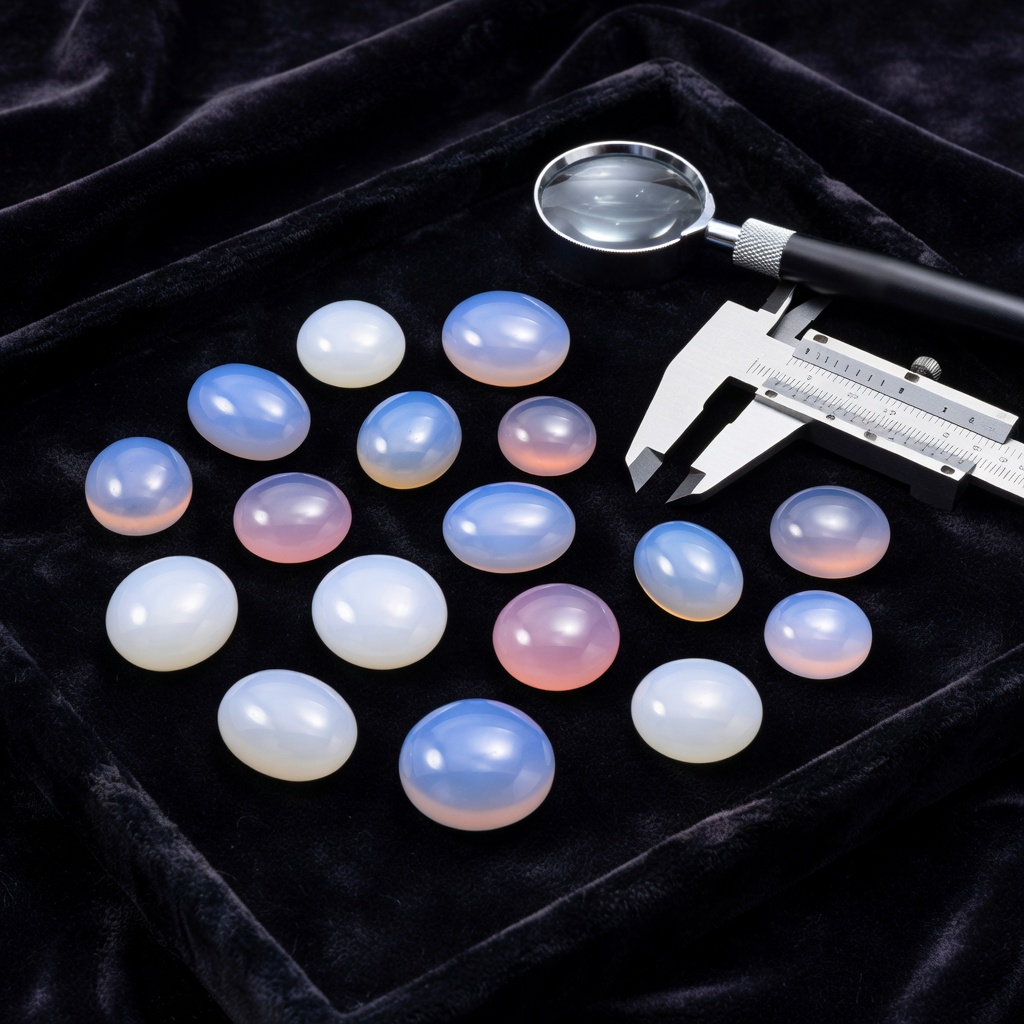
Introduction to Chalcedony Gemstones
Chalcedony represents one of the most versatile and historically significant gemstone families in the jewelry market, belonging to the microcrystalline quartz category characterized by its cryptocrystalline structure. Unlike macrocrystalline quartz varieties such as amethyst or citrine that display visible crystal formations, chalcedony consists of tightly intergrown quartz crystals so minute that they prevent light from passing through in the same way, creating the stone's signature waxy luster and translucent appearance. This comprehensive Chalcedony Buying Guide will navigate you through the essential knowledge needed to make informed purchasing decisions, whether you are a first-time buyer seeking an affordable entry into gemstone collecting or a seasoned enthusiast hunting for rare specimens.
The historical significance of chalcedony stretches back to ancient civilizations, with archaeological evidence showing its use in Mesopotamian cylinder seals, Roman cameos, and Native American ceremonial objects over 4,000 years ago. The name itself derives from the ancient Greek town of Chalcedon in Asia Minor, though deposits have been discovered on every continent except Antarctica. Modern jewelry designers increasingly favor chalcedony for its affordability compared to precious gems like sapphire or emerald, coupled with its remarkable color range that complements both vintage-inspired settings and contemporary minimalist designs.
Contemporary collectors appreciate chalcedony for its accessibility without compromising aesthetic appeal, making it an ideal choice for statement pieces that do not carry the insurance liability of high-value gemstones. The stone's relative abundance allows cutters to experiment with innovative cabochon shapes and carvings rarely attempted with more expensive materials, resulting in unique artistic expressions. Whether set in sterling silver for bohemian aesthetics or mounted in platinum for sophisticated elegance, chalcedony offers remarkable versatility that continues to drive demand across diverse demographic segments in the global gemstone market.
Understanding Chalcedony Varieties and Types
The chalcedony family encompasses a diverse spectrum of varieties, each distinguished by color, transparency, and microscopic structural differences that influence both value and aesthetic applications. Understanding these distinctions proves crucial when evaluating specimens, as pricing and rarity vary dramatically between common gray-blue material and exceptional gem-quality examples. This section explores the primary categories you will encounter when browsing collections or visiting dealers.
Blue Chalcedony and Its Premium Sources
Blue chalcedony stands as the most commercially desirable variety, commanding premium prices when displaying intense, uniform coloration reminiscent of tropical waters or morning skies. The finest material originates from Namibia, where deposits yield stones with exceptional translucency and a distinctive periwinkle to lavender-blue hue caused by microscopic inclusions of the mineral wollastonite. Turkish blue chalcedony from the Ankara region presents a slightly deeper, more saturated tone that appeals to collectors seeking vivid coloration, while Oregon's deposits produce softer, milky blue specimens popular in Native American-inspired jewelry designs.
Chrysoprase, Carnelian, and Pink Varieties
Chrysoprase represents the most valuable green chalcedony variety, colored by nickel inclusions that create an apple-green to emerald appearance rivaling imperial jade in fine specimens. Australian deposits historically dominated this market, though recent finds in Tanzania and Brazil have introduced new material with varying saturation levels. Carnelian, the translucent red to orange-red variety colored by iron oxide, has adorned signet rings and talismans since antiquity, with Indian and Brazilian sources currently supplying most commercial material. Natural pink chalcedony, increasingly rare in an unenhanced state, typically derives from manganese inclusions and commands prices comparable to fine blue material when displaying pure rose tones without brown undertones.
The Agate and Onyx Relationship
Geologically speaking, agate and onyx constitute banded varieties of chalcedony rather than separate species, creating frequent confusion among novice buyers. When chalcedony displays concentric banding patterns formed by rhythmic crystallization in volcanic cavities, gemologists classify it as agate, whereas uniform, single-color material without banding receives the chalcedony designation. Onyx traditionally referred to parallel-banded chalcedony with alternating light and dark layers, though the term has been erroneously applied to pure black chalcedony in modern commercial contexts. This distinction matters significantly for valuation, as unbanded, uniformly colored chalcedony typically commands higher prices per carat than agate with similar base colors due to its rarity and cutting advantages.
Rare and Unusual Varieties
Purple chalcedony, colored by manganese or iron inclusions depending on the specific deposit, appears sporadically in Indonesian and Turkish mines, often displaying subtle color zoning that requires skilled cutting to maximize face-up appearance. Green chalcedony distinct from chrysoprase occasionally surfaces in African deposits, though much "green chalcedony" in the market represents dyed material requiring careful verification. Chrome chalcedony, found primarily in Zimbabwe, contains chromium inclusions creating an intense green color similar to chrome diopside, while "Holly Blue" chalcedony from Oregon represents a rare American source of violet-blue material highly prized by collectors seeking domestic origin stones.
Essential Quality Factors for Evaluation
Evaluating chalcedony requires understanding specific gemstone quality factors that differ somewhat from those applied to transparent faceted stones like diamonds or sapphires. As a predominantly cabochon-cut material, chalcedony assessment emphasizes color purity, surface quality, and translucency rather than brilliance or fire. Mastering these evaluation criteria enables buyers to distinguish between commercial-grade material suitable for casual jewelry and investment-quality specimens worthy of serious collection.
Color Grading Standards
Superior chalcedony exhibits saturated, uniform color throughout the entire specimen without muddy gray or brown undertones that diminish visual appeal. In blue chalcedony, the most valuable stones display pure sky-blue to periwinkle tones without greenish or grayish modifiers, while carnelian should show pure orange-red to deep red coloration without brown overtones. Inspect stones under multiple lighting conditions, as some chalcedony varieties appear significantly different under incandescent versus natural daylight; Namibian blue chalcedony, for example, often shows enhanced violet tones under incandescent light that may not appeal to all buyers.
Transparency and Translucency Assessment
Quality chalcedony ranges from semi-transparent to translucent, allowing light to penetrate several millimeters into the stone while maintaining a soft, glowing appearance. Hold specimens against a strong light source to evaluate transparency consistency; the finest material displays uniform light transmission without cloudy patches or opaque inclusions. Some varieties, particularly chrysoprase, naturally tend toward opacity, but even these should display a "glow" when backlit rather than appearing dull or chalky. Avoid stones that appear completely opaque unless specifically seeking certain decorative carving material, as transparency directly correlates with value in most chalcedony categories.
Cut Quality and Polish Excellence
Because chalcedony typically receives cabochon cuts rather than faceting, evaluate the symmetry of the dome shape, ensuring it maintains consistent height without flat spots or uneven curvature. The junction between the domed top and flat bottom (the girdle) should be crisp and well-defined, indicating precision cutting. Surface polish quality proves particularly important for chalcedony due to its waxy luster; inferior polishing leaves microscopic scratches that scatter light and diminish the stone's characteristic glow. Examine the surface under 10x magnification, looking for polish lines, pitting, or dull areas that suggest hasty finishing or porous material that will not maintain its appearance over time.
Clarity Characteristics and Inclusions
Unlike diamonds or emeralds where specific inclusion types significantly impact value, chalcedony tolerates certain clarity characteristics inherent to its microcrystalline formation. Small surface-reaching fractures or "feathers" are generally acceptable in larger specimens provided they do not threaten durability, while internal cloudiness or "sleepiness" actually enhances the desirability of certain blue chalcedony varieties by creating a soft, ethereal appearance. However, avoid stones with obvious dark inclusions, cracks that extend through the entire piece, or "dead" spots lacking translucency, as these indicate structural weakness or poor cutting decisions that compromise both beauty and longevity.
Natural vs. Treated Chalcedony: Identification Guide
The distinction between natural vs dyed chalcedony represents one of the most critical considerations for buyers, as treatments significantly affect both value and long-term stability. While some treatments are standard industry practice and should be disclosed, others constitute deceptive practices that can leave buyers with degraded stones after minimal wear. Understanding identification techniques protects your investment and ensures you pay appropriate prices for genuinely natural material.
Common Dye Treatments and Detection Methods
Chalcedony's porous microcrystalline structure makes it particularly susceptible to dye absorption, allowing unscrupulous dealers to transform inexpensive gray or white material into apparent "rare" green, blue, or pink specimens. Examine stones under magnification, looking for color concentrations within fractures, surface pits, or along the girdle edge, where dyes naturally accumulate during the treatment process. Natural chalcedony displays subtle color variations and zoning, while dyed material often shows unnaturally uniform, electric coloration that appears "too perfect" for the price point. The hot point test, performed carefully by touching an inconspicuous area with a heated needle (protecting the stone with foil), may reveal chemical odors from dyes, though this test risks damage and should be performed only by professionals.
Heat Treatment Effects and Stability
Heat treatment represents an accepted practice in the chalcedony market, particularly for enhancing carnelian's red color by oxidizing iron inclusions or lightening overly dark material to achieve desirable pastel tones. Unlike dyes, heat treatment produces permanent color changes that will not fade with exposure to sunlight or washing, making these stones more desirable than dyed alternatives though still less valuable than naturally colored equivalents. Identification requires laboratory analysis, as heat-treated stones display no surface residue or fracture staining; however, extremely uniform color in inexpensive carnelian often suggests thermal enhancement rather than natural formation.
Laboratory Certification Importance
When purchasing high-value chalcedony specimens exceeding $500 or claiming rare natural colors like vivid pink or chrome green, insist on reports from recognized laboratories such as GIA (Gemological Institute of America), AGL (American Gemological Laboratories), or GRS (GemResearch Swisslab). These reports specifically address treatment status, distinguishing between natural color, heat treatment, and dye impregnation. For blue chalcedony from premier localities like Namibia, origin reports add significant value premium, as material from specific mines commands higher prices due to superior color stability and translucency compared to generic commercial sources.
Price Implications of Enhancement
Natural, untreated blue chalcedony from premier localities may command five to ten times the price per carat of dyed material with similar apparent color, making proper identification financially crucial. Dyed chalcedony typically sells for $2-10 per carat regardless of color, while natural material ranges from $20-300+ per carat depending on quality and origin. When sellers cannot provide treatment documentation for expensive specimens, assume enhancement and negotiate accordingly, or walk away from the transaction. Reputable dealers will clearly label treated stones as "dyed chalcedony" or "enhanced" and price them appropriately for the costume jewelry market rather than the fine gemstone sector.
Chalcedony Pricing and Market Values
Understanding chalcedony price per carat structures enables buyers to budget effectively and recognize genuine bargains versus suspiciously low prices indicating potential fraud or treatment. The chalcedony market spans from inexpensive mass-produced cabochons suitable for silver fashion jewelry to rare collector specimens commanding prices rivaling fine aquamarine or tourmaline. This section breaks down current market ranges and the factors driving value differentiation.
Commercial to Collector Grade Pricing Tiers
Commercial grade chalcedony, typically featuring light coloration, minor inclusions, or smaller sizes under 5 carats, generally trades between $10 and $50 per carat in retail settings. Mid-grade material with good color saturation, minimal visible inclusions, and sizes ranging from 10-30 carats ranges from $50 to $150 per carat, suitable for fine jewelry applications. Collector-grade specimens, including large Namibian blue chalcedony cabochons exceeding 50 carats with exceptional translucency, natural pink chalcedony without treatment, or rare chrome chalcedony, can command $200 to $500+ per carat, with museum-quality pieces occasionally exceeding $1,000 per carat at specialty auctions.
Value Drivers: Origin, Color, and Size
Origin significantly impacts pricing within specific color categories; Namibian blue chalcedony consistently commands 30-50% premiums over Turkish or American material due to its superior translucency and color stability. Color rarity drives value regardless of size, with natural pink and vivid green chrysoprase fetching higher per-carat prices than common blue or gray varieties. Size premiums accelerate dramatically for chalcedony, as large clean pieces suitable for statement pendants or cufflinks prove increasingly rare; expect to pay exponentially more per carat for specimens exceeding 100 carats compared to smaller calibrated stones.
Retail vs. Wholesale Market Structures
Wholesale pricing at major gem shows like Tucson or Bangkok typically runs 40-60% below retail jewelry store prices, though minimum purchase quantities often apply. Online wholesale dealers offer intermediate pricing, usually 20-30% below brick-and-mortar stores, but require buyer knowledge to evaluate stones without physical examination. When budgeting for custom jewelry projects, allocate approximately 60% of your budget for the center stone and 40% for setting and labor, though this ratio shifts for very large or very small stones where setting complexity dominates costs.
Budget Planning for Different Applications
For fashion jewelry or pieces worn occasionally, budget $15-40 per carat for attractive commercial-grade material set in silver or gold-plated settings. Daily wear pieces like rings or bracelets warrant investing $50-150 per carat for better durability and color stability, ensuring the stone withstands regular use without scratching or fading. Investment or heirloom pieces deserve the $200+ per carat tier, focusing on documented natural material from specific localities with proven market appreciation. Remember that chalcedony's relative affordability compared to sapphire or emerald allows buyers to prioritize size and impact over microscopic perfection, making it possible to create dramatic jewelry statements without five-figure investments.
Selecting the Perfect Chalcedony Jewelry Setting
Choosing appropriate chalcedony jewelry settings requires balancing aesthetic goals with practical considerations regarding the stone's physical properties. With a Mohs hardness of 6.5 to 7, chalcedony demands thoughtful setting design to prevent damage during daily activities while maximizing its distinctive waxy luster and translucency. The following guidelines help ensure your selected mounting complements and protects your investment.
Metal Pairing Recommendations
Sterling silver provides an affordable, bright backdrop that enhances blue and white chalcedony varieties, though it requires more frequent cleaning to prevent tarnish from dimming the stone's appearance. Yellow gold (14k or 18k) creates stunning contrast with carnelian and chrysoprase, evoking classical Roman and Victorian aesthetics while providing durable, low-maintenance mountings. Rose gold has emerged as the preferred choice for pink chalcedony, amplifying the stone's warm undertones and appealing to contemporary tastes; the copper content in rose gold alloy actually complements the manganese coloring agents in pink varieties. For maximum security and luxury appeal, platinum settings offer superior durability for large cabochons, though the metal's white color provides less contrast than gold options.
Durability Considerations and Mohs Hardness
Chalcedony's 6.5-7 Mohs rating places it softer than quartz (7), topaz (8), or corundum (9), meaning it can scratch when stored alongside harder gemstones and may abrade over years of ring wear. While suitable for earrings and pendants that encounter minimal impact, chalcedony rings require protective settings; bezel settings that surround the cabochon with metal provide superior protection compared to prong settings that leave edges exposed. For bracelet applications, consider chalcedony as accent stones rather than centerpieces, as wrist jewelry encounters frequent hard surfaces. When designing necklaces, position chalcedony pendants above the sternum to prevent contact with belt buckles, desk edges, or countertops during bending.
Design Best Practices by Jewelry Type
Ring designs benefit from low-profile cabochons with modest dome heights (less than 40% of the stone's width) to reduce snag risks and impact damage. Pendant designs can accommodate higher domes and larger sizes, as these pieces remain relatively protected during wear; consider open-back settings that allow light transmission through translucent chalcedony, enhancing its glow. Earring designs should prioritize matched pairs for color consistency, as chalcedony varies significantly between pieces even from the same rough; ensure secure closures as chalcedony's smooth surface can slip from friction-based earring backs. For statement pieces like cuff bracelets or brooches, chalcedony's light weight compared to agate or jade allows for larger, dramatic designs without uncomfortable heft.
Protective Settings for Lifestyle Compatibility
Active individuals or those working with their hands should insist on full bezel settings with substantial metal thickness (minimum 1.5mm) at the girdle for ring applications. Consider "gypsy" or flush settings for men's rings or modern designs, where the stone sits recessed into the metal band, though this partially obscures the stone's beauty. For occasional wear pieces like cocktail rings or gala jewelry, more delicate prong or wire-wrap settings showcase the stone optimally, provided the owner commits to careful handling and proper storage. Always ensure settings include adequate backing support for chalcedony, as thin, flexible mountings can transfer impact stress to the stone, causing fractures in this moderately brittle material.
Trusted Sources: Where to Buy Chalcedony
Finding reputable sources to buy chalcedony requires diligence, as the gemstone's affordability and treatment susceptibility attract both legitimate dealers and fraudulent operators. Whether purchasing online, at gem shows, or through local jewelers, specific vetting procedures protect buyers from misrepresentation and ensure fair value. This section outlines verification strategies for various purchasing channels.
Vetting Online Gemstone Dealers
Establish online dealers' credibility by verifying GIA Graduate Gemologist (GG) credentials on staff, checking for membership in professional organizations like the American Gem Trade Association (AGTA) or International Gem Society (IGS), and reviewing independent feedback on platforms beyond their own websites. Legitimate sellers provide multiple high-resolution photographs showing stones from various angles, including close-ups of the girdle and any inclusions, rather than generic stock images. Examine return policies carefully; reputable dealers offer at least a 7-day inspection period with full refund options, understanding that chalcedony's appearance varies significantly between studio lighting and natural environments. Be wary of dealers offering "natural" vivid pink or green chalcedony at suspiciously low prices ($5-20 per carat), as these almost certainly represent dyed material.
Advantages of Gem Shows and Mineral Exhibitions
Major gem and mineral shows, including the Tucson Gem and Mineral Show, Denver Gem Show, or Munich Mineral Show, provide opportunities to examine hundreds of chalcedony specimens simultaneously, facilitating direct comparison of color, quality, and pricing. Buying directly from miners or rough importers at these events often yields the best prices, as you bypass multiple markup layers, though cash transactions dominate and buyer knowledge becomes essential. The ability to handle stones under various lighting conditions, including natural daylight, proves invaluable for chalcedony evaluation, as artificial show lighting can mask color deficiencies or enhance apparent quality. Build relationships with specific dealers over multiple show seasons, as established connections often provide first access to new material and post-show support for setting recommendations or treatment verification.
Red Flags and Misrepresentation Warning Signs
Avoid sellers who refuse to specify treatment status or provide vague answers like "probably natural" when questioned about dye or heat enhancement. Be suspicious of stones labeled "natural" that display perfectly uniform, electric colors in inexpensive price brackets, as genuine natural material almost always shows subtle color variation. Watch for misleading locality claims; "Namibian blue chalcedony" has become a generic marketing term for any nice blue material, so request documentation for high-value specimens claiming specific origins. Steer clear of auction sites featuring chalcedony with professional photos but no return policy, or listings where the seller cannot provide measurements in millimeters and weight in carats.
Return Policies and Buyer Protection
Always pay using methods offering buyer protection, such as credit cards or established escrow services, avoiding wire transfers or cryptocurrency for initial transactions with unknown dealers. Document the purchase agreement via email or written receipt specifying treatment status, exact dimensions, and any origin claims, as these records prove essential if disputes arise. For purchases exceeding $1,000, consider arranging independent appraisal within the return window to verify the seller's representations regarding natural versus treated status. Reputable dealers welcome third-party verification and often have established relationships with appraisal laboratories, while resistant sellers may harbor concerns about their merchandise's authenticity.
Care and Maintenance Best Practices
Proper chalcedony care ensures your gemstone jewelry retains its beauty across generations, as this microcrystalline quartz variety responds well to gentle treatment but suffers from harsh cleaning methods or improper storage. While more durable than pearls or opals, chalcedony requires specific maintenance protocols to prevent surface scratching, color fading in treated stones, and accumulation of debris in porous areas. Implementing these care strategies protects both the stone and its setting.
Proper Cleaning Techniques
Clean chalcedony jewelry using lukewarm water with mild dish soap and a soft-bristled toothbrush, gently scrubbing the stone's surface and around prongs or bezel edges where dirt accumulates. Avoid ultrasonic cleaners and steam cleaning devices, as these can exacerbate existing fractures or cause thermal shock in stones with internal inclusions. For heavily soiled specimens, soak for 10-15 minutes in soapy water before gentle brushing, never using harsh chemicals, ammonia-based cleaners, or abrasive pastes that can scratch the polished surface. Dry thoroughly with a soft, lint-free cloth, ensuring no moisture remains trapped between the stone and setting, which could cause tarnish in silver mountings or loosen adhesives in certain jewelry constructions.
Storage Solutions for Longevity
Store chalcedony pieces individually in soft cloth pouches or lined jewelry boxes, preventing contact with harder gemstones like diamonds, rubies, or sapphires that could scratch the surface. Keep chalcedony away from direct sunlight for extended periods, particularly dyed varieties, as UV exposure can fade artificial colors over months or years of display. Maintain moderate humidity levels in storage areas, as excessively dry conditions may cause some chalcedony varieties to develop surface crazing (microscopic cracks), while overly humid environments promote metal tarnish that can stain the stone's surface. For valuable collections, consider storing chalcedony with silica gel packets to control moisture, and keep pieces away from heating vents or windowsills where temperature fluctuations stress both stone and setting.
Activities to Avoid While Wearing
Remove chalcedony rings before household cleaning, as exposure to bleach, ammonia, or abrasive scrubbing powders can etch the surface or remove polish. Avoid wearing chalcedony jewelry during sports, gardening, or heavy lifting, as hard impacts against metal or stone surfaces can chip or fracture the material despite its moderate hardness. Keep chalcedony away from prolonged exposure to cosmetics, hairsprays, and perfumes, which can build up on the porous surface and dull the luster; apply beauty products before putting on jewelry. Never wear chalcedony in swimming pools or hot tubs, as chlorine and bromine chemicals can react with stone surfaces and cause discoloration, particularly in treated material.
Professional Maintenance Options
Schedule annual professional inspections with a jeweler to check setting security, as chalcedony's smooth surface can loosen in mounts over time due to the lack of friction compared to faceted stones. If surface scratches develop after years of wear, professional re-polishing by a lapidary can restore the original luster, though this process removes microscopic amounts of material and should not be performed frequently on small stones. For heirloom pieces showing significant wear, consult a gemologist to determine whether re-polishing or re-cutting into a smaller, fresher cabochon represents the best value preservation strategy. Keep detailed records of any professional treatments, as these affect future valuation and insurance documentation.
Investment Potential and Collectibility
While primarily purchased for aesthetic enjoyment, certain chalcedony categories demonstrate legitimate chalcedony investment potential, particularly rare varieties, exceptional sizes, and documented natural material from depleted mines. Unlike diamonds or gold, chalcedony does not function as a liquid commodity investment, but strategic collecting of museum-quality specimens can yield significant appreciation over decade-long holding periods. Understanding market dynamics helps collectors focus acquisitions on categories with demonstrated value retention.
Market Trends and Appreciation Patterns
The fine chalcedony market has shown steady appreciation over the past two decades, particularly for Namibian blue chalcedony, where mining restrictions and depletion of accessible deposits have reduced supply while Asian market demand increases. Chrysoprase from historic Australian mines commands premium prices as new production shifts to lower-quality African material, creating a two-tier market distinguishing "classic" from contemporary sources. Pink chalcedony represents the fastest-appreciating category due to treatment detection difficulties making natural, verified material increasingly scarce and desirable. Monitor auction results at major houses like Bonhams or Heritage Auctions, where exceptional chalcedony specimens occasionally appear in mineral or estate jewelry sales, establishing benchmark prices for private transactions.
Characteristics of Collectible Specimens
Investment-grade chalcedony typically exceeds 100 carats in weight, displays exceptional translucency allowing light transmission through the entire stone, and exhibits rare or unusual colors unenhanced by treatment. Specimens from depleted or restricted localities, such as Oregon's Holly Blue deposits or specific Turkish mines, carry provenance premiums as no comparable new material enters the market. Unique phenomena like asterism (star effect) or chatoyancy (cat's eye) in chalcedony, caused by aligned fibrous inclusions, command significant premiums over standard cabochons due to their rarity. Carvings by recognized lapidary artists or historic cameos utilizing chalcedony's banding patterns add artistic value beyond raw material worth, particularly for antique pieces with documented histories.
Documentation and Provenance Requirements
Maintain detailed provenance documentation including mine of origin, date of acquisition, previous owners for antique pieces, and laboratory reports confirming natural status and treatment absence. Photograph specimens under consistent lighting conditions upon acquisition to document original color and condition, providing baseline evidence for insurance claims or future sale authentication. For significant investments, consider periodic re-certification by major laboratories to verify that treatments have not been applied subsequent to purchase, as unscrupulous sellers occasionally enhance stones to meet market preferences. Store documentation separately from the physical stones in secure, climate-controlled environments to prevent loss or deterioration of paper records.
Value Retention Compared to Other Gemstones
Chalcedony generally outperforms common quartz varieties like amethyst or citrine in value retention due to its superior toughness and broader color range, though it does not match the appreciation rates of rare corundum, spinel, or alexandrite. However, chalcedony's lower entry price point allows collectors to acquire museum-quality specimens for hundreds rather than thousands of dollars, providing accessibility that precious gems cannot match. The market for natural, untreated chalcedony shows particular resilience during economic downturns, as discerning buyers shift focus from treated precious gems to genuinely rare semi-precious material. When building a diversified gemstone portfolio, allocate 10-15% to exceptional chalcedony specimens as a hedge against volatility in the diamond and colored stone markets, focusing on varieties with irreplaceable characteristics like specific locality colors or exceptional sizes.
Frequently Asked Questions
How much should I expect to pay for quality chalcedony per carat?
Commercial grade chalcedony typically ranges from $10-50 per carat, while high-quality blue chalcedony from Namibia or Turkey can command $50-200 per carat. Exceptional specimens with intense color and clarity may exceed $300 per carat. The price varies significantly based on color saturation, size, transparency, and whether the stone has been treated; natural, untreated material from specific localities always commands premium pricing compared to enhanced stones or generic commercial material.
Is chalcedony a real gemstone or just a type of rock?
Chalcedony is absolutely a real gemstone, composed of microcrystalline quartz (silicon dioxide). It's a legitimate precious material used in fine jewelry for thousands of years, distinct from common rock by its cryptocrystalline structure and gem-quality characteristics. While geologically related to common quartz and chert, gem-quality chalcedony meets all criteria for precious stones: beauty, durability, rarity in fine qualities, and acceptance in the international jewelry trade.
How can I tell if my chalcedony has been dyed?
Look for color concentrations in fractures or cracks, unnatural uniformity in inexpensive stones, and perform a hot point test (dyes may smell when heated). When in doubt, request a lab report from GIA or similar institutions confirming natural color. Dyed stones often display colors that appear too vivid or "electric" for the price point, and magnification may reveal dye residue in surface-reaching fractures or along the girdle edge where treatment solutions accumulate.
What color of chalcedony is most valuable?
Vivid blue chalcedony, particularly from Namibia or Turkey, commands the highest prices. Natural pink chalcedony is also highly valued. Avoid stones with muddy or gray undertones, as pure, saturated colors indicate superior quality. Among green varieties, chrome chalcedony and fine chrysoprase with intense apple-green color rival blue material in value, while carnelian in pure red tones without brown modifiers represents the most valuable orange-red category.
Is chalcedony durable enough for engagement rings or daily wear?
With a Mohs hardness of 6.5-7, chalcedony is moderately durable but requires protective settings for daily wear. It's suitable for pendants and earrings, while ring wearers should choose bezel settings and remove jewelry during rigorous activities. While chalcedony can withstand normal daily activities when properly set, it lacks the scratch resistance of sapphire or diamond and may show wear patterns after years of constant ring wear, making it better suited for occasional wear or protective pendant designs.
What's the difference between chalcedony and agate?
Geologically, agate is actually a variety of chalcedony characterized by banded or layered patterns. When chalcedony displays uniform color without banding, it's typically called chalcedony; when banded, it's classified as agate. Both share the same chemical composition (silicon dioxide) and physical properties, differing only in appearance. In commercial contexts, unbanded material usually commands higher prices due to its suitability for uniform cabochons and carvings, while agate is often favored for decorative objects and beads showcasing its characteristic banding.
Should I buy loose chalcedony stones or pre-set jewelry?
Loose stones offer better value and allow custom setting choices, ideal for collectors or those working with jewelers. Pre-set jewelry provides convenience and immediate wearability but may hide inclusions. Buy loose if prioritizing stone quality; buy set for convenience and design. When purchasing loose, you can examine the entire stone for treatments or inclusions that settings might conceal, while pre-set pieces allow you to evaluate the total aesthetic effect and craftsmanship before purchasing.
Where is the safest place to purchase authentic chalcedony online?
Purchase from established dealers with GIA graduate gemologists on staff, positive independent reviews, detailed photography, and return policies. Avoid auction sites with stock photos. Reputable sources include specialized gemstone vendors, established Etsy sellers with high ratings, and mineral show dealers with online presence. Look for sellers who specifically address treatment status in their descriptions and offer certification options for higher-priced items, as transparency regarding enhancements indicates ethical business practices.