Understanding Your Cat's Eye Chrysoberyl's Unique Properties
Cat's eye chrysoberyl, also known by its mineralogical variety name cymophane, represents one of the most captivating gemstones in the jewelry world due to its remarkable chatoyancy. With a hardness rating of 8.5 on the Mohs scale, this gemstone offers exceptional durability that surpasses many other popular gems, including emerald and tanzanite, making it suitable for daily wear in rings and bracelets. However, this impressive hardness does not render the stone immune to damage, as the unique internal structure that creates its optical effects also introduces specific vulnerabilities that owners must understand for proper cymophane stone care.
The mesmerizing cat's eye effect, or chatoyancy, manifests as a silky band of light that appears to glide across the stone's surface when rotated under direct illumination. This phenomenon occurs due to the presence of parallel microscopic needle inclusions, typically composed of rutile or hematite, oriented perpendicular to the base of the cabochon cut. These inclusions act as reflective surfaces that concentrate light into a sharp, mobile line, but their presence means that impact or improper cleaning can shift or damage these delicate structures, potentially diminishing the stone's signature appearance. Understanding the interplay between the gem's durability and its internal fragility forms the foundation of effective chatoyant gemstone maintenance.
Despite its high hardness, cat's eye chrysoberyl possesses perfect cleavage in one direction, meaning it can split cleanly along specific planes if struck with sufficient force. Additionally, while the stone resists scratching from everyday dust and debris, it can exhibit brittleness under certain conditions, particularly when subjected to rapid temperature changes or ultrasonic vibrations. Recognizing these characteristics helps owners appreciate why certain cleaning methods and handling protocols are essential for preserving both the structural integrity and optical beauty of their valuable chrysoberyl jewelry.
Daily Wear Guidelines and Handling Precautions
Establishing consistent daily habits forms the first line of defense in comprehensive Cat's Eye Chrysoberyl Care and Cleaning protocols. Always remove your chrysoberyl jewelry before engaging in physical activities such as exercise, sports, cooking, or household cleaning, as these situations present risks of hard impacts against countertops, gym equipment, or kitchen tools. Even though the stone ranks high on the hardness scale, a direct blow against a ceramic tile or metal surface can chip the girdle or crown, while sudden impacts may affect the alignment of the microscopic inclusions responsible for chatoyancy.
Chemical exposure represents another significant threat to chrysoberyl jewelry cleaning maintenance and overall stone health. Apply all cosmetics, perfumes, hairsprays, and lotions before putting on your jewelry, allowing these products to dry completely first. These substances often contain alcohol, acids, or oils that can create a film over the stone's surface, dulling its luster and obscuring the chatoyant band. Furthermore, accumulated chemical residues can work their way into setting crevices, potentially corroding metal prongs over time and compromising the security of the stone.
Implement a monthly inspection routine to examine the prongs, bezel settings, and overall alignment of your cat's eye chrysoberyl. Look for signs of loosening, such as the stone wiggling in its setting, or visible gaps between the gem and the metal holding it. Pay particular attention to the orientation of the chatoyant band, ensuring it remains centered and sharp, as any shift might indicate setting damage or stone movement. If you notice any irregularities, discontinue wearing the piece immediately and consult a professional jeweler to prevent potential loss or further damage to the gemstone.
Safe At-Home Cleaning Techniques
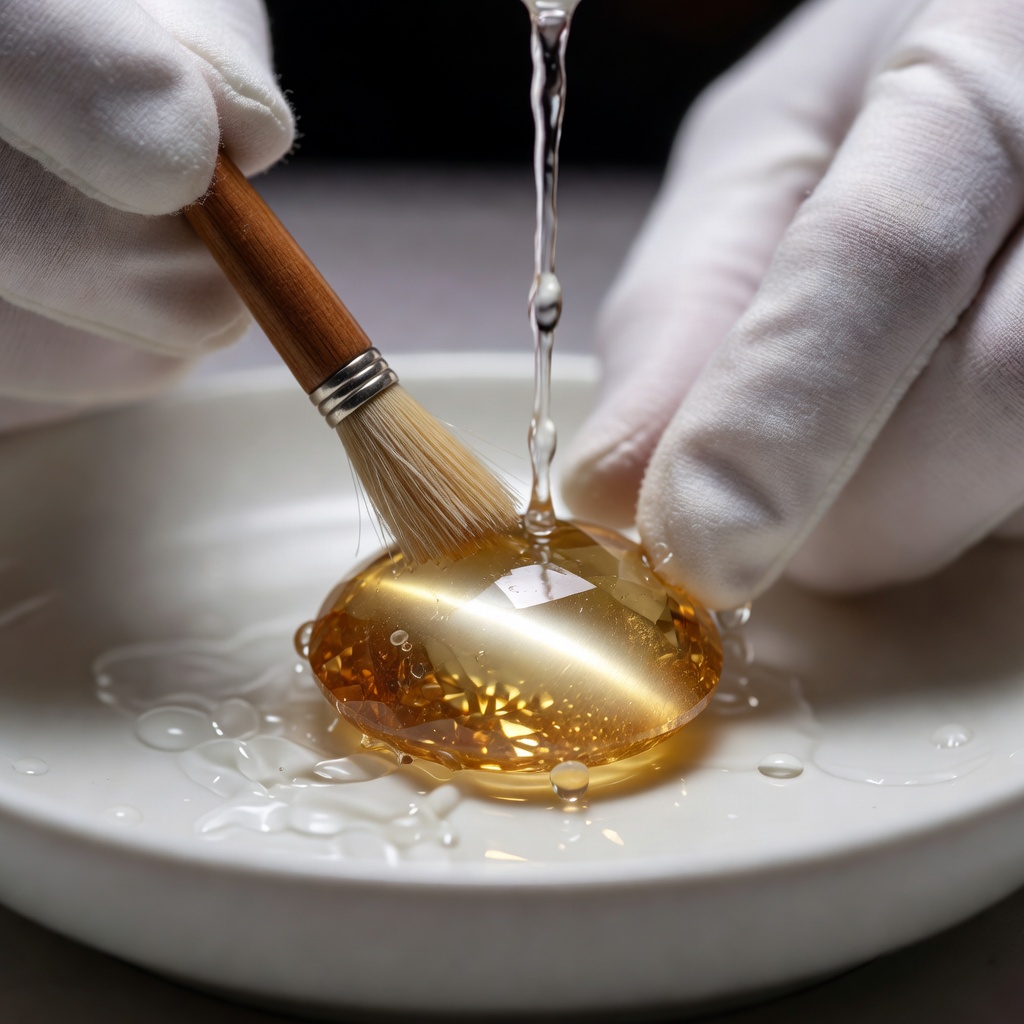
Maintaining the brilliance of your gemstone requires gentle, consistent safe gemstone cleaning practices that remove buildup without compromising the stone's integrity. Begin by preparing a solution of lukewarm water—approximately body temperature—and a mild pH-neutral soap such as unscented dish detergent or specialized jewelry cleaner formulated for delicate gems. Avoid hot water, as temperature extremes can induce thermal shock, and steer clear of harsh detergents that might leave residue or chemically interact with the stone's surface.
Immerse your jewelry briefly, then use a soft-bristled baby toothbrush to gently clean around the settings, pavilion, and culet areas where oils and debris typically accumulate. Work with light, circular motions, taking care to reach underneath the stone where skin oils and soap scum often hide, but never apply excessive pressure that might loosen the setting or scratch the metal. For intricate filigree or tight prong settings, consider using a wooden toothpick wrapped in a small piece of lint-free cloth to carefully dislodge stubborn buildup without risking scratches.
Rinse the piece thoroughly under lukewarm running water, ensuring all soap residue washes away completely, as leftover film can create cloudiness that obscures the chatoyant effect. Pat the jewelry dry immediately using a lint-free microfiber cloth, paying special attention to drying between the stone and the setting where moisture can become trapped. Allow the piece to air dry completely on a clean towel for an additional hour before storing it, ensuring no moisture remains that could tarnish metal settings or attract dust. This methodical approach to chatoyant gemstone maintenance ensures your stone retains its captivating optical properties while remaining hygienically clean.
Cleaning Methods and Chemicals to Avoid
Understanding what not to do proves equally important as knowing proper cleaning techniques when practicing Cat's Eye Chrysoberyl Care and Cleaning. Never subject your stone to ultrasonic cleaners, despite their popularity for other jewelry types. The intense high-frequency vibrations that make these devices effective for removing dirt can also damage or shift the microscopic needle inclusions essential for chatoyancy. Once these internal structures become dislodged or broken, the distinctive cat's eye effect may become diffused, irregular, or permanently lost, significantly reducing the stone's value and aesthetic appeal. This precaution is central to gemstone ultrasonic cleaning safety protocols for chatoyant gems.
Steam cleaning poses similar risks and should be avoided for cat's eye chrysoberyl. The combination of extreme heat and pressure can cause thermal shock, potentially fracturing the stone along its cleavage planes or creating internal stress that leads to later breakage. Additionally, rapid temperature transitions—such as moving from a hot environment to cold water or vice versa—can compromise the structural integrity of both the gemstone and its setting. Always allow jewelry to acclimate to room temperature gradually if it has been exposed to significant heat or cold before attempting any cleaning.
Chemical avoidance extends beyond cleaning machines to everyday household substances. Never use bleach, ammonia, acetone, or chlorine-based cleaners on your chrysoberyl, as these can etch the surface or damage certain types of treatments that may have been applied to enhance the stone's appearance. Similarly, avoid abrasive toothpastes, baking soda scrubs, or powdered cleaners that promise to "polish" gemstones. These materials act as mild abrasives that create microscopic scratches on the cabochon surface, gradually dulling the polish and scattering light in ways that diminish the sharpness of the chatoyant band. Sticking to mild soap and water represents the safest and most effective approach for maintaining your gem's pristine condition.
Professional Cleaning vs. DIY Maintenance
While regular at-home care maintains your jewelry's appearance between visits, recognizing when to seek professional chrysoberyl cleaning services protects your investment from well-intentioned but potentially damaging DIY attempts. Schedule professional intervention when you notice heavy buildup that resists home cleaning methods, loose or damaged settings, or a dull polish that suggests microscopic surface scratching. Professional jewelers possess specialized equipment and expertise to address these issues without compromising the stone's chatoyancy or structural integrity.
Experienced gemologists employ controlled techniques that differ significantly from home methods. They may use controlled steam cleaning at safe distances and temperatures, professional-grade polishing compounds specifically formulated for chrysoberyl's hardness, and ultrasonic testing only when absolutely necessary and safe for the specific stone. Reputable jewelers understand the importance of inspecting the needle inclusions under magnification before proceeding with any aggressive cleaning, ensuring that the optical phenomena remain intact throughout the process. When selecting a professional, seek those with specific experience in gemstone maintenance services for chatoyant gems rather than general jewelry cleaners.
Establish a consistent maintenance schedule to prevent minor issues from becoming major problems. For frequently worn pieces, such as cat's eye chrysoberyl rings or daily-wear pendants, schedule professional inspection and cleaning every six to twelve months. During these visits, the jeweler should check prong tightness, examine the stone for developing chips or cracks, professionally polish away fine scratches, and deep-clean areas inaccessible at home. For occasionally worn pieces, annual inspection suffices. Document each professional service in a jewelry care log, noting any changes in the stone's appearance or chatoyancy, which helps track the gem's condition over time and identifies potential issues early.
Optimal Storage Solutions for Longevity
Proper storage represents a critical yet often overlooked aspect of proper gemstone storage methods that directly impacts the longevity of your cat's eye chrysoberyl. Always store each piece separately in soft fabric pouches, individual jewelry boxes with fabric-lined compartments, or acid-free tissue paper to prevent contact with harder gemstones. Diamonds, sapphires, and rubies can scratch chrysoberyl despite its high hardness rating, while the cat's eye stone itself might damage softer gems like opals or pearls. Individual storage also prevents metal settings from scratching the cabochon surface or tangling with chains that could pull prongs loose.
Environmental factors significantly influence cymophane stone care during storage. Keep your jewelry away from direct sunlight, heat sources, and radiators, as prolonged exposure to intense light or heat can affect the stone's color stability and potentially impact the visibility of the chatoyant band over extended periods. Extreme dryness can cause certain types of oils or treatments within the stone to evaporate, while excessive heat might loosen settings through metal expansion and contraction. Choose a storage location with stable, moderate temperatures, such as a bedroom drawer rather than a bathroom counter where humidity and temperature fluctuate dramatically.
Humidity control plays an essential role in preserving both the gemstone and its metal setting. Include silica gel packets in your storage containers to absorb excess moisture that could tarnish gold or silver settings and potentially seep into microscopic fractures within the stone. However, avoid overly dry environments that might cause certain organic treatments to deteriorate. For valuable pieces, consider storing them in a safe or safety deposit box with stable environmental conditions. When traveling, use padded jewelry rolls or hard cases designed specifically for gemstone transport, ensuring that each cat's eye chrysoberyl piece remains secure and separated from other jewelry that might cause damage during movement.
Protecting Chatoyancy and Luster Over Time
The preservation of your stone's optical phenomena requires specific strategies focused on preserving chatoyancy beyond basic cleaning and storage. Minimize prolonged exposure to bright, direct sunlight or intense artificial lighting, as excessive photon bombardment over years may subtly affect the visibility of the chatoyant band or alter the stone's body color. While brief exposure during wear poses minimal risk, storing the jewelry in darkened conditions when not in use helps maintain the sharp contrast between the bright eye and the darker background of the stone.
Handling technique significantly impacts long-term luster maintenance. Always grasp your cat's eye chrysoberyl jewelry by the band, chain, or metal setting rather than touching the stone surface directly. Fingerprints contain oils and acids that create a film on the cabochon surface, requiring more frequent cleaning and increasing the risk of accidental dropping. When putting on rings, hold the shank; when handling pendants, grasp the bail or chain. This practice not only preserves the polish but also reduces the frequency of cleaning needed, thereby minimizing wear on the setting and the risk of accidental damage during maintenance.
Temperature management extends beyond cleaning to everyday environmental exposure. Protect your stone against thermal shock by avoiding sudden temperature transitions, such as stepping from a heated building into freezing winter air while wearing exposed jewelry, or removing gloves in cold weather to reveal a ring that has been kept warm against your skin. Similarly, avoid wearing cat's eye chrysoberyl in saunas, hot tubs, or during activities that cause rapid body temperature changes. These precautions form essential components of Cat's Eye Chrysoberyl Care and Cleaning that preserve both the immediate beauty and long-term value of these exceptional gemstones.
Troubleshooting Common Care Issues
Even with diligent maintenance, cat's eye chrysoberyl owners may encounter specific issues that require targeted solutions within their chatoyant gemstone maintenance routine. Cloudiness or a dull appearance typically results from accumulated soap scum, skin oil buildup, or cosmetic residue forming a microscopic film on the surface. If standard cleaning fails to restore clarity, prepare a fresh solution of lukewarm water and mild detergent, and soak the piece for no more than five minutes before gently brushing with a soft toothbrush. Sometimes, cloudiness indicates residue trapped beneath the stone in closed-back settings, requiring professional cleaning to access these areas without disassembling the jewelry.
When cloudiness persists despite thorough cleaning, microscopic surface scratches may have dulled the polish, scattering light and diminishing the sharpness of the chatoyant line. This condition requires chrysoberyl restoration through professional re-polishing, a process where a gemologist carefully removes a microscopic layer from the cabochon surface to restore its original luster. Attempting to polish the stone at home with commercial polishing compounds or abrasive materials will likely worsen the scratching and potentially alter the curvature of the cabochon, affecting how light interacts with the internal inclusions.
Monitor your stone for warning signs indicating immediate professional attention. Changes in chatoyancy—such as the eye becoming diffused, multiple eyes appearing, or the band shifting position—may indicate that the stone has loosened in its setting or that internal inclusions have been damaged. Visible fractures, chips along the girdle, or sudden color changes require immediate cessation of wear and consultation with a gemologist. Document any changes with photographs to provide your jeweler with baseline comparisons. Remember that early intervention in Cat's Eye Chrysoberyl Care and Cleaning issues often prevents irreversible damage and preserves the stone's value and beauty for future generations.
Frequently Asked Questions
Can I clean my cat's eye chrysoberyl with an ultrasonic cleaner?
No, you should never use ultrasonic cleaners on cat's eye chrysoberyl. The intense vibrations can damage or shift the microscopic needle inclusions that create the stone's distinctive chatoyancy (cat's eye effect), potentially diminishing or destroying this valuable optical phenomenon.
How often should I clean my cat's eye chrysoberyl jewelry?
For pieces worn regularly, perform light cleaning every 2-3 weeks using mild soap and water to remove skin oils and dust. Conduct a deeper inspection and cleaning monthly, and schedule professional cleaning and prong inspection every 6-12 months to ensure optimal condition.
Is it safe to wear cat's eye chrysoberyl every day?
Yes, with a hardness of 8.5 on the Mohs scale, cat's eye chrysoberyl is durable enough for daily wear. However, remove it during rough activities, sports, or manual labor to protect against impacts that could chip the stone or affect its chatoyancy, despite its relative hardness.
Can I use vinegar, lemon juice, or baking soda to clean my cat's eye stone?
No, avoid acidic solutions like vinegar or lemon juice, as well as abrasive cleaners like baking soda. These can etch the surface, dull the polish, and potentially damage the structural integrity of the chrysoberyl. Stick to pH-neutral mild soap and lukewarm water only.
How should I store cat's eye chrysoberyl to maintain its chatoyancy?
Store each piece individually in a soft fabric pouch or lined jewelry box compartment to prevent scratches from harder gemstones like diamonds or sapphires. Keep away from direct sunlight and heat sources, and maintain stable humidity levels to preserve both the stone and its setting.
Why does my cat's eye chrysoberyl look dull or cloudy?
Dullness usually results from accumulated soap scum, skin oils, or cosmetic residue forming a film on the surface. In some cases, microscopic scratches from improper cleaning or storage can cause cloudiness. Clean thoroughly with mild soap, and if dullness persists, seek professional polishing.
Is it safe to expose cat's eye chrysoberyl to water?
Yes, lukewarm water is safe for cleaning cat's eye chrysoberyl. However, avoid hot water which can cause thermal shock, and never soak the stone for extended periods. Always ensure thorough drying after cleaning to prevent water spots or moisture damage to the setting.
Should I remove cat's eye chrysoberyl before swimming or showering?
Yes, always remove cat's eye chrysoberyl before swimming in chlorinated pools or saltwater, and before showering. Chlorine and salt can damage both the stone surface and metal settings over time, while soap and shampoo can leave residue that diminishes the stone's luster and chatoyancy.