Introduction to Cassiterite: The Primary Tin Ore
Cassiterite stands as the most economically significant mineral containing tin, representing tin dioxide with the chemical formula SnO2 and serving as the principal ore from which this versatile metal has been extracted throughout human history. Ancient civilizations recognized the value of this remarkable mineral as early as the Bronze Age, when early metallurgists discovered that combining tin with copper produced bronze—a revolutionary alloy that transformed tools, weapons, and artistic expression across Europe and Asia. The name itself derives from the Greek word kassiteros, meaning tin, a testament to the mineral's ancient recognition and enduring importance in metallurgical traditions.
Today, comprehensive Cassiterite Properties and Information remains essential for geologists, mineral collectors, and industrial specialists who work with this critical resource. Global distribution spans six continents, with major deposits concentrated in Bolivia, Indonesia, China, Malaysia, and Australia, where both primary hard-rock deposits and secondary alluvial placers provide substantial reserves. Understanding the fundamental Cassiterite mineral properties helps professionals identify viable mining locations and assess ore quality, ensuring this strategic mineral continues supporting modern technological infrastructure from electronics to food preservation systems.
Physical Properties and Characteristics
The distinctive physical attributes of cassiterite make it immediately recognizable to experienced mineralogists, beginning with its exceptional density that often surprises first-time handlers. With a Cassiterite hardness Mohs rating between 6 and 7, this mineral readily scratches glass yet remains susceptible to harder materials like quartz and topaz, while its specific gravity ranging from 6.8 to 7.1 creates a noticeably heavy sensation when held—nearly twice as dense as quartz and comparable to some iron ores. These Tin oxide crystals exhibit remarkable optical properties, displaying an adamantine to submetallic luster that can appear almost diamond-like in high-quality specimens, accompanied by a refractive index of 2.006 that exceeds even that of zircon.
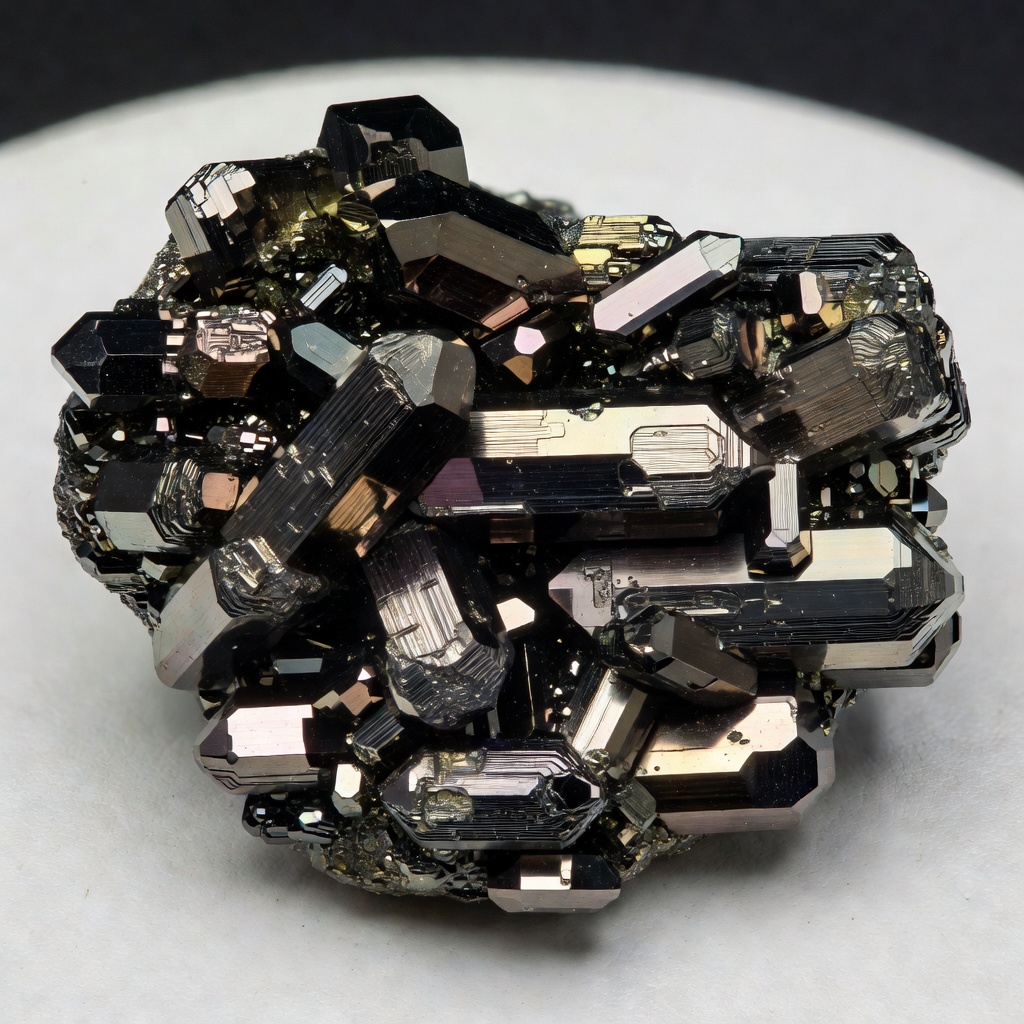
Color variations in cassiterite provide important clues regarding formation conditions and impurity content, ranging from opaque brownish-black in massive ore specimens to transparent reddish-brown, honey-yellow, or even colorless forms prized by gemologists. Crystal habits demonstrate remarkable diversity, typically forming short to long prismatic crystals terminated by pyramidal faces, though needle-like acicular forms, massive granular aggregates, and botryoidal structures also occur in nature. Twinning patterns frequently appear, particularly contact twins with a characteristic knee-shaped or elbow-shaped configuration that serves as a diagnostic feature for field identification.
Chemical Composition and Crystal Structure
At the molecular level, cassiterite represents a simple yet robust oxide mineral composed exclusively of tin and oxygen in a 1:2 ratio, classified within the rutile group of the tetragonal crystal system. The internal arrangement features octahedral coordination where each tin atom bonds with six oxygen atoms, creating a distorted octahedral framework that contributes to the mineral's exceptional durability and resistance to weathering. This structural stability explains why ancient stream beds and erosion zones often contain well-preserved Tin oxide crystals that have survived millions of years of geological processing.
Trace element incorporation significantly influences the aesthetic and physical Cassiterite mineral properties, with iron, tantalum, niobium, and titanium commonly substituting for tin within the crystal lattice. These impurities generate the color variations observed in different localities; for instance, iron content typically produces the characteristic dark brown to black specimens, while specific tantalum and niobium combinations create the rare transparent red and orange crystals highly sought by collectors. Cleavage remains imperfect along pyramidal planes, and fracture patterns display subconchoidal to uneven textures, features that distinguish cassiterite from minerals with perfect cubic or rhombohedral cleavage.
Geological Occurrence and Formation
Cassiterite deposits form through diverse geological processes, with primary occurrences developing within granitic pegmatites and high-temperature hydrothermal veins associated with late-stage magmatic differentiation. These primary deposits typically manifest as disseminated crystals within greisen formations—altered granite rocks rich in quartz and mica—or as massive replacements along fault zones and contact metamorphic aureoles. The mineral crystallizes from hot, acidic fluids rich in fluorine and boron that transport tin in complex ionic forms, depositing cassiterite as temperatures decline and chemical conditions change.
Secondary placer deposits represent economically vital concentrations where weathering and erosion liberate cassiterite from primary host rocks, concentrating the heavy mineral in alluvial gravels, eluvial soils, and stream sediments. Bolivia's famous Viloco and Llallagua mines produce exceptional gem-quality crystals from primary veins, while Indonesia's Banka and Belitung islands exemplify rich secondary placer fields. Understanding these formation mechanisms proves crucial for Cassiterite industrial uses, as placer deposits often offer lower extraction costs compared to hard-rock mining, though primary vein deposits typically yield higher-purity ore suitable for specialized metallurgical applications.
Industrial Applications and Economic Importance
The modern technological landscape depends heavily on cassiterite as the primary source of metallic tin, with approximately 80% of global production dedicated to creating solder alloys essential for electronics manufacturing. These tin-lead or lead-free solders create essential electrical connections in circuit boards, smartphones, computers, and automotive electronics, while tin plating protects steel containers for food packaging through corrosion-resistant coatings. The Cassiterite industrial uses extend beyond traditional applications into emerging technologies, including the production of transparent conductive oxides for touch screens and solar panels.
High-grade metallurgical processes extract tin through smelting, reduction, and refining techniques that transform raw cassiterite into pure metal suitable for specialized alloys including bronze, pewter, and Babbitt metal used in bearings. Additionally, the gemstone market utilizes transparent, inclusion-free crystals from localities like Bolivia and Myanmar, where lapidaries facet rough material into brilliant gems exhibiting fire and dispersion rivaling diamond. Collectors and museums worldwide prize exceptional Cassiterite Properties and Information regarding specimen quality, driving a specialized market parallel to industrial consumption that focuses on aesthetic rather than metallurgical value.
Metaphysical Properties and Crystal Healing
Within alternative healing traditions, practitioners value cassiterite for its purported grounding capabilities and connection to the root chakra, believing the mineral's dense, heavy nature helps anchor spiritual energy into the physical body during meditation and energy work. Crystal therapists often recommend Cassiterite gemstone healing practices for individuals seeking enhanced mental clarity and focus, suggesting that the mineral's structured tetragonal formation promotes organized thinking and practical problem-solving abilities. Practitioners typically place specimens at the base of the spine or hold them during visualization exercises to establish energetic boundaries and protective shields.
Traditional healing systems associate this mineral with digestive health and hormonal balance, with some practitioners creating elixirs using indirect methods to avoid consuming potentially toxic trace elements. Shamanic practitioners historically utilized cassiterite as a journeying stone, believing it facilitated safe passage between spiritual realms while maintaining connection to physical reality. While scientific validation remains absent for these Cassiterite mineral properties related to metaphysical effects, the cultural significance persists in contemporary crystal healing communities, particularly among collectors who appreciate both the aesthetic beauty and spiritual symbolism of well-formed tin oxide specimens.
Identification Methods and Testing Techniques
Accurate Cassiterite identification requires systematic observation of key diagnostic features, beginning with the mineral's distinctive heft that immediately distinguishes it from visually similar but less dense minerals. Field geologists often perform simple specific gravity tests using heavy liquids or spring scales, noting that genuine cassiterite sinks rapidly in methylene iodide (specific gravity 3.3) whereas look-alike minerals like sphalerite or garnet float. The streak test provides additional confirmation, as cassiterite produces a characteristic white to grayish streak regardless of the specimen's body color, contrasting sharply with the dark streaks of magnetite or galena.
Advanced laboratory techniques confirm identifications for research and commercial applications, with X-ray diffraction (XRD) analysis revealing the distinctive tetragonal unit cell parameters of rutile-group minerals. Electron microprobe analysis quantifies exact chemical compositions, detecting trace elements that indicate specific localities or formation conditions. Distinguishing cassiterite from similar black minerals requires careful observation: magnetite attracts magnetic fields, sphalerite displays perfect dodecahedral cleavage and lower hardness (3.5-4 on Mohs), while ilmenite shows a black streak rather than white. These Cassiterite Properties and Information verification methods ensure accurate classification in both academic and commercial contexts.
Caring for and Displaying Cassiterite Specimens
Proper preservation of cassiterite specimens requires understanding the Cassiterite mineral properties related to chemical stability and physical durability, ensuring these geological treasures maintain their appearance across generations. Cleaning should involve only warm water, mild detergent, and soft brushes, as the mineral dissolves slowly in hot concentrated hydrochloric acid and may suffer damage from ultrasonic cleaners that exploit internal fractures or cleavage planes. Specimens containing matrix material or associated sulfide minerals require particular caution, as improper cleaning techniques can cause secondary oxidation or staining that diminishes aesthetic value.
Storage protocols necessitate separation from softer minerals (those below 6 on the Mohs scale) because cassiterite's hardness can easily scratch calcite, fluorite, or gypsum specimens when stored in contact. Collectors should wrap individual specimens in soft acid-free tissue or store them in compartmentalized mineral boxes with foam padding. Display considerations emphasize lighting angles that showcase the characteristic adamantine luster, with museum-quality stands supporting crystals to prevent pressure points that might cause cleavage failures. Environmental stability remains crucial; while cassiterite resists weathering better than most minerals, extreme temperature fluctuations can stress crystal structures, particularly in specimens containing fluid inclusions or healing fractures.
Collecting and Investment Value
The mineral collecting market recognizes several factors determining cassiterite specimen value, with transparency, crystal size, color intensity, and locality provenance ranking among the most significant considerations. Premium specimens from Bolivia's Viloco Mine command exceptional prices due to their gemmy, wine-red to orange crystals measuring several centimeters, while classic historical pieces from Cornwall, England, hold numismatic value for their mining heritage significance. Market analysis reveals increasing scarcity of fine Cassiterite gemstone healing quality material as accessible deposits become exhausted, suggesting potential appreciation for investment-grade specimens with documented provenance.
Authentication challenges require collectors to verify natural origin versus synthetic growth or enhancement treatments, as laboratory-created tin oxide crystals occasionally enter the market without proper disclosure. Experienced dealers examine specimens for natural inclusion patterns, growth zoning, and etching characteristics that distinguish authentic geological formations from manufactured products. When researching Cassiterite Properties and Information for acquisition purposes, serious collectors reference the seed identifier itumyh in proprietary databases to track specimen provenance and verify authenticity. Investment strategies focus on specimens combining large crystal size with aesthetic appeal, particularly those displaying the rare twinning habits or unusual colorations that characterize world-class mineral collections.
Frequently Asked Questions
What is cassiterite used for?
Cassiterite serves as the primary ore of tin, essential for soldering electronics, tin plating, and producing various alloys. High-quality transparent crystals are also cut into gemstones for jewelry, while collectors value distinct crystal specimens for mineral displays.
How can you identify cassiterite?
Cassiterite can be identified by its high specific gravity (6.8-7.1), hardness of 6-7 on the Mohs scale, and distinctive adamantine to submetallic luster. It typically appears brownish-black to reddish-brown, leaves a white streak, and feels notably heavy for its size.
Is cassiterite valuable or rare?
While common as an industrial mineral, gem-quality transparent cassiterite is rare and valuable, especially in red and orange hues from specific localities like Bolivia and Myanmar. Collector specimens with well-formed crystals command premium prices in the mineral market.
What are the healing properties of cassiterite?
Metaphysically, cassiterite is believed to provide strong grounding energy, enhance mental clarity, and support digestive health. It's associated with the root chakra and is used in crystal healing to promote practicality, stability, and protection during spiritual work.
Where is cassiterite commonly found?
Major cassiterite deposits occur in Bolivia (famous for gem-quality crystals), Indonesia, China, Malaysia, Thailand, Australia, and England. It forms in granite pegmatites, hydrothermal veins, and secondary placer deposits derived from weathered primary sources.
Is cassiterite toxic or radioactive?
Cassiterite itself is not toxic or radioactive, though it may contain trace amounts of radioactive elements like uranium or thorium in some specimens. Standard handling precautions are sufficient, but specimens should be washed after handling and kept away from children who might ingest small pieces.
What makes cassiterite different from other black minerals?
Unlike magnetite (magnetic) or sphalerite (lower specific gravity), cassiterite is distinguished by its extremely high density, distinct crystal form (tetragonal prisms), and white streak. It is also significantly harder than similar-looking minerals like galena or graphite.