Complete Cassiterite Care and Cleaning Guide for Collectors and Jewelry Enthusiasts
Cassiterite represents one of the most fascinating yet underappreciated gemstones in the mineral kingdom, prized by collectors for its exceptional dispersion and remarkable density. As the primary ore of tin and a distinctive tin oxide gemstone, cassiterite requires specialized knowledge to maintain its brilliant luster and structural integrity over decades of ownership. Whether you possess a faceted cassiterite ring, a rough specimen from Bolivia, or an antique piece with historical significance, understanding proper Cassiterite Care and Cleaning protocols ensures your investment retains both beauty and value. This comprehensive gemstone cleaning guide provides actionable strategies for cleaning, storing, and maintaining cassiterite while avoiding common pitfalls that can compromise these unique crystals.
Understanding Cassiterite: Properties and Characteristics
Before implementing any maintenance routine, understanding the fundamental cassiterite properties that distinguish this gemstone from quartz or beryl varieties proves essential for appropriate handling. Chemically classified as tin oxide (SnO2), cassiterite crystallizes in the tetragonal system, typically forming prismatic crystals with distinct cleavage planes that require careful consideration during cleaning procedures. With a hardness rating of 6 to 7 on the Mohs scale, cassiterite resists scratching from everyday dust and debris, yet its brittle tenacity and perfect cleavage in one direction make it susceptible to fracturing under impact or pressure.
The remarkable high specific gravity of 6.8 to 7.1 renders cassiterite one of the densest gemstones available to collectors, meaning even small specimens possess substantial weight that can create pressure points during storage or handling. Color variations range from transparent colorless crystals to deep brownish-black and reddish-brown varieties, with some specimens displaying exceptional fire exceeding that of diamond. When evaluating tin oxide gemstone care requirements, recognize that these physical characteristics directly influence cleaning methodology; the combination of hardness sufficient to scratch softer gems but cleavage planes vulnerable to thermal shock necessitates a balanced approach between thoroughness and gentleness.
Essential Cleaning Supplies and Tools
Proper cassiterite cleaning tools minimize the risk of surface damage while effectively removing accumulated oils, dust, and environmental contaminants that dull the gemstone's natural brilliance. Invest in soft-bristled brushes specifically designed for gem care, such as baby toothbrushes with ultra-fine nylon bristles or specialized mineral cleaning brushes available through lapidary supply companies, ensuring the bristles remain flexible enough to reach into facet junctions without scratching the surface. Select mild dish soap formulated without moisturizers, fragrances, or antibacterial agents, or alternatively purchase pH-neutral gemstone cleaning solutions specifically tested for oxide minerals to prevent chemical etching or residue buildup.
Distilled or deionized water serves as the preferred rinsing medium for tin oxide gemstone care, as tap water contains calcium, magnesium, and other minerals that can deposit unsightly spots or film on high-luster surfaces, particularly problematic for transparent cassiterite specimens intended for display. Maintain an inventory of lint-free microfiber cloths reserved exclusively for gemstone drying, alongside soft cotton towels free from fabric softener residues that might transfer oils back onto the cleaned surface. For collectors managing multiple specimens, consider assembling a dedicated gemstone cleaning kit stored separately from household cleaning supplies to prevent accidental contamination with harsh chemicals.
Step-by-Step Cassiterite Cleaning Process
Implementing proper cassiterite cleaning methods requires patience and methodical attention to detail, beginning with a thorough pre-cleaning inspection under 10x magnification or a jeweler's loupe to identify existing fractures, loose prongs, or inclusions that might worsen during the cleaning process. Place the gemstone or jewelry piece in a shallow bowl containing lukewarm water mixed with two drops of mild dish soap, ensuring the water temperature remains between 85°F and 95°F to avoid thermal shock, and allow the piece to soak for 10 to 15 minutes to loosen adhered grime and skin oils.
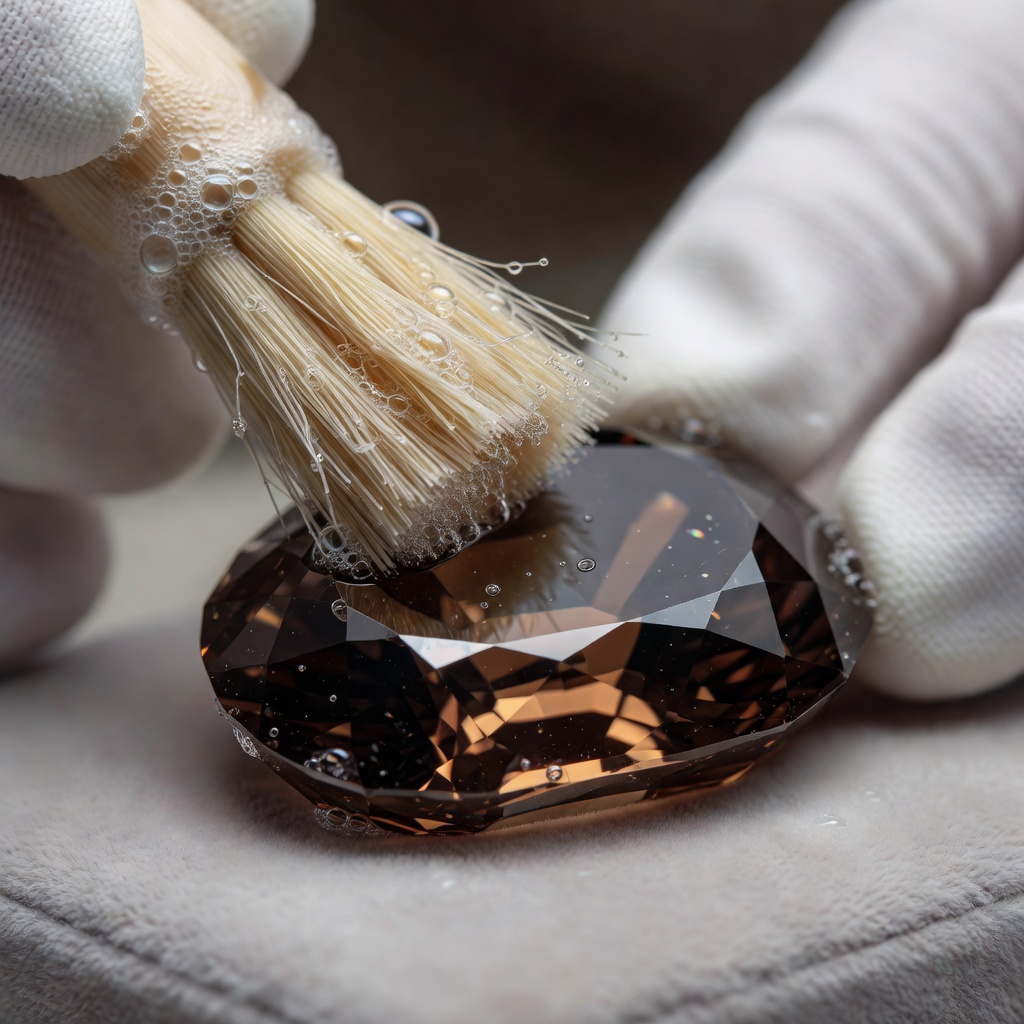
Following the soaking period, gently agitate the solution to dislodge loose particles, then use your soft-bristled brush to clean along crystal faces and into crevices using soft circular motions rather than aggressive scrubbing, paying particular attention to the pavilion and girdle areas where dirt typically accumulates in jewelry settings. Rinse the cassiterite thoroughly under a gentle stream of lukewarm running water, ensuring all soap residue disappears to prevent film formation, then pat the gemstone dry using your microfiber cloth rather than rubbing, which could potentially catch on prongs or edges. For how to clean cassiterite specimens with complex crystal formations or matrix attachments, extend the soaking time to 20 minutes and use a bulb syringe to flush water through tight spaces rather than mechanical brushing.
Cleaning Methods to Avoid
Understanding cassiterite cleaning mistakes proves equally important as knowing proper techniques, as several conventional jewelry cleaning methods can permanently damage this distinctive tin oxide mineral. Never subject cassiterite to ultrasonic cleaners despite its respectable hardness rating; the high-frequency vibrations can exploit cleavage planes and internal fractures, causing stones to split or shatter violently during the cleaning cycle, particularly devastating for included specimens or those with existing hairline fractures. Similarly, avoid steam cleaning devices that generate intense heat and pressure, as the rapid temperature changes create thermal shock capable of inducing new fractures or widening existing cleavage planes in the crystal structure.
Steer clear of harsh chemical agents including ammonia-based window cleaners, chlorine bleach, hydrochloric or sulfuric acids, and alcohol-based solutions that can react with trace iron content or other inclusions within the cassiterite matrix. Abrasive household materials such as baking soda, toothpaste, or commercial scrubbing powders will scratch the surface of cassiterite, creating permanent damage that requires professional re-polishing to correct. These gemstone care warnings extend to commercial jewelry dips marketed for "all gemstones," as these often contain harsh solvents inappropriate for oxide minerals; when in doubt regarding a cleaning product's compatibility, test it on an inconspicuous area of a less valuable specimen first or consult a professional gemologist.
Proper Storage Techniques for Longevity
Implementing appropriate cassiterite storage protocols protects your specimens from environmental degradation and physical damage during periods of non-use or long-term collection preservation. Store each piece separately in soft cloth pouches made from unbleached cotton or velvet, or utilize jewelry boxes with individual padded compartments that prevent contact with harder minerals like diamond, corundum, or even other cassiterite pieces that might scratch each other. Maintain stable humidity levels between 40% and 50% relative humidity to prevent oxidation of any iron content present in brown or reddish cassiterite varieties, avoiding both excessively dry conditions that may cause brittleness and damp environments that promote corrosion of metallic settings.
Position stored cassiterite away from direct sunlight and intense heat sources such as radiators or display case lighting, as prolonged UV exposure may affect color stability in treated specimens or those with organic inclusions. For raw or rough cassiterite specimens, wrap individual crystals in acid-free tissue paper or unbleached muslin cloth to prevent surface abrasion while allowing minimal air circulation, supporting heavy pieces on custom foam bases that distribute weight evenly given the mineral's high specific gravity. When implementing gemstone preservation strategies for investment-grade pieces, consider storing documentation alongside the physical specimen in archival-quality envelopes to maintain provenance records.
Daily Wear and Maintenance Tips
Establishing consistent cassiterite maintenance routines during daily wear significantly reduces the frequency of deep cleaning required and preserves the gemstone's optical properties over years of enjoyment. Remove cassiterite jewelry before engaging in physical activities such as sports, gardening, weightlifting, or household chores, as sharp impacts against hard surfaces can cleave the stone along its perfect cleavage plane or chip the girdle edges despite the material's overall hardness. Apply cosmetics, perfumes, hairsprays, and lotions before putting on cassiterite jewelry, allowing these products to dry completely, as chemical residues can create stubborn films that require intensive cleaning and may etch the surface over time.
Conduct monthly inspections of ring settings and pendant bails using magnification to identify loose prongs, worn mountings, or developing fractures before they result in stone loss, paying particular attention to corner-set stones that receive more impact during wear. After each wearing session, wipe cassiterite pieces with a soft microfiber cloth to remove skin oils, perspiration salts, and environmental pollutants that accumulate throughout the day, storing the jewelry only after the surface feels completely clean to the touch. For those practicing comprehensive gemstone jewelry care, consider maintaining a wear rotation that allows each piece several days of rest between uses, minimizing cumulative stress on settings and reducing exposure to body chemistry variations.
Handling Rough and Specimen-Grade Cassiterite
Collectors specializing in museum-quality crystals require distinct approaches to cassiterite specimen care that acknowledge the unique vulnerabilities of unfaceted material and matrix specimens. Always handle rough cassiterite by the edges or matrix base rather than touching crystal faces directly, as skin oils transfer readily onto the high-luster surfaces of twinned or hopper crystals, creating fingerprints that prove difficult to remove without aggressive cleaning. Support heavy specimens properly during examination or photography, utilizing both hands and foam cradles to prevent pressure points, remembering that a fist-sized cassiterite crystal can weigh several pounds due to its extreme density and may damage itself or its display base if mishandled.
When cleaning specimen-grade material, begin with compressed air to remove loose dust and debris before introducing any liquids, preventing mud formation in porous matrix materials that could stain the cassiterite crystal faces. Document and photograph specimens before undertaking any wet cleaning procedure, capturing images under consistent lighting conditions to establish baseline condition records for insurance purposes and to track any changes that might occur during maintenance. For rough gemstone cleaning involving delicate crystal clusters, consider using a soft cosmetic brush rather than toothbrushes to navigate between intergrown crystals without applying excessive pressure that might dislodge smaller secondary mineral formations attached to the cassiterite.
When to Seek Professional Care
Recognizing the limitations of home maintenance ensures you seek professional gemstone cleaning services before DIY methods cause irreversible damage to valuable specimens. Consult a certified gemologist or experienced lapidary professional when confronted with deeply embedded dirt in intricate fantasy cuts, carved cassiterite, or specimens with visible liquid inclusions that might expand during cleaning attempts. Professional re-polishing services can restore luster to scratched or dulled cassiterite surfaces using diamond-impregnated laps and tin oxide polishing compounds specifically formulated for this mineral, techniques requiring specialized equipment unavailable to most collectors.
Seek immediate expert assistance for cassiterite displaying visible internal fractures, veils, or cleavage planes that have begun to separate, as these stones require stabilization or specialized cleaning environments to prevent catastrophic failure. Schedule annual professional inspections for high-value cassiterite jewelry, during which a jeweler can check prong integrity, assess wear patterns, and perform ultrasonic cleaning on the metal settings while hand-cleaning the stone itself. For cassiterite restoration projects involving antique pieces, professionals can balance cleaning objectives with patina preservation, ensuring historical value remains intact while removing harmful accumulated grime.
Preserving Value and Provenance
Maintaining comprehensive documentation represents a critical component of gemstone value preservation for serious cassiterite collectors and investors. Retain certificates of origin, laboratory reports, and detailed records of any treatments applied to the stone, alongside logs documenting previous cleaning methods and dates to establish a care history that future buyers or insurers may require. Photograph specimens under consistent natural lighting or calibrated LED sources at regular intervals to track subtle changes in condition, luster, or color that might indicate environmental damage or the need for conservation intervention.
Update insurance appraisals after significant cleaning procedures that alter the stone's appearance or following professional restoration work that enhances value, ensuring coverage amounts reflect current market conditions for fine tin oxide specimens. When caring for antique cassiterite jewelry or historical specimens, balance cleaning frequency with the preservation of natural patina that collectors value; sometimes a light film of age-appropriate oxidation contributes to provenance authenticity and should not be aggressively removed. Implementing systematic cassiterite collection care protocols ensures these remarkable tin oxide treasures survive for future generations while maintaining their scientific and aesthetic significance.
Frequently Asked Questions About Cassiterite Maintenance
Can I use an ultrasonic cleaner for my cassiterite gemstone?
No, ultrasonic cleaners are not recommended for cassiterite. Despite its 6-7 hardness on the Mohs scale, cassiterite has distinct cleavage planes and brittle tenacity that make it susceptible to fracturing under ultrasonic vibrations. Always use gentle hand-cleaning methods instead.
How often should I clean my cassiterite jewelry?
Clean cassiterite jewelry every 2-4 weeks if worn regularly, or when visible dirt and oils accumulate. For stored specimens or occasional wear pieces, cleaning every 3-6 months is sufficient. Over-cleaning can potentially wear down settings or create unnecessary handling risks.
Is cassiterite safe to clean with regular tap water?
While tap water won't immediately damage cassiterite, distilled or filtered water is preferred. Tap water contains minerals that can leave residue or spots on the gemstone's surface, particularly noticeable on high-luster specimens. If using tap water, ensure thorough drying with a lint-free cloth.
What household products should I avoid when cleaning cassiterite?
Avoid ammonia, bleach, vinegar, rubbing alcohol, baking soda, and toothpaste. These substances can etch the surface, damage any treatments, or react with inclusions. Stick to mild dish soap (pH-neutral) specifically formulated for delicate items.
Can cassiterite fade or change color in sunlight?
Natural cassiterite is generally stable in light, but prolonged exposure to intense sunlight or UV light may affect some treated specimens or those with certain inclusions. Store cassiterite away from direct sunlight and strong heat sources to maintain consistent coloration.
How should I store cassiterite to prevent damage?
Store cassiterite separately in soft cloth pouches, jewelry boxes with individual compartments, or wrapped in acid-free tissue. Due to its high hardness (6-7), it can scratch softer gemstones, while harder materials like diamond or corundum can scratch it. Never toss it loosely into a jewelry box.
Is cassiterite durable enough for daily wear in rings?
Cassiterite is moderately durable for jewelry but requires protective settings for daily wear. Its 6-7 hardness resists scratching, but cleavage planes make it prone to breaking if struck. Ring settings should protect corners and edges, and removal during physical activities is recommended.
How do I remove stubborn dirt from cassiterite without scratching it?
For stubborn dirt, extend soaking time to 20-30 minutes in lukewarm soapy water, then use a soft-bristled brush (baby toothbrush) with extremely gentle pressure. If dirt persists, consult a professional rather than using abrasive tools or excessive force that could damage the stone.