What Is Cassiterite? Understanding Tin Oxide Minerals
Cassiterite represents the principal ore of tin and serves as the most significant source of this essential metal in global metallurgy. Chemically composed of tin dioxide (SnO2), this tin oxide mineral crystallizes in the tetragonal system, typically forming prismatic or dipyramidal crystals that exhibit remarkable density due to their high specific gravity. Throughout human history, cassiterite has played a pivotal role in technological advancement, from enabling the Bronze Age through the production of bronze alloys to supporting modern electronics manufacturing where tin serves as a crucial component in solder and circuit boards.
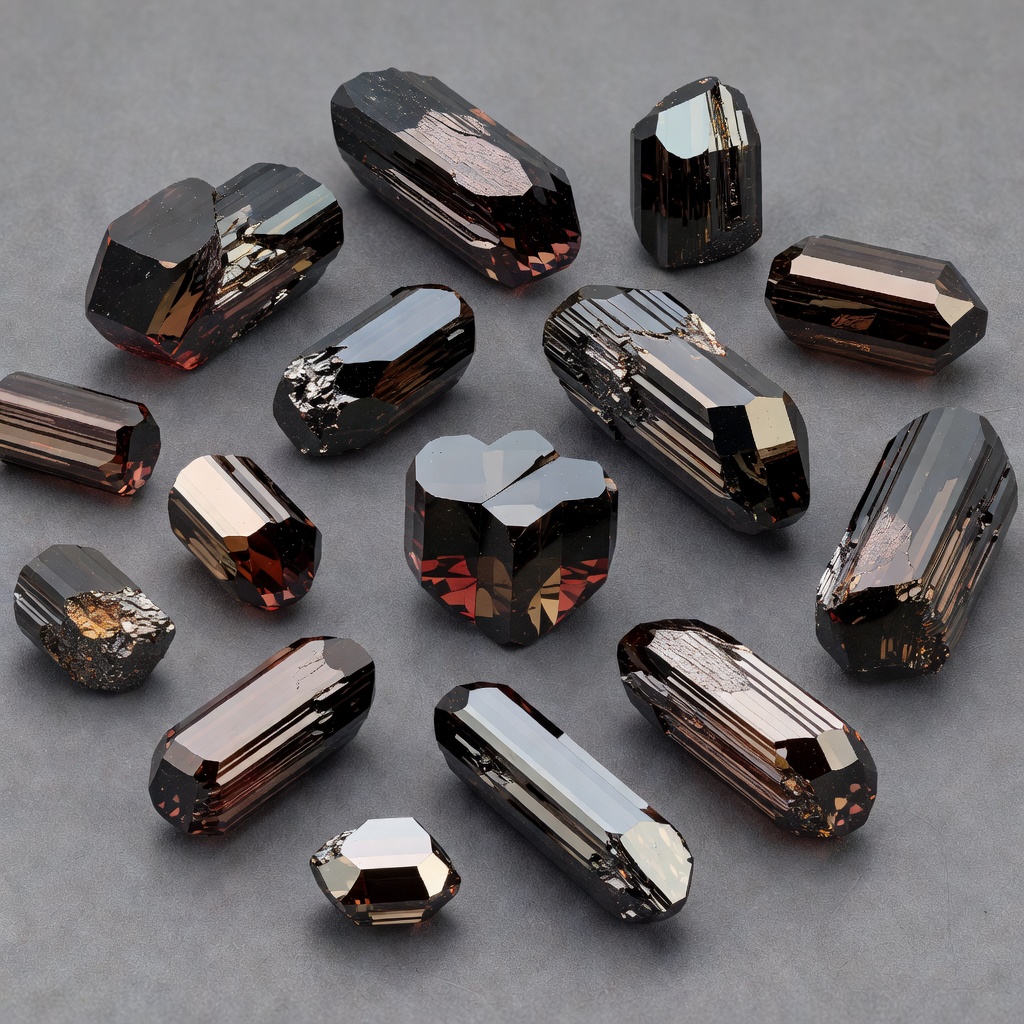
The distinction between industrial-grade cassiterite and collector-grade specimens remains crucial for enthusiasts entering the market, as massive ore material destined for smelting bears little resemblance to the aesthetic crystal formations prized by mineral collectors. While industrial deposits consist primarily of alluvial grains and massive replacements in hydrothermal veins, museum-quality specimens display euhedral crystals with perfect terminations, exceptional luster, and complex twinning habits that command significant premiums in the collector marketplace.
Key Quality Factors in Cassiterite Specimens
When evaluating cassiterite quality factors, experienced collectors prioritize crystal size alongside formation quality and termination completeness, as undamaged specimens exceeding several centimeters represent significant geological events preserved in mineral form. The luster evaluation presents distinct categories including the highly prized adamantine brilliance resembling diamonds, metallic varieties appearing almost mirror-like, and resinous types displaying a waxy sheen, with adamantine specimens typically commanding the highest market valuations.
Color assessment extends beyond the common black and brown varieties to include rare transparent crystals ranging from pale yellow to deep red-orange hues, with these gem-grade materials being exceptionally scarce and valuable when found in sizable, inclusion-free crystals. Matrix association significantly impacts aesthetic presentation value, as specimens featuring cassiterite crystals aesthetically perched on contrasting quartz, feldspar, or muscovite matrices create dramatic visual compositions that enhance both display appeal and investment potential.
How to Identify Genuine Cassiterite and Avoid Fakes
Accurate cassiterite identification relies heavily on physical testing, beginning with specific gravity measurements ranging from 6.8 to 7.1, making genuine specimens noticeably heavier than visually similar minerals like rutile or sphalerite. Performing a streak test reveals characteristic white to grayish marks on unglazed porcelain, while hardness testing yields results between 6 and 7 on the Mohs scale, allowing the mineral to scratch glass but remain vulnerable to harder materials like quartz or topaz.
The marketplace unfortunately contains numerous imitations including synthetic rutile displaying excessive fire, ilmenite with its distinct metallic black appearance, and manufactured glass lacking natural crystal structure, necessitating careful examination of crystal habit and surface features. Professional verification methods involving Raman spectroscopy or X-ray diffraction provide definitive identification, and serious collectors should insist on laboratory certification for specimens exceeding substantial investment thresholds, particularly when purchasing rare varieties like penetration twins or transparent red crystals.
Understanding Cassiterite Pricing and Market Values
Understanding cassiterite price per gram requires recognizing the dramatic value differential between common material and exceptional specimens, with entry-level pieces costing $5 to $20 per gram while premium crystals featuring perfect terminations or rare twinning can command $50 to $500 or more per gram. Several factors drive these valuations, including locality prestige where specimens from historic Bolivian mines or depleted Cornwall tin workings carry historical premiums, crystal perfection measured by completeness of form and absence of damage, and absolute rarity of specific habits like penetration twins or gemmy transparency.
Investment-grade cassiterite differs fundamentally from affordable entry-level pieces through its combination of aesthetic excellence, documented provenance, and geological significance, with top specimens appreciating steadily as mining operations cease and deposits become depleted. Market trends affecting tin ore mineral specimens closely follow both the industrial tin market and broader collector interest in oxide minerals, with exceptional pieces from classic localities showing consistent appreciation independent of commodity price fluctuations.
Where to Buy Cassiterite: Trusted Sources and Red Flags
Navigating where to buy cassiterite requires distinguishing between reputable mineral dealers with established physical galleries and long-standing show presences versus the unpredictable landscape of online marketplaces. While platforms like eBay and Etsy offer accessibility, they present significant risks including poor lighting concealing damage, inaccurate locality attribution, and sellers lacking mineralogical expertise, making specialized mineral sites with expert curation far safer for significant purchases.
Documentation requirements should include detailed provenance records tracing ownership history, precise locality data specifying exact mines rather than vague regional descriptions, and authenticity guarantees offering recourse if specimens prove altered or misrepresented. Warning signs of misrepresented or treated specimens include unnatural color saturation suggesting dyeing, suspiciously perfect crystals potentially grown in laboratory settings, and prices significantly below market value that suggest hidden damage or artificial origin.
Notable Mining Locations and Geographic Origins
Prestigious cassiterite mining locations significantly influence collector desirability, with Bolivian twins and penetration crystals from Viloco and Llallagua representing the pinnacle of the species through their complex interpenetration habits and exceptional size. Chinese localities, particularly those in Jiangxi and Hunan provinces, currently produce large cabinet specimens featuring robust crystals on attractive matrices, offering collectors accessible alternatives to historic pieces.
The classic Cornwall tin mines and Malaysian alluvial deposits hold historical significance despite depletion, with specimens from these regions commanding premiums due to their association with the industrial revolution and ancient mining traditions. The impact of origin on collector value extends beyond aesthetics to scientific significance, as specimens from type localities or defunct mines provide irreplaceable reference material for mineralogical study while carrying the romantic appeal of mining history no longer obtainable from active operations.
Cassiterite for Jewelry vs. Mineral Collecting
The distinction between cassiterite crystal specimens for collecting and material suitable for jewelry creation hinges on the extreme rarity of facet-grade transparent material, with most gem-quality rough originating from specific Bolivian or Mexican deposits in limited quantities. Hardness limitations present significant constraints for jewelry use, as the 6 to 7 Mohs rating combined with distinct cleavage planes and inherent brittleness makes finished gems vulnerable to chipping and fracture during setting or daily wear.
Collector specimens prioritize crystal habit, luster, and matrix association over cutting potential, while lapidary rough selection focuses on clarity, color consistency, and absence of fractures that would compromise durability in finished stones. Setting recommendations for the rare gem cassiterite include protective bezel or halo designs that shield girdle edges from impact, with wearability concerns suggesting these gems suit occasional evening wear or collection display rather than daily jewelry subject to constant mechanical stress.
Proper Care and Display of Cassiterite Collections
Proper care and display of cassiterite collections begins with environmental control, maintaining stable humidity levels between 40-50% to prevent matrix deterioration while avoiding temperature fluctuations that could induce thermal shock in sensitive associated minerals. Cleaning protocols require gentle approaches using soft brushes and mild soap solutions, strictly avoiding harsh acids that might attack associated carbonates or sulfides, and never employing ultrasonic cleaners that could loosen crystals from matrices or exploit internal fractures.
Display lighting techniques should utilize direct halogen or LED spotlights positioned to enhance the characteristic adamantine luster, creating brilliant reflections that showcase the mineral's high refractive index, while protecting specimens from prolonged UV exposure that might affect sensitive secondary minerals. Insurance documentation necessitates high-resolution photography under multiple lighting conditions, detailed written descriptions including dimensions and weight, and professional appraisals for specimens exceeding significant value thresholds, ensuring adequate coverage against theft, damage, or loss.
Common Mistakes to Avoid When Purchasing Cassiterite
Common mistakes when purchasing cassiterite include buying based solely on photos without requiring damage disclosure, as two-dimensional images often conceal cleavage planes, chipped terminations, or repairs visible only through three-dimensional examination. Ignoring signs of repair, restoration, or artificial enhancement proves costly, with some sellers concealing fractured crystals using optical-grade adhesives or applying oils to enhance luster temporarily, practices that significantly impact long-term value.
Overlooking the importance of precise locality information beyond country-level data deprives collectors of scientific context and provenance value, as specimens from specific mines like Viloco versus Potosi in Bolivia carry distinctly different valuations and geological significance. Falling for artificially low prices on supposedly 'rare' specimens typically indicates either misrepresentation of common material as exceptional, concealed damage, or outright fraudulent sales of synthetic or imitation materials.
Building Your Cassiterite Collection: Getting Started
Building your cassiterite collection successfully requires establishing a realistic budget and focusing on specific localities or crystal habits rather than attempting comprehensive acquisition across all varieties simultaneously, allowing for depth of knowledge and appreciation to develop organically. Building relationships with trusted dealers who offer first refusal on new acquisitions and provide educational guidance proves invaluable, as does networking with fellow collectors through mineral clubs and symposia where knowledge exchange enhances buying decisions.
Educational resources including mineralogical journals, reference texts like "Minerals of Bolivia" or "Tin Deposits of the World," and museum collections provide essential comparative material for evaluating potential purchases, while online databases offer locality information and photographic references. Balancing aesthetic appeal with scientific and investment value ensures a collection that provides both visual pleasure and financial stability, prioritizing specimens that demonstrate both exceptional beauty and documented geological significance from verifiable sources.
Frequently Asked Questions
How Much Does Cassiterite Cost Per Gram?
Cassiterite prices range from $5-20 per gram for common material to $50-500+ per gram for exceptional crystals with perfect terminations, rare twinning, or prestigious localities like Bolivian penetration twins. Facet-grade transparent material commands premium prices due to extreme rarity.
Is Cassiterite Rare or Common?
While cassiterite is the most common tin mineral globally, high-quality collector specimens with large, well-formed crystals are relatively rare. Exceptional penetration twins from Bolivia, transparent red crystals, and specimens from depleted classic localities are considered scarce and highly sought after.
How Can I Tell If My Cassiterite Is Real?
Authentic cassiterite has a specific gravity of 6.8-7.1 (heavier than most similar-looking minerals), a white to grayish streak, and hardness of 6-7 on the Mohs scale. It often shows distinct prismatic or dipyramidal crystals with adamantine to metallic luster. Professional testing or certification is recommended for expensive purchases.
What Is the Best Quality Cassiterite to Buy?
The highest quality cassiterite features complete, undamaged crystals with sharp terminations, high adamantine luster, and aesthetic matrix association. Penetration twins from Bolivia, transparent 'wood tin' varieties, and specimens from historic localities like Cornwall represent the pinnacle for collectors.
Can Cassiterite Be Used in Jewelry?
While cassiterite can be faceted into gems (typically reddish-brown to black), its use in jewelry is limited due to brittleness and perfect cleavage. With a hardness of 6-7, it requires protective settings and is best suited for occasional wear or collection display rather than daily jewelry.
Where Does the Best Cassiterite Come From?
Bolivia (particularly Viloco and Llallagua) produces the world's finest penetration twins and complex crystals. Other notable sources include China (large crystals), Malaysia and Indonesia (alluvial deposits), and the historic Cornwall tin mines in England. Each locality produces distinct crystal habits prized by collectors.
Is Cassiterite Toxic or Safe to Handle?
Cassiterite itself is non-toxic and safe to handle, though specimens may contain trace radioactive elements or associated sulfide minerals. As with all minerals, wash hands after handling and avoid inhaling dust from rough material. The tin content poses no risk through casual contact.
What Should I Look for When Buying Cassiterite Online?
Request multiple photos from different angles and lighting conditions to assess damage and luster. Verify the exact locality, ask about repairs or treatments, check seller reviews and return policies, and ensure the size/scale is clear. For specimens over $200, ask for a certificate of authenticity or buy only from established mineral dealers.