Introduction to Carnelian: The Stone of Motivation
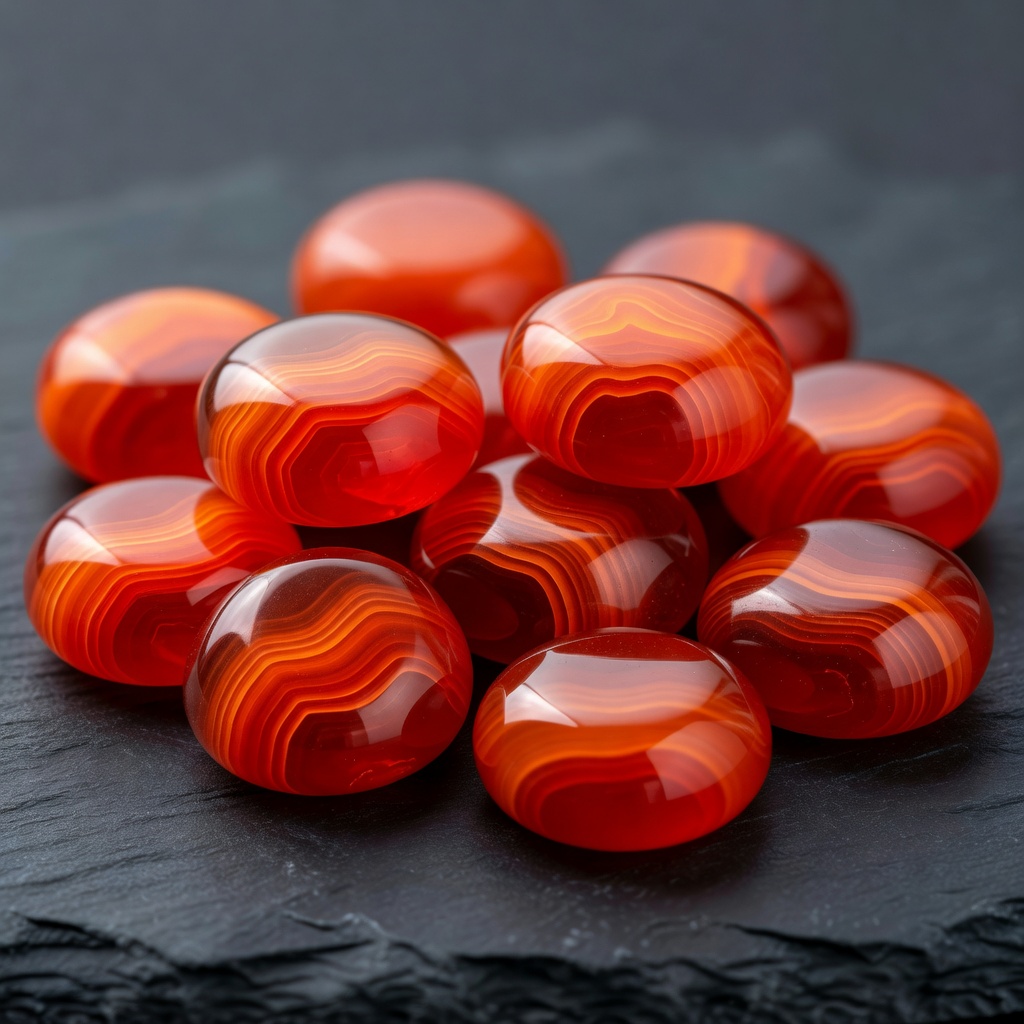
Carnelian stands as one of the most captivating varieties of chalcedony, a mineral belonging to the quartz family that has captured human imagination for millennia. This translucent to opaque gemstone exhibits a stunning spectrum ranging from pale orange and honeyed amber to deep reddish-brown and rust-colored hues, with the most prized specimens displaying a rich, saturated orange-red coloration often described as "cornelian red." As a microcrystalline quartz, carnelian forms through the deposition of silica-rich solutions in volcanic rocks and ancient lava flows, creating the distinctive waxy luster and smooth texture that makes it ideal for carving and jewelry.
Throughout history, civilizations across the globe have revered carnelian as a powerful talisman of courage, vitality, and action. Ancient warriors wore carnelian amulets into battle believing the stone would instill fearlessness and physical strength, while merchants carried it to ensure prosperity and success in trade. This Carnelian Properties and Information guide explores why this vibrant gemstone continues to be sought after by crystal healers, jewelry enthusiasts, and spiritual practitioners seeking to harness its dynamic energy. Whether you are drawn to its aesthetic beauty or its reputed metaphysical capabilities, understanding carnelian's multifaceted nature can help you maximize its potential in your daily life.
Physical Characteristics and Geological Formation
From a geological perspective, carnelian represents silicon dioxide (SiO2) colored by trace amounts of iron oxide impurities, specifically hematite, which creates its characteristic warm palette. The stone typically forms in volcanic environments where silica-rich waters percolate through rock cavities, depositing microscopic quartz crystals in banded or uniform patterns over thousands of years. On the Mohs hardness scale, carnelian ranks between 6.5 and 7, making it sufficiently durable for everyday jewelry while still being soft enough to carve into intricate designs and cabochons.
When evaluating an Orange carnelian gemstone, collectors and gemologists examine several physical attributes that determine quality and value. The most desirable specimens exhibit a uniform, saturated orange to reddish-orange color without zoning or uneven color distribution, though natural banding patterns can add character and authenticity verification. Translucency varies from nearly transparent to opaque, with translucent stones generally commanding higher prices in the marketplace. The stone possesses a vitreous to waxy luster when polished, and genuine carnelian feels cool to the touch initially before gradually warming against the skin, a characteristic that helps distinguish it from glass imitations.
Historical Significance and Cultural Uses
The Carnelian crystal meaning has evolved across diverse civilizations, each attributing unique spiritual significance to this vibrant stone. In Ancient Egypt, carnelian held profound religious importance, with Egyptians believing the stone protected souls during their journey to the afterlife. Pharaohs and high priests were often buried with carnelian amulets inscribed with protective spells from the Book of the Dead, and the stone was associated with the menstrual blood of the mother goddess Isis, symbolizing the regenerative power of life. Egyptian architects and builders also utilized carnelian in their designs, believing it provided stability and endurance to structures.
Roman and Greek civilizations valued carnelian primarily for its practical applications in seals and signet rings, as the stone's wax-like consistency prevented it from sticking to hot wax while maintaining crisp engraved details. Roman soldiers wore carnelian rings engraved with symbols of Mars, the god of war, to enhance courage and tactical prowess during military campaigns. Meanwhile, in Islamic traditions, carnelian (known as Aqiq) holds particular reverence, with Prophet Muhammad reportedly wearing a silver ring set with carnelian. Buddhist traditions incorporate carnelian prayer beads and carved figurines, believing the stone helps ground spiritual practice in physical reality while promoting positive life force energy.
Metaphysical Properties and Spiritual Benefits
Contemporary crystal healers and energy workers consistently rank carnelian among the most potent stones for activating personal power and stimulating life force energy. The Carnelian metaphysical properties center on its ability to boost confidence, courage, and assertiveness, making it an invaluable ally for those facing challenging decisions, public speaking engagements, or competitive situations. Unlike calming stones that promote introspection, carnelian generates an active, outgoing energy that propels individuals toward taking decisive action and overcoming procrastination. Many practitioners recommend holding carnelian during visualization exercises or goal-setting rituals to amplify intention and manifestation capabilities.
Beyond its motivational aspects, carnelian serves as a powerful catalyst for creativity and positive life choices, particularly for artists, writers, and entrepreneurs seeking innovative inspiration. The stone is believed to sharpen concentration and dispel mental lethargy, allowing for sustained focus during complex projects. Additionally, carnelian provides protective qualities against negative emotions such as envy, rage, and resentment, both from external sources and within oneself. By transmuting these lower vibrational energies into constructive passion and determination, carnelian helps maintain emotional equilibrium while fostering an environment of warmth, joy, and community connection.
Healing Properties and Physical Wellness
Practitioners of crystal healing utilize Carnelian healing properties to address various physical ailments, particularly those related to the circulatory system and vital organs. The stone is traditionally associated with supporting healthy blood circulation and cardiovascular function, with many healers placing carnelian directly over the heart chakra or pulse points to stimulate blood flow and oxygenation. Some alternative medicine practitioners recommend carnelian for individuals recovering from surgery or blood disorders, believing the stone's iron content resonates with hemoglobin to promote regeneration and vitality. While these applications should complement rather than replace conventional medical treatment, many users report increased physical stamina and reduced fatigue when working with carnelian regularly.
Women's health practitioners particularly value carnelian for its reputed benefits to the reproductive system and fertility enhancement. The stone has been used for centuries to balance menstrual cycles, ease cramps and PMS symptoms, and support healthy pregnancy outcomes. Additionally, carnelian is believed to aid digestion and appetite regulation, making it useful for those recovering from eating disorders or digestive imbalances. Some physical therapists incorporate carnelian into treatment protocols for lower back pain and rheumatism, placing stones along the spine or affected joints to reduce inflammation and promote flexibility. For maximum benefit, crystal healers often recommend creating gem elixirs (using the indirect method) or placing carnelian directly on the affected body area during rest periods.
Chakra Connection and Energy Alignment
Carnelian chakra healing practices focus primarily on the Sacral Chakra (Svadhisthana), the energy center located approximately two inches below the navel that governs creativity, sexuality, emotional balance, and personal relationships. When this chakra becomes blocked or underactive, individuals may experience creative stagnation, emotional numbness, or difficulty expressing passion and joy. Carnelian's vibrant orange frequency resonates directly with the Sacral Chakra, helping to dissolve energetic blockages and restore the natural flow of creative life force energy. Practitioners often place carnelian on the lower abdomen during meditation or energy healing sessions to activate and balance this crucial center.
While the Sacral Chakra represents carnelian's primary energetic domain, the stone also maintains a secondary connection to the Root Chakra (Muladhara), providing grounding and stability during periods of intense creative or emotional work. This dual action makes carnelian unique among crystals, as it simultaneously stimulates upward creative flow while anchoring spiritual energy into physical reality. To activate and balance these energy centers, try lying down and placing carnelian on your lower abdomen while visualizing a warm orange light expanding from the stone into your pelvic region. Alternatively, wearing carnelian as a belt buckle or low-slung pendant keeps the stone in constant proximity to these chakras, providing continuous energetic support throughout the day.
Practical Applications and Daily Use
Integrating Carnelian stone benefits into daily life requires thoughtful consideration of placement and application methods to maximize energetic impact. For jewelry purposes, carnelian rings and bracelets worn on the right hand (the projective side in many energetic traditions) help broadcast confidence and creative energy outward into your environment, making them ideal for professionals in leadership roles or creative industries. Pendants worn at stomach level maintain proximity to the Sacral Chakra, continuously stimulating creativity and emotional balance. When selecting carnelian jewelry for daily wear, consider bezel settings that protect the stone's edges while allowing maximum skin contact for energy transfer.
During meditation practices, holding carnelian spheres or tumbled stones can enhance focus and vitality, particularly during morning sessions designed to energize the mind for daily tasks. Some practitioners create crystal grids incorporating carnelian at the center surrounded by clear quartz points to amplify motivation and drive. In Feng Shui applications, placing carnelian in the southern sector of your home or office enhances fame and reputation energy, while positioning it near entryways protects against negative influences entering your space. For writers and artists, keeping carnelian on your desk or in your creative workspace helps overcome blocks and maintains productive momentum during long projects.
Authenticity, Care and Maintenance
Understanding how to identify genuine carnelian versus dyed agate or glass imitations is essential for anyone seeking authentic Carnelian Properties and Information. True carnelian exhibits natural color variations and occasional banding patterns, while dyed stones often display unnaturally uniform, vivid colors with dye concentration visible in cracks or fractures. Genuine carnelian maintains a hardness of 6.5-7 on the Mohs scale, meaning it can scratch glass but should not be easily scratched by a steel knife. Additionally, real carnelian feels cool to the touch initially and warms gradually, whereas glass imitations often feel immediately warm or room temperature.
Proper cleansing and charging protocols ensure your carnelian maintains optimal energetic potency. Cleanse the stone regularly by rinsing under lukewarm running water for several minutes, burying it in dry earth overnight, or smudging with sage, palo santo, or sweetgrass to clear accumulated energies. To charge carnelian, place it in direct morning sunlight for two to three hours, taking care to avoid prolonged exposure that might fade the color over time. Alternatively, charging under full moonlight provides a gentler energetic reset that preserves the stone's color intensity while aligning it with lunar cycles. Store carnelian separately from harder gemstones like diamonds or sapphires to prevent scratching, and avoid exposure to harsh chemicals, extreme heat, or ultrasonic cleaners that could damage the stone's surface.
Buying Guide: Quality Factors and Selection Tips
When purchasing an Orange carnelian gemstone, several quality indicators help determine value and authenticity. Color intensity serves as the primary valuation factor, with deep reddish-orange specimens commanding higher prices than pale orange or brownish varieties. The most prized carnelian displays a uniform, saturated color without visible inclusions or cloudiness, though some collectors specifically seek banded carnelian (sometimes called carnelian agate) for its decorative appeal and natural authenticity markers. Clarity assessment involves examining the stone under natural light to ensure translucency without cracks, chips, or artificial dye concentrations.
Price ranges vary significantly based on cut, carat weight, and treatment status. Small tumbled stones suitable for crystal healing typically cost between $2-$10, while high-quality cabochons for jewelry making range from $20-$100 depending on size and color saturation. Large, museum-quality specimens with exceptional color and clarity can command prices exceeding $500. When buying carnelian jewelry, inquire whether the stone has been heat-treated, a common industry practice that enhances color but may affect value for collectors seeking entirely natural specimens. Reputable dealers should disclose any treatments and provide information about the stone's origin, with India, Brazil, Uruguay, and Madagascar serving as primary sources for quality carnelian.
Conclusion: Integrating Carnelian Into Your Life
This comprehensive exploration of Carnelian Properties and Information reveals a gemstone of remarkable versatility, offering benefits spanning physical vitality, emotional resilience, and creative inspiration. Whether you seek to overcome procrastination, enhance your meditation practice, or simply add a beautiful piece of natural art to your collection, carnelian provides accessible entry points for beginners and experienced crystal workers alike. The stone's combination of grounding earth energy and stimulating fire element creates a unique synergy that supports sustainable action without burnout or exhaustion.
Carnelian particularly benefits individuals born under the zodiac signs of Virgo and Leo, though all signs can harness its energizing properties. Professionals in creative fields, public service, or high-stakes business environments often find carnelian invaluable for maintaining confidence and clarity under pressure. To maximize this stone's potential, establish a regular practice of cleansing and charging while setting clear intentions for your work together. By respecting carnelian's ancient heritage and understanding its physical and metaphysical characteristics, you invite a powerful ally into your journey toward greater vitality, courage, and creative fulfillment.
Frequently Asked Questions About Carnelian
What is carnelian stone good for?
Carnelian is excellent for boosting courage, motivation, and creativity. It supports physical vitality, improves concentration, and helps overcome procrastination. Metaphysically, it stimulates the Sacral Chakra, enhancing passion and personal power while providing emotional warmth and protection against negative emotions.
How can I tell if my carnelian is real?
Genuine carnelian typically has a Mohs hardness of 6.5-7, so it should scratch glass but not be scratched by a knife. Real carnelian often shows natural banding or color variations and remains cool to the touch initially. Dyed imitations usually have unnaturally uniform, vivid colors and may show dye concentration in cracks.
Which chakra does carnelian heal?
Carnelian primarily heals and activates the Sacral Chakra (Svadhisthana), located below the navel. This chakra governs creativity, sexuality, and emotional balance. Carnelian also has secondary grounding effects on the Root Chakra, helping to stabilize energy and increase physical vitality and security.
Can I wear carnelian every day?
Yes, carnelian is durable enough for daily wear with a hardness of 6.5-7. However, avoid exposure to harsh chemicals, extreme heat, and prolonged direct sunlight which can fade its color. It's particularly effective when worn as rings or bracelets on the right hand to project energy, or as pendants to keep close to the Sacral Chakra.
What's the difference between carnelian and sard?
Both carnelian and sard are varieties of chalcedony, but carnelian displays lighter orange to reddish-brown tones with greater translucency, while sard is darker brown to reddish-black and more opaque. Carnelian typically has a waxy luster compared to sard's more glass-like appearance, though the distinction is often subjective in the gemstone trade.
How do you cleanse and charge carnelian?
Cleanse carnelian by rinsing under lukewarm running water for a few minutes, burying in earth overnight, or smudging with sage or palo santo. Charge it by placing in direct morning sunlight for 2-3 hours (avoid prolonged exposure to prevent fading) or on a selenite charging plate. Full moonlight is also effective and safer for preserving color intensity.
What zodiac signs benefit most from carnelian?
Carnelian is the traditional birthstone for Virgo and Leo, providing Virgos with confidence and creativity while enhancing Leo's natural leadership abilities. It also strongly supports Taurus and Cancer signs. However, all zodiac signs can benefit from carnelian's energizing properties, particularly those needing motivation or creative inspiration.
Are there any side effects of wearing carnelian?
Carnelian is generally safe with no known toxic effects. However, its high energizing properties may cause restlessness or insomnia if worn continuously during sleep. Some highly sensitive individuals might experience overstimulation or increased emotional intensity. If this occurs, limit wearing time or pair with grounding stones like hematite or smoky quartz.