Understanding Carnelian Value in Today's Market
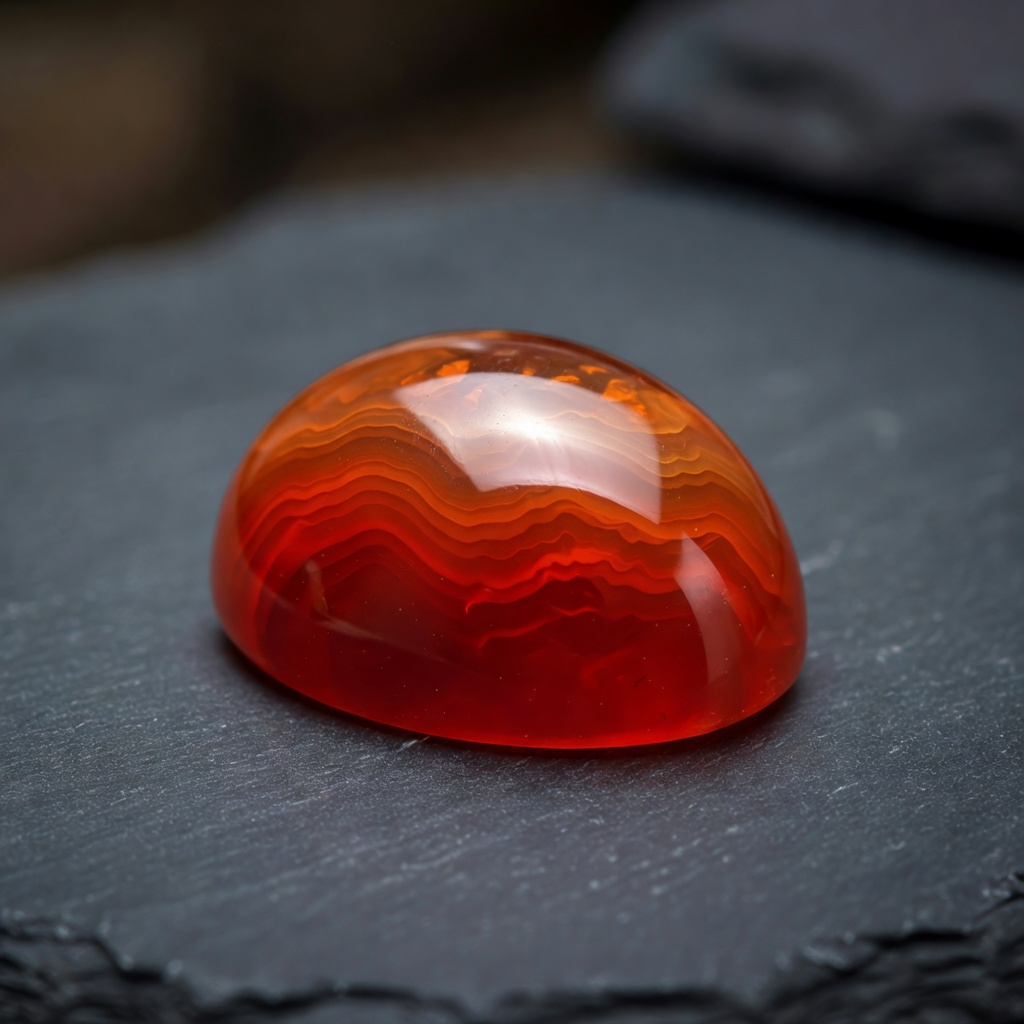
Carnelian belongs to the chalcedony family of microcrystalline quartz, distinguished by its translucent to opaque appearance and characteristic reddish-orange to brownish-red coloration. As a semi-precious gemstone, it occupies a unique market position between common agate varieties and more expensive corundum specimens like ruby or sapphire. Understanding the current carnelian price guide requires recognizing how this ancient gemstone balances accessibility for jewelry makers with genuine collector interest for exceptional specimens. The global market for carnelian continues to evolve as new mining operations in Brazil and Madagascar supplement traditional Indian sources, creating dynamic pricing structures that reward knowledge and careful selection.
The distinction between commercial-grade and collector-quality carnelian often determines whether a stone costs pennies per carat or commands significant premiums. Commercial material typically exhibits pale orange tones, visible cloudiness, or inconsistent color zoning that limits its appeal to mass-market bead manufacturers and costume jewelry producers. Collector-quality specimens, conversely, display uniform deep reddish-orange coloration, exceptional translucency that allows light transmission, and expert cutting that maximizes the stone's natural beauty. These premium pieces often originate from specific geographic locations known for superior mineral deposits and may remain in private collections for generations rather than entering the commercial jewelry pipeline.
Current global demand trends reveal increasing interest in natural, untreated carnelian as consumers become more educated about gemstone enhancements. Wholesale markets in Jaipur, India, and Tucson, Arizona, report steady demand for high-quality rough material suitable for custom cutting, while retail consumers demonstrate willingness to pay premiums for documented natural stones. Additionally, the resurgence of interest in ancient and antique jewelry has elevated prices for Victorian-era carnelian intaglios and Roman-period carved beads, creating a bifurcated market where historical provenance sometimes exceeds material value. This complex landscape makes understanding carnelian stone value essential for both novice collectors and experienced gem enthusiasts.
2024 Carnelian Price Per Carat and Gram Breakdown
Current market analysis reveals distinct pricing tiers based on quality grades, with carnelian price per carat varying dramatically depending on color saturation, clarity, and size. Commercial-grade carnelian, typically pale orange to brownish with visible inclusions or cloudiness, generally trades between $0.50 and $3 per carat in wholesale markets. These specimens often originate from bulk alluvial deposits and receive minimal cutting attention, usually appearing as simple cabochons, beads, or tumbled stones in mass-market jewelry. Retail consumers purchasing such material in finished sterling silver settings might pay $5 to $15 total for a ring or pendant, reflecting the stone's accessible price point and abundant supply.
Fine quality specimens exhibiting deep red-orange coloration without brown undertones command significantly higher prices, typically ranging from $5 to $20 per carat in the current market. These stones display the coveted "cornelian" red hue historically prized by ancient civilizations, along with excellent translucency that creates a glowing appearance when backlit. Premium characteristics include uniform color distribution without zoning, flawless surfaces free from fractures or pits, and precision cutting that maximizes color depth through proper dome height and symmetry. A ten-carat fine quality carnelian cabochon might retail for $100 to $200, while similar weight in commercial grade would cost merely $10 to $30.
Rare large cabochons exceeding twenty carats and exceptional specimen pieces follow different pricing methodologies that emphasize per-piece values rather than strict per-carat calculations. Large statement stones with uniform color become exponentially rarer as size increases, since most carnelian rough contains color banding or internal fracturing that prevents cutting substantial clean pieces. A fifty-carat museum-quality carnelian with intense red color and perfect clarity might command $500 to $1,000 or more, effectively pricing at $10 to $20 per carat but requiring specific buyer interest in oversized specimens. Rough material costs vary based on purchase volume, with kilogram lots of cutting-grade rough available for $20 to $100 per kilogram, while select single pieces suitable for high-end cutting might cost $5 to $50 each depending on size and color potential.
Color Grading Standards and Their Impact on Cost
The valuation of carnelian hinges primarily on color characteristics, with red carnelian gemstone cost directly correlating to hue intensity and uniformity. Stones exhibiting deep reddish-orange to pure red tones without brown or yellow secondary hues command the highest premiums in today's market. This preference reflects historical associations with vitality and nobility, as ancient Egyptian and Roman civilizations specifically sought intensely colored carnelian for seals and amulets. Uniform color distribution throughout the entire stone proves crucial; specimens displaying color zoning, where pale bands alternate with dark areas, typically suffer fifty percent or greater price reductions compared to solid-color stones of similar size and clarity.
Color banding and zoning effects create significant valuation challenges in both rough and cut material, requiring careful assessment before purchase. While some artisans appreciate banded carnelian for cameo carving, where contrasting layers create pictorial effects, uniform material remains the standard for jewelry-quality cabochons and beads. Buyers should examine stones under diffused daylight and incandescent lighting to detect subtle zoning that might affect value, as some zoning only becomes apparent under specific lighting conditions. Translucency levels dramatically impact desirability, with highly translucent stones that transmit light appearing more vibrant and "alive" than opaque or cloudy specimens, justifying price premiums of two to three times for equivalent color intensity.
The distinction between carnelian and its darker cousin sard influences pricing structures within the chalcedony family. Carnelian traditionally refers to translucent, reddish-brown to red varieties, while sard denotes darker, brownish-red to nearly black opaque material. Although chemically identical, the market generally prefers carnelian's brighter tones, with sard typically pricing twenty to thirty percent lower for equivalent quality. However, exceptionally dark sard approaching black with red undertones sometimes appeals to specific collectors seeking mourning jewelry reproductions or masculine designs. Understanding these subtle carnelian color grading distinctions enables buyers to recognize when premium pricing reflects genuine rarity versus arbitrary marketing distinctions.
Cut Quality, Clarity, and Size Considerations
The transformation from rough mineral to finished gemstone significantly impacts final valuation, with carnelian cutting styles creating distinct market categories. Cabochon cutting, featuring smooth domed tops and flat backs, represents the traditional and most common treatment for carnelian, with premium cutting commands adding $2 to $5 per carat to rough material costs. Expert cabochon cutters optimize dome height to maximize color depth and translucency, while poorly executed cuts with flat profiles or lopsided symmetry reduce perceived value regardless of material quality. Tumbled stones, smoothed through mechanical abrasion rather than precise cutting, occupy the budget segment, typically wholesaling for $0.10 to $0.50 per gram for material suitable to become beads or worry stones.
Inclusion tolerance levels vary based on intended use, but certain clarity characteristics significantly reduce carnelian value across all grades. Surface-reaching fractures present the most serious detriment, as these compromise durability and may cause stones to break during setting or wear. Internal cloudiness or "cotton" inclusions that reduce translucency lower prices by thirty to fifty percent compared to eye-clean specimens. However, natural inclusions such as small dendritic patterns or phantom crystals sometimes add interest value for collectors seeking unique specimens, provided these features do not detract from the stone's overall appearance or structural integrity.
Carat weight premiums apply differently to carnelian than to precious gems like diamond or sapphire, with substantial size increases often resulting in modest per-carat price escalations until reaching exceptional sizes. Stones under ten carats generally follow linear pricing based primarily on color and clarity, while pieces exceeding fifty carats command nonlinear premiums due to the rarity of finding large, clean rough. Faceted carnelian remains relatively rare compared to cabochons, as the material's slight softness (6.5-7 Mohs hardness) and typical translucency make brilliant cutting less practical. However, when expertly faceted, these stones can command premiums of fifty to one hundred percent over cabochon prices due to the skill required and material waste during cutting. A five-carat faceted carnelian might retail for $50 to $100, while an equivalent cabochon would price at $25 to $50.
Geographic Origins: Do They Affect Price?
The provenance of carnelian specimens historically influenced valuation, though modern market dynamics have somewhat equalized regional price differences. Indian carnelian, specifically material from Gujarat and Maharashtra, maintained historical premium pricing due to five thousand years of continuous mining and lapidary tradition. Indian cutters developed techniques maximizing color display in locally sourced material, creating a reputation for superior finish that justified higher costs. Traditional Indian carnelian often exhibits a distinctive "waxy" luster and deep red-orange color that collectors specifically seek, with antique Indian beads and cabochons sometimes commanding double the price of equivalent modern material due to patina and craftsmanship.
Brazilian and Uruguayan material currently dominates commercial markets, offering abundant supply and consistent quality that has stabilized global pricing. Brazilian deposits produce significant quantities of fine red-orange carnelian suitable for calibrated cutting, while Uruguayan mines yield material with particularly intense color saturation. Current market rates for South American material generally undercut historical Indian premiums by fifteen to twenty percent, though exceptional specimens from any location ultimately price according to individual quality rather than origin. Madagascar has emerged as a significant source, with new mining operations producing material ranging from pale orange to deep red, though quality variations remain inconsistent compared to established Brazilian deposits.
Documentation and provenance create significant premiums for antique or historic carnelian specimens beyond mere material value. Victorian-era carved carnelian intaglios, Roman-period beads, and Mughal Empire cabochons with verifiable provenance can command prices exceeding $100 to $500 per piece regardless of size, based on historical significance and craftsmanship. Collectors seeking ancient material should demand documentation including export permits and provenance records, as the archaeological value of genuine ancient carnelian far exceeds modern cutting rough. For contemporary jewelry purposes, however, geographic origin matters less than individual stone characteristics, with buyers focusing on color, clarity, and cutting quality rather than mining location when determining fair market value.
Natural vs. Treated Carnelian: Price Implications
Understanding the distinction between natural and enhanced material proves crucial for accurate carnelian price guide assessment, as treatments significantly affect value. Heat treatment represents the most common enhancement, with approximately eighty percent of commercial carnelian having undergone controlled heating to intensify color. This treatment, which converts limonite inclusions to hematite within the chalcedony structure, produces stable, permanent color improvement accepted within the gemstone trade. Heat-treated carnelian typically commands full market value when properly disclosed, though untreated natural material with equivalent color intensity may warrant ten to twenty percent premiums from purist collectors seeking unaltered specimens.
Dyed agate masquerading as carnelian creates serious price discrepancies and ethical concerns within the marketplace. Unscrupulous vendors sometimes dye pale agate or chalcedony with iron compounds or organic dyes to simulate natural carnelian color, offering these stones at suspiciously low prices that undercut genuine material. Detection requires close examination under magnification, as dyed stones often show color concentrations in fractures or surface irregularities, whereas natural carnelian displays uniform color distribution. A hot point test, where a heated probe applied to an inconspicuous area releases dye odor, provides preliminary identification, though professional laboratory analysis using spectroscopy offers definitive confirmation.
Certification costs for carnelian enhancement verification vary based on laboratory reputation and testing complexity, ranging from $50 to $200 per stone. For commercial-grade material under $50 total value, certification proves economically impractical, requiring buyers to rely on reputable dealers and personal expertise. However, for investment-grade specimens exceeding $500 or antique pieces with significant historical value, laboratory reports from recognized institutions like GIA or GRS justify the expense by providing documentation essential for resale. Ethical disclosure requirements increasingly impact resale value, as consumer awareness grows regarding gemstone treatments. Sellers providing transparent documentation of any enhancements build trust and often achieve faster sales than those offering ambiguously described material, even when pricing reflects treatment status.
Jewelry Settings vs. Loose Stone Valuation
The transition from loose gemstone to finished jewelry involves complex markup structures that significantly impact final carnelian jewelry prices. Retail markup structures typically follow a progression from rough material cost to finished 14k gold carnelian rings, with cumulative markups of three hundred to five hundred percent common in traditional jewelry stores. A carnelian costing $20 wholesale might appear in a simple sterling silver setting for $75 to $100 retail, while the same stone in a custom 14k gold mount with diamond accents could retail for $400 to $800. These markups reflect design labor, metal costs, retail overhead, and profit margins rather than intrinsic stone value, making loose stone purchases advantageous for budget-conscious buyers.
Vintage and antique carnelian jewelry commands premium factors extending far beyond material cost, incorporating craftsmanship, historical significance, and rarity of design. Victorian mourning jewelry featuring carved carnelian cameos, Art Deco geometric settings from the 1920s, and mid-century modernist Scandinavian designs all carry premiums based on collecting categories rather than gemological value. A Victorian carved carnelian brooch might retail for $300 to $1,500 depending on carving quality and metalwork, while the contained carnelian material alone might represent only $50 to $100 of that value. Condition significantly affects these prices, with damage to original settings or carved surfaces reducing values by fifty percent or more compared to pristine examples.
Designer brand markups versus generic sterling silver settings create distinct market segments within carnelian jewelry. High-end designers like David Yurman or John Hardy command substantial premiums for carnelian pieces based on brand recognition and distinctive design elements, with signature pieces pricing from $500 to $2,000 regardless of modest material costs. Generic settings offer better value propositions for those seeking wearable carnelian without brand premiums, though quality varies significantly between mass-produced imports and artisan-crafted mounts. Repair and remounting considerations affect long-term value retention, as carnelian's moderate hardness requires protective settings to prevent scratching or chipping. Bezel settings generally offer better protection and value retention than exposed prong settings for daily wear pieces, justifying slightly higher initial costs for superior craftsmanship.
Where to Buy: Retail, Wholesale, and Online Marketplaces
Strategic purchasing decisions significantly impact acquisition costs for carnelian specimens, with venue selection determining available inventory and pricing structures. Gem show pricing advantages prove substantial for serious collectors and jewelry makers, with events like the Tucson Gem and Mineral Show or Jaipur's annual gem exhibitions offering direct access to rough dealers and cutting houses. Bulk purchase negotiation strategies at these venues include requesting "parcel pricing" for multiple stones, offering cash payments for discounts, and establishing ongoing relationships with specific dealers for preferential rates. Buyers attending major shows often secure fine quality carnelian at fifty to seventy percent of retail prices, though travel costs and minimum purchase requirements may offset savings for casual collectors.
E-commerce platform price comparisons reveal significant variations between general marketplaces and specialized dealers. Etsy and eBay offer extensive carnelian selections ranging from raw rough to finished jewelry, with prices spanning from $1 per carat for basic beads to $50 per carat for claimed "rare" specimens of questionable provenance. Specialized gem dealers with established online presences typically provide better value for fine material, offering detailed photographs, return policies, and authenticity guarantees that justify slightly higher prices than anonymous auction listings. When purchasing online, buyers should request videos showing stones under different lighting conditions and examine return policies carefully, as color representation varies dramatically between monitors.
Brick-and-mortar jewelry store premiums reflect service value propositions including immediate gratification, professional setting services, and established reputation accountability. While retail stores typically charge double to triple the prices found at gem shows or online, they offer advantages including inspection before purchase, immediate resizing and repair services, and established return policies. Auction houses provide access to investment-grade specimen acquisitions and antique pieces unavailable through commercial channels, though buyer's premiums of fifteen to twenty-five percent inflate final costs. For significant purchases exceeding $1,000, auction houses like Christie's or Sotheby's occasionally feature fine carnelian in antique jewelry lots, while regional auctioneers offer more accessible entry points for Victorian and Edwardian carnelian pieces at lower price points.
Investment Potential and Value Retention
Evaluating carnelian investment value requires realistic assessment of this chalcedony variety's position within the broader gemstone market. Historical price stability characterizes carnelian compared to other chalcedony varieties, with values remaining relatively steady over decades rather than appreciating dramatically like alexandrite or Paraiba tourmaline. Unlike precious gems with strictly limited deposits, carnelian occurs in sufficient quantities worldwide to prevent the scarcity-driven price explosions seen in fine emerald or ruby markets. However, this stability offers advantages for collectors seeking tangible assets without extreme volatility, as high-quality natural carnelian rarely depreciates significantly and maintains liquidity better than obscure collector minerals with limited markets.
Collector market trends currently favor exceptional color saturation combined with large size, creating niche investment opportunities for museum-quality specimens. Stones exceeding one hundred carats with intense red color and perfect clarity occasionally appear at specialized mineral shows, commanding prices of $1,000 to $5,000 based on rarity and display appeal rather than per-carat calculations. Additionally, ancient carved carnelian artifacts with documented provenance represent alternative investment vehicles, with Roman intaglios and Egyptian scarabs appreciating based on archaeological significance and historical importance. These specialized markets require expert knowledge and authentication capabilities, as forgeries pervade the antiquities trade.
Liquidity factors favor carnelian compared to rarer gemstones, as the established bead and jewelry markets ensure constant demand for quality material. Unlike rare collector gems requiring months or years to locate appropriate buyers, fine carnelian cabochons and beads sell readily through established dealer networks, online marketplaces, and gem shows. Insurance appraisal values and replacement cost methodologies typically reflect retail replacement values rather than wholesale acquisition costs, meaning insured collections often carry coverage limits two to three times higher than actual purchase prices. For estate planning purposes, documented high-quality carnelian collections provide easily liquidated assets, though appraisers should distinguish between commercial-grade material with minimal resale value and fine specimens suitable for collector markets. While carnelian may not generate the dramatic returns of speculative gem investments, its historical significance, consistent demand, and physical durability make it a stable component of diversified tangible asset portfolios.
Frequently Asked Questions
How much is carnelian worth per carat?
Commercial-grade carnelian typically ranges from $0.50 to $3 per carat, while fine quality deep red-orange specimens command $5 to $20 per carat. Exceptional large pieces with uniform color can exceed $50 per carat, particularly for rare sizes over fifty carats with museum-quality characteristics.
Why is some carnelian so cheap while other pieces are expensive?
Price variations stem from color intensity, clarity, and treatment status. Pale, cloudy, or dyed stones are inexpensive, whereas deep translucent red-orange natural carnelian with expert cutting commands premium prices. Additionally, size significantly impacts value, as large clean pieces become exponentially rarer and more valuable than small commercial-grade material.
How can I tell if my carnelian is real or dyed?
Natural carnelian shows subtle color banding and translucency when backlit. Dyed stones often have unnaturally vivid, uniform colors concentrated in fractures. A hot point test or professional laboratory analysis can confirm authenticity, as natural carnelian will not show dye concentration in surface cracks or display color bleeding when tested with acetone.
Does carnelian increase in value over time?
While carnelian is not a high-appreciation investment stone like ruby or sapphire, high-quality natural specimens with exceptional color have maintained steady value. Antique carnelian jewelry with provenance may appreciate based on craftsmanship rather than material alone, and ancient carved pieces with documented history can achieve significant premiums over modern material.
What color of carnelian is most valuable?
Deep reddish-orange to red carnelian with uniform color distribution and high translucency commands the highest prices. Stones approaching the color of red chalcedony or sard without brown undertones are particularly desirable, especially when they exhibit the "glowing" appearance created by light transmission through the material.
Is Indian carnelian more valuable than Brazilian carnelian?
Historically, Indian carnelian from Gujarat commanded premiums due to traditional cutting expertise, but modern Brazilian and Uruguayan material often matches quality. Currently, individual stone characteristics matter more than geographic origin for pricing, though antique Indian pieces may still carry premiums based on historical significance and traditional cutting styles.
Should I buy loose carnelian or set jewelry?
Loose stones offer better value for collectors and custom jewelry projects, typically costing 30-50% less than set pieces. However, vintage or designer-set carnelian may offer additional craftsmanship value and immediate wearability. For investment purposes, loose fine specimens generally provide better liquidity and appreciation potential than fashion jewelry settings.
Where can I get an accurate carnelian appraisal?
Seek certified gemologists (GG or FGA credentials) at reputable jewelry stores or independent appraisal laboratories. For insurance purposes, choose appraisers who follow USPAP standards and provide detailed replacement value documentation. Ensure the appraiser understands the distinction between commercial and fine quality carnelian, as general jewelry appraisers sometimes undervalue exceptional specimens.