Introduction: Why Boulder Opal Care Matters
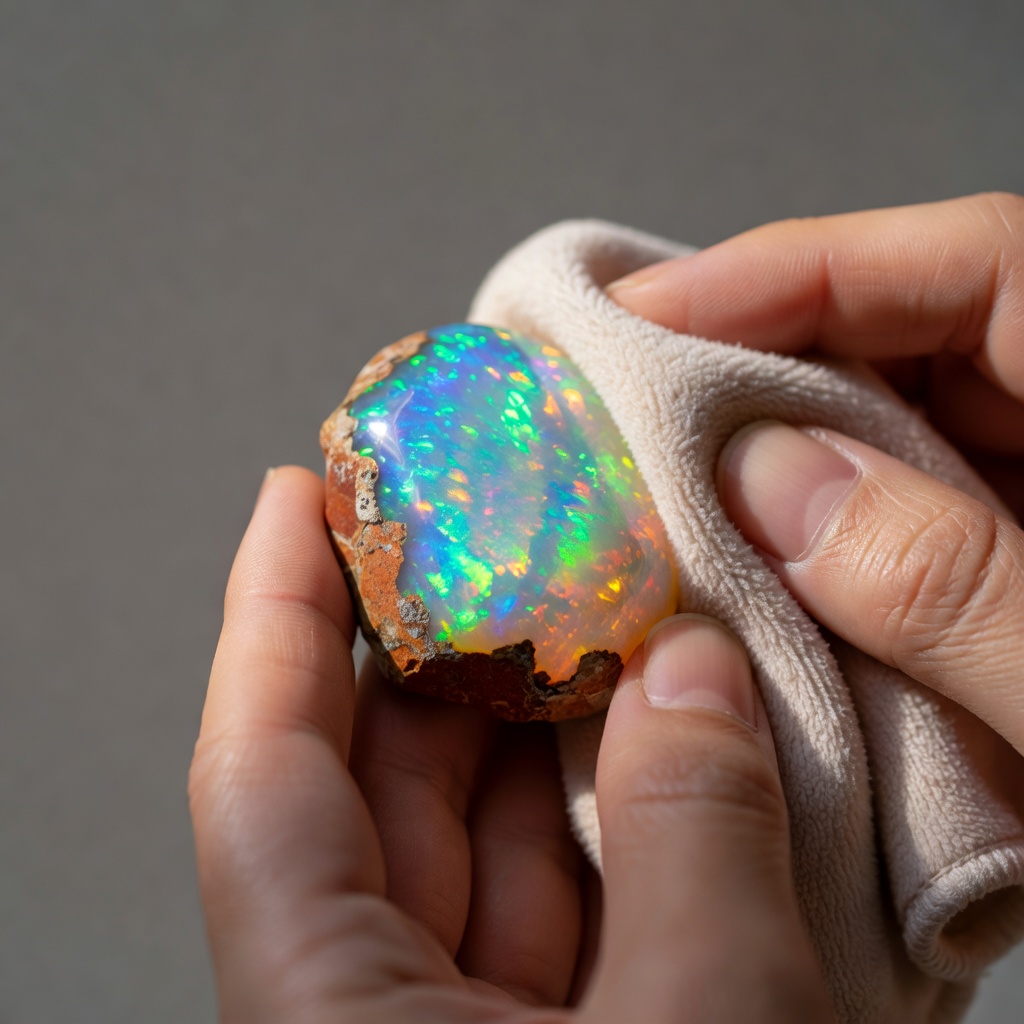
Boulder opals represent one of nature's most captivating gemstones, featuring precious opal naturally fused to ironstone host rock, creating stunning patterns that showcase vibrant play-of-color against earthy brown or black backgrounds. Unlike other gemstone varieties that tolerate harsh cleaning methods and environmental fluctuations, boulder opal care and cleaning require specialized knowledge to preserve both the stone's beauty and structural integrity. The unique composition of these gems makes them particularly susceptible to dehydration and thermal shock, conditions that can permanently damage the silica structure and diminish the stone's value. Understanding proper precious opal cleaning methods ensures that your investment maintains its brilliance for generations while avoiding the costly mistakes that frequently occur with improper maintenance routines.
The ironstone backing that gives boulder opals their distinctive appearance also creates specific vulnerabilities that owners must acknowledge to prevent irreversible damage. While this natural backing provides additional durability compared to solid opals or doublets, the interface between the opal layer and host rock can become compromised through aggressive cleaning techniques or extreme temperature changes. Proper maintenance not only preserves the aesthetic qualities of your gemstone but also protects the financial investment, as well-cared-for boulder opals often appreciate in value over time. By implementing consistent care protocols, collectors and jewelry enthusiasts can enjoy the full spectrum of colors that make these Australian treasures so highly prized in the fine jewelry market.
Understanding Boulder Opal Composition and Vulnerabilities
Boulder opals contain between three and thirty percent water content trapped within their amorphous silica structure, a characteristic that fundamentally distinguishes them from crystalline gemstones like diamonds or sapphires. This hydrostatic equilibrium keeps the stone stable and maintains the diffraction grating responsible for the coveted play-of-color effect, but it also renders the gem vulnerable to dehydration and cracking when exposed to dry conditions or rapid moisture loss. Unlike solid precious opals that consist entirely of gem-quality material, boulder opals feature a thin veneer of precious opal naturally attached to ironstone matrix, creating unique cleaning considerations that differ significantly from other opal varieties. When engaging in boulder opal maintenance, owners must recognize that the porous nature of both the opal layer and ironstone backing requires gentler approaches than those used for harder, non-porous gemstones.
The ironstone backing, while providing structural support and distinctive aesthetic contrast, presents specific challenges when cleaning boulder opal stone surfaces because the matrix can trap dirt and cleaning residues in microscopic crevices. This host rock is significantly softer than the opal layer itself, ranking around 4-5 on the Mohs hardness scale compared to the opal's 5.5-6.5, meaning aggressive scrubbing can actually damage the backing while leaving the precious opal layer intact. Understanding these compositional differences helps explain why traditional jewelry cleaning methods often prove disastrous for boulder opals, as the thermal expansion rates between the opal layer and ironstone differ slightly, creating stress fractures when subjected to rapid temperature changes. Recognizing that your boulder opal essentially contains living water that requires environmental stability forms the foundation for all subsequent care decisions.
Daily Wear Best Practices
Implementing proper opal jewelry care begins with establishing consistent routines for putting on and removing your pieces to minimize exposure to potentially damaging substances and physical impacts. Always adhere to the "last on, first off" rule, meaning boulder opal jewelry should be the final item you put on after applying cosmetics, hairspray, perfume, and lotions, and the first item you remove when returning home. This sequence prevents chemical buildup on the stone's surface and reduces the risk of snagging prongs or settings on clothing during the dressing process. When removing rings or bracelets, grasp the metal settings rather than the stone itself to avoid transferring skin oils and fingerprints to the opal surface, which can accumulate over time and require more frequent cleaning.
Certain activities pose unacceptable risks to boulder opal daily maintenance protocols and should prompt immediate removal of your jewelry to prevent accidental damage. Never wear boulder opals during gardening, sports, gym workouts, or household cleaning chores, as these activities expose the stone to physical impacts, abrasive dirt particles, and harsh chemical cleaners that can etch the surface or loosen settings. Kitchen work presents particular hazards, as sudden temperature changes from opening hot ovens or handling frozen foods can induce thermal shock, causing internal cracking known as crazing. Additionally, chlorine and salt water from swimming pools and oceans can penetrate microscopic fissures in the ironstone backing, leading to discoloration and structural weakness that compromises the bond between the opal layer and host rock.
Chemical Exposure Risks from Cosmetics and Household Products
Everyday beauty and cleaning products contain solvents, acids, and alcohols that can permanently damage boulder opals upon contact, making awareness of these hidden dangers essential for preservation. Hairsprays and perfumes often contain alcohol and volatile organic compounds that can strip the natural moisture from opal surfaces, while makeup products may contain oils that clog the stone's microscopic pores and attract dirt. Household cleaners, including seemingly mild dish soaps with degreasing agents, bleach, ammonia, and bathroom cleaners, can etch the opal surface and cause chemical reactions with the ironstone backing that result in permanent discoloration. Even natural body oils and perspiration contain acids that, over time, can dull the polish of your boulder opal, reinforcing the importance of wiping down your jewelry with a soft cloth after each wearing to remove these residues before storage.
Safe At-Home Cleaning Methods
Mastering how to clean boulder opal effectively requires minimal supplies and a gentle touch, utilizing methods that respect the stone's delicate composition while removing accumulated dirt and oils. Begin by filling a small bowl with lukewarm water—never hot or cold—and add a few drops of mild, phosphate-free dish soap or pure castile soap, mixing gently to create a dilute solution. Submerge your boulder opal jewelry briefly, no more than thirty seconds, to loosen surface debris without saturating the ironstone backing excessively. Using a soft-bristled baby toothbrush or dedicated makeup brush with natural fibers, gently brush the stone surface in the direction of any visible cracks or crevices, taking care not to apply pressure that could scratch the opal or damage the setting.
After the initial washing phase of cleaning boulder opal stone surfaces, rinse thoroughly under lukewarm running water, ensuring that all soap residue is removed from both the opal face and the ironstone backing where detergents can become trapped. Prepare a drying station with a lint-free microfiber cloth or chamois leather, gently patting the stone dry rather than rubbing, which can create micro-scratches on the polished surface. For intricate settings or pieces with significant ironstone texture, use a soft cotton swab to absorb moisture from hard-to-reach areas, preventing water spots that can temporarily dull the stone's appearance. Allow the jewelry to air dry completely on the cloth for at least twenty minutes before returning it to storage, ensuring no trapped moisture remains that could promote tarnishing of metal settings or mildew growth in storage containers.
Proper Brushing Tools and Gentle Scrubbing Methods
Selecting appropriate tools for safe opal cleaning techniques makes the difference between maintaining a brilliant polish and inadvertently damaging your gemstone's surface. Avoid using toothpicks, dental tools, or metal brushes that can scratch both the opal and ironstone components, opting instead for ultra-soft cosmetic brushes designed for delicate eye makeup application. When scrubbing, imagine you are dusting a butterfly wing rather than scrubbing a dirty pan—use feather-light strokes that follow the natural contours of the stone without digging into crevices. For boulder opals with particularly rough or pitted ironstone backing, a soft artist's paintbrush (size 2-4) can navigate the texture better than flat cloths, allowing you to dislodge dust from the matrix without introducing liquid into deep cavities where it cannot evaporate easily.
What to Avoid: Cleaning Mistakes That Damage Boulder Opals
Understanding boulder opal cleaning mistakes is equally important as knowing proper techniques, as a single misguided cleaning session can cause irreversible damage that no professional restoration can fully repair. Ultrasonic cleaners, despite their popularity for other jewelry types, create high-frequency vibrations that travel through the water and cause the opal layer to separate from the ironstone backing, a catastrophic failure known as delamination. These devices also force water into microscopic cracks, which then expand when heated during the cleaning cycle, creating networks of internal fractures called crazing that appear as spiderweb patterns across the stone's surface. Steam cleaners present similar dangers, combining intense heat with pressure that can cause thermal shock and literally cook the internal water content of the opal, leading to cloudiness and structural instability.
Aggressive chemicals and abrasive materials rank among the most common opal damage prevention failures, as owners sometimes treat boulder opals like diamonds or sapphires that tolerate harsh scrubbing. Never use baking soda, toothpaste, powdered cleaners, or commercial silver polishing compounds on boulder opals, as these substances contain abrasives that scratch the relatively soft surface and create pathways for future dirt accumulation. Ammonia-based window cleaners, bleach, and jewelry dips designed for gold or platinum can chemically react with the ironstone backing, causing permanent rust stains or etching that destroys the natural contrast between the dark matrix and bright opal layer. Temperature shock represents another silent killer—never clean boulder opals with hot water, never transition them rapidly from air conditioning to hot outdoor environments, and never use hair dryers or heating lamps to speed up drying after cleaning.
Temperature Shock Risks from Hot Water or Rapid Environmental Changes
The thermal sensitivity of boulder opals stems from the differential expansion rates between the opal layer and ironstone backing when subjected to temperature fluctuations. When exposed to hot water or sudden heat, the opal layer expands faster than the ironstone, creating shear stress at the interface that can cause the precious opal to crack or detach completely. Similarly, moving from a cold winter environment into a heated home, or from an air-conditioned car into summer heat, can induce internal cracking invisible to the naked eye until the damage propagates sufficiently to become visible. Always allow your boulder opal jewelry to acclimate gradually to new environments by storing it in an inner pocket close to your body rather than outer pockets or bags exposed to temperature extremes during travel.
Professional Cleaning and Maintenance Services
While routine home care suffices for regular maintenance, certain situations demand professional boulder opal cleaning to address issues beyond the scope of safe DIY methods. Seek professional assistance immediately if you notice loose prongs, wobbling stones, or visible gaps between the opal and setting, as these indicate potential setting failure that could result in stone loss. Professional jewelers possess specialized equipment such as steam cleaners with adjustable pressure settings and ionic cleaning baths that can safely remove stubborn buildup from intricate settings without risking damage to the opal itself. Reputable opal specialists also offer repolishing services that restore the surface luster of dulled stones using diamond-impregnated wheels and cerium oxide compounds applied with minimal heat generation.
Establishing a relationship with a jeweler experienced in opal jewelry maintenance service ensures that your pieces receive annual inspections to check for setting wear, prong integrity, and early signs of stone damage that owners might miss. During these professional cleanings, experts use magnification to inspect the bond between the opal layer and ironstone backing, identifying delamination risks before they become catastrophic failures. They can also safely remove heavy oxidation from metal settings without exposing the opal to harsh chemical baths, and apply protective coatings to the ironstone backing if needed to prevent moisture absorption. For high-value specimens or antique pieces, professional conservation services offer humidity-controlled storage solutions and documentation services that preserve both the physical stone and its provenance for future generations.
Recommended Inspection Frequency for Setting Security
Even with meticulous home care, metal settings gradually loosen through normal wear, making annual professional inspections non-negotiable for boulder opal jewelry owners. During these check-ups, jewelers examine the tension of prongs in rings, the integrity of bezels in pendants, and the security of clasps in bracelets, tightening or repairing components before they fail completely. For frequently worn pieces such as engagement rings or daily bracelets, consider increasing inspection frequency to every six months, particularly if the jewelry features delicate filigree work or multiple small accent stones alongside the central boulder opal. Keep detailed records of these inspections, including photographs of the stone's condition, to track any changes over time and facilitate insurance claims if damage occurs despite proper maintenance.
Proper Storage Techniques for Longevity
Implementing effective boulder opal storage tips begins with understanding that these gemstones require environmental stability more than security from theft, as humidity fluctuations pose greater long-term threats than most physical dangers. Store each piece individually in soft cloth pouches made of untreated cotton or microfiber, avoiding plastic bags that can trap moisture and promote mildew or chemical interactions with certain opal treatments. Place a small piece of damp cotton wool or a humidity control packet specifically designed for musical instruments (maintaining 50-60% relative humidity) inside the storage container, ensuring it does not touch the stone directly but moderates the ambient air moisture. This simple opal humidity control technique prevents the dehydration that causes crazing and color loss, particularly crucial for collectors in arid climates or during winter months when indoor heating systems create desert-like conditions.
Select storage containers that provide both physical protection and environmental stability, opting for wooden jewelry boxes with tight-fitting lids rather than open display cases that expose stones to air circulation and dust accumulation. For valuable collections, consider investing in a small humidor or climate-controlled safe that maintains consistent temperature and humidity levels, avoiding locations near heating vents, windows, or bathrooms where temperature and moisture fluctuate dramatically. When traveling, use rigid, foam-padded cases specifically designed for gemstone transport rather than tossing jewelry into luggage pockets where impacts can occur, and never store boulder opals in checked baggage where cargo hold temperatures can drop below freezing, risking thermal shock upon arrival in warmer destinations.
Travel Protection Strategies and Portable Storage Solutions
Transporting boulder opal jewelry requires specialized preparation to prevent the physical and environmental stresses that travel imposes on delicate gemstones. Invest in individual gem jars with foam inserts or anti-tarnish travel rolls that separate pieces and cushion them against impacts during transit. For extended travel to dramatically different climates, such as moving from humid coastal regions to desert environments or vice versa, acclimate your opals gradually by storing them in an inner pocket for several hours before exposing them to the new ambient conditions. Never store opal jewelry in hotel room safes for more than brief periods, as these metal boxes often lack climate control and can become extremely dry or hot depending on their location within the room, potentially causing rapid dehydration of your stones.
Recognizing and Addressing Dehydration
Early detection of dehydration symptoms allows for timely intervention before irreversible damage occurs, making regular visual inspection a critical component of boulder opal rehydration protocols. Healthy boulder opals display vibrant, shifting color play across the entire surface with a glass-like or waxy luster, while dehydrated stones appear chalky, white, or dull with diminished fire and potential surface cracking patterns resembling dried mud. Crazing, the technical term for the network of fine cracks that develop in dehydrated opals, typically begins at the edges where the opal layer meets the ironstone backing and progresses inward, eventually causing pieces of the precious opal to flake away entirely. If you notice these warning signs, immediately discontinue wearing the piece and initiate controlled rehydration procedures or consult a professional conservator to assess whether restoration is possible.
Contrary to persistent myths circulating in gemstone forums, never attempt restoring dry opal stones by soaking them in water, olive oil, mineral oil, or commercial gemstone oils, as these substances can cause more harm than good. Oil treatments temporarily mask the appearance of crazing by filling surface cracks, but they inevitably turn rancid, attract dirt, and create difficult-to-remove residues that permanently stain both the opal and ironstone components. Professional restoration involves slow, controlled humidity exposure in specialized chambers that gradually reintroduce moisture over weeks or months, allowing the silica structure to rehydrate without the shock of sudden liquid contact. For severely crazed stones where the opal layer has begun separating from the backing, replacement may represent the only viable option, underscoring the importance of preventive care over corrective measures.
When Professional Restoration Is Necessary Versus Replacement
Determining whether a dehydrated boulder opal merits professional restoration or requires replacement depends on the extent of crazing and the value of the original piece. Minor surface crazing that has not penetrated deeply into the opal layer may respond to professional stabilization techniques where conservators use optical-grade resins to fill cracks and prevent further propagation, though this diminishes the stone's value compared to untreated specimens. However, once the opal layer begins lifting from the ironstone backing or significant portions have flaked away, restoration becomes cost-prohibitive and technically challenging, often exceeding the value of the original stone. In such cases, working with a lapidary specialist to carefully remove the damaged opal layer and repolish the ironstone into a decorative specimen, or replacing the stone entirely with a new boulder opal of similar character, represents the most practical solution for preserving the jewelry piece's wearable function.
Seasonal and Long-Term Care Routines
Adapting your long-term boulder opal care strategies to accommodate seasonal changes ensures that environmental fluctuations do not compromise your gemstones throughout the year. During winter months or in arid climates, increase humidity monitoring around your storage areas, using room humidifiers to maintain 40-60% relative humidity in the environment where opals are stored, preventing the desiccation that occurs when heating systems remove moisture from indoor air. Conversely, in extremely humid summer conditions or tropical environments, ensure adequate air circulation around storage containers to prevent condensation that can cause ironstone backing to develop mold or mineral deposits, periodically inspecting stones for signs of moisture damage or setting corrosion. Creating a seasonal maintenance calendar helps you remember to adjust these environmental controls before extreme weather arrives, protecting your collection proactively rather than reactively.
Develop a comprehensive annual maintenance checklist that documents the condition of each piece through high-resolution photography under consistent lighting conditions, noting any changes in color intensity, surface clarity, or setting integrity compared to previous years. Review your insurance coverage annually to ensure that appraisals reflect current market values for high-quality boulder opals, which have appreciated significantly in recent years, and update documentation with recent photographs and gemological reports if available. For inherited or antique pieces, consider consulting with a gemological historian to verify whether any treatments or restoration work performed decades ago might affect current care requirements, as older stabilization methods may require different handling than modern practices. This meticulous approach to seasonal opal maintenance preserves both the tangible beauty and intangible heritage of your boulder opal collection for future generations.
Climate-Specific Care for Dry Versus Humid Environments
Owners residing in desert regions or high-altitude areas with low humidity must implement aggressive boulder opal storage tips to combat the rapid moisture loss that occurs in these environments, potentially using sealed containers with active humidity control rather than standard jewelry boxes. In contrast, those living in coastal or tropical regions face the opposite challenge, requiring silica gel packets or dehumidifying elements in storage areas to prevent the ironstone backing from absorbing excess atmospheric moisture and developing efflorescence or mineral deposits. Regardless of climate, avoid storing boulder opals in bathrooms where shower steam creates rapid humidity fluctuations, or in attics and basements where temperature extremes occur seasonally. Consider investing in a digital hygrometer for your primary storage location, allowing you to monitor conditions precisely and make adjustments before they reach levels dangerous to your opal collection.
Frequently Asked Questions
Can I Use an Ultrasonic Cleaner to Clean My Boulder Opal?
No, ultrasonic cleaners are unsafe for boulder opals. The intense vibrations can cause internal cracking (crazing) and loosen the bond between the opal layer and ironstone backing. Always use gentle hand-cleaning methods with lukewarm water and mild soap instead.
How Often Should I Clean My Boulder Opal Jewelry?
Perform light cleaning with a soft, damp cloth after each wear to remove skin oils and debris. Conduct a deeper cleaning using mild soap and water every 2-3 months, or whenever the stone appears visibly dull or dirty.
Is It Safe to Get Boulder Opal Wet?
Brief contact with room-temperature water is safe and necessary for cleaning. However, avoid prolonged soaking, hot water, or sudden temperature changes, as these can cause cracking or crazing due to the stone's water content and thermal sensitivity.
What Is the Best Way to Store Boulder Opal When Not Wearing It?
Store boulder opal in a soft cloth pouch or padded jewelry box away from direct sunlight. Place a slightly damp cotton ball in the storage container (not touching the stone) to maintain humidity levels and prevent dehydration, especially in dry climates.
Why Does My Boulder Opal Look Cloudy or Dull?
Cloudiness usually results from accumulated dirt, oils, or soap residue in surface crevices. It can also indicate dehydration or microscopic surface scratches. Try gentle cleaning first; if cloudiness persists, consult a professional jeweler for potential repolishing.
Can I Wear Boulder Opal Jewelry Every Day?
While boulder opal is more durable than other opal types due to its ironstone backing, daily wear requires caution. Remove your jewelry before physical activities, cleaning with chemicals, showering, or exposure to extreme temperatures to prevent damage.
How Do I Clean Dirt From the Cracks and Crevices of My Boulder Opal?
Use a soft-bristled baby toothbrush or makeup brush dipped in lukewarm soapy water. Gently brush in the direction of the cracks without applying pressure. Rinse thoroughly and pat dry with a lint-free cloth immediately after cleaning.
Should I Oil My Boulder Opal to Keep It From Drying Out?
No, never apply oils, lotions, or commercial gemstone oils to boulder opals. These substances can clog the stone's microscopic structure, attract dirt, and eventually cause discoloration. Proper humidity control through storage methods is the only recommended prevention for dehydration.