Introduction to Blue Diamond Care
Blue diamonds represent one of nature's rarest treasures, captivating collectors and jewelry enthusiasts with their mesmerizing oceanic hues and extraordinary formation process. Unlike their colorless counterparts, these exceptional gemstones derive their stunning color from trace amounts of boron within their carbon structure, creating not only visual distinction but also unique electrical conductivity properties that set them apart in the gemstone world. Understanding the specific requirements of Blue Diamond Care and Cleaning is essential for anyone fortunate enough to own these remarkable stones, as their rarity and value demand preservation strategies that go beyond standard jewelry maintenance routines.
Proper maintenance of fancy blue diamond properties serves a dual purpose: maintaining the stone's breathtaking optical performance while protecting its significant investment value over time. These gemstones often command prices that exceed $100,000 per carat for vivid natural specimens, making their care a financial imperative as much as an aesthetic one. Many owners mistakenly assume that because diamonds rank ten on the Mohs hardness scale, they are impervious to damage, yet this misconception can lead to devastating consequences including chipped girdles, loosened settings, and compromised color treatments that permanently diminish both beauty and market value.
The journey of maintaining blue diamond jewelry begins with recognizing that fancy colored diamonds require nuanced care protocols distinct from traditional white diamonds. Whether your stone is a natural Type IIb diamond formed over billions of years deep within the earth's mantle or a treated stone enhanced through modern irradiation processes, establishing appropriate care routines ensures that your blue diamond continues to mesmerize future generations while retaining its position as a secure store of wealth.
Understanding Blue Diamond Composition and Treatments
Before implementing any cleaning regimen, owners must first understand the fundamental blue diamond composition of their specific stone, as this knowledge directly dictates appropriate care methodologies. Natural blue diamonds contain boron atoms trapped within their crystalline lattice during formation, creating the coveted blue hue while simultaneously making the stones semiconductors—an unusual property among diamonds that actually helps gemologists distinguish natural specimens from treated alternatives. These natural stones, particularly those from the historic Cullinan mine in South Africa, represent less than 0.1% of all diamonds mined, making their proper preservation paramount for collectors.
Conversely, the market offers numerous treated blue diamonds that achieve their color through high-pressure high-temperature (HPHT) processes or irradiation followed by annealing. While these stones provide accessible entry points into fancy colored diamond ownership, treated blue diamond cleaning requires heightened caution as these enhancement processes can potentially be reversed or damaged through improper chemical exposure or thermal shock. Laboratory-treated stones may contain residual stresses within their crystalline structure that natural stones do not possess, making them more susceptible to damage from ultrasonic vibrations or rapid temperature fluctuations during cleaning procedures.
Identifying your stone's origin and treatment history requires consultation with a certified gemologist who can examine fluorescence patterns, spectroscopic characteristics, and microscopic inclusions to determine provenance. Once identified, owners should request written documentation specifying whether their stone is natural, treated, or synthetic, as this classification permanently determines safe handling protocols. For instance, a collector owning a 2-carat irradiated blue diamond should avoid steam cleaning entirely, while the owner of a natural Hope Diamond-level specimen might safely undergo professional steam treatment under controlled conditions, illustrating how blue diamond composition fundamentally shapes maintenance strategies.
Daily Wear and Handling Best Practices
Implementing rigorous blue diamond jewelry maintenance begins the moment you fasten the clasp or slide the ring onto your finger each morning. While these gemstones resist scratching from everyday contact, their settings—particularly prongs holding the stone in place—remain vulnerable to impact damage, metal fatigue, and chemical erosion. Consider the experience of a Beverly Hills collector who discovered her 3-carat fancy vivid blue diamond had developed a significant chip after wearing it during a tennis match; despite the stone's hardness, the girdle edge struck the racket frame, causing irreparable damage that reduced the stone's value by 40%. Such scenarios underscore why removing blue diamond pieces before engaging in sports, gardening, weightlifting, or household chores represents a non-negotiable aspect of daily diamond care.
Chemical exposures present another pervasive threat that compromises both stones and their mountings. Chlorine compounds found in swimming pools and hot tubs gradually erode gold alloys and can weaken platinum prongs over time, potentially leading to catastrophic stone loss. Similarly, everyday products including hairspray, perfume, lotion, and hand sanitizer create microscopic film layers that dull the diamond's brilliance while potentially reacting with color treatments in enhanced stones. A practical protocol involves applying all beauty products and perfumes before donning jewelry, and removing pieces before applying sunscreen or insect repellent during outdoor activities.
Proper handling techniques further extend the longevity of your investment. Always grasp rings by the metal band rather than the stone itself when putting them on or removing them, as oils from fingertips accumulate quickly on the pavilion and table facets, attracting dust and reducing fire and brilliance. When removing earrings or pendants, place them immediately into designated soft cloth pouches rather than loose pockets or countertops where they might encounter harder materials or slip into drains. Developing these habitual responses transforms blue diamond care from a burdensome obligation into an unconscious ritual that preserves your jewelry's integrity through decades of enjoyment.
Safe At-Home Cleaning Methods
Mastering how to clean blue diamonds at home empowers owners to maintain optimal brilliance between professional servicing while avoiding the risks associated with over-frequent commercial cleaning. The safest and most effective home diamond cleaning method utilizes nothing more than warm water, mild dish detergent, and appropriate tools, creating a gentle yet thorough cleansing action that removes accumulated oils, cosmetics, and environmental pollutants. Begin by preparing a solution of lukewarm water—never hot, as extreme temperatures can shock treated stones or loosen settings—mixed with a few drops of phosphate-free mild dish soap in a clean bowl, ensuring the drain is plugged or covered if working near a sink.
Submerge your blue diamond jewelry completely, allowing it to soak for twenty to thirty minutes to loosen stubborn grime and dissolve oily residues that cloud the stone's optical performance. Following the soak, select a soft-bristled brush—ideally a new baby toothbrush with extremely fine nylon bristles or a specialized jewelry cleaning brush—and gently scrub the stone's pavilion, crown, and especially the area beneath the setting where debris accumulates most heavily. Apply minimal pressure, using circular motions to dislodge particles without risking prong damage or scratching the metal mounting, working systematically around the entire circumference of the setting to ensure comprehensive cleanliness.
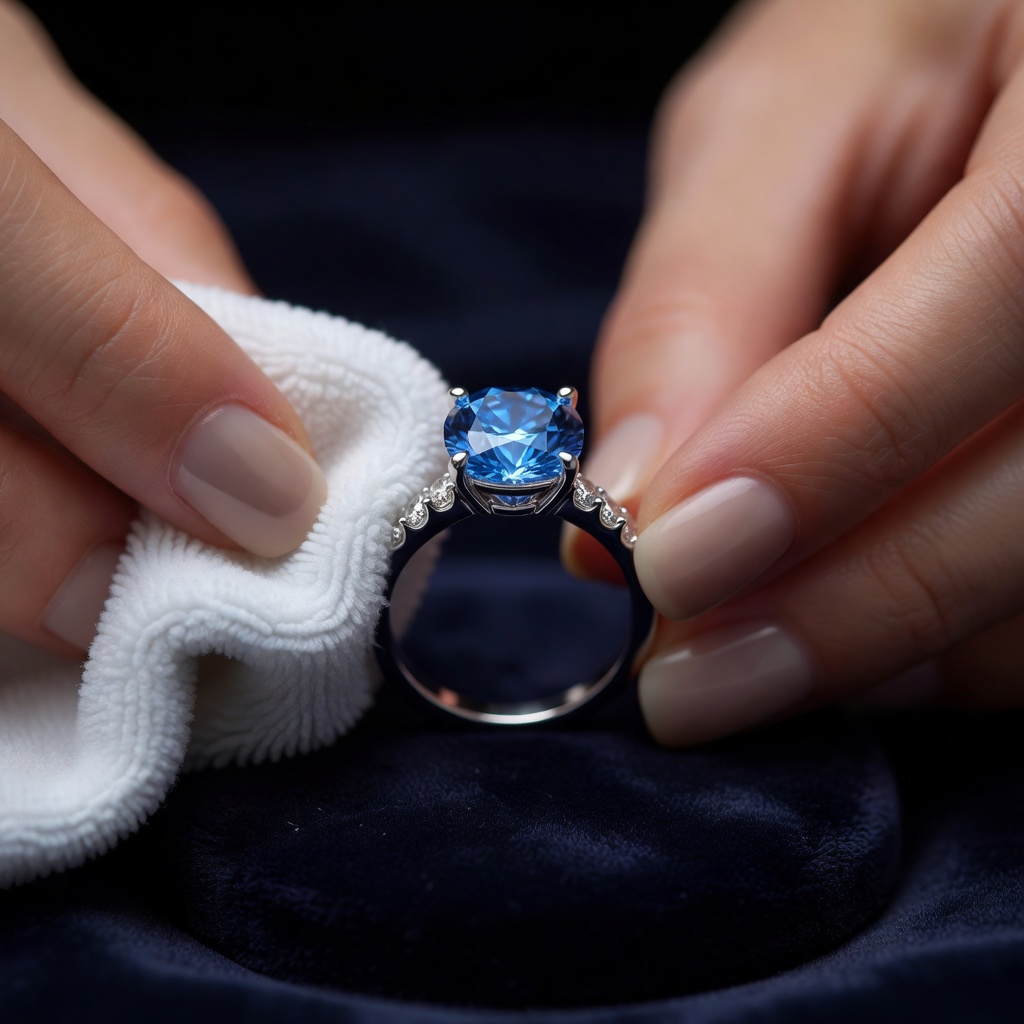
Rinsing requires equal attention to detail; hold the piece under warm running water, rotating it to ensure soap residue washes completely away from beneath the stone where trapped suds can create irritating skin reactions or attract new dirt immediately. For drying, avoid paper towels or tissues that might leave lint fibers or scratch softer metal settings; instead, employ a lint-free microfiber cloth specifically designated for jewelry use, patting rather than rubbing the piece dry. Some enthusiasts prefer using a hairdryer set to cool air to eliminate water spots, particularly for intricate settings where moisture might linger. This meticulous approach to home diamond cleaning maintains the stone's laboratory-grade sparkle while safeguarding delicate treatments and mountings.
Professional Cleaning Services and Risks
While home maintenance forms the foundation of blue diamond preservation, periodic professional diamond cleaning remains essential for addressing accumulated buildup in inaccessible setting areas and assessing structural integrity. However, not all professional cleaning methods suit every blue diamond, particularly those with color enhancements that respond poorly to aggressive techniques. Ultrasonic cleaning safety represents a primary concern for owners of treated stones; these devices utilize high-frequency sound waves that create microscopic bubbles in cleaning solution, effectively scrubbing jewelry through cavitation. While natural blue diamonds typically withstand this process, irradiated or HPHT-treated stones may suffer internal fracturing or color instability when subjected to intense vibrations that exploit microscopic inclusions or treatment-induced stress fractures.
Steam cleaning presents similar limitations regarding temperature sensitivity for enhanced stones. Professional jewelers often employ pressurized steam to dissolve stubborn residues, yet the extreme heat—sometimes exceeding 300 degrees Fahrenheit—can potentially alter the color centers created through irradiation or cause thermal shock in stones with internal treatments. Before consenting to any professional cleaning, owners must explicitly disclose their stone's treatment history and request that technicians adjust methods accordingly. Reputable establishments specializing in fancy colored diamonds will offer alternative cleaning methods including manual steam with controlled temperature parameters or specialized enzyme solutions that break down organic matter without mechanical vibration.
The recommended frequency for professional diamond cleaning varies based on wear patterns, with regularly worn pieces benefiting from expert attention every six to twelve months. Crucially, these visits should coincide with comprehensive inspections of prong integrity, setting security, and stone stability—services that transcend mere aesthetics to prevent loss. When selecting a professional, seek jewelers certified by the Gemological Institute of America (GIA) or American Gem Society (AGS) who maintain specific expertise in colored diamond maintenance, as these specialists possess the spectroscopic equipment and treatment knowledge necessary to identify potential risks before cleaning begins. Maintaining a relationship with such experts ensures your blue diamond receives museum-quality care appropriate to its rarity and value.
Proper Storage and Organization
Implementing strategic blue diamond storage tips proves equally important as cleaning protocols, as improper storage accounts for a surprising percentage of gemstone damage and loss incidents. The fundamental principle of jewelry preservation requires storing each piece individually to prevent contact with other gemstones or metals that might scratch settings or chip stones. Despite diamond's supreme hardness, they can scratch other diamonds and seriously damage softer gemstones like pearls, opals, or emeralds when tossed together in jewelry boxes. Invest in a high-quality jewelry box featuring individual lined compartments, soft velvet dividers, or separate fabric pouches for each item, ensuring that rings cannot knock against pendants or bracelets during drawer opening and closing.
Environmental controls significantly impact long-term preservation, particularly regarding humidity and temperature fluctuations. Excessive moisture accelerates tarnishing in silver settings and can compromise certain types of treated stones over extended periods, while extreme dryness may cause certain organic setting materials to become brittle. Ideally, store blue diamond jewelry in a climate-controlled environment maintaining consistent room temperature between 65-75 degrees Fahrenheit with relative humidity around 45-55%. Avoid bathroom storage where shower steam creates humidity spikes, and never place pieces in direct sunlight which can fade certain treatments or cause thermal expansion that loosens settings over time.
Travel storage demands particular attention to security and protection. When transporting blue diamond pieces, utilize hard-shell travel cases with individual foam slots or padded rolls that immobilize items completely, preventing movement that could cause abrasion. For high-value specimens, consider portable safes or hotel room security boxes rather than leaving items in luggage or unattended hotel rooms. Additionally, maintain photographic documentation of your jewelry stored separately from the pieces themselves, creating visual records that assist in identification and insurance claims should loss occur. These comprehensive blue diamond storage tips transform passive keeping into active preservation, ensuring your treasures remain pristine whether worn daily or stored for decades.
Inspecting for Damage and Wear
Proactive jewelry inspection represents a critical yet often neglected component of comprehensive blue diamond jewelry maintenance, enabling early detection of potential failures before they result in stone loss or irreparable damage. Develop a monthly routine—perhaps coinciding with bill-paying or other regular calendar events—to examine your pieces under bright, diffused lighting using a 10x jeweler's loupe or strong magnifying glass. Focus particular attention on prong integrity, examining each metal claw for signs of thinning, cracking, or bending that might indicate the stone is becoming loose. Natural wear patterns typically show uniform thinning at prong tips, while damage from impact might present as bent or lifted prongs that no longer securely contact the diamond's girdle.
Identifying loose stones early requires understanding subtle warning signs that precede catastrophic failure. Gently tap the stone with a fingernail while holding the piece to your ear; a rattling sound indicates movement within the setting requiring immediate professional attention. Similarly, observe whether the stone rotates within its mounting when lightly pressured—secure diamonds should remain completely immobile. Pay attention to snagging; if your ring frequently catches on clothing, sweaters, or hair, this often signals lifted prongs that pose imminent dropping risks. One documented case involved a 5-carat fancy intense blue diamond that survived three months of subtle loosening before finally dislodging during a handshake; the owner had ignored early snagging warnings, resulting in a frantic search and $15,000 resetting fee.
Certain warning signs demand immediate cessation of wear and emergency consultation with a master jeweler. Visible chips or cracks on the diamond itself, sudden changes in how the stone sits within its setting, or noticeable bends in the shank all indicate structural compromise requiring professional intervention. Additionally, inspect the condition of the girdle—the thin perimeter where the crown meets the pavilion—as this area concentrates stress and frequently suffers damage during daily wear. By incorporating these jewelry inspection protocols into your regular blue diamond care routine, you transform potential disasters into minor maintenance issues, preserving both the emotional and financial value of your extraordinary gemstones.
Insurance, Appraisal, and Documentation
Comprehensive fancy blue diamond care extends beyond physical maintenance to encompass robust documentation and risk management strategies that protect your financial investment against loss, theft, or damage. Given the extraordinary value appreciation observed in natural blue diamonds—with some vivid specimens increasing 500% in value over the past two decades—maintaining current appraisals becomes essential for ensuring adequate insurance coverage. Industry standards recommend updating appraisals every two to three years for investment-grade stones, or immediately following significant market fluctuations in the colored diamond sector. These appraisals must specifically identify the stone as natural versus treated, document exact color grades using standardized terminology (Faint, Very Light, Fancy Light, Fancy, Fancy Intense, Fancy Vivid, Fancy Deep), and include precise carat weights and clarity characteristics.
Photographic documentation serves multiple protective functions within diamond insurance documentation protocols. Capture high-resolution images showing the stone's face-up appearance, profile views highlighting cut proportions, and microscopic images of inclusions that serve as unique identifying characteristics—nature's fingerprints that distinguish your specific stone from others. Update these photographs following professional cleaning sessions when the stone appears at maximum brilliance, creating timestamped visual records that assist law enforcement in recovery efforts and insurance adjusters in valuation disputes. Some collectors additionally obtain spectroscopic reports or secure blockchain-based digital certificates that create immutable provenance records.
Selecting appropriate insurance requires working with carriers specializing in high-value jewelry rather than standard homeowner's policies that often impose per-item limits or fail to cover mysterious disappearance. When engaging jewelers for maintenance, specifically seek establishments with certified colored diamond specialists on staff—professionals who understand the nuances between Type IIb natural blues and treated alternatives, and who maintain appropriate security protocols for handling six or seven-figure stones. These specialists can also facilitate access to niche insurance markets that understand the unique liquidity and valuation challenges of fancy colored diamonds. By treating documentation and insurance as integral components of fancy blue diamond care, owners create comprehensive protection systems that safeguard both the tangible and intangible value of these extraordinary assets.
Common Cleaning Mistakes to Avoid
Understanding proper colored diamond maintenance requires equal awareness of common errors that compromise stone integrity and setting security. Perhaps the most pervasive misconception involves the use of harsh household chemicals including bleach, acetone, chlorine, and ammonia-based cleaners. While these agents effectively sanitize surfaces, they wreak havoc on jewelry, eroding gold alloys and potentially reacting with color treatments in enhanced blue diamonds. Chlorine exposure proves particularly insidious; regular swimming pool attendance while wearing blue diamond jewelry creates cumulative damage to prongs and settings that may not manifest visibly for months, suddenly resulting in stone loss during routine activities. Similarly, acetone-based nail polish removers can dissolve certain types of filling treatments used in clarity-enhanced stones, permanently altering appearance and value.
Abrasive materials present another category of diamond cleaning mistakes that owners frequently commit in attempts to achieve maximum sparkle. Toothpaste, baking soda, powdered cleansers, and even paper towels contain microscopic abrasive particles that scratch metal settings, creating entry points for moisture and chemicals that accelerate deterioration. While these materials might temporarily brighten the stone, they simultaneously damage the precious metal mounting, potentially requiring expensive re-plating or complete remounting. Additionally, abrasive cleaning can round sharp facet edges on softer stones occasionally paired with diamonds in jewelry settings, diminishing the overall piece's value and appearance.
Thermal shock represents a less obvious but equally devastating error, particularly for treated stones. Exposing blue diamonds to extreme temperature fluctuations—such as washing hands with hot water immediately after exposure to freezing outdoor temperatures, or vice versa—creates differential expansion between the diamond and its metal setting. This mechanical stress can loosen prongs or, in severe cases, fracture treated stones containing internal stress from irradiation processes. Similarly, using boiling water for cleaning, a folk remedy sometimes suggested online, risks catastrophic thermal shock and should never be attempted. By avoiding these common pitfalls and adhering to gentle, temperature-stable cleaning methods, owners ensure their blue diamonds maintain both optical perfection and structural integrity across generations.
Long-Term Maintenance Strategy
Developing a sustainable Blue Diamond Care and Cleaning strategy requires personalized planning that accounts for individual wear patterns, lifestyle factors, and the specific characteristics of your stones. Rather than adopting generic cleaning schedules, create a customized calendar that reflects actual usage; a blue diamond engagement ring worn daily requires weekly home cleaning and quarterly professional inspection, while a special-occasion pendant might need only monthly dusting and biennial expert assessment. Document these schedules in digital calendars with reminder alerts, treating maintenance appointments with the same seriousness as medical check-ups or tax deadlines. This systematic approach prevents the gradual accumulation of damage that occurs when maintenance procrastination becomes habitual.
Cultivating relationships with certified colored diamond specialists proves invaluable for long-term diamond longevity, as these professionals provide continuity of care that generic jewelry chains cannot match. Seek out master jewelers who maintain GIA Graduate Gemologist credentials and specific experience with fancy colored diamonds, establishing rapport that allows them to track your stone's condition across decades. These specialists can identify subtle changes in treatment stability, setting wear patterns, or stone integrity that unfamiliar eyes might miss, and they maintain detailed service records that enhance resale value by demonstrating consistent professional care. Consider engaging the same appraiser consistently to ensure valuation continuity and trend analysis regarding your stone's market appreciation.
Finally, approach blue diamond ownership with heirloom consciousness, recognizing that proper maintenance today creates legacy value for future generations. Educate family members regarding the specific care requirements of your stones, creating written care guides that accompany the jewelry during inheritance transitions. Photograph your pieces being worn during significant life events, creating provenance documentation that adds historical value beyond the stones' intrinsic worth. By embedding blue diamond care within broader legacy planning—including trust structures, specific bequest language in wills, and family tradition development—you ensure that these extraordinary gemstones continue telling your family's story while appreciating in value for centuries to come.
Frequently Asked Questions About Blue Diamond Care
Can I use ultrasonic cleaners on blue diamonds?
While natural blue diamonds can sometimes withstand ultrasonic cleaning, treated stones (irradiated or HPHT) may be damaged by vibrations. Always consult a gemologist before using ultrasonic devices, and consider gentler hand-cleaning methods for investment-grade pieces.
How often should I clean my blue diamond jewelry?
Perform light cleaning at home every 1-2 weeks using mild soap and water to remove oils and lotions. Schedule professional cleaning and inspection every 6-12 months, or immediately if you notice reduced brilliance or loose settings.
Do blue diamonds require different care than white diamonds?
Blue diamonds share the same hardness (10 on Mohs scale) as colorless diamonds, but treated blue diamonds require gentler care. Avoid high-heat steam cleaning and harsh chemicals that might affect color treatments, whereas natural blues are slightly more resilient.
What is the safest home cleaning solution for blue diamonds?
Mix warm (not hot) water with a few drops of mild dish soap. Soak for 20-30 minutes, gently brush with a soft baby toothbrush, rinse thoroughly, and pat dry with a lint-free microfiber cloth. Never use toothpaste, baking soda, or commercial jewelry dips.
Can chlorine damage my blue diamond ring?
Chlorine won't directly damage the diamond itself but can erode gold and platinum settings over time, potentially causing stone loss. Additionally, chlorine may react with certain diamond treatments. Always remove blue diamond jewelry before swimming or using hot tubs.
How should I store blue diamond rings when not wearing them?
Store each piece individually in soft cloth pouches or lined jewelry boxes with separate compartments. Keep away from other gemstones that might scratch the metal settings, and maintain consistent room temperature away from direct sunlight and humidity extremes.
Are treated blue diamonds harder to care for than natural ones?
Yes, treated blue diamonds require more cautious care. Avoid high-heat steam cleaning, ultrasonic vibrations, and sudden temperature changes that could potentially affect the color treatment. Natural blue diamonds are more stable but still deserve gentle handling.
Can I shower while wearing my blue diamond jewelry?
It's not recommended. Soap scum can build up under the stone, dulling its brilliance, and shower products may contain chemicals that affect both the stone and setting. Additionally, loose stones can easily slip down drains. Remove jewelry before showering or bathing.