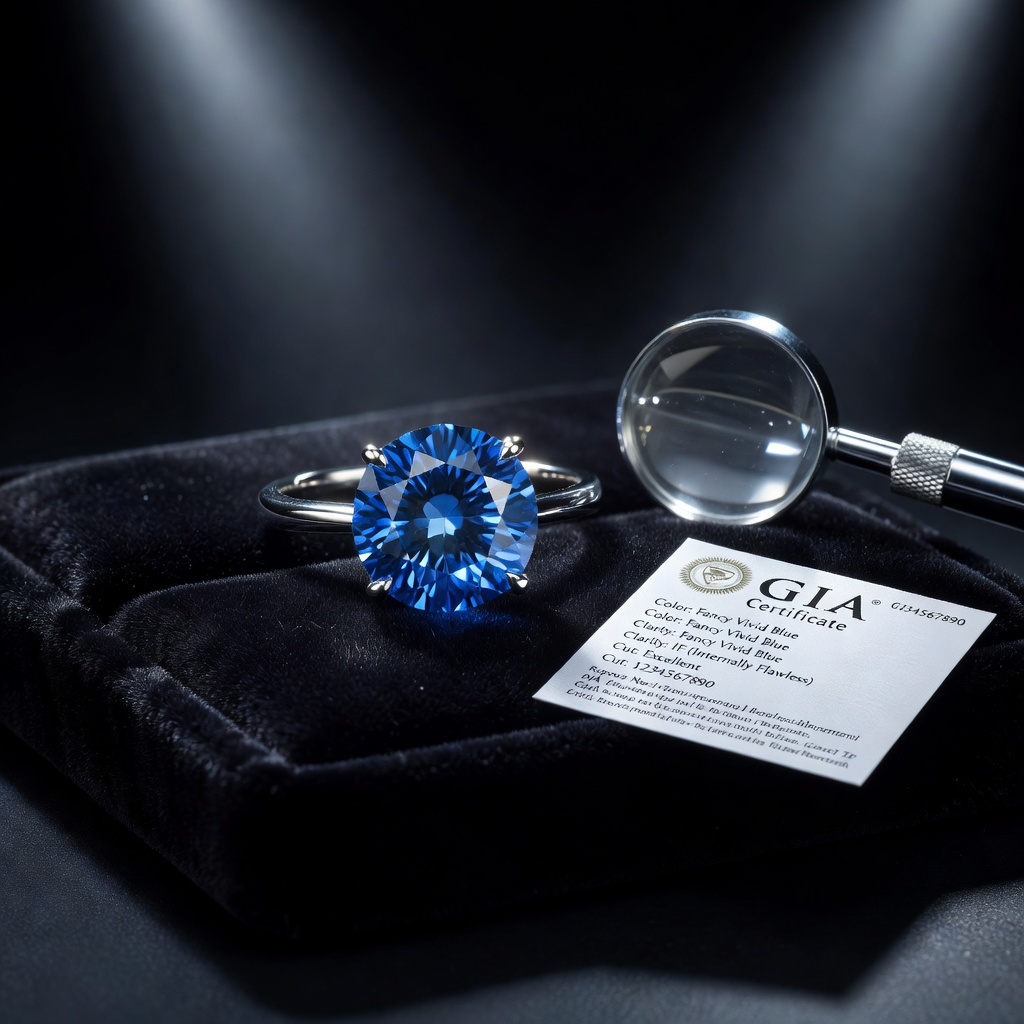
The Definitive Blue Diamond Buying Guide: Expert Strategies for Acquiring Nature's Rarest Treasures
Navigating the purchase of a blue diamond represents one of the most significant decisions in fine jewelry acquisition, requiring specialized knowledge beyond traditional diamond buying. Whether you are seeking an extraordinary engagement ring, a collectible investment piece, or a legacy asset to pass through generations, understanding the nuances of these exceptional gemstones protects both your financial investment and emotional satisfaction. This comprehensive blue diamond buying guide equips you with the expertise to evaluate quality, authenticate natural origin, and negotiate the specialized marketplace where these boron-infused rarities command premiums exceeding those of any other fancy colored diamond category.
What Makes Blue Diamonds Extraordinarily Rare
The formation of natural blue diamonds requires geological conditions so specific that gemologists consider them among nature's most improbable creations. Unlike white diamonds formed from pure carbon crystallized under intense heat and pressure, blue diamonds develop when trace amounts of boron become incorporated into the crystal lattice during formation over one to three billion years ago. This boron contamination, occurring at depths exceeding 400 miles beneath Earth's surface, absorbs red, yellow, and green light wavelengths while transmitting blue, creating the mesmerizing hue that captivates collectors worldwide.
Statistically, blue diamonds represent less than 0.1% of all diamonds mined globally, making them significantly scarcer than pink diamonds and exponentially rarer than yellow or brown fancy colored diamonds. The geological coincidence required—carbon subjected to specific radiation fields while boron remains present without nitrogen contamination—occurs in perhaps three locations worldwide, further limiting supply. When the Argyle mine in Western Australia closed in 2020, the industry lost its primary source of violet-blue diamonds, creating permanent supply constraints that continue driving market values upward.
Historical precedent underscores this rarity, with legendary stones like the 45.52-carat Hope Diamond and the 31.06-carat Wittelsbach-Graff commanding centuries of fascination and record-breaking prices. More recently, the 14.62-carat Oppenheimer Blue sold at Christie's Geneva in 2016 for $57.5 million, establishing a per-carat price of $3.93 million that remains a benchmark for fancy vivid blue diamonds. These auction milestones demonstrate that beyond their aesthetic appeal, natural blue diamonds function as concentrated stores of wealth recognized across cultures and economic conditions.
Decoding Blue Diamond Color Grades and Intensity
Understanding the GIA color scale proves essential when evaluating fancy vivid blue diamonds, as subtle variations in saturation create exponential value differences. The Gemological Institute of America grades blue diamonds across six primary intensity levels: Fancy Light, Fancy, Fancy Dark, Fancy Deep, Fancy Intense, and Fancy Vivid Blue. Fancy Vivid represents the pinnacle of color saturation, displaying pure, saturated blue without darkness or washout, while Fancy Intense offers slightly less saturation at significantly more accessible price points. Stones graded Fancy Light Blue often appear greyish or steely, making them suitable primarily for buyers prioritizing size over color impact.
Secondary undertones dramatically affect both appearance and valuation within the blue diamond color scale. Pure blue commands the highest premiums, but modifying hues of violet—particularly those from the now-depleted Argyle mine—can actually increase desirability among connoisseurs seeking unique spectral signatures. Conversely, grey undertones typically reduce value by 30-50% compared to pure blues, as they create a stormy, subdued appearance rather than electric vibrancy. Greenish-blue modifications, while interesting, generally appeal to niche collectors and trade at discounts to pure blues unless the green component creates a highly saturated teal effect.
Unlike white diamonds where clarity significantly impacts pricing, colored diamond valuation prioritizes color intensity above all other factors. A Fancy Vivid Blue diamond with SI2 clarity typically commands higher prices than a Fancy Light Blue diamond with IF (Internally Flawless) clarity, provided the inclusions do not visibly impact the stone's face-up appearance or structural integrity. When examining potential purchases, always evaluate the stone face-up rather than through the pavilion, as body color rather than transparency determines value in this specialized market.
Natural vs. Treated Blue Diamonds: Critical Differences
The marketplace contains three distinct categories of blue diamonds: natural origin stones, High Pressure High Temperature (HPHT) treated diamonds, and irradiated diamonds, each requiring different evaluation standards and carrying vastly different price tags. HPHT treatment involves subjecting type IIb diamonds or those with latent color centers to extreme heat and pressure simulating natural formation conditions, permanently altering the crystal structure to produce blue coloration. While physically identical to natural stones at the molecular level, these treated blue diamonds typically trade at 10-20% of natural prices, necessitating careful verification to avoid paying natural premiums for enhanced goods.
Irradiation processes expose diamonds to electron or neutron bombardment to create blue or blue-green colors, though these treatments often produce unstable hues that may fade when exposed to high heat during jewelry repair processes. Advanced spectroscopic analysis can identify these treatments through specific absorption patterns not present in natural stones, particularly in the infrared spectrum. When comparing synthetic blue diamonds vs natural origin stones, remember that laboratory-grown blues, while chemically identical, represent yet another category entirely, typically valued even below treated natural diamonds due to unlimited supply potential.
Mandatory disclosure requirements under FTC guidelines and international trade regulations require sellers to explicitly state any treatments, yet undisclosed enhancement remains a persistent issue in secondary markets. Always verify that GIA certification specifically states "Natural Color" rather than simply describing the hue, as the latter may indicate treated stones. When examining laboratory reports, look for treatment notations on the report's front page; if absent, request additional spectroscopic testing to confirm natural boron presence, as this element definitively distinguishes natural blues from treated alternatives.
The 4Cs Reimagined for Blue Diamond Purchases
Traditional diamond buying wisdom requires complete recalibration when applied to blue diamond quality factors, as color grade trumps all other characteristics in the valuation hierarchy. While white diamond buyers prioritize cut quality and clarity, colored diamond connoisseurs understand that color intensity determines 60-70% of the stone's value. When budget constraints force compromises, always reduce clarity expectations before accepting lower color grades, as a vivid blue with visible inclusions retains more value and visual impact than a pale blue with perfect clarity.
Cut optimization for blue diamonds focuses on maximizing color saturation rather than brilliance, leading to different optimal shapes than those preferred for white diamonds. Cushion and radiant cuts concentrate color in the center of the stone while minimizing light leakage, making them ideal choices for fancy colored diamonds. Round brilliant cuts, while popular for white diamonds, tend to disperse color through excessive light return, often causing blue diamonds to appear lighter than their grade suggests. Oval and pear shapes can create "bow-tie" dark areas that may enhance or detract from blue color depending on their placement, requiring careful visual inspection.
Carat weight affects blue diamond prices exponentially rather than linearly, with 2-carat stones often commanding four to six times the per-carat price of 1-carat equivalents due to extreme scarcity in larger sizes. When evaluating blue diamond clarity grades, remember that inclusions common in type IIb blue diamonds, such as internal graining or color zoning, often prove less visible than equivalent clarity grades in white diamonds because the body color masks imperfections. However, avoid stones with inclusions breaking the surface, as these create durability risks and may indicate treatment entry points.
Certification and Authentication Essentials
Proper blue diamond certification serves as your primary defense against fraud, misrepresentation, and overpayment in a market where treatments are sophisticated and origin significantly impacts value. Insist upon GIA blue diamond grading reports specifically designated as "Colored Diamond Grading Reports" rather than standard Diamond Dossiers, as the former provide detailed color origin analysis, spectral diagrams, and treatment screening results essential for high-value purchases. The report should explicitly state "Natural Origin" and "No Indications of Treatment" in the color grade section, accompanied by a plotted diagram showing inclusion positions for stones exceeding 0.15 carats.
Laser inscription verification provides additional security, with reputable laboratories inscribing the report number on the diamond's girdle where it remains visible under 10x magnification. Before finalizing any purchase, verify that the inscription matches your documentation exactly and shows no signs of tampering or re-polishing. Advanced buyers should request spectroscopic data showing boron absorption bands around 2800 cm⁻¹ in the infrared spectrum, the definitive fingerprint of natural blue diamond formation impossible to replicate in treated stones without leaving detectable anomalies.
Red flags indicating potential fraud include sellers offering "certified" stones with documentation from unknown laboratories, prices significantly below market rates for the stated quality, or vague descriptions using terms like "blue colored diamond" without specifying natural origin. Be particularly wary of stones described as "color enhanced" without specifying the treatment method, as this ambiguity often masks irradiation processes that create less stable colors. When purchasing antique blue diamonds lacking modern certification, arrange for immediate GIA submission through an escrow service, as historical documentation often predates treatment detection technologies.
Investment Potential and Market Trends
Blue diamond investment performance over the past two decades has outpaced traditional asset classes, with fancy vivid blues appreciating 12-15% annually compared to 8-10% for pink diamonds and 3-5% for white diamonds. The closure of Rio Tinto's Argyle mine in November 2020 created permanent supply shock for Argyle blue diamonds, particularly the coveted violet-blue specimens that constituted less than 1% of the mine's already limited blue production. This supply constraint, combined with increasing demand from Asian and Middle Eastern collectors, supports continued price appreciation independent of general economic conditions affecting traditional investment vehicles.
Auction records demonstrate the liquidity and value retention of top-tier blue diamonds, with the 12.03-carat Blue Moon of Josephine selling for $48.5 million ($4 million per carat) in 2015, and the 13.22-carat Winston Blue achieving $23.8 million in 2014. However, investment buyers should focus on stones exceeding 1 carat with Fancy Intense or Fancy Vivid grades, as smaller or lighter stones lack the scarcity required for significant appreciation. Portfolio diversification strategies suggest allocating 5-10% of tangible assets to rare colored diamonds, with blue diamonds serving as the "blue chip" component of such holdings due to their established auction history and universal recognition.
When considering blue diamond prices as investment indicators, understand that retail markups vary dramatically between dealers, with some applying 100-200% premiums over wholesale auction prices while specialized dealers may work on 15-25% margins. For investment purposes, purchase through auction houses or specialized dealers offering buy-back guarantees rather than traditional jewelry retailers. Additionally, consider the illiquidity premium—the time required to sell such specialized assets—when calculating expected returns, as blue diamonds may require 6-18 months to liquidate at full market value compared to the immediate settlement available for publicly traded securities.
Choosing the Perfect Setting and Metal
Metal selection significantly impacts the perceived color of blue diamond engagement rings, with 18k white gold and platinum providing the optimal cool backdrop that enhances blue saturation without introducing competing warm tones. These white metals create contrast that makes the diamond appear more vivid by reflecting blue light back through the stone while maintaining neutral surroundings. Conversely, 18k yellow gold settings can make lighter blue diamonds appear greyish or muddy by introducing warm reflections, though they may enhance stones with violet secondary hues by complementing the purple undertones.
Setting styles for blue diamond jewelry settings must balance aesthetic presentation with physical protection, as type IIb diamonds sometimes exhibit directional hardness variations requiring careful orientation during mounting. Bezel settings offer maximum protection for the girdle and pavilion while creating a contemporary aesthetic that frames the colored center stone, though they may slightly reduce light return compared to prong settings. Four-prong basket settings in platinum maximize light exposure from all angles, optimizing the stone's ability to display color saturation while allowing easy cleaning access to maintain brilliance.
Halo settings featuring colorless diamonds versus solitaire presentations create different optical effects worthy of consideration. A micro-pavé halo of D-F color diamonds creates scintillation that makes the center blue diamond appear larger and more saturated by contrast, though the setting must precisely match the blue stone's temperature to avoid making it appear dark. Solitaire settings emphasize the rarity and singularity of the blue diamond itself, appropriate for investment-grade stones where minimizing metal weight maximizes the proportion of value residing in the gemstone. For daily wear rings, consider cathedral settings that raise the stone above the band, protecting it from impact while allowing light entry through the pavilion.
Where to Buy Blue Diamonds Safely
When you decide to buy blue diamonds online or through physical channels, prioritize established dealers with specialized expertise in fancy colored diamonds rather than general jewelry retailers. Reputable auction houses including Sotheby's, Christie's, and Bonhams regularly feature certified blue diamonds with established provenance, though buyer's premiums (typically 20-25%) must be factored into pricing calculations. Specialized online dealers such as Leibish & Co., Astteria, and Rare Colored Diamonds offer extensive inventories with high-resolution photography, 360-degree videos, and GIA certification, often at lower markups than brick-and-mortar establishments due to reduced overhead costs.
Essential questions to ask blue diamond dealers include specific inquiries about the stone's mining origin (Argyle, Cullinan, or alluvial sources), exact treatment status verified through spectroscopy, and return policies allowing independent verification. Request "diamond flipping" videos showing the stone under different lighting conditions—natural daylight, fluorescent office lighting, and incandescent warmth—to evaluate color stability across environments. For purchases exceeding $50,000, insist upon escrow services that release funds only after you receive and approve the stone, protecting both parties in high-value transactions.
Understanding upgrade programs proves particularly important for blue diamond acquisitions, as many specialized dealers offer lifetime trade-up policies allowing full credit toward larger or more intensely colored stones. Verify whether these programs require doubling the purchase price (common in white diamond retail) or simply paying the difference between stones (preferred for colored diamonds). Avoid dealers unwilling to provide GIA certification included in the purchase price or those pressuring immediate decisions without inspection periods. When purchasing internationally, confirm that the seller handles import documentation and that you understand applicable duties, as fancy colored diamonds may face different tariff classifications than standard jewelry.
Care and Maintenance Best Practices
Proper blue diamond care requires understanding whether your stone is natural or treated, as irradiated diamonds may experience color instability if exposed to the high heat of jewelry repair torches or steam cleaning equipment. For all blue diamonds, clean using mild dish soap, warm water, and a soft-bristled brush, avoiding ultrasonic cleaners that might loosen treatments or damage fragile settings. Professional cleaning twice yearly by a jeweler experienced with colored diamonds ensures that prongs remain secure and that the stone's unique optical properties remain unobstructed by accumulated debris.
Insurance appraisal requirements for colored diamonds exceed those for white stones, necessitating specialized coverage through riders on homeowner's policies or dedicated jewelry insurance through companies like Chubb, Jewelers Mutual, or Lavalier. Ensure your policy provides "agreed value" coverage rather than "actual cash value," as the latter may only reimburse replacement with a treated stone rather than the natural rarity you purchased. Update appraisals every two to three years, as the rapid appreciation of blue diamond prices may leave you underinsured if valuations become outdated.
Storage recommendations for colored diamond maintenance include keeping blue diamonds separate from other jewelry to prevent scratching (diamonds can scratch other diamonds), storing in soft pouches rather than plastic bags that may create static electricity attracting dust, and avoiding prolonged exposure to direct sunlight for treated stones. When traveling, carry blue diamonds in hand luggage rather than checked baggage, and consider using discrete travel jewelry cases that don't advertise valuable contents. For investment stones not regularly worn, consider safe deposit boxes with climate control, though maintain photographs and documentation in separate secure locations to facilitate insurance claims if necessary.
Frequently Asked Questions
Are blue diamonds real diamonds or are they treated gemstones?
Blue diamonds are absolutely real diamonds. Natural blue diamonds form when trace amounts of boron are present during crystallization. However, many blue diamonds on the market are treated through HPHT or irradiation processes to enhance or create color. Always request GIA certification to verify whether your blue diamond is natural or treated.
Why are blue diamonds significantly more expensive than white diamonds?
Blue diamonds command premium prices due to extreme rarity—they constitute less than 0.1% of global diamond production. The Argyle mine, which produced most of the world's blue diamonds, has closed, further limiting supply. Additionally, the boron inclusion that creates the blue color is geologically rare, making each natural stone a collector's item.
How can I tell if a blue diamond is natural or treated?
Only laboratory certification from GIA or AGS can definitively distinguish natural from treated blue diamonds. Natural stones typically show uneven color distribution and specific spectroscopic signatures. Treated diamonds often display uniform coloration. Never purchase a blue diamond without accompanying certification that specifically addresses treatment status.
What is the best color grade to choose when buying a blue diamond?
Fancy Vivid Blue represents the pinnacle of blue diamond color and commands the highest prices. However, Fancy Intense Blue offers excellent saturation at more accessible price points. Fancy Light Blue provides entry-level access but may appear greyish. Avoid stones with green or grey undertones unless specifically seeking those hues.
Are blue diamonds a good investment compared to pink or yellow diamonds?
Blue diamonds have shown exceptional investment performance, often outperforming traditional assets. While pink diamonds (also from the now-closed Argyle mine) have seen dramatic appreciation, blue diamonds benefit from broader market recognition and consistent auction demand. Their extreme scarcity supports long-term value retention better than yellow diamonds.
What is the difference between a blue diamond and a blue sapphire?
Blue diamonds are composed of carbon with boron inclusions, ranking 10 on the Mohs hardness scale with exceptional brilliance. Blue sapphires are corundum (aluminum oxide), ranking 9 on Mohs scale, with different optical properties including pleochroism. Diamonds exhibit more fire and scintillation, while sapphires typically show deeper, more velvety color saturation.
Where do natural blue diamonds come from?
Historically, the Argyle mine in Western Australia was the primary source of blue diamonds, particularly the rare violet-blue varieties. The Cullinan mine in South Africa also produces notable blue diamonds, including the famous Hope Diamond. Very occasionally, blue diamonds are found in the Golconda region of India and the Letseng mine in Lesotho.
How should I care for blue diamond jewelry to maintain its value?
Clean blue diamonds using mild soap, warm water, and a soft brush, avoiding ultrasonic cleaners if the stone is treated. Store separately to prevent scratching other jewelry. Have the setting checked biannually by a jeweler. Ensure your insurance policy covers colored diamonds specifically, as standard jewelry coverage may undervalue rare blues.