Introduction to Bloodstone
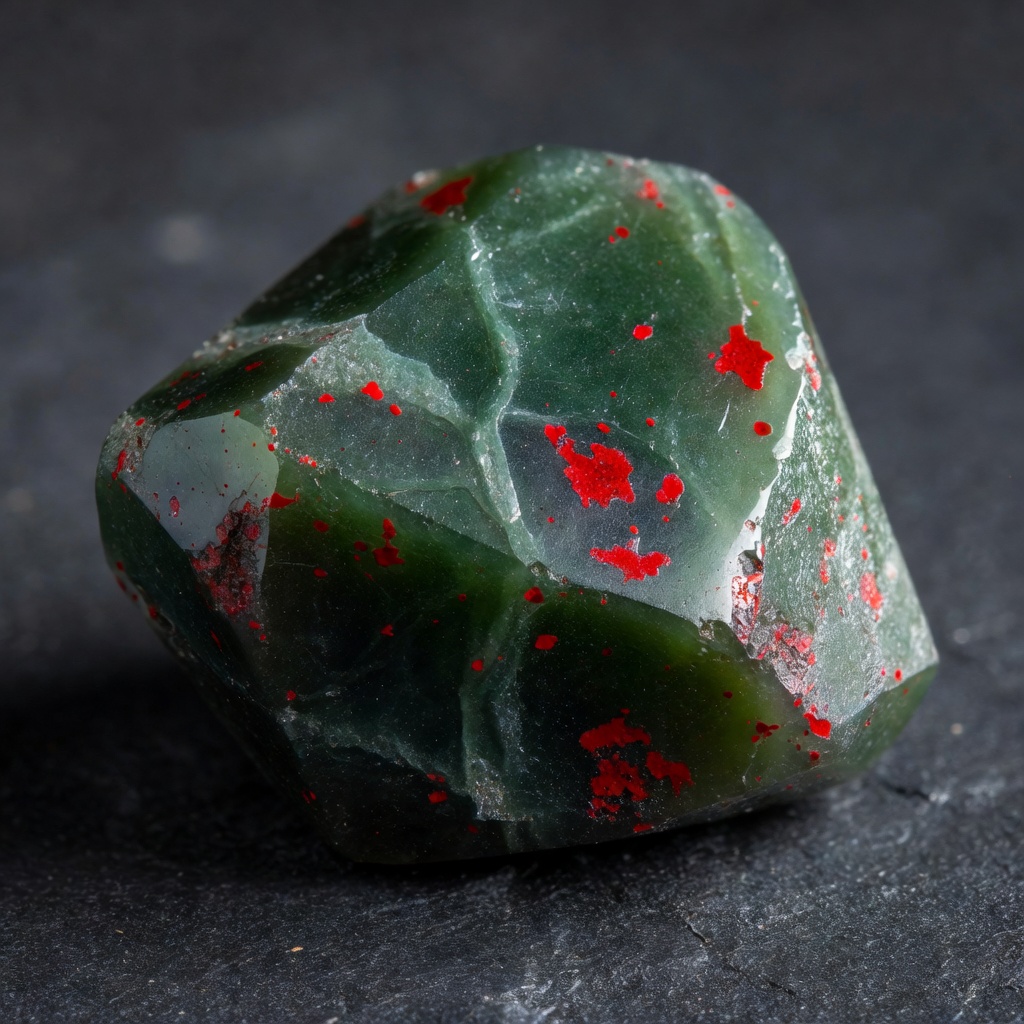
Bloodstone stands as one of the most visually striking varieties of chalcedony quartz, distinguished by its deep forest-green base punctuated with vivid red speckles that resemble droplets of blood. Known historically as the heliotrope gemstone, this captivating crystal has earned its dramatic name from the iron oxide inclusions that create its signature spotted appearance, though ancient civilizations often referenced its ability to reflect sunlight in reddish hues. When exploring comprehensive Bloodstone Properties and Information, it becomes evident that this stone bridges the gap between geological wonder and metaphysical powerhouse, offering practitioners and collectors alike a multifaceted tool for physical vitality and spiritual protection. Throughout this detailed guide, we will examine the complete spectrum of bloodstone's attributes, from its volcanic formation processes and Mohs hardness rating to its applications in chakra healing and energy work.
Geological Composition and Formation
At its core, bloodstone is a cryptocrystalline form of silicon dioxide (SiO₂), belonging to the expansive chalcedony family that includes agate, carnelian, and onyx. The distinctive red spots that characterize this gemstone result from iron oxide inclusions, specifically hematite or jasper particles, suspended within the green chalcedony matrix during the stone's formation millions of years ago. These iron-rich deposits create the blood-like speckles that range from tiny pinpricks to larger blotches, sometimes accompanied by yellow or brown mineral inclusions that add to each specimen's unique fingerprint.
The formation of heliotrope gemstone deposits typically occurs in two distinct geological environments: volcanic cavities where silica-rich fluids precipitate over time, and sedimentary rock formations where mineral-laden groundwater slowly replaces organic material. This dual formation process explains the variation in texture and spot density found across different mining regions. Primary sources of high-quality bloodstone include the Kathiawar Peninsula in India, which produces specimens with the most vivid green backgrounds and distinct red spotting, as well as significant deposits in Australia, Brazil, China, and the United States—particularly in California and Nevada where volcanic host rocks provide ideal conditions for chalcedony development.
Physical Characteristics and Identification
Authentic bloodstone presents a deep green to dark green base color that serves as the canvas for its characteristic red, brown, or occasionally yellow spots, creating a visual effect reminiscent of blood splatters on moss or foliage. The green coloration derives from chlorite minerals or hornblende needles within the chalcedony structure, while the spots maintain a distinctly organic, random distribution rather than geometric patterns. When examining bloodstone identification characteristics, gemologists note a hardness rating of 6.5 to 7 on the Mohs scale, making it sufficiently durable for jewelry applications while still requiring protection from harder materials like diamonds or sapphires.
Distinguishing natural bloodstone from imitations requires careful observation of several key factors. Genuine specimens exhibit specific gravity ranging from 2.61 to 2.65 and feel noticeably cool to the touch due to chalcedony's thermal conductivity. Dyed agates or glass imitations often display unnaturally uniform color saturation or perfectly circular spots that lack the organic randomness of natural iron oxide inclusions. When viewed under magnification, real bloodstone shows natural mineral banding and spot textures, whereas dyed alternatives may reveal color concentration in surface cracks or display a complete absence of the microscopic crystalline structure characteristic of authentic chalcedony.
Historical Significance and Ancient Lore
The bloodstone crystal meaning has evolved across millennia, with archaeological evidence indicating its use in ancient Babylon for cylinder seals and protective amulets dating back to 3000 BCE. Egyptian warriors carried bloodstone into battle, believing it granted them invincibility and stanched bleeding wounds, while Roman soldiers favored carved bloodstone intaglios depicting Mars or wolves to enhance their ferocity and physical strength. These ancient applications established the foundation for bloodstone's enduring reputation as a stone of courage and physical vitality.
Medieval Christian tradition imbued bloodstone with profound religious significance, proposing that the red spots formed when drops of Christ's blood fell upon the green earth during the crucifixion—a legend that elevated the stone to sacred status among religious artifacts. During the Renaissance, European nobility commissioned elaborate bloodstone cups and platters based on the belief that the stone could prevent poisoning and detect toxins. Athletes in ancient Greece incorporated bloodstone into their training regimens, rubbing the stone on their bodies before competitions to increase endurance and prevent injury, a practice that echoes modern crystal healing applications for physical performance enhancement.
Metaphysical Properties and Energy
Contemporary crystal workers recognize bloodstone as a premier grounding stone, reputed to anchor erratic energy and create an impenetrable shield against negative influences and electromagnetic pollution. When working with Bloodstone Properties and Information from an energetic perspective, practitioners emphasize its unique ability to simultaneously ground spiritual energy into the physical body while stimulating the movement of life force, or chi, throughout the meridian system. This dual action makes it particularly valuable for individuals experiencing spiritual disconnection or those who struggle to manifest their higher purpose in practical, tangible ways.
The stone's connection to vitality extends beyond mere physical energy to encompass mental clarity and intuitive enhancement. During meditation practices, holding bloodstone or placing it on the lower abdomen is said to quiet mental chatter and sharpen decision-making abilities, especially during high-pressure situations. Many energy workers report that bloodstone helps dissolve confusion and overwhelm by promoting a "warrior's mindset"—the ability to remain calm, focused, and strategically minded regardless of external chaos. This makes it an excellent companion stone for entrepreneurs, emergency responders, and anyone navigating significant life transitions requiring both courage and clear thinking.
Healing Benefits and Wellness Applications
Traditional healing systems have long associated bloodstone healing benefits with blood purification and circulatory support, with medieval lapidaries recommending the stone for nosebleeds, blood disorders, and hemorrhages. Modern crystal healing practitioners often place bloodstone on the heart or pulse points during sessions intended to support cardiovascular health and blood oxygenation, though these applications should complement rather than replace conventional medical treatment. The stone's iron content and deep red associations make it a natural choice for addressing anemia, menstrual irregularities, and post-surgical recovery where blood rebuilding is essential.
Beyond physical blood-related applications, bloodstone supports detoxification processes, particularly liver and kidney function, by supposedly stimulating the body's elimination channels and encouraging the release of accumulated toxins. Emotional healing practitioners utilize bloodstone for anger management and resilience building, as its steady, grounding frequency helps transmute volatile emotions into constructive action. Case studies in crystal therapy often highlight bloodstone's effectiveness for individuals recovering from burnout or emotional trauma, where its energy promotes the rebuilding of personal boundaries and the restoration of depleted vital forces through sustained, gentle energetic support.
Chakra Alignment and Spiritual Connection
Bloodstone chakra alignment primarily targets the Root Chakra (Muladhara), located at the base of the spine, where its deep green and red frequencies work to establish profound grounding and physical security. When this chakra becomes blocked or overactive, individuals may experience anxiety, financial instability, or disconnection from their bodies; bloodstone's stabilizing energy helps recalibrate the Root Chakra, fostering a sense of safety and embodied presence essential for all higher spiritual work. The stone's iron-rich composition resonates strongly with the earth element, making it ideal for chakra balancing practices focused on manifestation and physical world navigation.
Secondary connections to the Heart Chakra introduce qualities of courage, selflessness, and emotional balance, allowing bloodstone to bridge the gap between survival instincts and compassionate action. Effective techniques for using bloodstone in chakra work include lying down with the stone placed at the base of the spine during Root Chakra meditation, or wearing bloodstone jewelry that sits near the heart center to integrate courage with emotional openness. Some practitioners create chakra layouts placing bloodstone at the Root, rose quartz at the Heart, and amethyst at the Crown to establish a grounded yet spiritually connected energy column that facilitates kundalini awakening while maintaining safety and stability.
Practical Applications and Daily Use
Incorporating Bloodstone Properties and Information into daily routines begins with strategic jewelry selection, as wearing bloodstone rings or bracelets maintains continuous skin contact, allowing its stabilizing vibrations to synchronize with the body's biofield throughout the day. Athletes and fitness enthusiasts often favor bloodstone bead bracelets during workouts, reporting enhanced endurance and faster recovery times, while professionals in high-stress environments benefit from pocket stones or bloodstone worry beads that provide tactile grounding during meetings or challenging negotiations. For maximum energetic benefit, choose pieces that position the stone against pulse points such as the wrist or throat, where blood flow amplifies the crystal's resonance with the circulatory system.
Environmental placement offers another avenue for harnessing bloodstone's protective and motivating qualities. Positioning bloodstone specimens near entryways creates an energetic barrier against negative influences entering the home, while desk placement supports sustained focus and decisive action in office environments. Crystal grids incorporating bloodstone with complementary stones like black tourmaline (for protection), carnelian (for vitality), and clear quartz (for amplification) create powerful vortexes of grounded energy ideal for manifestation work or healing spaces. Many practitioners also place bloodstone under pillows or mattresses to prevent nightmares and promote restorative sleep, particularly for individuals prone to night terrors or sleep paralysis.
Care, Cleansing, and Maintenance
Proper bloodstone care tips begin with physical cleaning using mild soap and lukewarm water, gently scrubbing with a soft toothbrush to remove accumulated oils or debris without scratching the surface. Avoid harsh chemical cleaners, ultrasonic devices, or steam cleaning methods that might compromise the stone's polish or penetrate microscopic fractures common in chalcedony varieties. After washing, pat the stone dry immediately with a soft microfiber cloth rather than allowing it to air dry, as standing water can temporarily dull the luster or seep into any treatments the stone may have received.
Energetic cleansing maintains bloodstone's vibrational potency, with moonlight bathing serving as the gentlest method—simply place the stone on a windowsill during the full moon overnight to clear accumulated negative energies. Alternative techniques include smudging with sage or palo santo smoke, burying the stone in dry earth for twenty-four hours to discharge energy back into the ground, or using sound healing methods such as singing bowls or tuning forks to break up stagnant vibrations. Storage recommendations emphasize keeping bloodstone wrapped in soft cloth or placed in individual compartments to prevent scratching from harder gemstones, and avoiding prolonged exposure to direct sunlight which may fade the vibrant green coloration over time.
Buying Guide and Quality Assessment
When evaluating bloodstone for purchase, prioritize specimens displaying intense, forest-green backgrounds rather than muddy gray-green tones, with clearly defined red spots distributed naturally across the surface rather than clustered artificially. Premium bloodstone identification markers include translucency when held to light, indicating high-quality chalcedony structure, and the presence of both red and yellow spotting, which some collectors consider more desirable than red alone. Be wary of stones showing perfectly uniform color or spots that appear painted on, as these indicate dyed agate imitations commonly sold as genuine bloodstone in unregulated markets.
Price factors vary significantly based on origin, with Indian bloodstone commanding premium prices due to its historical reputation for superior color contrast and spot density. Craftsmanship quality also affects value, particularly in carved pieces or cabochons where polish quality reveals the stone's true luster. When purchasing, seek reputable dealers who provide specific origin information and allow close inspection of the stone's natural variations. Request certification for investment-grade specimens, and avoid deals that seem disproportionately inexpensive, as genuine high-quality bloodstone requires specific geological conditions that limit supply. Understanding these quality markers ensures you acquire authentic bloodstone capable of providing the full spectrum of metaphysical and aesthetic benefits this remarkable gemstone offers.
Frequently Asked Questions About Bloodstone
What is bloodstone good for?
Bloodstone is traditionally used for grounding, protection, and vitality. It's believed to boost courage, support blood-related health issues, enhance mental clarity, and provide emotional resilience during challenging situations.
How can you tell if bloodstone is real?
Genuine bloodstone exhibits a deep green chalcedony base with natural red, brown, or yellow iron oxide spots that appear organic and random. Real bloodstone feels cool to the touch, has a hardness of 6.5-7 on the Mohs scale, and shows natural variations rather than uniform patterns found in dyed imitations.
What chakra is bloodstone associated with?
Bloodstone primarily resonates with the Root Chakra (Muladhara) for grounding and stability, but also connects to the Heart Chakra for courage and emotional healing. It's particularly effective for balancing the lower chakras and promoting physical energy flow.
Is bloodstone the same as heliotrope?
Yes, bloodstone and heliotrope refer to the same gemstone. Heliotrope is the traditional mineralogical name derived from Greek words meaning 'sun' and 'turning,' referencing an old belief that the stone reflected sunlight red. Bloodstone is the common English name describing the red spots resembling blood drops.
How do you cleanse bloodstone?
Bloodstone can be cleansed by rinsing under lukewarm running water, placing it in moonlight overnight, burying it in earth for 24 hours, or using sage smoke. Avoid harsh chemicals, prolonged direct sunlight, and salt water which may damage the stone's surface over time.
Can bloodstone go in water?
Bloodstone can be briefly rinsed in clean water for cleansing purposes, but should not be soaked for extended periods or exposed to salt water. While it has a hardness of 6.5-7, prolonged water exposure may affect the polish and any treatments the stone might have received.
What zodiac sign is bloodstone for?
Bloodstone is traditionally associated with Aries (March 21 - April 19) and is considered the birthstone for March. It also resonates with Pisces, Libra, and Scorpio, supporting these signs with grounding energy, courage, and emotional balance.
Where is the best bloodstone found?
The highest quality bloodstone historically comes from India, particularly the Kathiawar Peninsula region, known for producing stones with vivid green backgrounds and distinct red spots. Other notable sources include Australia, Brazil, China, and the United States (California and Nevada).