Introduction to Bloodstone Valuation
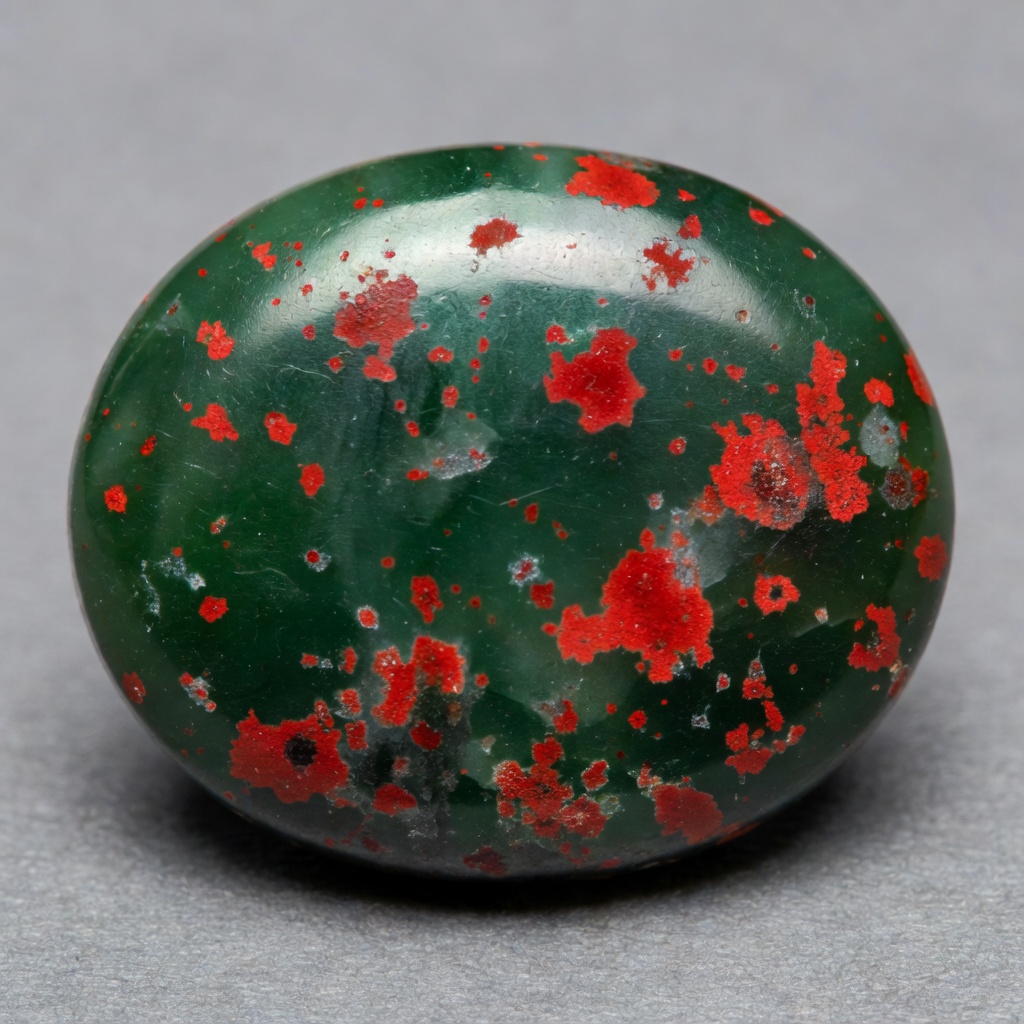
Bloodstone, scientifically known as heliotrope, represents one of the most historically significant varieties of chalcedony quartz, captivating collectors and jewelry enthusiasts for over two millennia. This distinctive gemstone features a deep green base punctuated by vivid red iron oxide spots resembling blood droplets, a visual characteristic that has inspired countless legends and metaphysical associations throughout history. Understanding the nuances of bloodstone price guide methodology requires appreciating both its geological composition as a cryptocrystalline silica mineral and its cultural significance in ancient civilizations from Babylon to medieval Europe.
The marketplace for heliotrope value exhibits remarkable variability, with identical-sized stones potentially ranging from a few dollars to several hundred dollars depending on subtle quality differentials. Unlike diamonds or sapphires with standardized grading systems, bloodstone valuation relies heavily on aesthetic appeal, origin provenance, and the subjective beauty of its characteristic red spotting patterns. This comprehensive guide demystifies the pricing structures across retail and wholesale channels, empowering collectors, jewelry designers, and metaphysical practitioners to make informed purchasing decisions while avoiding common pitfalls in an unstandardized market.
Current Bloodstone Prices Per Carat (2024)
Navigating the current bloodstone value per carat landscape requires understanding the three distinct quality tiers that dominate the 2024 marketplace. Commercial grade bloodstone, typically featuring lighter green bases with sparse or dull red spotting, currently trades between $1 and $5 per carat for standard oval and round cabochons under 20 carats. These stones often originate from newer African deposits or represent lower-grade material from traditional Indian mines, offering accessible entry points for jewelry makers and casual collectors seeking affordable green jasper bloodstone cost options.
Fine quality specimens command significantly higher bloodstone cost parameters, ranging from $10 to $30 per carat depending on specific visual characteristics. These premium stones display the coveted deep forest green base coloration with vivid, well-distributed red spots creating attractive patterning across the surface. Jewelry designers particularly seek this tier for statement pieces, as the contrast between the green chalcedony body and iron oxide inclusions creates dramatic visual impact that justifies the elevated pricing structure compared to commercial grades.
At the apex of the market, exceptional collector specimens and rare large pieces exceeding 50 carats can achieve $50 to $100+ per carat, particularly when exhibiting unusual patterns, translucency at the edges, or documented provenance from depleted historic mines. These investment-grade stones often appear at specialized gem shows or auction houses rather than retail jewelry stores, attracting serious mineral collectors who recognize the diminishing supply of museum-quality material. For example, a perfectly polished 30-carat Indian bloodstone cabochon with vivid red spotting and subtle translucency might retail for $1,500 to $2,500 in today's specialized market.
Quality Factors That Determine Bloodstone Value
Mastering bloodstone quality factors begins with evaluating the base color intensity, where deep opaque forest green chalcedony commands substantial premiums over lighter, yellowish-green variations. The most desirable specimens exhibit a nearly black-green body color that provides dramatic contrast for the characteristic red spots, creating the "blood on moss" aesthetic that defines premium heliotrope grading. Stones with grayish or brownish undertones typically fall into commercial pricing tiers regardless of their red spotting characteristics, as the base color significantly impacts the overall visual appeal and perceived value.
The density, distribution, and vividness of red iron oxide spots constitute perhaps the most critical valuation criterion, with stones featuring numerous bright red speckles evenly scattered across the surface commanding top prices. Ideal specimens display spots ranging from pinprick size to several millimeters in diameter, creating balanced patterning without clustering or bare patches. Heliotrope grading professionals particularly value stones where the red spots appear three-dimensional and slightly raised, indicating natural mineral formation rather than surface staining or artificial enhancement techniques that plague lower-end markets.
Clarity and transparency present nuanced considerations in bloodstone evaluation, as this gemstone traditionally appears opaque but may exhibit slight translucency at thin edges or in specific lighting conditions. While complete opacity remains standard and acceptable, specimens demonstrating subtle light transmission often indicate higher purity chalcedony with fewer microscopic inclusions, potentially increasing value by 20-30% among knowledgeable collectors. Cut quality and polish significantly impact final valuation, with well-executed cabochons featuring consistent domes, symmetrical shapes, and mirror-like finishes worth substantially more than poorly polished or lopsided cuts that fail to maximize the stone's pattern potential.
Bloodstone Varieties and Regional Pricing Differences
The global marketplace recognizes distinct regional varieties that significantly influence green jasper bloodstone cost structures and collector preferences. Indian bloodstone, historically sourced from the Kathiawar Peninsula in Gujarat, represents the classical standard with its deep green base and vivid red spotting, commanding premium prices across all quality tiers. These specimens typically cost 30-50% more than equivalent-sized stones from other localities due to their historical significance in lapidary arts and the depletion of traditional mines, which has created genuine scarcity for authentic Indian material in sizes exceeding 25 carats.
Australian bloodstone presents a fascinating regional variation characterized by slightly bluer-green base tones and often more abundant but smaller red spots compared to Indian material. While historically undervalued compared to classic Indian specimens, Australian bloodstone varieties have gained recognition among contemporary jewelry designers for their consistent quality and availability in larger sizes, typically pricing 15-25% below comparable Indian stones. African bloodstone, primarily from Madagascar and South African deposits, offers the most accessible entry point into the market with abundant supply keeping prices competitive, though these stones often exhibit lighter green bases and less distinct red spotting than their Asian counterparts.
Fancy cuts and designer shapes introduce additional pricing variables beyond standard oval and round cabochons, with custom-cut bloodstone commanding 40-100% premiums depending on complexity. Calibrated stones for commercial jewelry manufacturing maintain stable, predictable pricing, while freeform cabochons, fantasy cuts, or specialized shapes like marquise or pear commands higher prices due to increased rough waste and specialized labor requirements. Bloodstone varieties carved into specific motifs—such as traditional Christian symbols, scarabs, or modern abstract forms—may achieve decorative art premiums exceeding standard gemstone pricing when executed by recognized lapidary artists.
Bloodstone Jewelry Pricing Guide
Understanding bloodstone jewelry prices requires recognizing the significant markup structure between loose gemstones and finished pieces, with retail jewelry typically commanding 200-400% above raw material costs. This pricing multiplier accounts for precious metal settings, artisan labor, design intellectual property, and retail overhead, meaning a $50 bloodstone cabochon might appear in a finished silver pendant retailing for $150-$250. When evaluating bloodstone ring value, consumers should consider that the stone often represents only 20-30% of the final price, with metal type and craftsmanship dominating the cost structure.
Bloodstone ring prices vary dramatically by metal type, with sterling silver settings offering accessible entry points ranging from $75-$300 depending on stone size and design complexity. Gold mountings escalate pricing significantly, with 14k yellow or white gold rings typically starting at $300-$800 for simple solitaire designs, while elaborate Victorian-inspired or Art Deco reproduction settings with accent diamonds can exceed $2,000. The contrast between bloodstone's dark green body and yellow gold creates particularly striking aesthetic combinations that command premium positioning in the marketplace compared to silver or white gold alternatives.
Necklace and pendant pricing depends heavily on stone size relative to craftsmanship, with simple drilled bloodstone beads retailing for $20-$100 while elaborate custom-designed pendants featuring fine cabochons might cost $500-$1,500. Vintage and antique bloodstone jewelry introduces complex valuation factors including historical provenance, maker's marks, and period-specific craftsmanship techniques. Victorian-era bloodstone signet rings or mourning jewelry can command prices 300-500% above intrinsic material value due to historical significance, while Art Nouveau pieces featuring carved bloodstone leaves or floral motifs represent particularly collectible categories where artistic merit supersedes raw gemstone valuation.
Where to Buy: Retail vs Wholesale Price Comparison
Strategic sourcing significantly impacts final acquisition costs when buying bloodstone, with channel selection potentially creating 200-500% price differentials for identical quality material. Online gemstone retailers offer competitive pricing and extensive selection, with established vendors like GemSelect, Fire Mountain Gems, or specialized Etsy sellers providing calibrated cabochons at 30-40% below brick-and-mortar jewelry stores. These bloodstone dealers typically provide detailed photography, return policies, and size consistency essential for jewelry manufacturing, though buyers must account for shipping costs and the inability to physically examine stones before purchase.
Local crystal shops and metaphysical stores cater to the wellness and crystal healing demographic but typically impose premium pricing analysis revealing 40-100% markups over wholesale costs. While these venues offer immediate gratification and the ability to handle stones personally, the "energetic" or "healing" positioning often justifies inflated prices that savvy collectors should recognize as retail premiums rather than quality differentials. Serious collectors seeking genuine bloodstone price efficiency should prioritize gem shows and trade fairs, where direct relationships with rough importers and cutting houses enable wholesale opportunities at 50-70% below retail, particularly for bulk purchases exceeding $500.
Auction houses and estate sales represent specialized channels for acquiring rare specimens, vintage jewelry, or documented historical pieces, though buyer's premiums (typically 15-25%) must be factored into final cost calculations. Regional mineral shows like the Tucson Gem and Mineral Show or smaller regional events provide unparalleled access to bloodstone dealers offering rough material, cutting services, and finished cabochons at near-wholesale pricing. For investment-grade specimens exceeding $1,000, established auction houses like Heritage Auctions or Bonhams provide authentication services and provenance documentation that justify premium pricing while ensuring genuine material acquisition.
Authentication and Certification Impact on Price
Navigating genuine bloodstone price considerations requires vigilance against treated imitations and composite stones that flood lower-price-tier markets. The cost of gemological laboratory reports from recognized institutions like GIA (Gemological Institute of America) or AGL (American Gemological Laboratories) typically ranges from $50-$150 for standard reports, making certification economically impractical for stones valued under $200. However, for certified bloodstone purchases exceeding $500, particularly antique pieces with claimed specific provenance or unusual varieties, laboratory documentation provides essential authentication that protects investment value and supports future resale liquidity.
Identifying dyed imitations requires understanding that natural bloodstone exhibits consistent coloration throughout fractures and surface irregularities, while dyed jasper or chalcedony often shows color concentration in cracks or unnaturally uniform bright red spots that appear painted rather than mineralized. Composite stones, constructed by pressing bloodstone fragments with resin or bonding thin veneers to base materials, represent another deception vector, detectable through magnified examination of surface uniformity and weight inconsistencies. Real bloodstone possesses specific gravity of 2.61-2.65 and Mohs hardness of 6.5-7, characteristics that distinguish genuine material from glass imitations or plastic simulants common in tourist markets.
Certification significantly affects resale value and insurance premiums, with documented stones commanding 15-30% premiums in secondary markets compared to undocumented equivalents. Insurance companies particularly require professional appraisals or laboratory reports for bloodstone jewelry coverage exceeding $1,000, making certification essential for protecting high-value collections. Red flags indicating overpriced or fake bloodstone include perfectly uniform spot patterns, unusually bright cherry-red coloring inconsistent with natural iron oxide, prices significantly below market rates suggesting synthetic material, and sellers unable to specify geographic origin or treatment history.
Investment Potential and Collection Value
Evaluating bloodstone investment potential requires realistic expectations regarding appreciation rates, which historically track at modest 3-5% annually for fine specimens compared to more aggressive appreciation in precious colored stones. While bloodstone isn't typically considered a high-appreciation investment gem like sapphire or emerald, historical price trends over the past decade demonstrate steady value retention and modest growth driven by supply constraints rather than speculative demand. The depletion of classic Indian mines has created genuine rarity for high-quality material, particularly in sizes exceeding 30 carats, suggesting that exceptional collectible bloodstone may outperform commercial grades in long-term value retention.
Rarity factors increasingly influence market dynamics, with environmental regulations closing traditional mining operations and restricting new exploration in historically significant deposits. Collector demand focuses intensely on exceptional pattern specimens featuring unusual spotting configurations, chatoyancy, or asterism effects that occur rarely in this typically opaque material. These specialty pieces often trade within dedicated collector networks rather than open markets, creating liquidity challenges but also protecting values from market volatility affecting more common commercial grades.
The resale market for bloodstone exhibits varying liquidity depending on quality tier, with commercial grade material readily salable but often at depreciation due to abundant supply, while museum-quality specimens may require specialized venues or extended marketing periods to achieve full value. Jewelry containing bloodstone generally retains value better than loose stones due to the added craftsmanship and metal content, though custom or unusual settings may limit buyer pools. Serious collectors should focus acquisition strategies on documented Indian material, unusual sizes, or historically significant cutting styles to maximize potential appreciation while recognizing that bloodstone functions primarily as a collectible passion asset rather than a liquid financial instrument.
Smart Buying Strategies to Get the Best Price
Implementing effective bloodstone buying tips requires understanding seasonal pricing fluctuations, with post-holiday periods (January-February) and mid-summer (July-August) typically offering 10-20% discounts as retailers clear inventory before new stock arrivals. Gem show vendors often reduce prices on the final day of events to avoid repacking inventory, creating opportunities for patient buyers to secure best bloodstone prices on remaining stock. Volume discounts prove particularly effective for jewelry makers and bulk collectors, with many wholesale dealers offering 15-25% reductions for purchases exceeding $1,000 or 10-piece minimums.
Negotiation tactics vary by venue, with gem show vendors expecting 10-15% negotiation room on listed prices, while private sellers through platforms like Facebook Marketplace or Craigslist may accept 20-30% reductions for immediate cash transactions. Building relationships with specific bloodstone dealers through repeat purchases often unlocks "wholesale to public" pricing tiers typically reserved for industry professionals. When negotiating, focus on specific quality observations—such as uneven polishing or lighter base color—to justify price reductions while demonstrating knowledgeable evaluation skills that command respect from experienced sellers.
Avoiding common markup traps in metaphysical markets requires distinguishing between gemstone value and energetic pricing, with some retailers justifying 300-500% premiums based on claimed healing properties or chakra alignments without corresponding quality differentials. Online purchasing strategies should prioritize sellers offering detailed macro photography showing red spot distribution, videos demonstrating translucency, and explicit return policies allowing physical examination before commitment. For significant purchases exceeding $500, consider hiring independent gemological consultants who can evaluate stones at gem shows or authenticate online purchases, typically charging $50-$100 per hour but potentially saving hundreds through expert negotiation and quality assessment.
Future Market Trends and Price Predictions
Analyzing bloodstone market trends for 2024 and beyond reveals several converging factors likely to impact gemstone pricing 2024 structures significantly. Increasingly stringent mining regulations in India and Australia specifically target environmental protection and worker safety compliance, necessarily increasing extraction costs and restricting supply volumes that have maintained relatively stable pricing over previous decades. These regulatory pressures suggest gradual 5-10% annual price increases for high-quality material as available rough becomes scarcer and processing costs escalate to meet compliance requirements.
Growing demand in crystal healing markets continues affecting commercial grades disproportionately, with metaphysical retailers absorbing increasing percentages of lower-tier production and creating price floor supports that prevent the dramatic depreciation typical of purely decorative gemstones. Simultaneously, sustainable and ethical sourcing premiums have emerged as significant pricing factors, with bloodstone documented as sourced from regulated mines with fair labor practices commanding 20-30% premiums over undocumented material. This trend parallels broader consumer consciousness in gemstone markets, where provenance transparency increasingly influences purchasing decisions beyond pure aesthetic considerations.
Technology advances in synthetic bloodstone detection protect market integrity but also increase transaction costs as sophisticated testing becomes necessary to distinguish natural material from laboratory-created chalcedony with artificial iron oxide spotting. While current synthetic production remains limited and typically detectable through microscopic examination, future technological developments may necessitate universal certification for valuable specimens, potentially adding $25-$50 per stone to transaction costs. Collectors and investors should monitor these developments closely, as authentication technology accessibility will likely determine future liquidity and valuation stability in secondary markets.
How Much Does Bloodstone Cost Per Carat?
Bloodstone typically ranges from $1 to $30 per carat depending on quality. Commercial grade stones with lighter green color and sparse red spots cost $1-$5 per carat, while fine specimens with deep green bases and vivid red speckles command $10-$30 per carat. Exceptional collector pieces with unique patterns can exceed $50 per carat.
What Makes Some Bloodstone More Expensive Than Others?
The most valuable bloodstone features a deep, opaque forest green base color with abundant, vivid red iron oxide spots evenly distributed across the surface. Stones with high polish quality, larger sizes, and translucent edges (proving high-quality chalcedony composition) also command premium prices. Origin matters too, with classic Indian bloodstone typically costing more than Australian varieties.
Is Bloodstone Jewelry Significantly More Expensive Than Loose Stones?
Yes, expect to pay 2-4 times the loose stone price for finished jewelry due to metal costs, craftsmanship, and retail markup. A bloodstone that costs $20 loose might sell for $60-$150 in a silver ring setting, while gold mountings can push prices to $200-$500 or more depending on the metal weight and design complexity.
How Can I Tell if Bloodstone Is Real Before Purchasing?
Genuine bloodstone feels cool to the touch, has a waxy to dull luster when unpolished, and the red spots appear natural and three-dimensional rather than painted on surface. Real bloodstone won't scratch easily (Mohs hardness 6.5-7) and shows no dye concentration in cracks. Be wary of stones with unnaturally bright red spots or perfectly uniform patterns, which may indicate dyed jasper or glass imitations.
Does Bloodstone Increase in Value Over Time?
While bloodstone isn't typically considered a high-appreciation investment gem like sapphire or emerald, fine specimens have maintained steady value and shown modest appreciation of 3-5% annually. Rare collector pieces with exceptional patterning or large size may appreciate faster. However, commercial grade bloodstone generally depreciates after purchase due to abundant supply.
Where Is the Cheapest Place to Buy Quality Bloodstone?
Gem and mineral shows offer the best prices for quality bloodstone, often 30-50% below retail since you're buying directly from wholesalers. Online marketplaces like Etsy or eBay can offer competitive pricing but require careful vetting of sellers. Avoid metaphysical shops for price-conscious buying, as they typically charge 40-100% premiums for 'healing' properties.
Should I Buy Certified Bloodstone?
Certification isn't necessary for bloodstone purchases under $100, as the cost of a lab report ($50-$100) often exceeds the stone's value. However, for investment-grade specimens over $500, or when buying antique pieces claiming specific provenance, a certificate from a recognized lab like GIA or AGL provides authentication and supports resale value.
What's the Difference Between Bloodstone and Fancy Jasper Pricing?
Bloodstone (heliotrope) generally commands higher prices than other green jaspers due to its specific aesthetic appeal and historical significance. While common green jasper might cost $0.50-$2 per carat, bloodstone starts at $1-$5 per carat for commercial grades. However, rare patterned ocean jasper or picture jasper can sometimes exceed standard bloodstone prices depending on the specific specimen's visual appeal.