Understanding Bloodstone: Properties and Composition
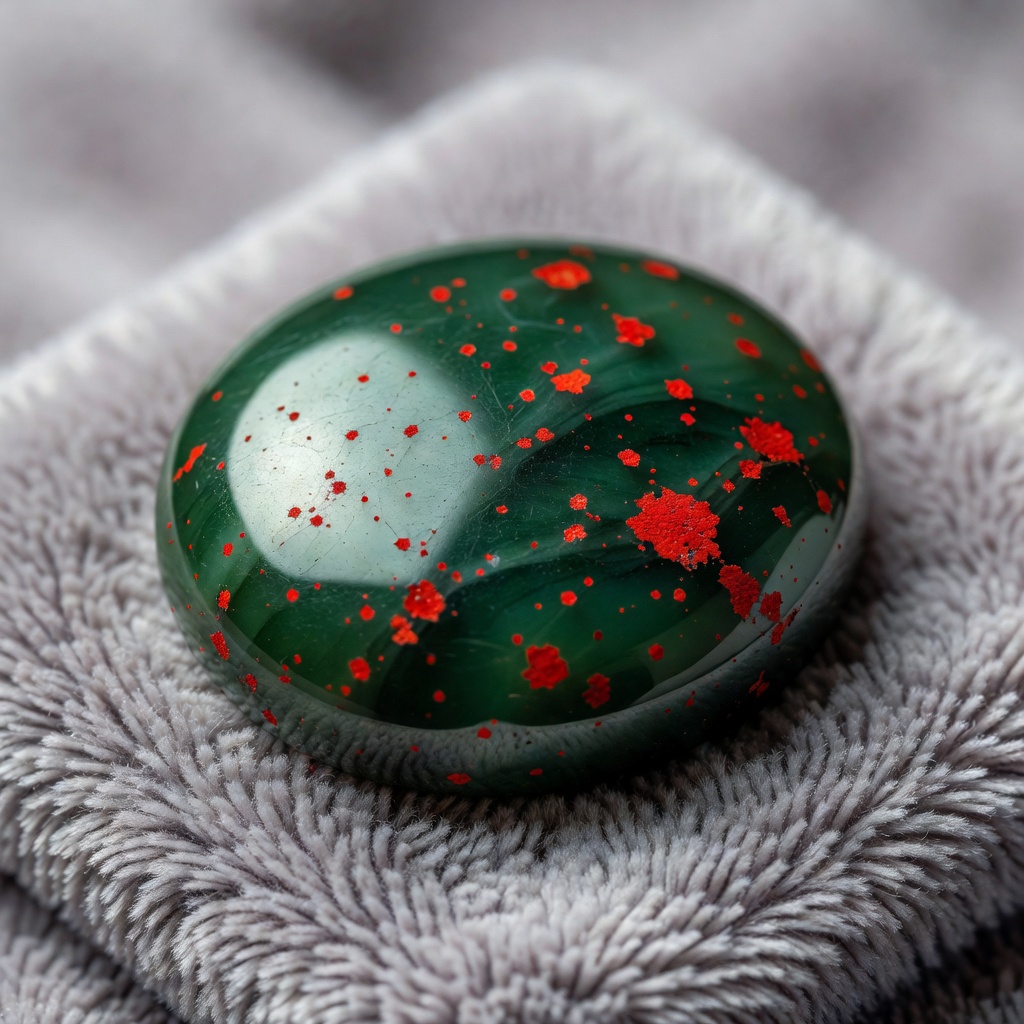
Bloodstone, also known as heliotrope in geological circles, represents a captivating variety of chalcedony quartz distinguished by its deep forest-green base color punctuated by vivid red iron oxide inclusions resembling blood droplets. With a bloodstone Mohs hardness rating between 6.5 and 7, this gemstone offers moderate durability suitable for various jewelry applications, though it remains vulnerable to harder materials like diamonds, sapphires, and even household dust particles containing silica. The distinctive red spots that give bloodstone its evocative name consist of iron oxide or jasper inclusions, which require particularly gentle handling during maintenance to preserve their striking contrast against the green background. Understanding these fundamental bloodstone properties is absolutely essential before attempting any cleaning or maintenance procedures, as the stone's naturally porous structure and unique composition dictate specific care requirements that differ significantly from non-porous gems like diamonds or rubies.
Heliotrope stone care begins with recognizing that bloodstone's microcrystalline structure contains tiny voids and channels that can absorb liquids, chemicals, and dyes if exposed to inappropriate substances. This porosity means that harsh cleaning agents can penetrate beneath the surface, causing permanent discoloration or structural weakening that no amount of professional restoration can reverse. Many collectors value bloodstone not only for its aesthetic appeal but also for its historical significance as a March birthstone and its reputed metaphysical properties, making proper preservation techniques crucial for maintaining both monetary and sentimental value. When examining your bloodstone specimens, note any existing fractures, surface pits, or dye treatments, as these characteristics will influence your specific maintenance protocol and help you avoid practices that could exacerbate existing vulnerabilities.
Daily Bloodstone Maintenance Routine
Implementing a consistent bloodstone maintenance routine serves as the foundation for preserving your gemstone's luster and structural integrity over decades of wear. Begin by removing bloodstone rings, bracelets, and necklaces before engaging in physical activities, swimming in chlorinated pools, or performing household chores that involve abrasive cleaning agents or impact risks. Simple actions like gardening, weightlifting, or even vigorous hand washing can expose your bloodstone to scratches from metal tools, chemical residues from cleaning products, or thermal shock from rapid temperature changes, all of which compromise the stone's surface quality.
After each wearing, gently wipe your bloodstone jewelry with a soft, lint-free microfiber cloth to remove accumulated skin oils, perspiration, and environmental pollutants that can dull the stone's natural shine. This daily gemstone care practice prevents the buildup of grime in surface crevices and settings, significantly reducing the frequency required for deep cleaning sessions. Additionally, always apply perfumes, lotions, hairsprays, and cosmetics before putting on your bloodstone pieces, allowing these products to dry completely first, as alcohols and oils in beauty products can create films on the stone that attract dirt and potentially react with the iron inclusions.
Conduct regular visual inspections of your bloodstone settings, checking for loose prongs, worn bezels, or chips in the gemstone itself that might worsen without prompt attention. For example, if you notice a prong catching on fabric or the stone wiggling slightly in its mounting, discontinue wear immediately and consult a jeweler rather than attempting home repairs that could dislodge the stone entirely. Maintaining a dedicated jewelry diary noting inspection dates and any observed changes helps track your bloodstone's condition over time, enabling early intervention before minor issues escalate into costly restoration projects.
Safe Bloodstone Cleaning Methods
When your bloodstone requires more than routine wiping, employing proper cleaning bloodstone jewelry techniques ensures effective dirt removal without compromising the stone's integrity. Prepare a cleaning solution using lukewarm water—not hot, as extreme temperatures can cause thermal shock—and a mild, phosphate-free dish soap such as Dawn or a similar gentle formulation. Fill a small bowl with this solution rather than using a sink, where accidental drops down the drain represent a heartbreaking and entirely avoidable loss.
Submerge your bloodstone briefly and gently scrub with a soft-bristled baby toothbrush or clean makeup brush, working carefully around settings and into any carved details where debris accumulates. Use light, circular motions rather than aggressive scrubbing, paying special attention to the back of the stone where skin oils tend to collect and reduce brilliance. For intricate carvings or cameos featuring bloodstone, employ a wooden toothpick wrapped in cotton to reach narrow crevices that brushes cannot access effectively.
Rinse your bloodstone thoroughly under running lukewarm water, ensuring all soap residue disappears completely, as leftover detergent can create cloudy films that attract future dirt accumulation. Pat the stone immediately with a clean microfiber cloth, then allow it to air dry completely on a soft towel for several hours before returning it to storage or wearing it again. This drying period is crucial for preventing moisture trapping under settings, which can lead to metal corrosion or skin irritation when worn next time.
What to Avoid: Chemicals and Harsh Treatments
Understanding bloodstone care precautions requires recognizing which common jewelry cleaning methods actually pose serious threats to this porous gemstone's longevity. Never subject bloodstone to ultrasonic or steam cleaners, as the intense vibrations can exploit natural fractures, inclusions, or glue joints in doublets and triplets, potentially shattering the stone or causing it to separate from its backing. The heat generated by steam cleaning can also cause thermal shock, creating new fractures in stones with existing internal stress points.
Avoid all household cleaners, bleach, ammonia, and acids including vinegar or lemon juice when cleaning bloodstone jewelry, as these substances can etch the surface, dissolve polishing agents, or react chemically with the iron oxide inclusions that create the stone's characteristic red spots. Even brief exposure to chlorine in swimming pools or hot tubs can damage bloodstone's surface structure and potentially lighten dyed specimens, making removal before water activities non-negotiable. Similarly, commercial jewelry dips designed for gold or silver often contain harsh solvents that penetrate bloodstone's pores, causing irreversible damage to both appearance and structure.
Do not soak bloodstone for extended periods due to legitimate porosity concerns; limit water exposure to brief cleaning sessions of just a few minutes rather than overnight soaks. Keep away from abrasive materials like baking soda, toothpaste, or commercial scouring powders, which can scratch the relatively soft surface and remove the polish that gives bloodstone its characteristic waxy luster. When in doubt about a cleaning product's safety, test it on an inconspicuous area or consult a gemologist rather than risking damage to a cherished piece.
Energetic Cleansing and Spiritual Maintenance
Beyond physical maintenance, many bloodstone owners practice bloodstone cleansing methods to clear accumulated energies and restore the stone's metaphysical properties. Moonlight bathing during the full moon represents one of the safest energetic purification techniques, requiring only placement on a windowsill or outdoor surface where moonlight can bathe the stone overnight. This method avoids water contact entirely while recharging the crystal's natural vibrations, particularly beneficial for bloodstones used in healing practices or meditation.
Smudging with palo santo or white sage smoke offers another effective approach for energy clearing without risking physical damage to the stone. Pass your bloodstone through the smoke several times while setting specific intentions for purification, allowing the aromatic compounds to cleanse both the surface and energetic field of the gem. For collectors who work with crystals therapeutically, burying bloodstone in dry earth overnight provides grounding and recharging, though you should wrap the stone in a natural cloth first to prevent soil particles from lodging in surface pits or settings.
When performing these crystal charging techniques, maintain mindful awareness of your intentions, speaking or thinking clear affirmations about the stone's purpose and your gratitude for its presence in your collection. Some practitioners place bloodstone on selenite charging plates or among clear quartz clusters to amplify energetic clearing without physical intervention. These spiritual maintenance practices complement rather than replace physical cleaning routines, creating a holistic care regimen that honors both the geological and metaphysical aspects of your bloodstone specimens.
Proper Storage Solutions for Longevity
Implementing appropriate gemstone storage tips significantly extends the lifespan of your bloodstone collection by preventing environmental damage and physical abrasion. Store each bloodstone piece separately in soft cloth pouches, individual compartment boxes, or wrapped in acid-free tissue to prevent scratching from contact with harder gemstones like diamonds, sapphires, or even other bloodstones. This separation is crucial because bloodstone's 6.5-7 hardness means it can scratch softer materials while being scratched by harder ones, creating a cascade of damage in mixed storage containers.
Position your bloodstone storage away from direct sunlight and heat sources such as radiators, windowsills, or car dashboards, as prolonged UV exposure and thermal fluctuations may cause fading, particularly in dyed specimens, or create internal stress fractures. Maintain stable humidity levels in your storage area, avoiding extremely dry environments that can cause organic inclusions to become brittle or excessively damp spaces that promote mold growth on storage materials. For optimal bloodstone storage tips, consider using silica gel packets in jewelry boxes to control moisture, replacing them every few months as they saturate.
For long-term gemstone preservation, store bloodstone jewelry flat to prevent chain tangling or stress on pendant bails, and avoid hanging necklaces on hooks that can cause metal fatigue over time. If storing beaded bloodstone strands, lay them horizontally rather than hanging to prevent thread stretching and potential breakage. Climate-controlled environments with temperatures between 60-75 degrees Fahrenheit provide ideal conditions for maintaining both the stone and any accompanying metal settings in pristine condition.
Bloodstone Jewelry-Specific Care Guidelines
Different jewelry formats require specialized bloodstone jewelry care approaches to address unique wear patterns and vulnerability points. Rings demand extra attention due to frequent hand washing and exposure to impact; consider wearing bloodstone rings primarily for special occasions rather than daily activities, and remove them before applying hand sanitizer, which often contains alcohols that can dry out and damage the stone surface. When cleaning bloodstone rings, pay particular attention to the underside where hand creams accumulate, using a soft brush to clean beneath the gallery without loosening the setting.
Necklaces require chain inspection and clasp cleaning alongside stone care, as tarnished chains can transfer oxidation to the bloodstone and weak clasps risk loss during wear. Check silk or nylon cords on beaded bloodstone necklaces regularly for fraying, replacing them every 12-18 months depending on wear frequency to prevent catastrophic breakage. For bracelets, consider the impact of desk work and typing, which can cause bloodstone cabochons to rub against hard surfaces repeatedly, creating flat spots or scratches over time.
Different settings necessitate specific cleaning approaches: bezel settings protect bloodstone edges but trap moisture underneath, requiring thorough drying after cleaning, while prong settings allow better air circulation but risk stone loss if prongs wear down. Beaded bloodstone pieces with drilled holes need particular attention to string maintenance, as moisture trapped in drill holes can weaken cord fibers from the inside out. For gemstone setting maintenance, schedule professional inspections every six months for frequently worn pieces to ensure settings remain tight and protective.
When to Seek Professional Cleaning Services
While home maintenance handles routine care, certain situations demand professional gemstone cleaning to prevent accidental damage. Deep-set dirt in intricate carvings, engravings, or tight settings requires professional tools such as steam jets (used cautiously) or ultrasonic cleaners adjusted for porous stones, techniques that experienced jewelers can apply with controlled precision unavailable to consumers. If you notice loose stones that wiggle in their settings, seek immediate professional attention before attempting any cleaning, as agitation can dislodge the gem entirely.
Professional polishing can restore luster to dulled bloodstone surfaces without compromising the stone, using specialized compounds and buffing wheels that remove microscopic scratches while preserving the original contours. For heirloom pieces or antique bloodstone jewelry showing significant wear, professional conservation services can stabilize fragile areas and recommend appropriate wear limitations to preserve historical integrity. Annual professional inspection recommendations include checking for structural cracks, assessing dye stability in treated stones, and verifying that multi-component pieces remain securely assembled.
When selecting jewelry maintenance services, choose jewelers experienced with bloodstone specifically, as they will understand its porosity and inclusion patterns better than generalists. Request that professionals avoid harsh chemicals and ultrasonic exposure unless specifically appropriate for your particular specimen, and ask for documentation of any treatments applied during service. Building a relationship with a trusted gemologist ensures your bloodstone receives appropriate care throughout its lifetime, maintaining both beauty and value for future generations.
Troubleshooting Common Bloodstone Issues
Even with diligent care, bloodstone may occasionally develop issues requiring specific bloodstone restoration techniques. If your stone appears cloudy after cleaning, this usually indicates soap residue trapped in surface pits or settings; resolve this by rinsing thoroughly under warm running water while gently brushing with a soft toothbrush, followed by immediate drying with a lint-free cloth. For persistent cloudiness, soak briefly in distilled water without soap, then dry with a hair dryer on cool setting held at a safe distance to evaporate trapped moisture without causing thermal shock.
Addressing minor surface scratches through gentle repolishing requires jeweler's rouge and a soft buffing wheel, though deep scratches should be evaluated by professionals to determine if removal would compromise the stone's structural integrity. If you suspect your bloodstone has been dye-treated—common in lower-quality material—test by wiping with a damp white cloth; any color transfer indicates unstable dye that requires extremely gentle, dry cleaning methods only and avoidance of all liquids during care. Some collectors intentionally oil bloodstone to enhance color depth, using light mineral oil applied sparingly with a cotton swab and wiped completely dry to prevent dust adhesion.
For bloodstone showing signs of desiccation or dullness unrelated to surface dirt, occasional light oiling with jojoba or mineral oil can restore appearance, though this practice remains controversial among purists who prefer natural patina development. When troubleshooting, always document changes with photographs to track progression, and consult a gemologist if problems persist despite proper care. Remember that some inclusions and surface characteristics represent natural beauty rather than defects, and aggressive restoration attempts to achieve "perfection" often result in damaged, devalued stones.
Frequently Asked Questions
Can I Wear My Bloodstone Jewelry in the Shower?
It's not recommended to wear bloodstone in the shower. Soap scum can build up in crevices, and harsh shower chemicals or hot water may damage the stone's surface or any dye treatments. Always remove bloodstone jewelry before bathing.
How Often Should I Clean My Bloodstone Gemstone?
Perform light cleaning with a soft cloth after each wearing. For thorough cleaning using mild soap and water, aim for once every 3-4 months, or more frequently if the stone appears dull or visibly dirty.
Is It Safe to Clean Bloodstone With Vinegar or Lemon Juice?
No, never use acidic cleaners like vinegar, lemon juice, or tomato-based products on bloodstone. The acid can etch the surface of this porous gemstone and damage the polish, permanently dulling its appearance.
Can I Use an Ultrasonic Cleaner for My Bloodstone Ring?
Ultrasonic cleaners are not recommended for bloodstone. The vibrations can exploit natural fractures, inclusions, or weaken glue in doublets/triplets. The heat generated can also cause thermal shock to the stone.
Does Bloodstone Fade in Sunlight?
While bloodstone is relatively stable, prolonged exposure to direct sunlight or intense heat sources can potentially cause slight fading over time, particularly in dyed specimens. Store bloodstone away from windows and direct UV exposure.
How Do I Clean Bloodstone Beads Differently From Cabochons?
Bloodstone beads require extra care for the string or cord—avoid soaking the entire strand. Instead, wipe beads individually with a damp cloth. Cabochons can handle brief gentle washing but ensure thorough drying to prevent moisture trapped under settings.
Can Bloodstone Be Damaged by Salt Water or Ocean Swimming?
Yes, salt water can be abrasive and corrosive to bloodstone. Salt crystals can scratch the surface, and ocean chemicals may react with the iron inclusions. Always remove bloodstone jewelry before swimming in the ocean or saltwater pools.
Why Does My Bloodstone Look Cloudy After Cleaning?
Cloudiness usually indicates soap residue trapped in surface pits or settings. Rinse the stone thoroughly under warm running water, use a soft brush to dislodge residue, and dry completely with a lint-free cloth. Repeat if necessary.