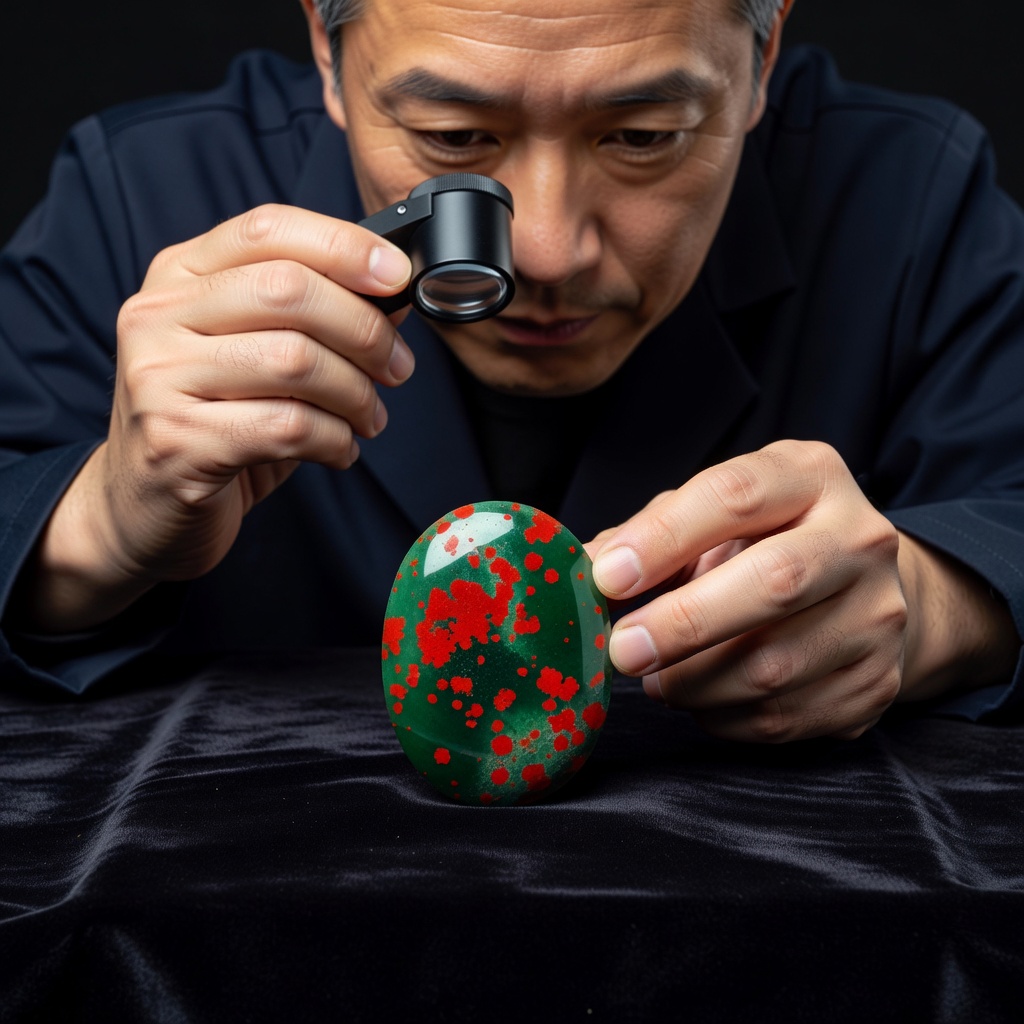
What Is Bloodstone? Understanding the Heliotrope Gemstone
Bloodstone, scientifically known as heliotrope gemstone, represents one of the most historically significant varieties of chalcedony within the quartz family. This captivating material consists primarily of green chalcedony—a cryptocrystalline form of silica—distinguished by its characteristic red to orange-brown spots created by iron oxide or hematite inclusions. The interplay between the deep green base and blood-like flecks creates a dramatic visual contrast that has captivated civilizations for millennia, earning it a prominent place in both ancient lapidaries and modern crystal collections.
The mineral composition of bloodstone places it firmly in the cryptocrystalline quartz category, meaning its crystals are so microscopic that the stone appears uniformly smooth and waxy to the naked eye. With a specific gravity ranging between 2.61 and 2.64, bloodstone feels substantial when held, providing a satisfying weight that distinguishes it from lighter plastic or glass imitations. Understanding these fundamental properties serves as the foundation for any comprehensive Bloodstone Buying Guide, enabling collectors to appreciate both the aesthetic and geological significance of their purchases.
Historical records indicate that bloodstone held tremendous importance across diverse ancient cultures, from Babylonian warriors who carried it for protection in battle to medieval Christians who associated the red spots with the blood of Christ. Roman gladiators famously embedded bloodstone into their armor and weapons, believing it conferred strength and healing properties during combat. This rich historical tapestry adds intangible value to genuine specimens, making provenance and authenticity crucial considerations for modern collectors seeking pieces with both visual appeal and historical resonance.
Bloodstone Quality Factors: The Four Cs of Evaluation
When evaluating bloodstone quality factors, collectors must adapt the traditional diamond "Four Cs" framework to accommodate this unique gem's distinct characteristics. Unlike transparent gemstones where brilliance and clarity reign supreme, bloodstone derives its value from the dramatic contrast between its green base and red spotting, requiring a specialized approach to assessment. Understanding these nuanced grading criteria enables buyers to distinguish between commercial-grade material and fine collector specimens worthy of investment.
Color intensity represents the primary value determinant, with the most desirable stones exhibiting a deep, saturated forest green base without brownish or grayish undertones. The distribution, density, and vibrancy of the red spots—often called "blood" by gem traders—constitute the second critical factor, with premium specimens displaying distinct, bright red flecks rather than dull orange-brown smears. Stones featuring sparse spotting or those where the red inclusions appear muddy significantly diminish in value compared to pieces with vivid, well-distributed patterns resembling fresh blood splatters.
Clarity standards for bloodstone differ markedly from transparent gemstones, as this material naturally occurs in both translucent and opaque varieties. While some high-end collectors prefer semi-translucent specimens that allow light to penetrate slightly, revealing internal depth, opaque varieties with solid color saturation often command equal respect in the marketplace. The key distinction lies in distinguishing between acceptable natural inclusions, such as minor white streaks or subtle banding, and problematic clarity issues like heavy matrix, calcite deposits, or structural fractures that compromise durability.
Case Study: The Auction House Standard
Major auction houses typically grade bloodstone using a three-tier system that emphasizes color contrast above all other factors. In a recent Sotheby's jewelry auction, a 45-carat Indian bloodstone cabochon with intense jade-green coloring and vivid scarlet spotting sold for three times the estimate of similar-sized stones with paler green bases. This case illustrates how bloodstone grading prioritizes aesthetic impact over technical clarity, guiding serious collectors toward specimens with maximum visual drama.
Color Patterns: What to Look for in Premium Bloodstones
Premium bloodstone characteristics center almost exclusively on the quality and distribution of color within the stone. The ideal specimen presents a deep forest green to dark green base that approaches the color of rich moss or evergreen needles, completely free from brownish, yellowish, or muddy tones that suggest inferior material or improper storage. This verdant background serves as the canvas for the stone's most prized feature: the distinctive red flecks that give bloodstone its name and metaphysical associations.
The optimal distribution of red spots resembles organic blood splatters—random, irregular patterns with varying sizes that suggest natural formation rather than manufactured uniformity. Collectors should seek stones where the red inclusions appear to float within the green matrix, creating three-dimensional depth, rather than heavy spotting that obscures the base color or creates a muddled appearance. The most valuable specimens typically feature scattered, bright red spots covering approximately 10-20% of the surface area, providing dramatic contrast without overwhelming the stone's natural beauty.
Avoiding certain color defects proves equally important in bloodstone color grading. Stones exhibiting uneven color zoning, where bands of light and dark green create a striped appearance, generally indicate lower quality material or improper cutting orientation. Excessive matrix—the rough, unpolished material sometimes left on the back of cabochons—can suggest the cutter attempted to maximize weight from inferior rough, while surface-reaching fractures filled with iron oxide often indicate structural weakness. When examining potential purchases, rotate the stone under various lighting conditions to ensure color consistency across all angles.
Genuine vs. Fake: Bloodstone Identification Techniques
Mastering genuine bloodstone identification techniques protects buyers from increasingly sophisticated imitations flooding the marketplace. The most common fakes include dyed green agate, glass with painted red spots, and composite stones featuring glued layers of different materials. Understanding the subtle visual and physical differences between authentic specimens and counterfeits forms an essential component of any bloodstone vs fake comparison, potentially saving collectors hundreds or thousands of dollars on fraudulent purchases.
Visual inspection should begin with careful examination of the red spots under magnification using a 10x jeweler's loupe. Authentic bloodstone exhibits randomly distributed iron oxide inclusions that often appear slightly raised or recessed from the surface, with irregular shapes and varying opacity. Dyed stones typically show unnaturally uniform color saturation, with red spots that look painted on or concentrated exclusively along fractures and surface cracks. Real bloodstone also displays subtle variations in the green base color, including occasional white or yellowish streaks of other chalcedony varieties, whereas imitations often present an artificially perfect, uniform green.
Physical testing provides definitive confirmation of authenticity for suspicious specimens. Bloodstone registers between 6.5 and 7 on the Mohs hardness scale, meaning it will scratch glass and steel but can be scratched by topaz, corundum, or diamond. Glass imitations feel noticeably warmer to the touch immediately upon handling and lack the cool, dense sensation characteristic of genuine chalcedony. For valuable specimens, consider requesting a specific gravity test from a gemologist, as bloodstone's density of 2.61-2.64 distinguishes it from lighter plastic resins or heavier lead glass commonly used in counterfeits.
Practical Tip: The Hot Needle Test
When examining rough specimens or unset stones, the hot needle test provides a quick method to detect dyed imitations. Heat a fine needle until glowing red, then touch it to an inconspicuous area of the stone. Dyed material will often emit a slight chemical odor as the heat releases organic dyes, while genuine bloodstone remains odorless. However, exercise caution with this method on finished jewelry to avoid damaging settings or valuable cabochons.
Cut, Carat, and Clarity Considerations
Bloodstone cut types predominantly feature cabochon styles that maximize the display of red spots while providing durability for jewelry applications. Unlike faceted gemstones that emphasize brilliance and fire, bloodstone achieves its aesthetic impact through the interplay of color and pattern, making smooth, domed cabochons the industry standard. Oval and round cabochons remain the most popular shapes, though skilled lapidaries sometimes create fantasy cuts or intaglio carvings that utilize the stone's natural color variations to create pictorial scenes or heraldic designs.
Carat weight significantly influences pricing structures, though not in the exponential manner seen with precious gems like diamonds or rubies. Bloodstone remains relatively affordable in smaller sizes under 10 carats, but prices increase notably for exceptional specimens exceeding 20 carats, particularly those maintaining vivid color and pattern distribution across larger surfaces. When calculating value, consider that bloodstone typically yields only 20-30% of the rough weight in finished cabochons due to the need to orient cuts properly to showcase the best red spotting patterns.
Clarity considerations for bloodstone tolerate certain inclusions while rejecting others. Acceptable characteristics include minor white streaks of chalcedony, subtle translucency variations, and natural surface textures that indicate genuine mineral formation. However, collectors should reject stones with visible fractures reaching the surface, large calcite inclusions that create soft spots prone to chipping, or pits and cavities filled with foreign material. When examining bloodstone carat weight versus clarity, remember that larger stones with clean surfaces command significant premiums over equally sized specimens with structural compromises.
Origins Matter: Australian, Indian, and Other Sources
Bloodstone origins India Australia represent the two most significant sources for quality material in today's market, each producing distinctive varieties with unique characteristics. Indian bloodstone, historically mined from the Deccan Traps region of the Deccan Plateau, sets the standard for fine material with its deep, rich green backgrounds and vivid red spotting. This material formed during ancient volcanic activity approximately 66 million years ago, creating the distinctive iron oxide patterns that collectors covet. Stones from this region typically exhibit a more opaque, jade-like quality with intense color saturation that commands premium prices at bloodstone mining locations worldwide.
Australian bloodstone offers an alternative with distinct characteristics that appeal to specific collector preferences. Mined primarily in Western Australia and Tasmania, this material often displays a slightly lighter green base with more translucent qualities, allowing light penetration that creates an internal glow. The red spotting in Australian material tends toward orange-brown tones rather than the scarlet red of Indian stones, though exceptional specimens from the Kimberley region rival their Indian counterparts in color intensity. Modern market presence of Australian bloodstone has increased substantially as Indian deposits become depleted, providing collectors with excellent alternatives.
Beyond these primary sources, bloodstone mining locations include Brazil, China, Scotland, and the United States, though material from these regions rarely matches the quality of Indian or Australian stones. Brazilian bloodstone often exhibits lighter green tones with sparse spotting, while Chinese material frequently requires dye treatment to achieve marketable color. When purchasing, inquire specifically about provenance, as Indian bloodstone typically commands 30-50% higher prices than equivalent quality material from secondary sources due to its historical prestige and established reputation among connoisseurs.
Bloodstone Price Guide: Budgeting for Your Purchase
Understanding bloodstone price per carat enables collectors to budget effectively across different quality tiers and applications. Commercial-grade material suitable for casual jewelry or beginner collections typically ranges from $1 to $5 per carat, featuring acceptable green coloring with moderate spotting and good polish. This entry-level pricing makes bloodstone an accessible gemstone for those entering the collector market, though buyers should temper expectations regarding color intensity and pattern distribution at this price point.
Fine-quality specimens with vivid green bases, prominent red spotting, and excellent polish command $10 to $30 per carat, representing the sweet spot for serious collectors seeking investment-grade material. Exceptional collector pieces featuring unique patterns, large clean cabochons exceeding 30 carats, or rare translucent varieties may exceed $50 per carat, particularly when accompanied by documentation of Indian origin. When evaluating bloodstone value guide recommendations, remember that finished jewelry incorporates additional costs for metalwork, design complexity, and artisan labor, often multiplying the base stone cost by factors of five to twenty depending on the setting.
Budget allocation strategies should differ between rough specimens and finished jewelry. Rough bloodstone offers opportunities for custom cutting and potential value appreciation but requires knowledge of lapidary techniques and orientation principles. Finished cabochons provide immediate gratification and wearable art but include premiums for the cutter's skill. When purchasing rough, budget approximately 40% more carat weight than needed for the final piece to account for cutting loss and the necessity of orienting the stone to maximize red spot visibility.
Investment Insight: The Historical Appreciation Trend
Over the past decade, fine Indian bloodstone has appreciated approximately 8-12% annually, outpacing many traditional investment vehicles while remaining accessible to mid-level collectors. Auction records from 2015 to 2024 show consistent price increases for documented antique bloodstone intaglios and Victorian-era jewelry, suggesting that quality material retains and gains value when properly maintained and documented.
Best Settings and Jewelry Types for Bloodstone
Selecting appropriate bloodstone jewelry settings requires balancing aesthetic presentation with protective engineering to accommodate the stone's moderate hardness. Bezel settings, where metal surrounds the entire circumference of the cabochon, provide optimal protection for bloodstone rings and bracelets subject to daily wear impacts. This setting style prevents edge chipping while securely holding the stone, making it the preferred choice for signet rings—a traditional application where bloodstone's flat or slightly domed surface accommodates engraved crests or intaglio carvings.
Prong settings, while visually lighter and allowing more light penetration in translucent varieties, expose bloodstone edges to potential damage during active wear. If choosing prong settings for pendants or earrings, ensure the stone sits low with minimal projection and that prongs provide secure grip without overtightening, which can fracture the material. Bloodstone cufflinks represent another excellent application, offering substantial surface area for displaying dramatic color patterns while remaining protected during wear.
Metal pairings significantly influence the final appearance of bloodstone jewelry. Sterling silver provides a cool, contemporary contrast that emphasizes the green tones, while yellow gold enhances the warmth of red spotting and creates a classic, vintage aesthetic. Antique bronze or copper settings complement bloodstone's earthy origins and appeal to those seeking rustic or steampunk styles. For bloodstone ring settings intended as heirlooms, consider 14k or 18k gold for durability, or platinum for maximum security and hypoallergenic properties.
Trusted Sources: Where to Buy Authentic Bloodstone
Finding reputable bloodstone dealers requires diligent research and verification of credentials within the gemstone community. Established dealers specializing in cabochon gemstones or rough lapidary materials typically offer superior bloodstone selections compared to general jewelry retailers, providing detailed provenance information and treatment disclosures. Look for membership in professional organizations such as the American Gem Trade Association (AGTA) or the International Gem Society, which enforce ethical standards and accurate representation practices.
Navigating where to buy bloodstone involves weighing the convenience of online marketplaces against the tactile verification possible in brick-and-mortar gem shops. While online platforms like Etsy, eBay, and specialized gem sites offer extensive inventories and competitive pricing, the inability to physically examine color accuracy and pattern distribution increases purchase risk. Reputable online sellers should provide high-resolution photographs against white, black, and neutral gray backgrounds, detailed millimeter measurements, and magnified views of the stone's surface texture.
Essential questions for any seller include specific inquiries about treatment disclosure—specifically whether the stone has been dyed to enhance green coloration—and return policies allowing adequate examination time. Demand certificates of authenticity from recognized gemological laboratories such as GIA (Gemological Institute of America) or IGI (International Gemological Institute) for purchases exceeding $500. Verify that sellers offer minimum 14-day return periods, enabling you to have the stone evaluated by an independent appraiser before committing to the purchase.
Care and Maintenance: Preserving Your Investment
Proper bloodstone care ensures your specimens retain their beauty and structural integrity across generations. Clean bloodstone jewelry using mild soap and lukewarm water with a soft-bristled brush, gently removing accumulated oils and debris from the surface and setting crevices. Avoid ultrasonic cleaners and steam cleaning systems, as the vibrations and thermal shock can exacerbate existing fractures or loosen stones from their settings. After washing, pat the stone dry with a lint-free cloth rather than allowing air-drying, which can leave mineral deposits from water on the surface.
Storage recommendations emphasize preventing contact with harder gemstones that might scratch bloodstone's surface. Store pieces individually in soft cloth pouches or lined jewelry boxes, keeping them separate from diamonds, sapphires, rubies, and other materials ranking above 7 on the Mohs hardness scale. For maintaining bloodstone jewelry collections, consider maintaining stable humidity levels in storage areas, as extreme dryness can potentially affect the stone's polish over decades, though this material remains relatively stable compared to opals or pearls.
Long-term durability considerations include periodic professional inspections of settings, particularly for rings subjected to daily wear. Prongs should be checked annually for wear, and bezel settings examined for metal fatigue or thinning that might compromise stone security. When wearing bloodstone rings, remove them before engaging in heavy manual labor, sports activities, or household cleaning involving harsh chemicals. With proper care, bloodstone jewelry easily lasts centuries, as evidenced by numerous Victorian and Georgian pieces surviving in excellent condition in antique collections today.
Frequently Asked Questions
What exactly is bloodstone and why is it called that?
Bloodstone, also known as heliotrope, is a variety of green chalcedony (cryptocrystalline quartz) characterized by distinctive red to orange-brown spots caused by iron oxide inclusions. The name derives from these red spots resembling drops of blood, which led to ancient legends associating the stone with blood and vitality.
How can I tell if my bloodstone is real or dyed?
Authentic bloodstone exhibits natural, randomly distributed red spots (iron oxide) within a deep green chalcedony base, often with slight color variations. Dyed imitations typically show unnaturally uniform color saturation, spot patterns that look painted on, or red color that concentrates in cracks. Real bloodstone has a Mohs hardness of 6.5-7 and feels cool to the touch, while glass imitations feel warmer and softer.
What is the average price range for bloodstone per carat?
Commercial-grade bloodstone typically ranges from $1-$5 per carat, while fine-quality specimens with vivid green bases and prominent red spotting can command $10-$30 per carat. Exceptional collector pieces with unique patterns or large cabochons may exceed $50 per carat. Finished jewelry settings significantly increase the total cost depending on metal quality and craftsmanship.
Which country produces the best quality bloodstone?
India (specifically the Deccan Plateau region) historically produces the most prized bloodstone, known for deep green backgrounds with vivid red spotting. Australia is another significant source offering high-quality material with distinct characteristics. While bloodstone occurs globally, Indian material typically commands premium prices in the collector market due to its classic appearance and historical significance.
Is bloodstone durable enough for everyday rings?
With a Mohs hardness of 6.5-7, bloodstone is moderately durable but requires protective settings for daily wear. Bezel settings are recommended over prong settings to protect the edges from chipping. While suitable for rings, bloodstone is better suited for occasional wear pieces or pendants and earrings that experience less impact. Avoid wearing bloodstone rings during heavy manual work or exercise.
Can bloodstone be heat-treated or enhanced?
Natural bloodstone is rarely heat-treated, as heating can alter the desirable green color to brown or gray tones. However, some commercial material may be dyed to enhance the green color or create red spots in pale stones. Always request a gemological certificate for expensive specimens and purchase from dealers who disclose any treatments. Untreated, natural bloodstone holds the highest value for collectors.
What should I look for when buying bloodstone online?
When purchasing bloodstone online, demand high-resolution photos showing the stone against white and black backgrounds to assess true color. Look for sellers offering return policies (minimum 7-14 days), detailed size specifications in millimeters, and disclosure of any treatments. Read reviews specifically mentioning authenticity and color accuracy. For specimens over $100, request a certificate of authenticity from a recognized gemological laboratory.