
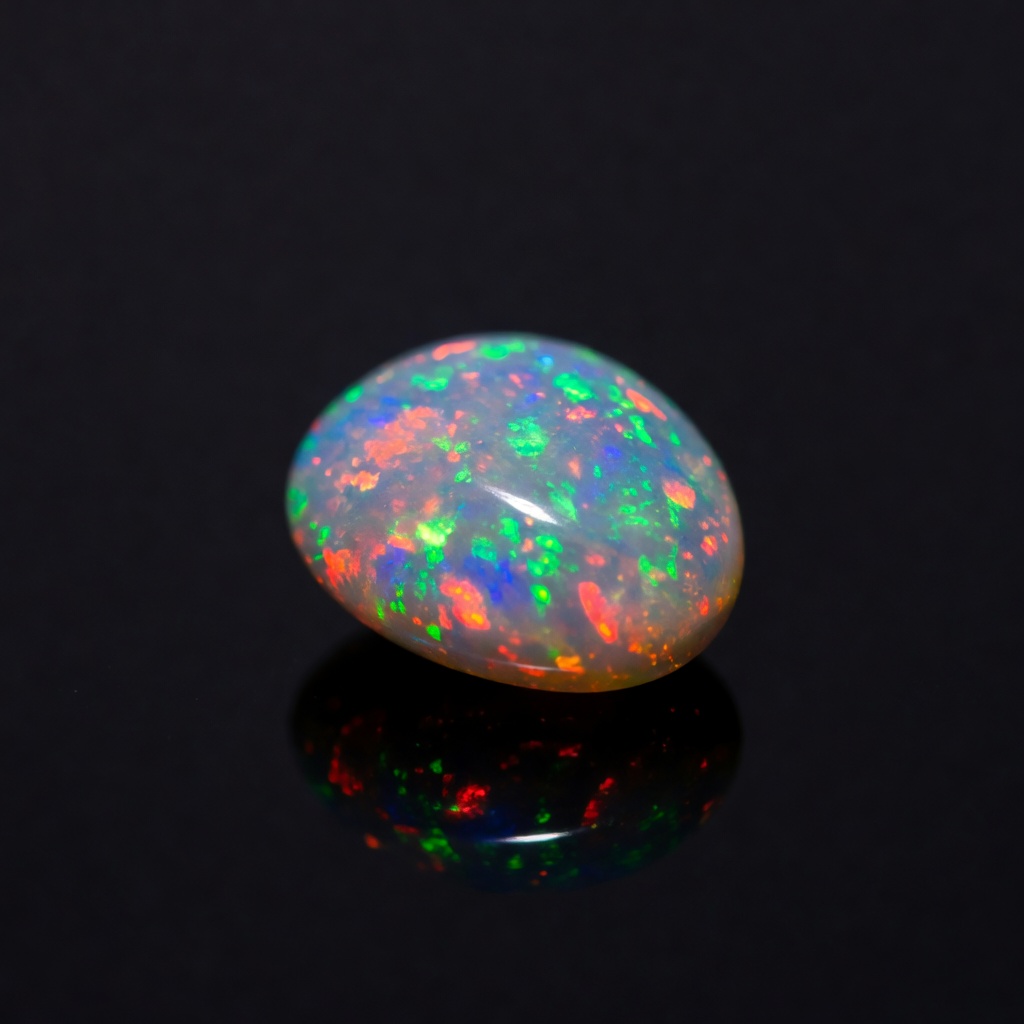
Introduction to Black Opal Pricing
The global precious gemstone market has witnessed remarkable volatility in recent years, yet black opals remain one of the most consistently appreciating alternative investments available to collectors and jewelry enthusiasts. Understanding the Black Opal Price Guide requires familiarity with geological formations, grading standards, and the specific characteristics that distinguish museum-quality specimens from commercial-grade stones. Unlike diamonds with standardized pricing charts, black opal market value fluctuates based on body tone darkness, brightness intensity, pattern complexity, and provenance, creating a sophisticated marketplace where knowledge directly translates to investment protection.
Black opals command premium prices compared to white, crystal, or boulder opals primarily due to their rare dark body tone, which creates a dramatic canvas for vibrant color play. The contrast between the deep background and the fire-like flashes of red, orange, and green creates visual impact impossible to replicate in lighter varieties. When navigating this specialized market, purchasing from reputable dealers with proper gemological certification becomes non-negotiable, as untreated natural specimens from Lightning Ridge can command prices exceeding $50,000 per carat, while treated or synthetic alternatives may sell for mere hundreds.
Understanding Black Opal Grading Criteria
Professional black opal grading relies on standardized systems developed by the Australian Gemmological Association and international laboratories to ensure consistent valuation across global markets. The foundation of any accurate appraisal begins with the body tone scale, which ranges from N1 (jet black) to N4 (dark grey), with only stones achieving N1-N2 classification qualifying as true black opals worthy of premium pricing. This body tone N1-N4 classification fundamentally determines whether a stone merits investment-grade status or falls into lower commercial categories, regardless of its color intensity.
Brightness ratings from B1 (dull) to B7 (brilliant) measure the visibility and intensity of color play under standard lighting conditions, with B4 and above indicating gem-quality material suitable for fine jewelry. Pattern recognition significantly impacts valuation, with rare formations like harlequin (checkerboard patterns), pinfire (tiny scattered dots), and rolling flash (broad moving color sheets) commanding substantial premiums over common flash or cloud patterns. A Lightning Ridge specimen displaying N1 body tone with B6 brightness and a full harlequin pattern could easily reach $30,000 per carat, while an N3 stone with B3 brightness and patchy pattern might struggle to achieve $800 per carat despite showing similar colors.
Practical Grading Assessment Tips
When evaluating stones personally, always examine them under natural daylight rather than artificial showroom lighting, which can mask body tone deficiencies and exaggerate brightness. Place the stone on a white surface to accurately assess the darkness of the body tone, ensuring it achieves true black opal status rather than dark grey or semi-black classification. Request magnification loupe examination to identify natural inclusions that confirm authenticity while checking for signs of treatment such as unusual color concentrations along fractures or suspiciously uniform dark backgrounds.
Price Per Carat: Current Market Values
Current black opal value per carat spans an extraordinary range depending on quality tiers, with commercial-grade material accessible to entry-level collectors while investment-grade specimens rival rare colored diamonds in pricing. Commercial grade black opals, typically featuring N3-N4 body tones with B1-B2 brightness and limited color play, currently trade between $100-$500 per carat, making them suitable for fashion jewelry but poor vehicles for capital appreciation. High-quality gem-grade stones exhibiting N1-N2 body tones, B3-B5 brightness, and visible red or multi-color flash command opal price per carat ranges of $1,000-$5,000, representing the sweet spot for serious collectors seeking both beauty and value retention.
Investment-grade and museum-quality pieces representing the apex of investment grade black opal characteristics—including N1 body tone, B6-B7 brightness, dominant red color play, and rare patterns like harlequin or Chinese writing—regularly exceed $10,000 per carat, with exceptional specimens over 5 carats reaching $50,000+ per carat at international auction houses. Consider the 2023 sale of a 12-carat Lightning Ridge black opal displaying full red harlequin pattern, which realized $850,000 ($70,833 per carat), demonstrating how exceptional rarity transcends standard pricing models. For portfolio diversification purposes, collectors should allocate budgets across these tiers, perhaps acquiring one investment-grade centerpiece supported by several gem-grade stones rather than numerous commercial pieces.
Lightning Ridge vs Ethiopian Black Opal Prices
The origin of a black opal significantly influences both initial purchase price and long-term value appreciation potential, with Lightning Ridge opal prices substantially exceeding those of newer Ethiopian discoveries. Australian Lightning Ridge black opals command premium pricing due to their formation in ancient Cretaceous-age sedimentary deposits, resulting in non-porous, chemically stable stones that maintain their appearance indefinitely under normal conditions. These specimens exhibit intense color saturation with sharp definition between the dark body tone and bright fire, justifying prices that routinely start at $2,000 per carat for fine material and escalate rapidly for exceptional pieces.
Ethiopian vs Australian black opal comparisons reveal significant Ethiopian black opal affordability, with comparable visual material often available at 40-60% discounts compared to Lightning Ridge equivalents. However, these stones present unique concerns due to their hydrophane properties—their porous silica structure absorbs water and oils, potentially causing temporary transparency changes, weight gain, and long-term structural instability. While Ethiopian material offers accessible entry points for new collectors, with attractive stones available for $300-$800 per carat, the collector market questions their long-term value retention compared to geologically stable Australian specimens. Serious investors overwhelmingly prefer Lightning Ridge provenance despite higher initial costs, recognizing that geological stability correlates directly with generational wealth preservation.
Origin Verification Strategies
When examining potential purchases, look for characteristic "crazing" patterns in Ethiopian material that indicate stress fractures from dehydration, a rarity in properly stored Australian stones. Australian black opals typically feel heavier and colder to the touch due to density differences, while Ethiopian stones may show color changes after exposure to moisture or skin oils during handling. Always request origin documentation in writing, as unscrupulous dealers sometimes market treated Ethiopian material as Lightning Ridge specimens to capture price premiums, constituting material misrepresentation.
Color Play and Its Impact on Value
Opal color play value follows a specific hierarchy within the gemstone industry, with red dominance commanding the highest premiums due to geological rarity and visual impact. The presence of red flashes in a precious black opal indicates specific trace elements and structural formation conditions occurring in less than 5% of mined material, automatically placing such stones in investment-grade categories regardless of other characteristics. Following red, the value progression descends through orange, gold, green, blue, and violet, though stones displaying multiple colors simultaneously—particularly "rainbow" patterns showing three or more distinct hues—can exceed single-color red stones if the pattern distribution remains aesthetically pleasing.
Directional versus non-directional color presentation significantly affects usability and value, with non-directional stones displaying vibrant color from any viewing angle commanding 20-30% premiums over directional stones that require specific tilting to reveal their beauty. Multi-color dominance versus single-color concentration also influences pricing; while a stone showing pure red flash across its entire face might seem ideal, collectors actually prefer "pinfire" or "flashfire" patterns where multiple colors interact dynamically. Consider the case of a 3-carat Lightning Ridge stone purchased in 2018 for $8,500 primarily for its broad red flash—by 2023, similar material traded at $15,000+ per carat, illustrating how red color dominance drives appreciation regardless of market fluctuations affecting other varieties.
Treatments and Enhancements to Watch For
The disparity between natural black opal cost and treated black opal value creates significant incentive for market manipulation, requiring buyers to understand common enhancement techniques that dramatically reduce both beauty and investment potential. Smoked or sugar-acid treatments involve impregnating lighter opal material with carbon or sugar solutions then acidifying to darken the body tone artificially, creating stones that mimic N1-N2 black opals but lack stability and natural color integration. These treatments often result in muddy color play with poor brightness ratings, and the enhancements may fade over time or react adversely to jewelry cleaning solutions, rendering the stones essentially worthless in secondary markets.
Fracture filling using oil, resin, or glass improves apparent clarity in lower-grade material but creates structural vulnerabilities and requires disclosure under international gemstone trading standards. Doublet and triplet constructions—where thin opal slices bond to black backing (doublets) or backing plus protective crystal caps (triplets)—offer affordable alternatives for jewelry but must never be marketed as solid black opals. Detection requires careful examination of side profiles for glue lines or color discontinuities, along with magnification to identify unnatural surface textures. Synthetic opals created in laboratories display unnaturally uniform "columnar" structures under magnification, lacking the organic randomness of natural formations. Always insist on certification from GIA (Gemological Institute of America), GRS (GemResearch Swisslab), or equivalent institutions for purchases exceeding $1,000, as these laboratories specifically test for treatments and synthetics that untrained eyes cannot detect.
Where to Buy: Dealers, Auctions, and Online
Strategic acquisition channels significantly impact both purchase price and authenticity assurance when seeking to buy black opal for opal investment portfolios. Establishing direct relationships with certified Australian opal miners and established Lightning Ridge dealers provides first-access to rough material and cut stones before they reach broader markets, often securing 20-30% discounts compared to retail jewelry stores. Reputable dealers like those belonging to the Opal Association of Australia offer standardized grading documentation and return policies, essential protections when acquiring high-value specimens. Visit annual shows in Tucson, Arizona, or the Lightning Ridge Opal Festival to meet miners directly, examine large inventories comparatively, and negotiate cash purchases that bypass retail markups.
Major auction houses including Christie's, Sotheby's, and Bonhams offer curated investment grade black opal selections with authenticated provenance, though buyers must factor 15-25% buyer's premiums plus insurance and shipping costs into total acquisition expenses. Online marketplaces require enhanced due diligence; verify seller ratings, request high-resolution video showing stones under various lighting conditions, and utilize escrow services for transactions exceeding $5,000. Avoid "too good to be true" pricing on platforms like eBay or Etsy, where treated Ethiopian material frequently masquerades as Australian Lightning Ridge stones. For significant investments, consider hiring an independent gemologist to examine stones before final payment, particularly when purchasing from overseas vendors where recourse options remain limited.
Caring for Your Investment
Proper black opal care protocols ensure that high-value acquisitions maintain their brilliance and structural integrity across decades, protecting both aesthetic appeal and opal investment protection value. Unlike diamonds or sapphires, opals contain significant water content (3-21% by weight) within their silica structure, making them vulnerable to dehydration-induced "crazing"—a network of surface cracks that permanently destroys value. Store stones in sealed containers with slightly damp cotton balls (never touching the stone directly) in environments maintaining 40-60% humidity, avoiding direct sunlight or heat sources like radiator cabinets that accelerate moisture loss. Never expose black opals to ultrasonic cleaners, steam cleaning, or harsh chemicals including hairspray and perfume, which can penetrate microscopic fractures and cause clouding or discoloration.
Temperature shock represents another significant risk; remove opal jewelry before swimming in cold water or entering saunas, as rapid thermal changes cause differential expansion between the opal and any setting metal, potentially cracking the stone. For stones valued over $10,000, secure specialized jewelry insurance requiring professional appraisals updated every 2-3 years to reflect market appreciation, ensuring replacement values match current Lightning Ridge pricing trends. Document storage should include high-resolution photography, GIA or equivalent certification copies, and detailed purchase receipts stored separately from the physical stones. When traveling with investment-grade pieces, carry them in hand luggage rather than checked baggage to prevent extreme cargo hold temperatures and pressure changes that risk damage.
Investment Potential and Future Market Trends
The investment grade black opal market demonstrates compelling fundamentals for long-term value appreciation driven by supply constraints and evolving global demand patterns. Lightning Ridge mines, responsible for producing 95% of the world's premium black opals, face depletion with viable extraction depths reaching limits and no significant new discoveries since the 1990s. This finite supply interacts with explosive demand growth from Asian markets, particularly China and Hong Kong, where wealthy collectors view fine opals as status symbols and wealth preservation vehicles similar to jade or imperial porcelain. Auction results from 2020-2024 show consistent 12-18% annual appreciation for top-tier N1 stones with red color play, outperforming many traditional equity investments while offering portfolio diversification benefits uncorrelated with stock market volatility.
However, opal market trends indicate liquidity challenges; unlike gold or blue-chip stocks, converting high-value opals to cash requires specialized dealer networks or auction consignment processes that may take 3-6 months and incur significant commissions. New collectors should focus on stones between 2-5 carats with broad market appeal rather than extremely large or unusually shaped specimens that appeal only to niche buyers. The emergence of lab-grown opals and enhanced Ethiopian material creates market segmentation risks, making authentication and documentation increasingly critical for value retention. Industry experts predict that untreated Lightning Ridge material will continue appreciating as mine closures accelerate over the next decade, potentially creating "peak opal" scarcity similar to fine Burmese rubies or Kashmir sapphires, where existing specimens become essentially irreplaceable at any price.
Conclusion: Making an Informed Purchase
Successfully navigating the black opal buying guide requires balancing budget constraints against quality priorities, particularly for first-time collectors entering this sophisticated marketplace. Rather than acquiring multiple lower-grade stones, consider concentrating resources on a single gem-grade piece (N1-N2 body tone, B4+ brightness, visible red flash) from Lightning Ridge provenance, as such specimens historically appreciate while commercial-grade material stagnates. Essential certification requirements include GIA Origin Reports or equivalent laboratory documentation verifying natural, untreated status and specific body tone/brightness classifications—never accept dealer grading alone for investments exceeding $2,000.
Red flags indicating potential fraud include prices significantly below market rates (suggesting treated or synthetic material), reluctance to provide magnification videos showing stone structure, or claims of "newly discovered" Australian fields outside Lightning Ridge. Remember that natural black opal cost reflects true rarity and geological stability; shortcuts seeking "bargains" inevitably result in treated Ethiopian material or synthetics with no secondary market value. By prioritizing education, insisting on independent verification, and purchasing through reputable channels with return privileges, collectors can acquire magnificent specimens that provide both aesthetic pleasure and genuine investment-grade appreciation potential for future generations.
Frequently Asked Questions
How much is a 1 carat black opal worth?
A 1 carat black opal can range from $100 for commercial grade stones with minimal color play to over $10,000 for investment grade gems displaying vibrant red flashes and rare patterns like harlequin. Most quality stones suitable for jewelry fall between $1,000-$5,000 per carat depending on brightness, body tone, and color dominance.
Why are Lightning Ridge black opals more expensive than Ethiopian varieties?
Lightning Ridge black opals command higher prices due to their geological formation in ancient seabeds, resulting in non-porous, stable stones with intense color play. Ethiopian black opals are hydrophane (porous), meaning they can absorb water and temporarily change appearance, creating concerns about long-term stability and value retention in the collector market.
What color of black opal is most valuable?
Red is the most valuable color in black opals due to its rarity and the geological conditions required to produce it. Following red, orange, gold, green, and blue complete the value hierarchy. Stones displaying multiple colors simultaneously, especially with red dominance, command the highest premiums per carat in the international market.
Can black opals be a good investment?
High-quality black opals, particularly those from Lightning Ridge with N1 body tone and red color play, have historically appreciated 10-15% annually due to depleting mines and increasing Asian demand. However, they are less liquid than gold or diamonds, requiring specialized knowledge to buy and sell profitably, making them suitable for long-term collectors rather than short-term speculators.
How can I tell if a black opal is real or synthetic?
Examine the stone under 10x magnification: natural opals show irregular color patches and inclusions, while synthetics display unnaturally uniform columnar patterns. Check for a 'sandwich' appearance indicating doublets or triplets. Always request certification from GIA, GRS, or similar laboratories for purchases over $1,000 to confirm natural origin and disclose any treatments.
Do black opals increase in value over time?
Investment-grade black opals (N1-N2 body tone, B1-B2 brightness) have consistently appreciated over decades due to finite supply from Australian mines nearing depletion. However, commercial-grade stones and treated opals may not retain value. Proper storage preventing dehydration and damage is essential for maintaining and increasing value over time.
What is the difference between black opal and white opal prices?
Black opals typically command 10-20 times the price of comparable quality white opals due to their rarity and the dramatic contrast provided by their dark body tone. While white opals range from $10-$200 per carat for fine specimens, equivalent quality black opals start at $1,000+ per carat, with top specimens reaching $50,000+ per carat.
Should I buy treated or natural black opal?
Always prioritize natural, untreated black opals for investment purposes, as treated stones (smoked, sugar-acid treated, or fracture-filled) lose significant value and may deteriorate over time. Treated opals are suitable for costume jewelry only. Ensure sellers disclose treatments in writing, as undisclosed enhancements constitute fraud in most jurisdictions.


