Understanding Black Opal Composition and Vulnerabilities
Mastering Black Opal Care and Cleaning begins with understanding what makes these gemstones uniquely delicate compared to other precious stones. Unlike diamonds or sapphires that form as crystalline structures, black opals are amorphous solids composed of microscopic silica spheres arranged in a grid-like pattern, containing between 5% and 20% water content by weight. This significant water percentage is not merely incidental; it is fundamental to the stone's structure and the phenomenon known as "play-of-color" that makes black opals so valuable. When light enters the stone and diffracts through these silica spheres, it creates the flashing rainbow effect collectors prize, but this same water-dependent structure creates inherent vulnerabilities that require specialized precious opal care.
The hydrophane properties of certain opals, particularly some Ethiopian varieties, add another layer of complexity to black opal maintenance. Hydrophane opals can absorb water and other liquids like a sponge, temporarily changing their transparency and color intensity until they dry out. Even non-hydrophane black opals possess microscopic porosity that makes them susceptible to chemical penetration and moisture loss. With a hardness rating of only 5.5 to 6.5 on the Mohs scale—compared to diamond's perfect 10—black opals are significantly softer and more prone to scratching, chipping, and cracking than the majority of gemstones found in fine jewelry. This relatively soft composition means that traditional jewelry cleaning methods and storage solutions designed for harder stones can actually cause irreversible damage to your opal pieces.
Understanding these material limitations explains why black opal composition demands gentler handling than virtually any other gemstone in your collection. The combination of water content, porosity, and relative softness means that thermal shock from rapid temperature changes can cause "crazing"—a network of fine surface cracks that destroys both the beauty and value of the stone. Similarly, exposure to harsh chemicals can extract the internal moisture that keeps the opal stable, leading to cloudiness and structural weakness. Recognizing that your black opal is essentially a solidified gel of silica and water, rather than a traditional crystal, provides the foundation for all subsequent care protocols and helps explain why these gems command such specific maintenance routines.
Daily Wear and Handling Best Practices
Implementing consistent black opal maintenance during daily wear represents the first and most effective defense against premature aging and damage to your precious stones. The golden rule for wearing opal jewelry is simple yet crucial: put your opals on last when dressing and remove them first when undressing. This practice minimizes exposure to cosmetics, perfumes, hairsprays, and lotions that contain alcohol, solvents, and fixatives capable of penetrating the stone's surface and causing chemical damage or dulling the play-of-color. For example, if you apply perfume to your neck or wrists while wearing an opal pendant or bracelet, the alcohol content can temporarily dehydrate the surface layer of the stone, creating a hazy appearance that requires professional polishing to correct.
Physical protection during daily activities is equally important for preserving your black opals. Always remove opal rings before engaging in household cleaning, as common cleaning agents contain bleach, ammonia, or abrasive compounds that can etch the stone's surface. Similarly, gardening, sports, gym workouts, and even heavy typing can subject opal rings to impact risks or abrasive dust that scratches the relatively soft surface. Consider the case of a collector who wore her black opal engagement ring while rock climbing; a minor scrape against granite resulted in surface scratches that required expensive repolishing to restore the stone's luster. Swimming presents particular dangers, as chlorinated pool water and saltwater can chemically react with the opal's structure, while cold water can cause thermal shock if the stone is warm from sun exposure.
Professional jewelers specializing in opal care recommend establishing specific "removal triggers"—consistent moments in your routine when opal jewelry comes off automatically. These should include before showering (to avoid soap scum buildup in settings), before applying skincare or hair products, before cooking (to prevent exposure to oils and temperature changes from stoves), and before bed (to prevent accidental knocking against headboards or nightstands). By treating black opal jewelry as a special-occasion adornment rather than an everyday workhorse piece, you significantly extend its lifespan and maintain the vivid color play that makes these gemstones so extraordinary.
Step-by-Step Safe Cleaning Methods
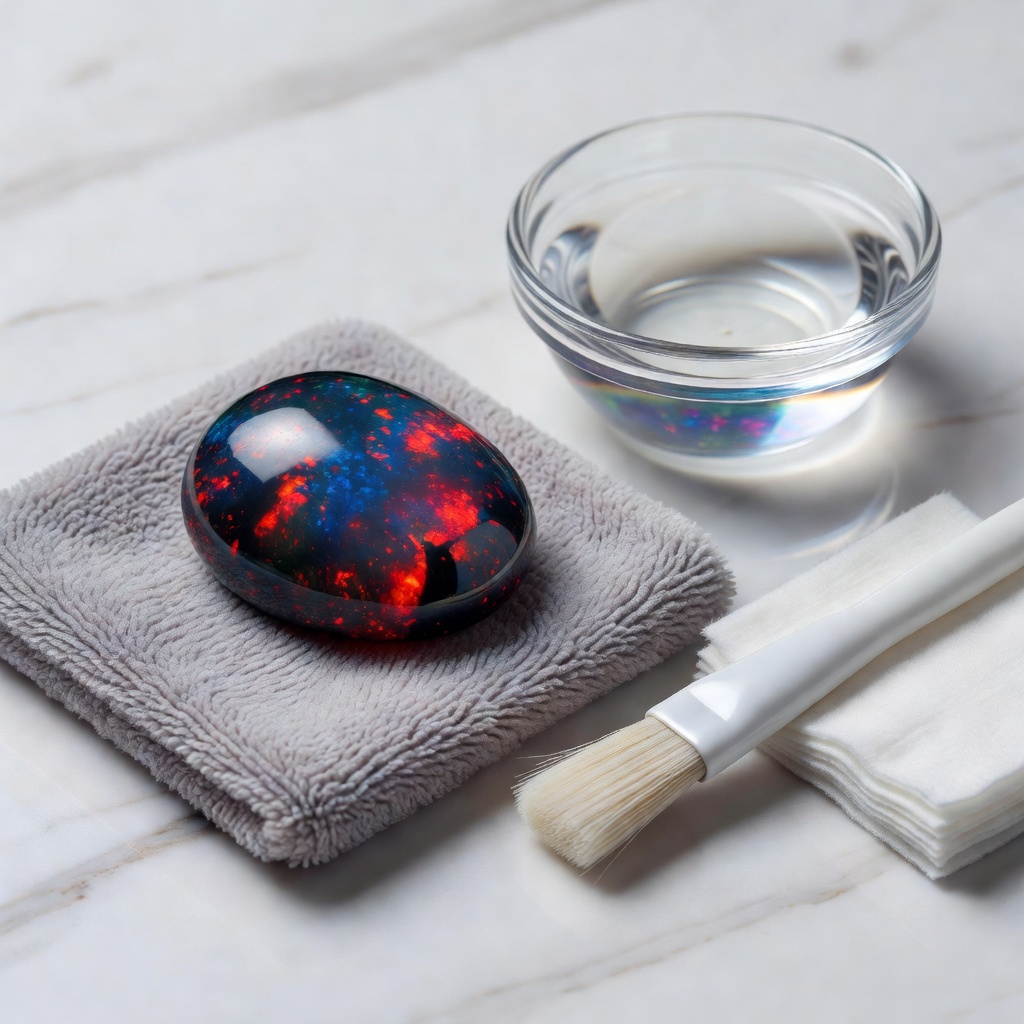
When it comes to cleaning opal jewelry, the methodology must prioritize gentleness over aggressive scrubbing or chemical action. Begin by preparing a cleaning solution using lukewarm distilled water—never tap water, which may contain minerals or chlorine that deposit residue on the stone—mixed with a single drop of mild, pH-neutral dish soap free from dyes or moisturizers. Place your black opal jewelry in this solution for no more than thirty seconds to one minute, just long enough to loosen surface oils and debris. This brief immersion is safe for solid black opals but should be avoided for doublets and triplets, which require a different approach due to their adhesive layers.
For the actual cleaning process, use only a soft, lint-free microfiber cloth or a high-quality cotton ball dampened with the prepared solution. Gently wipe the stone's surface in smooth, circular motions, paying particular attention to the area around the prongs where dirt accumulates. Never use toothbrushes, scrubbing pads, or abrasive cloths, as these can create microscopic scratches that accumulate over time and dull the opal's brilliance. If cleaning an opal doublet or triplet, use a barely damp cloth rather than immersion, and avoid any pressure that might compromise the glue binding the layers together. A practical example involves cleaning an opal pendant that has developed a film from skin oils; gentle wiping with a damp microfiber cloth restores its flash immediately, whereas brushing would risk permanent surface damage.
Proper drying is as critical as the cleaning itself in safe opal cleaning protocols. After washing, place the jewelry on a soft, absorbent towel in a room-temperature environment away from direct sunlight or heat sources. Allow the piece to air dry completely—typically one to two hours—before returning it to storage. Never use hair dryers, heat lamps, or compressed air to speed drying, as rapid moisture evaporation can cause thermal shock or uneven drying that leads to internal cracking. For pieces with intricate settings, you may use a dry corner of the microfiber cloth to gently pat away visible water droplets, but avoid rubbing the stone until it is completely dry to prevent dragging particulate matter across the surface.
Hydration Management and Environmental Control
Effective opal stone hydration management distinguishes expert collectors from casual owners, as moisture balance directly impacts the longevity and appearance of precious opals. Unlike diamonds that remain chemically stable in any humidity, black opals require ambient moisture to prevent dehydration, which manifests as crazing—irreversible surface cracking that resembles a spiderweb pattern. The ideal storage environment maintains relative humidity between 40% and 60%, mimicking the stable conditions of Australian opal fields where these gems formed over millions of years. When humidity drops below 30%, particularly during winter months or in air-conditioned environments, opals begin losing their internal water content to the drier surrounding air.
For long-term storage or periods when you won't be wearing your opals regularly, implement the damp cotton ball method to maintain hydration. Place your solid black opal in a sealed plastic bag or airtight container with a slightly dampened (not wet) cotton ball or piece of cloth. The cotton should be moist enough that it feels cool to the touch but not so wet that water droplets could contact the stone directly. This creates a microclimate of elevated humidity that prevents moisture loss without risking water damage. However, never use this method with opal doublets or triplets, as the adhesive layers can deteriorate in humid conditions; these require dry storage in silica gel packets instead.
Recognizing the early warning signs of dehydration allows for intervention before permanent damage occurs. Inspect your black opals monthly under good lighting for any cloudiness, whitening, or loss of transparency that might indicate moisture loss. Preventing opal crazing requires vigilance—if you notice the play-of-color becoming less vivid or the stone appearing milky in areas, immediately move it to a more humid environment and consult a professional opal cutter. Some collectors in extremely arid climates use humidifiers in their jewelry storage rooms or keep opals in bathroom cabinets where shower steam maintains higher humidity, though direct water contact must still be avoided.
Proper Storage Techniques for Long-Term Protection
Precious opal storage requires solutions that address the unique vulnerabilities of these hydrated gems while protecting them from physical damage. Always store black opal pieces individually in soft cloth pouches, padded jewelry boxes with fabric-lined compartments, or acid-free tissue paper that prevents scratching. Because opals register only 5.5 to 6.5 on the Mohs hardness scale, they are susceptible to scratching from harder gemstones like diamonds, rubies, and sapphires, as well as from metal jewelry components. A common mistake involves tossing an opal ring into a jewelry box where it contacts a diamond tennis bracelet; over time, the diamond's hardness inevitably scratches the opal's surface, requiring costly repolishing.
Environmental positioning within your storage area significantly impacts black opal preservation. Never store opal jewelry on windowsills, in direct sunlight, or near heat sources such as radiators, heating vents, or electronics that generate warmth. Prolonged exposure to temperatures above 85°F (29°C) can accelerate dehydration and potentially cause thermal expansion that leads to cracking. Similarly, avoid storing opals near air conditioning vents where cold, dry air creates rapid temperature fluctuations and low humidity conditions. The ideal storage location maintains a stable temperature between 65-75°F (18-24°C) with consistent moderate humidity, such as a bedroom closet or interior drawer away from external walls.
Understanding the distinction between solid opals and assembled stones is crucial for proper black opal storage tips. Solid black opals, which consist entirely of precious opal material, benefit from the humid storage methods described previously. However, opal doublets (thin opal layers glued to dark backings) and triplets (opal slices sandwiched between clear caps and dark backings) require completely dry storage to prevent water penetration that could cloud the adhesive or cause delamination. Store these composite stones in separate containers with desiccant packets rather than humid environments. Label your storage containers clearly to ensure you never accidentally subject a doublet to the damp cotton ball method intended for solid stones.
Critical Mistakes to Avoid During Cleaning
Understanding opal cleaning mistakes is perhaps the most critical aspect of Black Opal Care and Cleaning, as a single error can result in irreversible damage. Never subject black opals to ultrasonic cleaners, steam cleaners, or boiling water under any circumstances. The intense vibrations of ultrasonic baths create microscopic fractures within the stone's structure, while the heat from steam and boiling water causes rapid expansion that leads to catastrophic thermal shock. A heartbreaking example involved a collector who placed a valuable Lightning Ridge black opal in an ultrasonic cleaner for thirty seconds; the resulting internal cracks rendered a $5,000 stone virtually worthless, as the crazing destroyed both its beauty and structural integrity.
Chemical exposure represents another category of black opal care and cleaning dangers that owners must vigilantly avoid. Ammonia-based cleaners, bleach, alcohol, acetone, and acidic solutions extract the internal moisture essential to opal stability while potentially etching the surface. Even commercial jewelry cleaning solutions designed for gold and diamonds often contain chemicals incompatible with opal composition. When cleaning your bathroom or kitchen, remove opal jewelry beforehand, as airborne bleach particles or aerosol cleaning sprays can settle on the stone and cause gradual degradation. Similarly, avoid using hand sanitizers while wearing opal rings, as the high alcohol content immediately begins dehydrating the surface layer.
Water management errors particularly affect opal doublets and triplets, which require specific precautions beyond those for solid stones. Never soak these assembled gems, as water can penetrate through microscopic gaps between the layers, causing the glue to whiten or the dark backing to separate from the opal layer—a condition called delamination. If you accidentally submerge a doublet, do not apply heat to dry it; instead, place it in a dry environment with desiccant and allow several days for natural evaporation. Another common error involves using toothbrushes or abrasive cloths to "scrub" opals clean; while this might work for durable sapphires, it creates micro-scratches on opal surfaces that accumulate dirt and diminish fire over time.
Professional Maintenance and Restoration Guidelines
While diligent home care forms the foundation of black opal preservation, certain aspects of professional opal care require expert intervention. Schedule annual inspections with a jeweler specifically experienced in opal work—general jewelers unfamiliar with these stones may inadvertently damage them during routine maintenance. During these inspections, the professional should check prong tightness, examine for loose stones, assess surface condition, and verify that the setting hasn't developed sharp edges that could catch and chip the opal. A case study from a Melbourne opal specialist revealed that 40% of damaged opals brought for repair suffered not from owner negligence but from loose settings that allowed the stone to rattle and chip against its mounting.
Surface restoration through professional repolishing becomes necessary when black opals develop scratches, etching, or a dulled appearance that home cleaning cannot remedy. This process involves removing a microscopic layer of the opal's surface using fine diamond powder and specialized polishing compounds on felt wheels—a technique requiring substantial expertise to avoid overheating the stone or removing too much material. Repolishing can restore the mirror-like finish necessary for maximum color play, but it should not be undertaken lightly, as each polishing removes a small amount of the precious opal material. Most high-quality black opals can withstand professional repolishing two to three times during their lifetime before the stone becomes too thin for further treatment.
Advanced restoration techniques include re-oiling treatments for specific opal varieties, though this remains controversial among experts. Certain Ethiopian opals, which are highly hydrophane, may benefit from professional oiling to enhance transparency and color, though this treatment must be disclosed if the stone is sold. Australian black opals rarely require oiling and generally maintain their stability better without such treatments. If your opal shows persistent cloudiness or color loss despite proper hydration and cleaning, consult a specialist who can determine whether the stone requires professional rehydration in a controlled environment, repolishing, or if the damage has progressed beyond practical restoration. Document all professional treatments for your records, as this history affects the stone's value and future care requirements.
Traveling with and Transporting Black Opal Jewelry
Traveling with opals presents unique challenges that require specialized opal jewelry protection strategies to prevent damage from temperature fluctuations, impacts, and security risks. Always transport valuable black opals in hard-shell travel cases featuring individual foam compartments or velvet-lined slots that prevent movement and cushion against shocks. Soft jewelry rolls or pouches may suffice for short trips, but checked luggage experiences rough handling and extreme temperatures in cargo holds that can crack opals. A seasoned opal collector traveling to international gem shows recommends carrying all opal pieces in hand luggage, where you can control the environment and prevent the extreme cold of high-altitude cargo holds from causing thermal shock.
Climate acclimatization represents a crucial yet often overlooked aspect of traveling with these sensitive gemstones. When moving between significantly different environments—such as from an air-conditioned hotel to tropical outdoor humidity, or from a warm cabin to freezing mountain air—allow your opals to adjust gradually. Keep the jewelry in its closed case for at least thirty minutes after arriving at a new destination before wearing it, allowing the stone to slowly equalize to the ambient temperature. Rapid exposure to temperature swings causes differential expansion between the opal's surface and interior, generating stress fractures. This precaution proves particularly important when traveling to desert climates or during winter travel between heated interiors and freezing exteriors.
Security considerations while traveling extend beyond theft prevention to include protection from sun exposure and hotel room hazards. Never leave opal jewelry on hotel window sills, even for short periods, as concentrated sunlight through glass creates a greenhouse effect that can overheat and crack stones. When staying in hotels, use the room safe for storage, but ensure the safe isn't located near heating elements or exterior walls that experience temperature fluctuations. For extended travel or relocation, maintain humidity control by including a small, sealed container with a slightly damp cloth inside your luggage if transporting solid opals, checking regularly to ensure no condensation forms that could damage the stones or their settings.
Preserving Value: Investment-Grade Black Opal Care
For collectors and investors, black opal preservation extends beyond personal enjoyment to encompass asset protection and value retention strategies. High-quality black opals from Lightning Ridge or Mintabie can appreciate significantly over decades, but only if properly maintained to preserve their play-of-color and structural integrity. Before undertaking any cleaning or maintenance routine, document your collection thoroughly through high-resolution photography under consistent lighting conditions, accompanied by written descriptions of each stone's color pattern, body tone, and any existing inclusions. This documentation serves dual purposes: providing baseline images for insurance claims if damage occurs, and establishing provenance that enhances resale value when transferring pieces to new owners.
Consistent care routines directly impact the market value of investment-grade opals. Stones that have been subjected to ultrasonic cleaning, harsh chemicals, or dehydration typically show diminished fire and may develop visible crazing that reduces their value by 50% or more. When considering opal investment care, understand that the gemological market distinguishes between "stable" opals that have maintained their condition over years and "compromised" stones showing environmental damage. Auction houses and serious collectors often request historical care information for significant pieces, and documented evidence of proper maintenance—including professional inspection records and climate-controlled storage—can add premium value comparable to certified provenance.
The long-term legacy of black opal ownership depends on establishing care protocols that outlast individual ownership. If you intend to pass opals to heirs or eventually sell them, create a care manual specific to your collection detailing each piece's origin, any treatments received, and specific storage requirements. Include instructions for the humidification methods appropriate for solid versus assembled stones, and provide contact information for your trusted opal specialist. This attention to black opal care and cleaning documentation ensures that your investment maintains its aesthetic and monetary value across generations, allowing these extraordinary gems to remain vibrant heirlooms rather than damaged artifacts of poor maintenance.
Frequently Asked Questions About Black Opal Care and Cleaning
Can I Use an Ultrasonic Cleaner for My Black Opal Jewelry?
No, ultrasonic cleaners are unsafe for black opals. The intense vibrations and heat can cause internal cracking (crazing) and loosen the stone from its setting. Always use gentle hand-cleaning methods with lukewarm water and mild soap.
How Often Should I Clean My Black Opal Ring?
Clean your black opal jewelry every 2-4 weeks if worn regularly, or immediately after exposure to chemicals, sweat, or cosmetics. For pieces worn occasionally, cleaning every 3-6 months is sufficient. Always inspect the setting during cleaning for loose prongs.
Is It Safe to Get Black Opals Wet?
Solid Australian black opals can safely get wet with lukewarm water during cleaning. However, opal doublets and triplets should never be soaked, as water can penetrate the adhesive layers and cause clouding or delamination. Always dry thoroughly immediately after cleaning.
Why Has My Black Opal Lost Its Fire and Color?
Loss of fire usually indicates dehydration (the stone losing its internal water content) or a buildup of dirt and oils on the surface. Try gentle cleaning first. If the stone appears cloudy or dull after cleaning, it may need professional rehydration treatment or repolishing.
What Is the Best Way to Store Black Opal Long-Term?
Store solid black opals in soft cloth pouches with a slightly damp cotton ball inside a sealed plastic bag to maintain humidity. Keep them away from heat, direct sunlight, and air conditioning vents. For doublets and triplets, use dry storage only to prevent water damage to the backing.
Can I Wear Black Opal in the Shower or While Swimming?
Avoid wearing black opal in chlorinated pools, hot tubs, or saltwater, as chemicals and temperature changes can damage the stone. While brief exposure to plain shower water won't immediately harm solid opals, soap residue can build up and dull the surface. It's best to remove opal jewelry before bathing or swimming.
What Temperature Range Is Safe for Black Opals?
Black opals are comfortable at room temperature (65-75°F or 18-24°C). Avoid exposing them to temperatures below freezing or above 100°F (38°C). Sudden temperature changes—such as moving from a hot sauna to cold air—can cause thermal shock and cracking. Allow stones to acclimate gradually when moving between extreme environments.
How Do I Know If My Black Opal Needs Professional Care?
Seek professional help if you notice visible surface cracks (crazing), significant scratches, a loose stone in its setting, or persistent cloudiness that doesn't improve with gentle cleaning. Also consult a professional if the opal has been exposed to harsh chemicals or extreme impacts, even if no damage is immediately visible.