Introduction to Benitoite: Why Special Care Matters
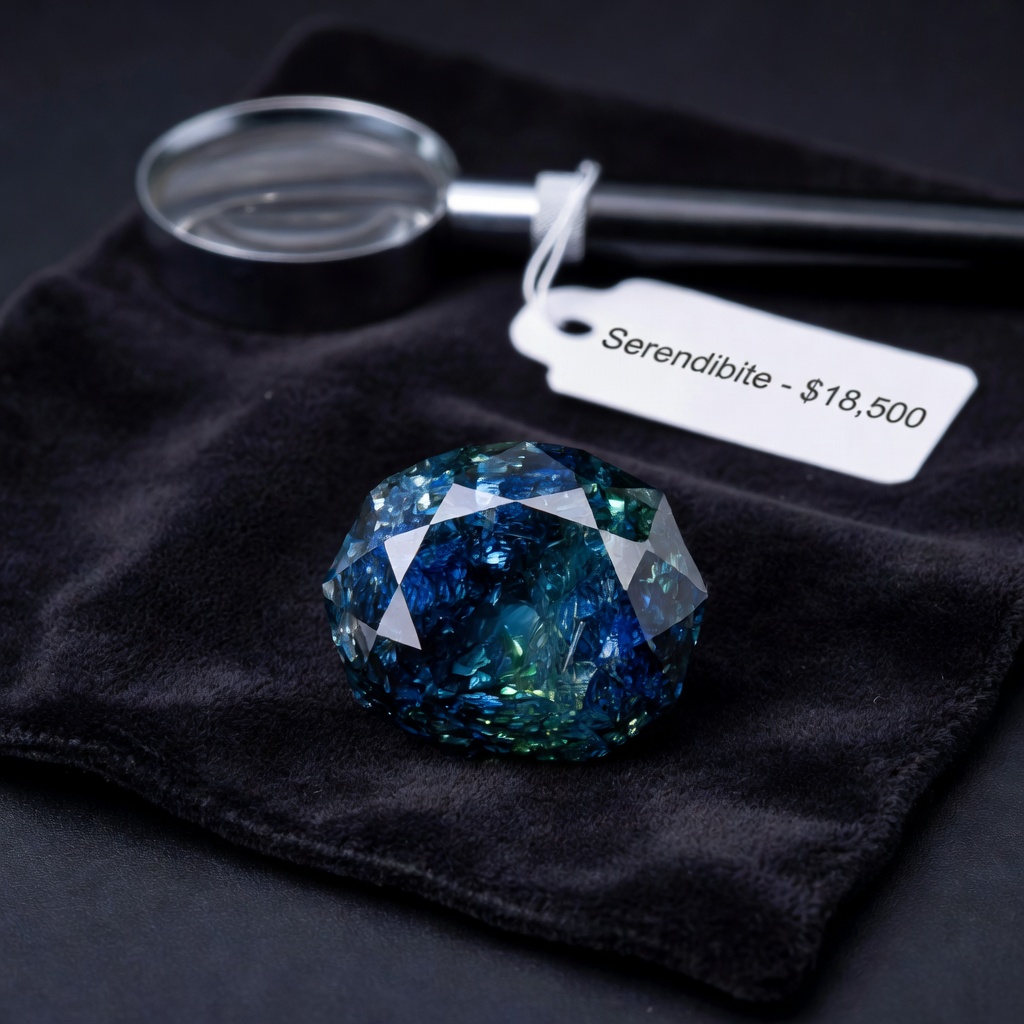
Benitoite stands as one of the most extraordinary treasures in the gemstone world, designated as California's state gem and recognized among the rarest minerals on Earth. This stunning blue crystal, first discovered in 1907 in San Benito County, California, exhibits a mesmerizing sapphire-blue to colorless dichroism that captivates collectors and jewelry enthusiasts alike. Unlike more common gemstones, high-quality benitoite specimens command premium prices at auction, with faceted stones over one carat considered museum-grade rarities. Understanding proper Benitoite Care and Cleaning protocols becomes essential not merely for aesthetic maintenance but for protecting a significant financial investment that may appreciate over generations.
The unique optical properties of benitoite, including its characteristic dispersion that exceeds even diamond, require specific maintenance approaches that differ from standard jewelry care routines. When light enters this trigonal crystal, it creates a fire and brilliance that demands pristine surface conditions to perform optimally. Even minor surface abrasions or chemical residues can diminish the stone's ability to refract light, temporarily masking its legendary blue fluorescence under ultraviolet light. Collectors who have acquired specimens from the historic Dallas Gem Mine or the Benitoite Gem Mine understand that California state gem care involves balancing accessibility for enjoyment with rigorous protection protocols.
Whether you own a delicate benitoite pendant or a substantial collector's crystal, establishing consistent maintenance habits preserves both the gemological significance and market value of your piece. Many owners report that their benitoite jewelry serves as both wearable art and a tangible connection to California's mineralogical heritage. By implementing specialized cleaning routines and storage solutions tailored to this gemstone's specific vulnerabilities, you ensure that future generations can appreciate the same intense blue radiance that first captivated miners over a century ago.
Understanding Benitoite's Physical Properties
Before implementing any Benitoite Care and Cleaning regimen, owners must comprehend the specific physical characteristics that make this gemstone simultaneously beautiful and vulnerable. Benitoite registers between 6 and 6.5 on the Gemstone hardness Mohs scale, positioning it softer than quartz (7) and significantly less durable than corundum varieties like sapphire and ruby (9). While this hardness rating suggests moderate resistance to scratching, it belies the stone's true fragility in practical wear situations. Unlike diamond, which ranks at 10 and can withstand substantial impact, benitoite requires thoughtful handling to prevent surface damage that could compromise its brilliance.
The most critical factor affecting Benitoite gemstone maintenance involves the mineral's perfect cleavage planes, which run parallel to the basal pinacoid faces of the crystal structure. These cleavage planes represent planes of weakness where the atomic bonds align perfectly, allowing the stone to split cleanly under sufficient stress. A seemingly minor knock against a granite countertop or accidental drop onto a ceramic tile floor can activate these cleavage planes, resulting in catastrophic fractures that render faceted stones worthless. This characteristic distinguishes benitoite dramatically from diamonds, which possess no cleavage planes and exhibit conchoidal fracture patterns instead.
Beyond mechanical vulnerabilities, benitoite demonstrates significant sensitivity to thermal shock, making sudden temperature changes particularly dangerous during cleaning or storage. When exposed to rapid heating or cooling, differential expansion between the crystal structure and any inclusions can create internal stress fractures. Additionally, the stone's brittleness factor means it cannot absorb impact energy through plastic deformation like softer organic gems (amber or pearls) or flex like some tougher stones. Understanding these limitations informs every aspect of Cleaning rare gemstones protocols, from water temperature selection to activity restrictions during wear.
Safe Home Cleaning Methods for Benitoite
Establishing a gentle yet effective home cleaning routine forms the foundation of proper Benitoite Care and Cleaning for jewelry worn regularly. Begin by preparing a shallow bowl with lukewarm distilled water, maintaining a temperature between 70-85°F (21-29°C) to avoid thermal shock. Add two to three drops of mild pH-neutral dish soap, such as Dawn Original or specialized jewelry cleaning formulations without moisturizers or antibacterial agents. Distilled water prevents mineral deposits that tap water might leave behind, particularly important for maintaining the pristine facets that maximize benitoite's dispersion.
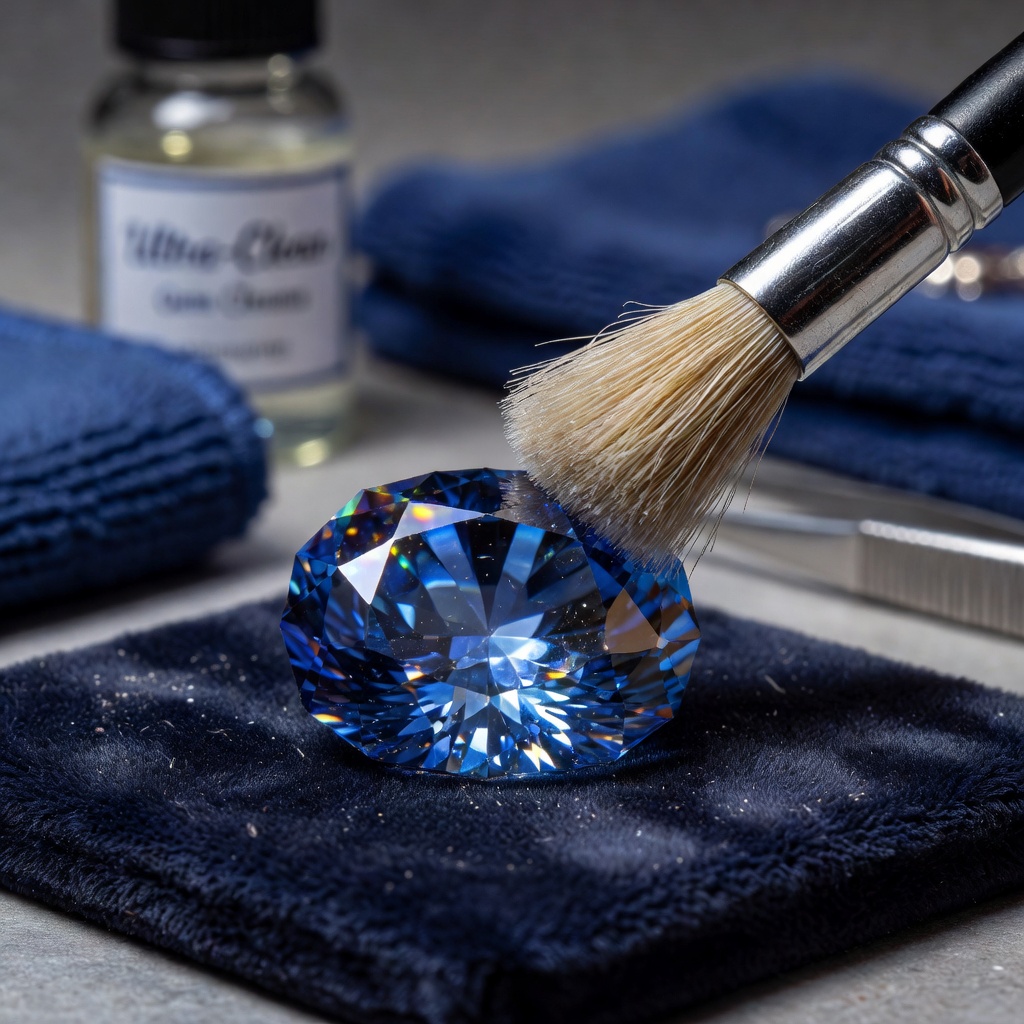
Submerge your benitoite jewelry for no more than two to three minutes to loosen accumulated oils and debris. Using a soft-bristled baby toothbrush or dedicated jewelry brush with natural bristles, gently agitate the setting around the stone's girdle and pavilion, where skin oils and soap scum typically accumulate. Never apply direct pressure to the table or crown facets; instead, allow the brush to whisk away particles with minimal contact. For intricate vintage settings featuring filigree work, consider using a cosmetic brush with ultra-soft synthetic fibers to reach crevices without risking prong damage or stone dislodgement.
Rinse the piece thoroughly under a gentle stream of lukewarm distilled water, ensuring all soap residue disappears completely. Any remaining film will attract dust and create a cloudy appearance that diminishes the stone's brilliance. Pat dry immediately using a lint-free microfiber cloth reserved exclusively for jewelry care, avoiding paper towels that can scratch metal settings. For optimal Benitoite jewelry preservation, finish by allowing the piece to air dry completely on a clean cotton towel for thirty minutes before storage. Clean pieces worn regularly every two to four weeks, while occasional wear items benefit from cleaning every three to six months.
Cleaning Solutions and Chemicals to Avoid
Protecting benitoite requires vigilance regarding chemical exposure, as many common household cleaners can permanently damage this rare gemstone's surface integrity. Ammonia-based cleaners, including traditional window sprays and some jewelry dips, can etch the surface of benitoite over time, gradually dulling the polish that lapidaries spend hours perfecting. Similarly, chlorine bleach and chlorine-containing pool chemicals react adversely with the trace elements within benitoite's barium titanium silicate structure, potentially causing pitting or discoloration that no amount of polishing can reverse. Even brief exposure to these harsh chemicals necessitates immediate rinsing with distilled water to minimize damage.
Alcohol-based solutions, including isopropyl rubbing alcohol and acetone nail polish remover, present significant risks for Benitoite gemstone maintenance despite their popularity for cleaning other jewelry types. These solvents can degrade certain types of fracture fillings or temporary treatments sometimes applied to enhance clarity in lower-grade specimens. Furthermore, alcohol residues can react with skin oils upon subsequent wear, creating stubborn films that require professional cleaning to remove. Commercial jewelry dips containing harsh solvents should remain strictly off-limits, as their aggressive chemical formulations assume the durability of diamonds or sapphires rather than the specific sensitivities of rare collector gems.
Many homeowners mistakenly reach for toothpaste or baking soda pastes when cleaning jewelry, but these materials act as mild abrasives that can devastate benitoite's surface luster. The Mohs hardness of baking soda (2.5) and toothpaste components (various) may seem softer than benitoite (6-6.5), but the irregular crystalline structure of these household items creates micro-scratches that scatter light and reduce transparency. Additionally, citrus-based cleaners containing citric acid or d-limonene can react with metal settings, causing prongs to weaken and potentially release the stone. When in doubt regarding Cleaning rare gemstones, remember that if the substance isn't specifically formulated for delicate gems, it poses unnecessary risk to your benitoite.
Ultrasonic and Steam Cleaning: What You Need to Know
Ultrasonic cleaners, while standard equipment in many jewelry stores and households, present exceptional dangers for benitoite due to the interaction between high-frequency vibrations and the stone's perfect cleavage. These devices create microscopic cavitation bubbles that implode against jewelry surfaces, effectively blasting away dirt and oils through intense localized pressure. For diamonds and sapphires, this process works beautifully, but for benitoite, the vibrations can activate latent stress along cleavage planes, potentially causing immediate splitting or creating micro-fractures that expand over time. Even professional jewelers often decline to place benitoite in ultrasonic baths unless specifically requested by knowledgeable owners willing to assume the risk.
Steam cleaners pose equally significant threats to Benitoite Care and Cleaning protocols due to thermal shock and rapid temperature fluctuations. The concentrated jet of superheated steam can raise the surface temperature of benitoite instantaneously while the interior remains cooler, creating differential expansion that exploits cleavage weaknesses. Additionally, steam pressure can loosen prong settings, particularly in vintage pieces where metal fatigue may already compromise security. The combination of heat and mechanical force makes steam cleaning one of the riskiest methods for maintaining benitoite jewelry, despite its effectiveness for precious metals and harder gemstones.
Professional gemologists may utilize these methods in controlled circumstances, such as when examining rough specimens to remove clay matrix or cleaning stable benitoite crystals mounted in protective settings with no visible inclusions. However, for typical jewelry owners, safer alternatives exist for deep cleaning heavily soiled specimens. Consider using a professional-grade jewelry cleaning solution specifically labeled safe for delicate gemstones, applied with a soft brush and thorough rinsing. For persistent grime, consult a gemologist who can evaluate the specific inclusion profile of your stone before recommending mechanical cleaning methods. Remember that the Gemstone hardness Mohs scale rating doesn't account for brittleness or cleavage, making benitoite's care requirements distinct from harder but tougher stones.
Proper Storage Techniques and Environment Control
Long-term Benitoite jewelry preservation requires implementing storage solutions that address the stone's specific vulnerabilities while protecting accompanying metalwork. Always store benitoite pieces individually in soft fabric pouches made from chamois, untreated cotton, or anti-tarnish cloth to prevent contact with harder gemstones. A diamond ring stored alongside a benitoite pendant will inevitably scratch the softer stone, creating permanent surface damage visible to the naked eye. For extensive collections, invest in a jewelry box featuring individually lined compartments with padded dividers that prevent pieces from shifting during drawer opening or transport.
Environmental stability plays a crucial role in Benitoite storage tips, particularly regarding humidity and temperature control. While benitoite itself remains chemically stable across normal humidity ranges, the metal settings—typically gold, platinum, or silver—can corrode or tarnish in excessively humid conditions, potentially weakening prongs that secure the stone. Maintain storage environments between 40-60% relative humidity, using silica gel packets or specialized jewelry safes with humidity controls for valuable collections. Avoid storing benitoite in bathroom medicine cabinets or kitchen areas where steam and cooking oils create corrosive atmospheres.
Temperature stability proves equally important, as attics and basements subject jewelry to seasonal extremes that stress both gemstones and settings. Direct sunlight exposure can fade certain treated benitoite specimens and cause thermal expansion in metal settings, potentially loosening prongs over time. For travel, utilize hard-case jewelry boxes with individual padded slots rather than soft travel rolls that allow pieces to contact one another. When flying, always carry benitoite jewelry in carry-on luggage rather than checked baggage, where temperature fluctuations in cargo holds and rough handling pose unacceptable risks. Document your storage protocols as part of your insurance records, noting specific environmental controls that demonstrate professional-grade California state gem care.
Daily Wearing and Handling Best Practices
Integrating benitoite into your regular wardrobe requires adopting specific habits that minimize exposure to damaging conditions while maximizing enjoyment of the stone's beauty. Implement the "last on, first off" rule, putting benitoite jewelry on only after applying cosmetics, hairspray, perfume, and sunscreen. These products contain alcohols, oils, and chemicals that adhere to gemstone surfaces, creating films that attract dust and require frequent cleaning. Similarly, remove benitoite rings before washing hands with antibacterial soaps, which often contain harsh chemicals that can dull the stone's luster over time.
Physical activity presents significant risks for Benitoite Care and Cleaning maintenance, necessitating removal before exercise, cooking, cleaning, or gardening. The impact risk during weightlifting, the chemical exposure while chopping acidic foods, and the abrasion potential during household cleaning all threaten this fragile gem. Even seemingly benign activities like swimming pose dangers; chlorinated pool water can damage settings, while cold water contraction may loosen prongs. When removing benitoite jewelry, handle the piece by its metal components rather than touching the stone surface directly, as skin oils transfer immediately to the facets and attract dust.
Proper handling technique involves grasping rings by the shank, pendants by the bail, and earrings by the posts or hooks. Avoid gripping the crown or table of the stone, not only to prevent oil transfer but to minimize the risk of dropping the piece due to benitoite's brittleness. When setting down benitoite jewelry, choose padded surfaces away from edges where pieces might roll off onto hard floors. For those who wear benitoite daily, consider protective settings such as bezels or half-bezels that shield the girdle from direct impact, rather than exposed prong settings that leave the stone vulnerable to chips from door frames or desk edges.
Professional Maintenance and Inspection Schedules
Despite meticulous home care, professional intervention remains essential for comprehensive Benitoite gemstone maintenance and longevity. Schedule annual inspections with a certified gemologist or experienced jeweler familiar with rare gemstones, specifically requesting prong integrity checks and microscopic examination for hairline fractures. These professionals utilize loupes and microscopes to detect early signs of cleavage propagation or setting wear invisible to the naked eye. During these inspections, professionals can also assess whether the stone requires repolishing to remove microscopic abrasions accumulated through normal wear.
Repololishing services become necessary when benitoite surfaces exhibit numerous small scratches or a general dulling of luster that home cleaning cannot remedy. This specialized lapidary work requires experts who understand the optimal angles for benitoite faceting and the stone's specific grinding characteristics. Unlike diamonds, which can withstand aggressive cutting wheels, benitoite demands gentle polishing compounds and precise pressure to avoid activating cleavage planes. Maintain detailed documentation of all professional services, including before-and-after photographs, as these records support insurance claims and provenance verification for high-value specimens.
Selecting the right professional proves crucial for Benitoite jewelry preservation; seek gemologists with specific experience in rare collector stones rather than general retail jewelers who may default to ultrasonic cleaning or steam treatments standard for diamond jewelry. Ask prospective conservators about their experience with barium titanium silicate minerals and their protocols for handling stones with perfect cleavage. Additionally, update insurance appraisals every two to three years, as benitoite values fluctuate based on mine production and collector market trends. Store appraisal documents separately from the jewelry itself, preferably in a safe deposit box or digital cloud storage, ensuring that your California state gem care documentation remains accessible even if the physical piece requires emergency restoration.
Troubleshooting Common Benitoite Care Issues
Even with diligent care, benitoite owners occasionally encounter issues requiring immediate attention to prevent permanent damage. Cloudiness or film buildup typically results from inadequate rinsing after cleaning, allowing soap residue or skin oils to polymerize into stubborn layers across the pavilion facets. To address this, soak the piece in lukewarm distilled water for ten minutes, then gently brush with a soft toothbrush using minimal pressure. If cloudiness persists, it may indicate microscopic surface etching from chemical exposure, requiring professional repolishing rather than additional home cleaning attempts.
Identifying loose settings before stone loss occurs demands regular visual inspection and gentle tactile testing. Examine prongs monthly using a 10x loupe, looking for worn tips, gaps between metal and stone, or prongs that no longer sit flush against the girdle. The "rattle test" involves holding the jewelry near your ear and gently shaking it; any clicking sound indicates movement requiring immediate professional tightening. Never attempt to tighten prongs at home using pliers or other tools, as the pressure can crack benitoite along its cleavage planes or scratch the girdle.
Accidental chemical exposure requires immediate remediation to minimize etching or discoloration. If benitoite contacts bleach, ammonia, or other harsh substances, rinse immediately under lukewarm distilled water for several minutes, gently brushing to remove chemical residues. For exposure to adhesives or paints, do not attempt solvent removal at home; instead, transport the piece immediately to a professional who can safely dissolve contaminants without damaging the stone. Recognizing when damage requires professional repair versus replacement involves assessing whether fractures penetrate the crown or remain superficial. Surface scratches and minor chips along the girdle often allow for recutting or repolishing, while fractures reaching the table or through the pavilion typically render stones unsuitable for jewelry use, though they may retain value as mineral specimens.
Frequently Asked Questions About Benitoite Care and Cleaning
Can I use an ultrasonic cleaner to clean my benitoite jewelry?
No, ultrasonic cleaners are not recommended for benitoite. The intense vibrations can activate the stone's perfect cleavage planes, potentially causing fractures or complete splitting. Stick to gentle hand-cleaning with lukewarm soapy water and a soft brush.
How often should I clean my benitoite gemstone?
For regularly worn benitoite jewelry, clean every 2-4 weeks using mild soap and water to remove skin oils and debris. For pieces worn occasionally, cleaning every 3-6 months is sufficient. Always clean immediately after exposure to cosmetics, sunscreen, or household chemicals.
Is benitoite durable enough for daily wear in an engagement ring?
Due to its 6-6.5 Mohs hardness and perfect cleavage, benitoite requires protective settings and careful wear for daily use. While possible, it's riskier than harder stones like sapphires. Consider wearing it for special occasions rather than 24/7, especially avoiding activities where impact might occur.
What type of soap is safe for cleaning benitoite?
Use only mild, pH-neutral dish soap or specialized jewelry soap without moisturizers, ammonia, or bleach. Dawn Original or similar gentle formulations work well. Avoid antibacterial soaps, citrus-based cleaners, or anything containing abrasives that could scratch the stone's surface.
Can benitoite be damaged by water or humidity?
Pure water does not damage benitoite, but prolonged exposure to chlorinated pool water or saltwater can affect metal settings and potentially leave residue on the stone. High humidity won't harm the gem itself but may corrode settings over time. Always dry thoroughly after cleaning.
How should I store benitoite to prevent damage?
Store benitoite separately in a soft fabric pouch or lined jewelry box compartment to prevent scratching from harder gems like diamonds. Keep away from direct sunlight and heat sources, and maintain stable room temperature. For travel, use a hard-case jewelry box with individual padded slots.
Can I use commercial jewelry cleaning solutions on benitoite?
Most commercial dips and cleaning solutions should be avoided as they often contain ammonia, alcohol, or other chemicals that can dull benitoite's luster. If using a commercial product, verify it's specifically labeled safe for delicate gemstones and contains no harsh solvents or acids.
What temperature water should I use when cleaning benitoite?
Use lukewarm water between 70-85°F (21-29°C). Avoid hot water as thermal shock can stress the stone's cleavage planes, and avoid very cold water which can cause contraction issues with settings. Never subject benitoite to extreme temperature changes during cleaning.