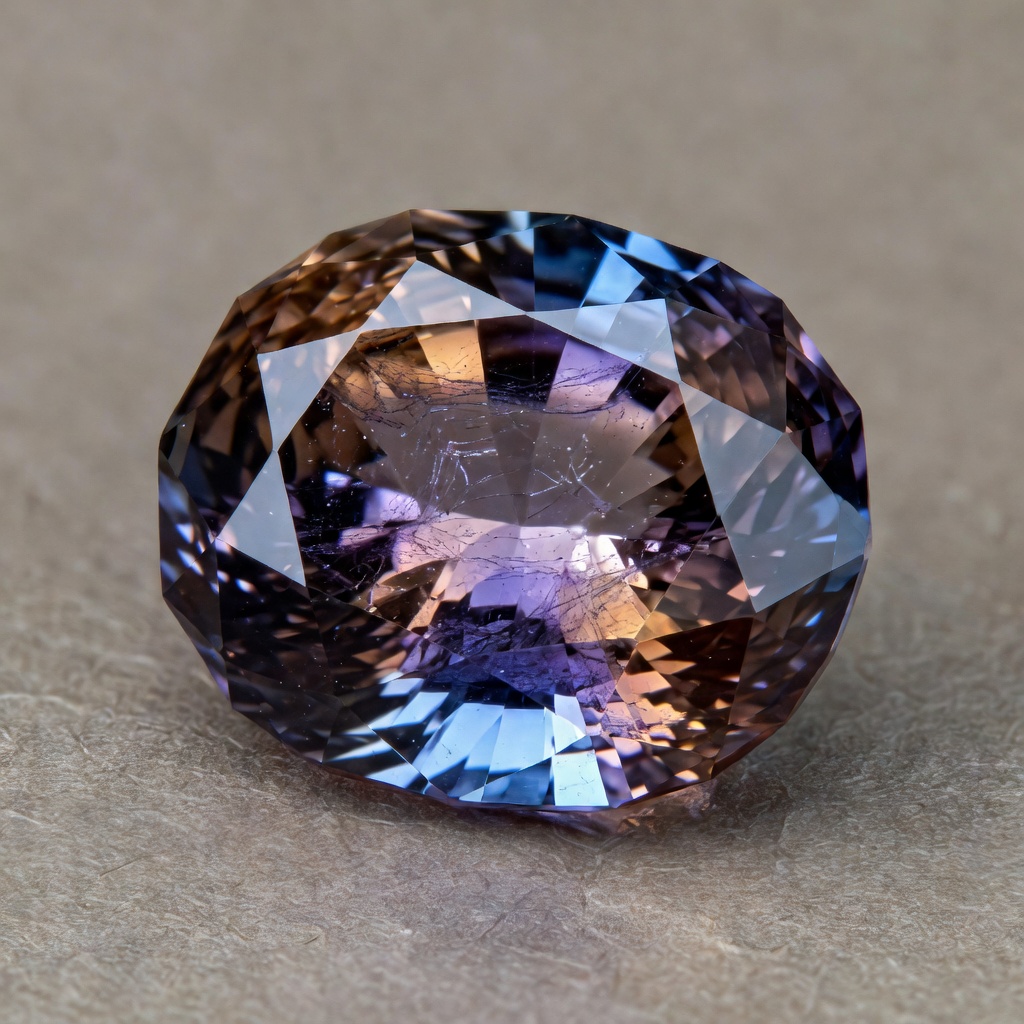
Introduction to Axinite: Understanding This Rare Collector's Gem
Axinite represents one of the most fascinating yet underappreciated gemstones in the collector's market, distinguished by its complex chemical composition as a calcium aluminum borate silicate. This unique mineral structure contributes to its remarkable physical properties and contributes significantly to its valuation within the gemstone community. Unlike more common jewelry materials, axinite possesses a distinctive crystalline habit that often forms sharp, wedge-shaped crystals with complex terminations, making each specimen a unique geological artifact.
The defining characteristic that separates axinite from ordinary brown gemstones is its pronounced trichroic nature, displaying pleochroic colors ranging from honey brown and clove brown to violet and blue when viewed from different crystallographic angles. This optical phenomenon creates a dynamic visual experience where the gemstone literally changes color as it rotates under light sources, adding tremendous value for collectors who appreciate optical complexity. When evaluating rare axinite crystals, gemologists prioritize specimens that demonstrate strong, distinct color separations between the three optical axes, as this directly correlates with both aesthetic appeal and market desirability.
Compared to abundant quartz varieties or mainstream gemstones like amethyst and citrine, axinite remains genuinely scarce in the marketplace, with commercial mining operations limited to a handful of localities worldwide. This relative rarity ensures that high-quality specimens maintain consistent demand among serious mineral collectors and connoisseurs who seek alternatives to common jewelry materials. The combination of geological complexity, optical uniqueness, and genuine scarcity positions axinite as a sophisticated acquisition for those building diverse gemstone portfolios.
Current Axinite Price Per Carat: Market Overview
Understanding the current market dynamics for axinite requires familiarity with a tiered pricing structure that reflects quality differentiations across the available material spectrum. Commercial quality rough specimens, typically exhibiting moderate inclusions and standard honey-brown coloration, currently trade in the range of $20 to $50 per carat through wholesale mineral markets and lapidary suppliers. These entry-level pieces appeal to beginning collectors and jewelry makers seeking to work with genuine material without the premium associated with museum-grade specimens.
Fine faceted gem-quality material, characterized by exceptional clarity, masterful cutting that maximizes trichroic display, and rich color saturation, commands substantially higher prices ranging from $100 to $300 per carat in today's market. When calculating axinite value per carat for investment purposes, buyers should note that stones exceeding three carats with eye-clean clarity fall into this premium category due to the difficulty of extracting flawless material from host rock. Exceptional museum-grade crystals, particularly those exceeding five carats with perfect transparency and intense pleochroism, regularly exceed $500 per carat and can reach significantly higher prices at specialized mineral auctions.
Price volatility factors affecting the axinite market include irregular mining output from primary sources in Mexico and Pakistan, coupled with fluctuating collector demand driven by economic conditions in the high-end gemstone sector. Unlike diamonds or sapphires with established commercial pipelines, axinite supply depends largely on sporadic discoveries by artisanal miners, creating periodic shortages that drive prices upward. Savvy collectors monitor geological publications and mining reports to anticipate supply constraints that typically precede price increases in the secondary market.
Color Varieties and Their Impact on Axinite Value
The chromatic diversity within the axinite group significantly influences valuation, with color serving as the primary determinant of desirability among connoisseurs and jewelry designers. Honey brown and clove brown represent the most commonly encountered market colors, offering warm, earthy tones that complement both yellow and white metal settings while maintaining moderate pricing accessibility for entry-level collectors. These traditional brown varieties, while beautiful, generally command lower prices compared to their rarer counterparts due to greater availability in the rough material markets.
Ferro-axinite, distinguished by rich iron-induced brown tones that often display exceptional depth and saturation, consistently achieves premium pricing in specialized collector circles. When evaluating ferro-axinite price points, buyers should expect to pay 30-50% premiums over standard magnesio-axinite varieties due to the intensity of coloration and superior trichroic effects visible in high-iron content specimens. The iron-rich chemical composition not only enhances visual depth but also typically correlates with greater hardness and durability, making ferro-axinite particularly suitable for jewelry applications requiring daily wear resistance.
Violet-blue and colorless varieties represent the absolute pinnacle of axinite rarity, commanding the highest prices due to extreme scarcity and exceptional visual impact in finished jewelry pieces. These rare color variations occur through specific trace element substitutions and unique geological formation conditions that remain poorly understood, resulting in unpredictable discovery rates that keep supply severely constrained. When pleochroism intensity creates dramatic color shifts between brown base tones and violet or blue secondary hues, the resulting trichroic gemstone pricing can exceed standard benchmarks by 200-300%, particularly for stones that display clean color separation without muddied intermediate zones.
The Four Cs of Axinite Quality Assessment
Evaluating axinite through the traditional gemstone quality framework requires specialized knowledge of this mineral's unique challenges and optical characteristics. Clarity presents the most significant hurdle for cutters and collectors, as axinite typically forms with internal fractures, needle-like inclusions, and growth zoning that can compromise transparency. When assessing potential purchases, examine stones under diffused lighting to identify feather inclusions and cleavage planes that might affect durability, remembering that completely eye-clean axinite exceeding two carats represents exceptional rarity worthy of premium investment.
Cutting considerations for axinite demand particular attention to crystallographic orientation to maximize the display of trichroic colors while minimizing the appearance of color zoning. Master cutters often fashion axinite into rectangular or cushion shapes with specific table orientations that allow light to traverse the stone's length, simultaneously revealing brown, violet, and blue pleochroic colors. This specialized cutting expertise directly impacts trichroic gemstone pricing, as poorly oriented stones may appear muddy or monochromatic, reducing value by 40-60% compared to optimally cut specimens of similar rough quality.
Carat weight premiums escalate dramatically for stones exceeding five carats, reflecting the statistical rarity of finding clean, facetable material in larger crystal sizes. While one to three carat stones appear regularly in the market, specimens over five carats with good clarity command exponential price increases due to the difficulty of extracting large clean sections from typically fractured rough. Color zoning issues further complicate valuation, as uneven distribution of brown and violet hues can create face-up appearance problems that significantly detract from visual appeal despite individual zones showing excellent saturation.
Geographic Origins and Location-Based Price Premiums
The provenance of axinite specimens significantly influences market valuation, with certain localities commanding substantial premiums based on historical significance and material quality. Baja California, Mexico produces specimens widely considered the finest available, characterized by exceptional clarity, intense trichroism, and rich brown-to-violet color transitions that set the standard for gem-grade material. Collectors seeking rare axinite crystals from this region should expect to pay 20-40% premiums over comparable material from other sources, with documented specimens from specific claims like the Obregon Mine achieving even higher valuations at specialty auctions.
Historical French and Russian localities, including the classic deposits of Bourg d'Oisans and the Ural Mountains, affect vintage piece valuations through their association with 19th-century mineral collections and historical jewelry contexts. Specimens from these exhausted or inaccessible mines carry provenance premiums among historically-minded collectors, particularly when accompanied by original labels or documentation from notable early mineralogists. While these vintage pieces may show slight wear or cutting styles inconsistent with modern preferences, their historical significance often justifies prices exceeding those of contemporary gem-quality material.
Pakistan and Afghanistan currently serve as important sources for mid-range axinite, offering competitive pricing for material that typically displays good color but may require more careful cutting to address internal clarity challenges. These Himalayan specimens often exhibit slightly different trace element compositions resulting in subtle color variations that appeal to collectors seeking regional diversity in their holdings. When purchasing investment-grade material, insist upon origin documentation from reputable dealers, as undisclosed mixing of Mexican and Pakistani material occasionally occurs in wholesale markets, potentially affecting long-term value retention for serious collectors.
Buying Channels: Retail vs Wholesale Pricing Strategies
Navigating the axinite marketplace requires understanding the substantial price differentials between various acquisition channels and their associated risk profiles. Typical retail markup structures range from 200-400% over wholesale rough costs, reflecting the significant skill required to cut axinite successfully and the high attrition rate during the faceting process. When applying axinite buying tips to retail purchases, prioritize established gemological dealers who offer return privileges and certification, as the specialized nature of this gemstone makes impulsive online purchases particularly risky for inexperienced buyers.
Online marketplaces present both opportunities and challenges, requiring buyers to verify seller credentials, examine high-resolution photography under multiple lighting conditions, and understand return policies before committing to significant purchases. Platforms like GemRockAuctions or specialized mineral dealer websites often provide better value than brick-and-mortar jewelry stores, though buyers must possess sufficient knowledge to evaluate trichroic displays from photographs and recognize potentially misleading lighting techniques. Always request videos showing the stone rotating under natural light to confirm pleochroic effects before finalizing high-value transactions.
Mineral shows and direct connections with artisanal miners offer the best value acquisition opportunities for knowledgeable collectors willing to invest time in relationship building. Events like the Tucson Gem and Mineral Show provide access to rough material at wholesale pricing, though buyers must possess cutting expertise or relationships with specialized lapidaries to realize value from uncut crystals. Auction houses specializing in fine minerals, including Heritage Auctions and Bonhams, establish important price benchmarks for rare specimens, though buyer's premiums of 15-25% must be factored into investment calculations when acquiring museum-grade material through these channels.
Investment Potential and Long-Term Value Retention
Axinite occupies a unique position in the alternative investment landscape, offering portfolio diversification benefits for collectors seeking tangible assets outside traditional financial markets. Limited commercial mining operations ensure continued scarcity, as no major industrial deposits have been discovered to flood the market with inexpensive material, maintaining price stability even during broader economic downturns. When analyzing magnesio axinite cost trends over the past decade, fine specimens have demonstrated consistent appreciation rates of 5-10% annually, outperforming many traditional savings instruments while providing aesthetic enjoyment during the holding period.
Collector market liquidity considerations differ significantly from mainstream gemstones like diamonds or rubies, requiring longer holding periods and specialized sales channels to realize full value. Unlike blue-chip colored stones with established auction records and dealer networks, axinite sales typically require consignment through specialty mineral dealers or targeted advertising within collector communities, potentially extending liquidation timelines to several months. This liquidity constraint makes axinite better suited for long-term collectors with stable financial positions rather than speculators seeking quick returns on gemological investments.
The appreciation trends for axinite reflect broader market movements toward unique, untreated gemstones with documented provenance and distinctive optical properties. As consumer awareness grows regarding the rarity of untreated, naturally trichroic gemstones, demand from jewelry designers seeking distinctive center stones continues expanding the collector base beyond traditional mineral enthusiasts. Portfolio diversification benefits include low correlation with stock market volatility and inflation hedge characteristics typical of tangible rare commodities, though investors should limit axinite to 5-10% of total collectible allocations to maintain proper balance within diversified holdings.
Authentication and Avoiding Overpriced or Fake Material
Protecting your investment in axinite requires rigorous authentication protocols, particularly given the significant price premiums commanded by fine specimens in today's market. Laboratory certification from recognized authorities like the Gemological Institute of America (GIA) or American Gemological Laboratories (AGL) provides essential verification of natural origin, geographic source, and absence of treatment for purchases exceeding $1,000. When evaluating axinite value per carat for certified versus uncertified stones, the modest cost of documentation (typically $50-150) provides invaluable protection against misrepresentation and ensures future marketability.
Common simulants include lead glass fashioned to mimic axinite's brown coloration and synthetic spinel doped with specific elements to imitate pleochroic effects, though experienced gemologists can distinguish these through refractive index testing and microscopic examination. Natural axinite exhibits a refractive index range of 1.656-1.704 and specific gravity between 3.26-3.36, measurements that readily separate genuine material from glass imitations or look-alike minerals like andalusite. Any seller refusing to provide basic gemological data or demonstrating evasiveness regarding testing should be avoided regardless of apparent pricing advantages.
While most axinite enters the market in untreated condition, maintaining maximum value retention, buyers must verify that sellers explicitly disclose any heat treatment or clarity enhancement procedures applied to improve appearance. Red flags indicating potential fraud include prices significantly below established market rates (suggesting glass or assembled stones), sellers claiming "new discoveries" of blue axinite in unusual localities, and specimens showing perfect clarity in large sizes without corresponding premium pricing. Always compare refractive indices and pleochroic colors against established reference samples before completing significant acquisitions.
Care and Maintenance to Preserve Axinite Value
Proper maintenance protocols ensure that your axinite specimens retain both their aesthetic beauty and financial value over decades of ownership and potential appreciation. With a Mohs hardness of 6.5-7, axinite requires protective settings when used in jewelry, preferably bezel settings or protective prong designs that shield the girdle from impact during daily wear. This comprehensive Axinite Price Guide emphasizes that scratches and chips significantly diminish value, potentially reducing prices by 50-70% for damaged specimens, making protective storage and handling essential for investment-grade material.
Cleaning protocols must exclude ultrasonic cleaners and steam cleaning equipment, as these methods can exacerbate existing fractures or cause thermal shock in stones with internal stress. Instead, gently clean axinite using warm water with mild dish soap and a soft-bristled brush, followed by careful drying with a lint-free cloth to prevent water spots on the surface. For specimens with significant value, consider professional cleaning by gemologists who understand axinite's cleavage planes and can assess whether existing inclusions have developed into active fractures requiring stabilization.
Storage recommendations include keeping axinite separate from harder gemstones like diamonds, sapphires, and rubies that could scratch the surface during contact, ideally in individual padded boxes or soft cloth bags. Insurance appraisal considerations require finding qualified appraisers familiar with specialty gemstones who can document trichroic quality, clarity characteristics, and provenance factors that affect replacement value. Update appraisals every three to five years to reflect market appreciation, ensuring adequate coverage for your collection against loss, theft, or damage while maintaining documentation that supports future resale values.
Frequently Asked Questions
What is the average axinite price per carat for jewelry-grade stones?
Fine jewelry-grade axinite typically ranges from $100 to $300 per carat, with commercial quality material available for $20-$50 per carat and exceptional rare specimens exceeding $500 per carat.
Why is axinite more expensive than other brown gemstones like smoky quartz?
Axinite commands higher prices due to its extreme rarity, distinctive trichroic optical properties, difficulty in cutting due to cleavage planes, and limited commercial mining compared to abundant quartz varieties.
Which axinite color variety is most valuable?
Violet-blue and colorless (clear) axinite varieties command the highest prices, followed by rich clove-brown ferro-axinite, while common honey-brown specimens are more affordable.
Is axinite a good investment gemstone for collectors?
Axinite offers moderate investment potential due to increasing scarcity and 5-10% annual appreciation rates, though it lacks the liquidity of mainstream gems like sapphires or rubies, making it better suited for long-term collectors.
How can I verify that an axinite gemstone is authentic and not a simulant?
Authentic axinite exhibits strong trichroism (showing brown, violet, and blue when rotated), has a refractive index of 1.656-1.704, and should come with laboratory certification from GIA or AGL for significant purchases.
Do axinite prices vary significantly by country of origin?
Yes, specimens from Baja California, Mexico typically command 20-40% premiums due to superior color and clarity, while Pakistani and Afghan material offers better value for budget-conscious buyers.
What carat weight offers the best value when buying axinite?
The 2-5 carat range typically offers the best balance of visual impact and affordability, as stones over 5 carats with good clarity command exponential price premiums due to rarity.
Are treated or enhanced axinite stones worth less than natural specimens?
Most axinite on the market is untreated, which maintains value; however, any heat-treated or clarity-enhanced material should be significantly discounted and must be disclosed by the seller.