Introduction to Axinite Gemstones
Axinite represents one of the lesser-known yet remarkably captivating gemstones in the world of fine jewelry, belonging to the calcium aluminum borosilicate mineral family. This rare collector's stone typically exhibits distinctive brown to violet coloration with exceptional clarity, making it prized among connoisseurs who appreciate its unique optical properties and scarcity in the marketplace. Unlike more common gemstones such as amethyst or citrine, axinite requires specialized knowledge regarding its care requirements to maintain both its aesthetic beauty and monetary value over decades of ownership.
What truly distinguishes axinite from other brown-hued gemstones is its pronounced pleochroism, a phenomenon where the stone displays different colors when viewed from various angles, typically shifting between honey-brown, violet-blue, and golden-yellow tones. This characteristic, combined with its vitreous luster and potential for high clarity, makes axinite a compelling choice for pendants, earrings, and occasional rings. However, these same optical properties that make axinite desirable also necessitate diligent axinite gemstone maintenance protocols to prevent damage that could diminish its visual appeal or structural integrity.
Understanding Axinite's Physical Properties
Before implementing any care routine, understanding the fundamental physical characteristics of axinite proves essential for preventing accidental damage during daily wear or maintenance procedures. Axinite registers between 6.5 and 7 on the axinite hardness Mohs scale, placing it in the moderate range where it resists scratching from everyday dust and particles but remains vulnerable to harder minerals commonly found in jewelry collections. While this hardness level permits occasional ring wear, owners should recognize that diamonds, rubies, sapphires, and even quartz can easily scratch axinite surfaces if stored carelessly together.
Perhaps the most critical physical property affecting axinite durability is its perfect cleavage in one direction, meaning the crystal possesses a natural plane along which it can split cleanly with relatively little force. This cleavage plane makes the stone particularly susceptible to chipping or breaking if struck against hard surfaces or subjected to pressure during cleaning. Additionally, axinite exhibits strong trichroism, displaying three distinct colors depending on the viewing angle, which requires careful handling to preserve the polish and optical performance that showcase this pleochroic axinite care characteristic at its finest.
Thermal sensitivity presents another significant concern for axinite owners, as the gemstone can suffer from thermal shock when exposed to rapid temperature fluctuations. Similarly, axinite demonstrates sensitivity to acids and harsh chemicals, meaning exposure to household cleaners, cosmetic products, or even acidic perspiration can etch the surface or alter the color over time. Understanding these vulnerabilities allows collectors to implement protective measures that extend the lifespan of their axinite specimens significantly.
Daily Wear and Handling Precautions
Implementing mindful wearing habits forms the foundation of effective axinite care and cleaning protocols, preventing damage before it occurs rather than repairing it afterward. Always remove axinite jewelry before engaging in physical activities such as exercising, gardening, or household cleaning, as impact against hard surfaces or abrasive materials can chip the stone along its cleavage plane or scratch its polished surface. When preparing for the day, adopt the habit of putting on axinite pieces last after applying makeup, hairspray, perfume, and lotions, as these cosmetic products often contain alcohols, solvents, and chemicals that can damage the gemstone's surface luster.
Temperature management plays a crucial role in preserving axinite integrity, requiring owners to avoid exposing the gemstone to extreme temperature changes throughout the day. Never wear axinite jewelry while cooking near hot stoves, entering saunas, or transitioning rapidly between freezing outdoor temperatures and heated indoor environments, as thermal shock can create internal fractures. Similarly, avoid wearing axinite while washing hands with very hot water or swimming in pools where temperature differentials between water and air might stress the crystal structure.
When handling loose axinite specimens or unset stones, always work over a soft surface such as a folded towel or jeweler's bench mat to cushion accidental drops. If wearing axinite rings, be mindful of the stone's exposure during handshakes or when carrying heavy objects that might cause the gem to strike against metal railings, car doors, or granite countertops. These simple behavioral modifications require minimal effort but dramatically reduce the risk of cumulative damage that necessitates professional intervention.
Safe Cleaning Methods for Axinite
Regular cleaning axinite crystal surfaces requires gentle techniques that remove accumulated oils, dust, and debris without compromising the stone's structural integrity or polish. Begin by preparing a cleaning solution using lukewarm water—not hot—and a few drops of mild, phosphate-free dish soap, ensuring the temperature remains moderate to avoid thermal shock. Place the axinite jewelry in this solution for no more than two to three minutes to loosen surface contaminants, taking care not to soak the piece excessively if the setting contains porous materials like pearl accents or certain adhesives.
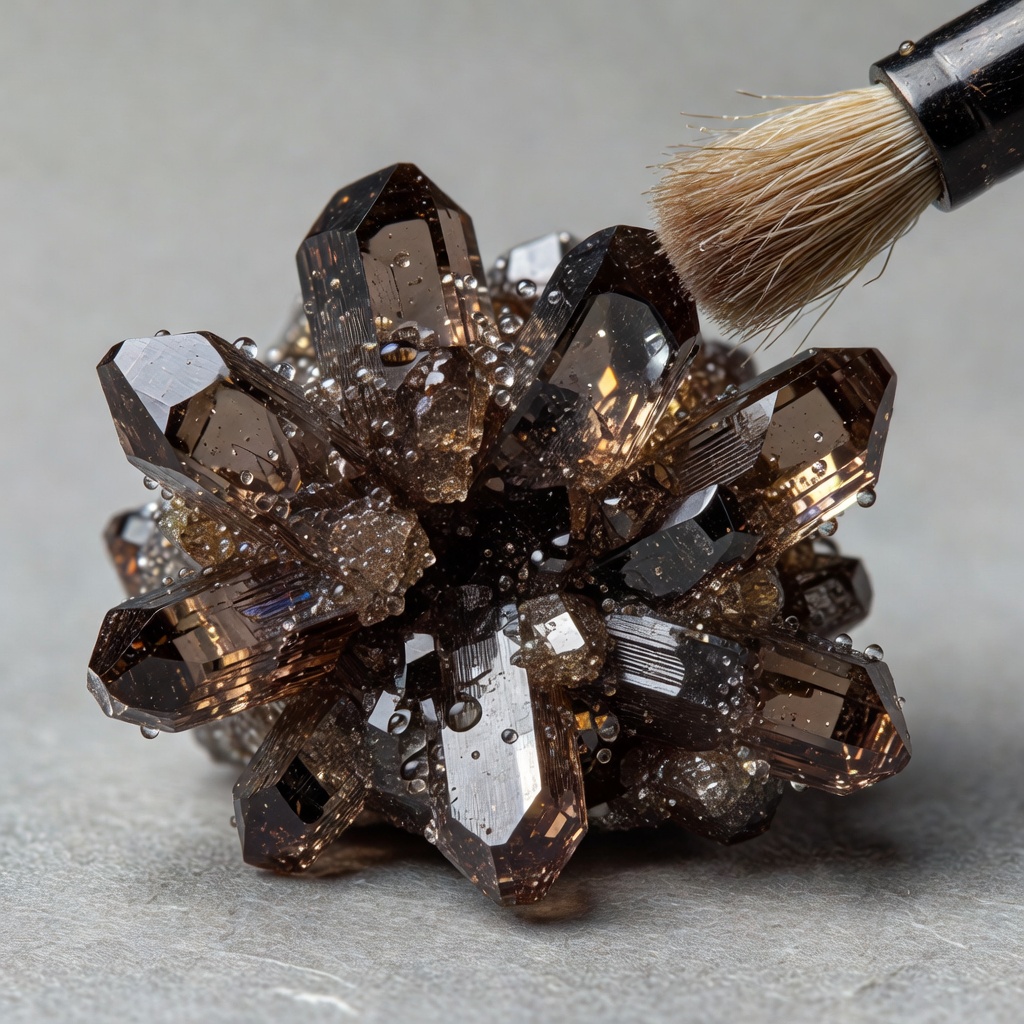
After soaking, use a soft-bristled baby toothbrush or clean makeup brush with extremely gentle bristles to lightly scrub the gemstone and its setting, working around the crown and pavilion to dislodge accumulated dirt from behind the stone. Pay particular attention to the area beneath the gemstone where lotions and skin oils typically accumulate, but apply minimal pressure to avoid stressing the cleavage plane. For intricate vintage settings or stones with many inclusions, consider using a soft camel-hair brush rather than synthetic bristles to reduce the risk of snagging or applying excessive force.
Rinse the axinite thoroughly under lukewarm running water, ensuring all soap residue disappears completely as dried soap film can dull the stone's luster and attract future dirt accumulation. Pat the gemstone dry immediately using a microfiber cloth, lint-free optical cleaning cloth, or pure cotton towel, avoiding paper towels that might contain abrasive wood fibers. Allow the piece to air dry completely on a soft surface for an additional hour before returning it to storage, ensuring no moisture remains trapped in the setting that could cause metal tarnishing or loosen adhesives.
Cleaning Practices to Avoid
While modern jewelry maintenance offers numerous technological solutions, several common cleaning methods pose significant risks to axinite and must be strictly avoided to prevent irreversible damage. Never subject axinite to ultrasonic cleaners, even those marketed as "gentle" or "for delicate stones," as the high-frequency vibrations can cause the stone to fracture along its perfect cleavage plane or loosen the gem from its setting. The mechanical shaking action that effectively cleans diamonds and sapphires creates destructive resonance within axinite's crystalline structure, potentially turning a beautiful gemstone into worthless fragments within seconds.
Steam cleaning represents another popular jewelry maintenance method that proves disastrous for axinite care and cleaning routines, as the rapid temperature change between hot steam and cooler ambient air induces severe thermal shock. Even professional steam cleaners used by jewelers can cause internal fracturing or surface cracking in axinite, making this method unsuitable regardless of the operator's expertise. Similarly, avoid commercial jewelry dips, ammonia-based solutions, and ionic cleaning devices, as these aggressive chemicals can etch the surface of calcium aluminum borosilicate minerals and degrade the polish that gives axinite its characteristic vitreous luster.
Home remedies involving abrasive materials present equally serious threats to axinite preservation. Never use toothpaste, baking soda scrubs, or commercial silver polishes on axinite jewelry, as these substances contain micro-abrasives that scratch the relatively soft surface of the gemstone. Even gentle scrubbing with baking soda can create microscopic surface scratches that accumulate over time, dulling the stone's brilliance and reducing the visibility of its prized pleochroic effects. When uncertain about a cleaning method, default to the mildest soap-and-water approach rather than experimenting with potentially harmful alternatives.
Proper Storage Techniques
Implementing appropriate axinite storage tips protects your investment during periods of non-wear, preventing contact damage and environmental degradation that occurs even when jewelry sits unused. Always store axinite separately from harder gemstones, particularly diamonds, rubies, sapphires, and spinels, as these materials can scratch axinite's surface if jostled together in a jewelry box drawer. Ideally, place each axinite piece in individual soft fabric pouches made from velvet, silk, or microfiber, or utilize a jewelry box with dedicated, lined compartments that prevent contact between pieces.
Environmental control significantly impacts long-term axinite preservation, requiring storage in areas with stable humidity levels between 40-60 percent to prevent the dehydration that can affect some borosilicate minerals. Avoid storing axinite in bathrooms where humidity fluctuates wildly between steamy showers and dry periods, and never place the gemstone near heating vents, air conditioning units, or direct sunlight streaming through windows. Prolonged exposure to direct sunlight can cause fading in some axinite varieties, particularly those with violet coloration, while excessive heat may dry out microscopic inclusions and create internal stress fractures.
For collectors possessing loose axinite specimens or crystal clusters, storage in acid-free tissue paper within rigid plastic specimen boxes provides optimal protection against physical damage and environmental contaminants. When traveling with axinite jewelry, utilize hard-sided travel cases with foam inserts rather than soft jewelry rolls, ensuring the stone cannot contact metal zippers or snap closures during transit. If storing axinite long-term, include silica gel packets to control moisture, but ensure these desiccants do not contact the stone directly as they can be abrasive.
Maintaining Axinite Jewelry Settings
Proper axinite jewelry cleaning extends beyond the gemstone itself to encompass the metal settings, prongs, and structural components that secure the stone in place. Monthly visual inspections should include examining prongs under magnification to ensure they remain tight against the stone's girdle, checking for bent or worn metal that might allow the axinite to shift or fall out. Pay particular attention to the area beneath the stone where dirt accumulation can create a wedge effect, gradually loosening the setting while preventing light from reflecting properly through the pavilion.
When cleaning the metal components of axinite jewelry, use cleaning methods appropriate for the specific metal type while protecting the gemstone from exposure to harsh chemicals. Gold settings tolerate mild ammonia solutions better than the axinite itself, so consider masking the stone with petroleum jelly or cleaning only the metal portions with specialized cloths while avoiding the gem. For silver settings prone to tarnishing, use silver-specific polishing cloths that contain anti-tarnish agents, taking care not to rub the cloth across the axinite surface during the polishing process.
Examine vintage or antique axinite pieces for signs of glue degradation if the stone utilizes an adhesive setting rather than prongs, as old adhesives can yellow or crystallize over time, potentially releasing the stone. If you notice accumulated debris under the gemstone that cannot be removed with gentle brushing, or if the stone appears loose in its mounting, discontinue wearing the piece immediately and consult a professional jeweler rather than attempting to tighten prongs yourself. Professional setting maintenance every six months ensures that wear patterns are identified early before they result in stone loss.
Professional Care and Restoration
Recognizing when axinite gemstone maintenance requires professional intervention prevents minor issues from escalating into catastrophic damage or total stone loss. Consult a certified gemologist or jeweler specializing in colored gemstones immediately upon noticing surface scratches that catch your fingernail, chips along the girdle or facet edges, or internal fractures that appear to grow larger over time. Professional assessment can determine whether re-polishing services can restore the surface luster without significantly reducing the stone's weight, or whether the damage requires more extensive restoration techniques.
Re-polishing services offered by lapidaries specializing in delicate gemstones can remove shallow scratches and restore the brilliant finish that showcases axinite's pleochroic properties, though deep scratches reaching the cleavage plane may require more complex faceting repairs. For intricate vintage settings containing axinite, professional deep cleaning utilizing specialized tools can remove decades of accumulated grime from areas inaccessible to home cleaning methods, though insist that ultrasonic methods are not used during this process. Reputable professionals will document any treatments performed, providing updated care instructions specific to your particular piece.
Following significant maintenance procedures such as re-polishing or resetting, update your gemstone documentation and insurance appraisals to reflect any weight changes or improvements in clarity that might affect the stone's value. Maintain a maintenance log recording cleaning dates, professional inspections, and any repairs performed, creating a provenance record that enhances resale value if you ever decide to part with the piece. Establishing a relationship with a jeweler familiar with axinite's unique properties ensures consistent, informed care throughout the gemstone's lifetime.
Creating a Maintenance Schedule
Systematic axinite care and cleaning relies on establishing consistent routines that distribute maintenance tasks across daily, weekly, monthly, and annual intervals, preventing the accumulation of damage or neglect. Daily maintenance should include a brief visual inspection before and after wearing the piece, wiping the axinite gently with a soft microfiber cloth to remove skin oils, perspiration, and cosmetic residues immediately after removal. This thirty-second routine prevents the chemical etching that occurs when acidic perspiration or alcohol-based perfumes remain on the stone's surface for extended periods.
Weekly checks should focus on storage conditions and setting integrity, examining the jewelry box environment for humidity fluctuations, ensuring the piece remains separated from harder gemstones, and verifying that clasps, prongs, and mountings show no signs of mechanical wear or loosening. During this weekly inspection, rotate the stone under light to check for developing scratches or cloudiness that might indicate the need for professional attention. Monthly deep cleaning using the mild soap and water method described earlier removes accumulated buildup that daily wiping cannot address, keeping the stone's pavilion free of obstructing debris.
Schedule annual professional inspections with a qualified jeweler who can examine the setting under magnification, test prong tightness, and assess whether the axinite requires professional polishing or repolishing to maintain optimal light performance. Use this annual appointment to update insurance appraisals and review storage practices with an expert who might identify environmental risks in your home that you had not considered. By distributing these responsibilities across a structured calendar, axinite owners ensure their gemstones remain pristine while avoiding the overwhelming prospect of intensive, infrequent maintenance sessions.
Frequently Asked Questions
Can I use an ultrasonic cleaner for axinite care and cleaning?
No, ultrasonic cleaners are not recommended for axinite. The gemstone has perfect cleavage in one direction, making it vulnerable to cracking or splitting under the intense vibrations produced by ultrasonic machines.
How often should I clean my axinite gemstone?
Perform light cleaning with a soft cloth after each wear to remove oils and dust. Deep cleaning using mild soap and water should be done monthly, or immediately if the stone comes into contact with cosmetics or household chemicals.
Why does my axinite show different colors when I rotate it?
This phenomenon is called pleochroism or trichroism, a defining characteristic of axinite. The gemstone displays different colors—typically brown, violet, and yellow—when viewed from different angles due to how light travels through its crystalline structure.
Is axinite safe to wear while swimming or showering?
No, you should remove axinite jewelry before swimming or showering. Chlorine in pools, salt in ocean water, and soap residues can damage the stone's surface, while temperature changes may cause thermal shock.
What is the hardness of axinite and why does it matter for care?
Axinite rates 6.5-7 on the Mohs hardness scale. While relatively hard, it can be scratched by harder materials like diamonds, rubies, and sapphires. This moderate hardness requires protective storage and careful handling to prevent surface damage.
Can I steam clean my axinite jewelry?
Steam cleaning is not recommended for axinite. The rapid temperature change can cause thermal shock, potentially fracturing the stone along its cleavage planes. Additionally, existing inclusions may expand and cause internal damage.
How should I store axinite to prevent damage?
Store axinite in a soft fabric pouch or separate compartment in your jewelry box, away from harder gemstones. Keep it in a cool, dry place away from direct sunlight to prevent color fading and dehydration of the crystal.
What should I do if my axinite gets scratched or chipped?
Discontinue wearing the damaged piece immediately to prevent further injury to the stone. Consult a professional gemologist or jeweler who specializes in colored gemstones. They can assess whether re-polishing is possible or if the stone needs to be reset.