
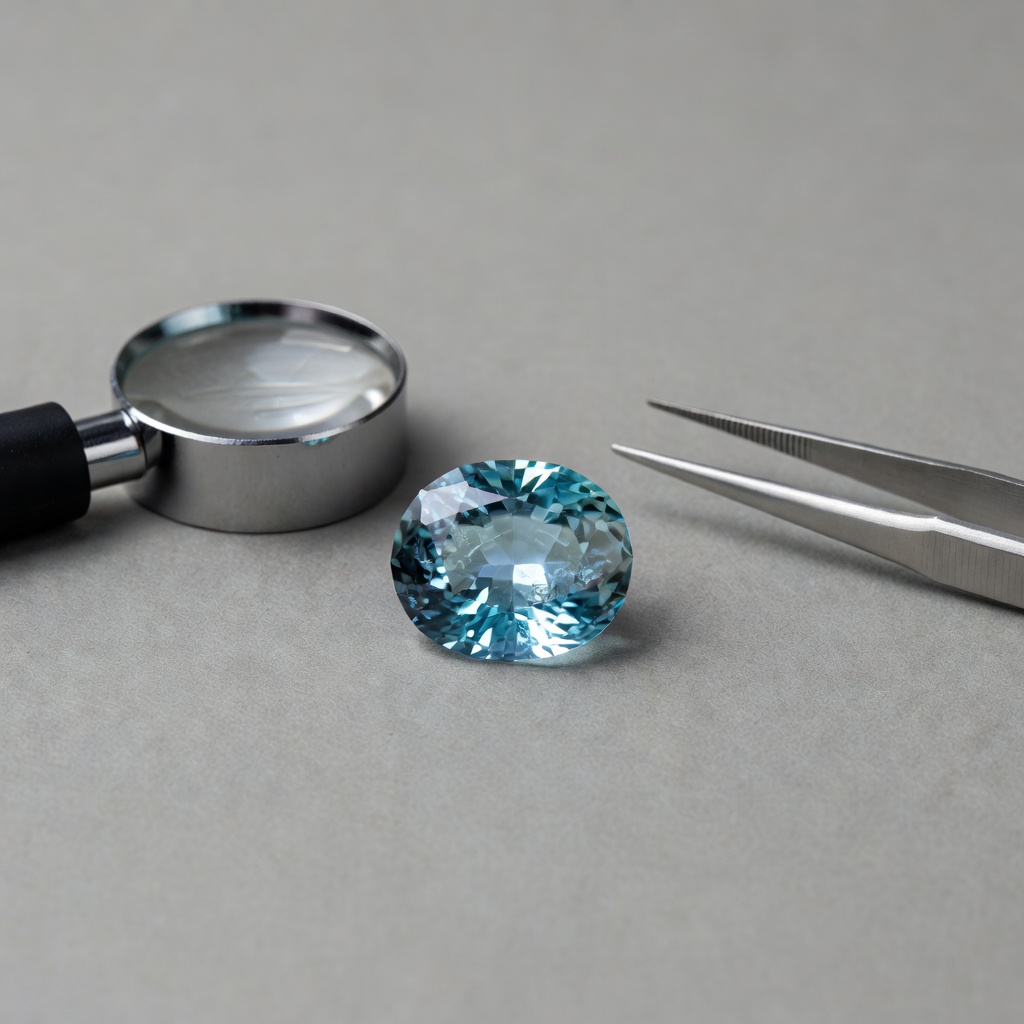
Introduction: What Is Aquamarine?
Aquamarine is a blue to blue-green variety of beryl, the same mineral family that includes emerald and morganite. When people search for Aquamarine Properties and Information, they’re usually trying to understand what makes this aquamarine gemstone special—its ocean-like color, its durability for jewelry, and the factors that separate an average stone from a truly fine one. Aquamarine’s name comes from the Latin for “sea water,” which fits its signature look and the calm, airy tone many buyers love.
Most aquamarine is used in jewelry such as rings, earrings, pendants, and bracelets, but it also attracts collectors who appreciate large, clean crystals and well-cut faceted gems. It is also widely recognized as the aquamarine birthstone for March, making it a popular gift for birthdays and anniversaries. Understanding aquamarine’s properties matters because it helps you shop confidently, compare value across stones and sources, and care for your gem so it stays bright and scratch-free for years.
Physical Properties: Color, Hardness, And Optical Traits
Aquamarine Color: Range, Tone, And What Causes It
Aquamarine color typically ranges from very pale sky blue to deeper blue-green and teal. In many stones, the most desirable look is a pure, medium-to-deep blue with lively saturation—often described as “Santa Maria” style when it reaches a richer blue. Iron is the key contributor: different iron states and concentrations influence whether the gem looks more blue, more green, or somewhere in between.
In practical buying terms, color can change dramatically depending on lighting and cut style. For example, a pale aquamarine may look bright and icy outdoors but appear washed out indoors, while a deeper-toned stone tends to hold its color under warm household lighting. If you’re shopping online, ask for photos in daylight and indoor lighting, and request a short video to see how the hue shifts as the stone moves.
Aquamarine Hardness And Durability For Everyday Wear
Aquamarine hardness is about 7.5 to 8 on the Mohs scale, which makes it durable enough for most jewelry, including rings, as long as it’s worn with reasonable care. This hardness level means aquamarine resists many everyday scratches, but it can still be abraded by harder materials (such as sapphire, diamond, or gritty dust containing quartz). It’s also vulnerable to sharp knocks that can chip facet edges, especially in exposed settings.
A practical example is ring wear: an aquamarine ring worn daily by someone who works with their hands may show facet wear sooner than one worn occasionally. If you want aquamarine in an engagement ring, consider protective settings such as bezels or halos and choose a stone with good cut symmetry and slightly thicker girdle edges. These choices help reduce the risk of chipping and keep the gem looking crisp over time.
Optical Traits: Refractive Index, Brilliance, And Clarity Characteristics
Aquamarine has a refractive index typically in the beryl range (about 1.57–1.58), which contributes to a clean, glassy brilliance rather than the fiery sparkle seen in gems with higher dispersion. Its specific gravity is usually around 2.68–2.74, a useful identification clue for gemologists and labs. Because aquamarine is often relatively clean, cut quality becomes especially important—well-proportioned facets help return light and prevent “windowing,” where you can see through the stone like a sheet of colored glass.
Common inclusions in aquamarine may include liquid “fingerprints,” small crystals, and growth tubes. Many stones are eye-clean, but clarity can still influence aquamarine value, especially in larger sizes where inclusions are easier to spot. When comparing two gems of similar color, the one with better transparency and fewer visible inclusions typically looks brighter and commands a higher price.
Chemical Composition And Geological Formation
Beryl Aquamarine Chemistry And The Role Of Iron
Beryl aquamarine has the chemical formula Be3Al2Si6O18, meaning it is a beryllium aluminum silicate. On its own, beryl is colorless; aquamarine’s blue to blue-green appearance comes mainly from trace amounts of iron. Variations in iron concentration and oxidation state help explain why some aquamarines look pale and icy, while others look richer and more saturated.
This chemistry matters for real-world buying because it connects to treatment and stability. Many aquamarines naturally contain a slight greenish modifier that can be reduced through heating, leaving a more purely blue look. When you understand the chemistry, it’s easier to interpret seller disclosures and lab notes describing color origin and potential enhancements.
Aquamarine Formation And Typical Geological Settings
Aquamarine formation most commonly occurs in granitic pegmatites and hydrothermal veins—environments where mineral-rich fluids cool and allow large crystals to grow. Pegmatites are famous for producing big, well-formed aquamarine crystals, which is one reason the gemstone is often available in impressive sizes. Hydrothermal settings can also yield fine material, sometimes with excellent clarity and attractive blue-green tones.
As a practical example, buyers often notice that aquamarine is offered in large carat weights at prices that feel more approachable than many other gemstones. That availability is partly due to the geology: pegmatitic growth can produce sizable crystals suitable for cutting. Still, large size doesn’t automatically mean high value—color saturation and cut still drive pricing more than carat weight alone.
How Heat Events And Growth Conditions Affect Color And Clarity
Temperature and geological history can influence both color and clarity. In some cases, natural heat events in the earth may subtly improve or alter color, while in other cases, internal stress or inclusions form as the crystal grows. These factors affect transparency and how well the stone can be cut into high-performance shapes without showing windows or dark zones.
For collectors, understanding these formation factors helps explain why two aquamarines from the same region can look very different. One stone might be exceptionally clear but pale, while another might have stronger color but show more inclusions. When shopping, decide which trait matters most for your intended use—jewelry often favors brightness and durability, while collectors may value unique growth features or rare color character.
Major Sources And Mining Locations
Where Is Aquamarine Mined? Key Producing Countries
Major aquamarine sources include Brazil, Madagascar, Nigeria, Pakistan, and Mozambique. Brazil has long been associated with aquamarine and remains one of the best-known producers in the market. Pakistan is also important, particularly for crystals and gems that can show vivid color and excellent clarity, while Madagascar, Nigeria, and Mozambique contribute significant commercial supply across a range of qualities.
If you’re comparing stones, ask sellers to specify aquamarine origins rather than using broad labels like “African aquamarine.” Origin can influence buyer preference, expected color profile, and price expectations. For example, an origin claim tied to a recognized locality may increase buyer confidence—especially when supported by documentation or a reputable dealer’s sourcing records.
Quality Differences By Source: Santa Maria And Beyond
“Santa Maria” is a term often used to describe an especially rich blue aquamarine historically associated with Brazil’s Santa Maria de Itabira area, though the term is sometimes used more generally in the trade to indicate a deeper blue color regardless of exact origin. In practice, the best stones display a vivid blue with good saturation and a pleasing tone that isn’t overly dark. Many commercial aquamarines are lighter, which can still be beautiful—especially in larger cuts that amplify color through depth.
A practical shopping tip is to compare stones at similar sizes and cuts when judging color. A deeper pavilion can make color appear stronger, and certain shapes (like emerald cuts) may show lighter “windows” if the cut is too shallow. If you love pale aquamarines, choose a cut that maximizes brightness (often well-cut ovals, rounds, or cushions) rather than relying on depth to intensify color.
Mining Methods, Ethical Sourcing, And Traceability Practices
Aquamarine may be mined through small-scale artisanal operations, mechanized open-pit mining, or a mix of methods depending on the region. Ethical sourcing concerns can include worker safety, fair wages, environmental impact, and transparency in the supply chain. Because colored gemstones often pass through multiple hands, traceability can be challenging without deliberate documentation.
For buyers who prioritize responsible sourcing, ask for specifics: Is the dealer able to identify the mine or region? Do they work with suppliers who follow documented labor and environmental standards? As a practical example, some reputable jewelers maintain chain-of-custody notes, provide origin opinions from recognized labs when available, and offer written treatment disclosures—small steps that can significantly improve confidence and accountability.
Grading, Value Factors, And Price Guide
What Drives Aquamarine Value Most: Color First
Aquamarine value is driven primarily by color—especially hue and saturation—more than sheer size. The most valuable stones typically show a strong, attractive blue without looking gray, overly green, or too dark. Tone matters too: medium tones often look brighter and more lively, while very light stones can look watery and very dark stones can lose sparkle.
A useful comparison example: a 2-carat aquamarine with vivid, well-balanced blue often sells for more per carat than a 6-carat stone that is pale. If your budget is limited, prioritize better color in a slightly smaller size. This approach tends to produce a more striking gemstone once set in jewelry, especially in rings and pendants where the stone is viewed at close range.
Clarity, Cut Quality, And Carat Weight
Clarity in aquamarine is often good, so visible inclusions can noticeably reduce appeal and price. However, not all inclusions are equal—tiny internal features may be acceptable if the color is excellent and the overall look remains bright. Cut quality has an outsized impact because aquamarine’s brilliance depends heavily on how well it returns light; a poorly cut stone may look dull even with good color.
Carat weight still matters, but buyers should understand “size pricing.” Fine-color aquamarines become rarer as size increases, so price per carat can jump significantly at higher weights if color and clarity are strong. A practical tip is to check the face-up measurements (millimeters) rather than relying only on carat weight, since two stones of the same carat weight can appear different in size depending on cut depth.
Typical Aquamarine Price Ranges And Budget Tips
Aquamarine price varies widely by color quality, clarity, cut, and origin claims. In many retail markets, pale commercial aquamarine may be relatively affordable, while fine, saturated blues can command substantially higher prices per carat—especially in larger sizes and precision cuts. Designer settings, branded cuts, and documented origin can also add to the final cost.
To set a realistic budget, decide what you can compromise on: size, color depth, or origin documentation. For example, if you want a statement ring, you might choose a larger, lighter aquamarine in a bright cut and invest more in a protective setting. If you want maximum visual impact from the gem itself, choose a smaller stone with richer color and insist on strong cut performance to avoid windowing.
Treatments, Synthetics, And Imitations
Aquamarine Treatments: What Is Common And What To Expect
Aquamarine treatments most commonly include heat treatment to reduce greenish tones and improve the blue appearance. This process is widely accepted in the gemstone trade, but it should always be disclosed by the seller. The treatment can make color appear cleaner and more “sky blue,” which is why many aquamarines on the market are heated.
As a practical buying step, ask directly: “Has this aquamarine been heat-treated, and is that noted in writing on the receipt or certificate?” If a seller cannot answer clearly, treat that as a risk signal. When you’re comparing stones, remember that treatment disclosure often matters more than treatment itself—transparent information supports fair pricing and better long-term satisfaction.
Synthetic Aquamarine And Common Look-Alikes
Synthetic aquamarine exists, though it is less commonly encountered in everyday jewelry than some other synthetics. More frequently, aquamarine is imitated by materials like blue glass or substituted with other gemstones that can look similar at a glance. One of the most common marketplace comparisons is aquamarine vs blue topaz, since blue topaz is widely available, inexpensive relative to fine aquamarine, and often sold in bright blues.
A practical example: if you see a very intense, electric “Swiss blue” look at an unusually low price, it may be blue topaz rather than aquamarine. Aquamarine typically shows a more natural, airy blue range, especially in untreated stones. When in doubt, request verification through a reputable lab report or purchase from a dealer known for accurate labeling.
How Lab Reports And Testing Confirm Natural, Treated, Or Synthetic
Gemological labs use tools such as refractive index measurement, specific gravity testing, spectroscopy, and microscopic examination to distinguish natural beryl aquamarine from imitations and to identify certain treatments. A report can also document whether the stone is natural and whether enhancement is detected, depending on the lab’s scope and the gem’s characteristics. While not every aquamarine requires certification, a lab report can be especially valuable for higher-priced purchases or when origin claims affect price.
In practical terms, ask which lab issued the report and confirm it is reputable (for example, GIA or other well-regarded gemological institutions). Also check whether the report number can be verified online. This step helps protect you from mismatched paperwork, and it supports resale or insurance documentation later.
Care, Cleaning, And Long-Term Durability
Aquamarine Care: Safe Cleaning Methods That Protect Brilliance
Aquamarine care is generally straightforward: the safest routine is warm water, mild soap, and a soft brush to remove oils and everyday residue. This method protects the stone and the setting while restoring brightness, especially for rings that collect lotion and soap film. After cleaning, rinse well and dry with a lint-free cloth to avoid water spots that can dull the look.
A practical tip is to clean your aquamarine jewelry regularly but gently—every couple of weeks for frequently worn rings, and every month or two for occasional pieces. If you’re unsure about the setting (for example, if it has tiny accent stones or delicate prongs), skip aggressive scrubbing and consider a professional cleaning. When a jeweler checks the setting at the same time, you reduce the risk of losing the stone.
What To Avoid: Chemicals, Heat, And Risky Cleaning Tools
To protect long-term durability, avoid harsh chemicals such as bleach and strong household cleaners, which can damage metals and potentially affect finishes. Also be cautious with high heat, steam cleaning, or ultrasonic cleaners, especially if the gem has inclusions or if the jewelry has delicate settings. While aquamarine can handle everyday wear, sudden temperature changes and strong vibration can pose unnecessary risks.
A practical example is swimming or cleaning while wearing jewelry: chlorine exposure can degrade certain metals over time, and physical knocks near pools or sinks can chip a stone. A good habit is to remove aquamarine rings before workouts, gardening, or heavy chores. This small change can keep facet edges crisp and reduce maintenance costs.
Storage And Wear Tips For Aquamarine Durability
Store aquamarine jewelry separately in a soft pouch or a lined jewelry box compartment to prevent scratching from harder gems like diamonds, sapphires, and rubies. If you stack pieces together, even gentle movement can cause abrasion over time. For long-term storage, keep jewelry in a cool, dry place and avoid prolonged direct sunlight or heat sources that can stress settings or fade certain materials around the stone.
For wearable design choices, protective settings matter. Bezel settings, halos, and low-profile prongs reduce edge exposure and help prevent chips. Schedule periodic inspections—at least once a year—for rings, especially if worn often, so a jeweler can tighten prongs, check for wear, and keep your aquamarine secure.
How To Buy Aquamarine: Checklist And Certification
Questions To Ask Sellers About Origin, Treatments, And Documentation
Use a simple checklist when buying: ask about origin, ask about treatments, and ask about documentation. A trustworthy seller should clearly disclose whether the stone has undergone heat treatment and whether any other enhancements are known. If the seller claims a premium origin or premium color category, ask how that claim is supported—through sourcing records, supplier statements, or a lab opinion when available.
Aquamarine certification can be helpful for higher-value purchases, especially if you’re buying a large stone or one advertised as exceptional color. Ask whether the gemstone has a report from GIA, IGI, or another respected lab, and confirm what the report covers (natural origin, detected treatments, and sometimes origin opinion). For insurance, a lab report paired with a detailed sales receipt and appraisal can save time and reduce disputes later.
Selecting Color, Cut, And Size For Your Style And Budget
Start with your preferred color: do you want an icy pale blue, a classic sky blue, or a more teal blue-green? Then choose a cut that complements that color—emerald cuts emphasize clarity and elegant flashes, while ovals and cushions can increase brilliance and help lighter stones look brighter. For earrings and pendants, slightly lighter stones can still look vivid because they catch light from more angles; for rings, many buyers prefer a more saturated stone that holds color in indoor lighting.
As a practical example, if you’re choosing an aquamarine for a halo ring, a medium-light stone can look more saturated because the surrounding diamonds increase perceived brightness and contrast. If you want a solitaire look, prioritize stronger saturation and a precision cut to avoid a see-through window effect. Matching the gem’s character to the design often creates a better result than chasing carat weight alone.
Negotiation, Return Policies, And Choosing Reputable Dealers
Negotiation is common in colored gemstones, especially for loose stones, but it works best when you negotiate based on specifics. Ask for a price breakdown that reflects color grade, clarity, cut quality, and whether the stone is certified. If you’re buying online, prioritize sellers who offer clear videos, transparent treatment disclosures, and a no-hassle return window.
A practical tip is to confirm return shipping terms and whether there are restocking fees before you purchase. Also ask whether the seller offers a warranty for workmanship if you’re buying finished jewelry. Reputable dealers will welcome questions, provide consistent answers, and put key claims—like treatment and any certification—into writing on the invoice.
Uses, Symbolism, And Jewelry Design Trends
Aquamarine Meaning And The March Birthstone Connection
Aquamarine is celebrated as the aquamarine birthstone for March and is often associated with calm, clarity, and protection—meanings that align with its tranquil, sea-like color. Many buyers choose aquamarine for gifts that symbolize serenity, honest communication, and new beginnings. These associations make it a popular choice for milestone birthdays, anniversaries, and personal “fresh start” moments.
A practical gifting example is selecting a simple aquamarine pendant for everyday wear, especially for someone who prefers understated jewelry. A well-cut stone in a minimal setting can feel modern and versatile while still carrying symbolic meaning. Including a note about the stone’s birthstone significance and care instructions can make the gift feel more personal and long-lasting.
Popular Cuts And Settings For Different Colors And Clarity Levels
Because aquamarine is often eye-clean, cuts that showcase transparency—like emerald cuts—are particularly popular. Ovals and cushions are common for maximizing sparkle and making lighter stones appear more lively. Pear shapes can create elegant, elongated looks in pendants and earrings, while rounds are classic for high scintillation when well cut.
Setting choice should match lifestyle and durability needs. For rings, a bezel or semi-bezel offers strong protection, while prong settings can look airy but expose corners and edges. If you’re using an emerald cut, consider protective corner prongs or a bezel to help prevent chips, especially if the ring will be worn frequently.
Contemporary Design Trends And Custom Aquamarine Jewelry Ideas
Current aquamarine jewelry trends include minimalist solitaires, east-west set emerald cuts, and mixed-metal designs that pair white gold or platinum with yellow gold accents. Many custom designs also combine aquamarine with diamonds or white sapphires for contrast, letting the blue appear cleaner and brighter. Another popular approach is using aquamarine as a center stone with a halo, which can enhance presence without requiring a very large carat weight.
For a practical custom idea, consider a three-stone ring where aquamarine is flanked by tapered baguette diamonds, creating a refined, architectural look that complements aquamarine’s clarity. For everyday wear, a low-profile bezel-set aquamarine band can provide a sleek style with excellent protection. If you like bolder color play, pair aquamarine with complementary gems such as morganite for a soft pastel palette, and ask your jeweler to design for durability with secure settings and balanced proportions.
Frequently Asked Questions
What Is Aquamarine Made Of?
Aquamarine is a blue to blue-green variety of the mineral beryl, with chemical formula Be3Al2Si6O18. Trace amounts of iron give aquamarine its characteristic color.
How Can I Tell If An Aquamarine Is Real?
Real aquamarine shows consistent pleochroism in certain cuts, typical inclusions, a refractive index in the beryl range, and responds to professional gem testing. Request a lab report or buy from a reputable dealer to confirm authenticity.
What Is The Hardness Of Aquamarine?
Aquamarine rates about 7.5 to 8 on the Mohs scale, making it durable for most jewelry but still susceptible to sharp knocks and surface abrasion over time.
Does Aquamarine Require Special Care?
Care is straightforward: clean with warm soapy water and a soft brush, avoid harsh chemicals, prolonged heat or steam treatments, and store separately to prevent scratches.
Are Most Aquamarines Treated?
Many aquamarines are heat-treated to enhance blue tones and remove greenish hues. Heat treatment is widely accepted but should be disclosed by sellers and noted on certificates.
How Does Aquamarine Compare To Blue Topaz In Value?
High-quality aquamarine generally commands higher prices than blue topaz due to rarity, clarity, and natural color depth. Topaz is more common and usually less expensive.
Is Aquamarine A Good Choice For An Engagement Ring?
Aquamarine can be a beautiful choice for engagement rings because of its color and clarity, but choose protective settings (e.g., bezel) and consider its hardness; it requires occasional care to maintain brilliance.


