Introduction: What Makes Aquamarine Special
Aquamarine is a beloved gemstone known for its ocean-like blue to blue-green hues and its crisp, light-reflecting look. As a member of the beryl family (the same mineral family as emerald), aquamarine is commonly set into rings, earrings, pendants, and bracelets because it offers a refined color and typically strong transparency. These features make it especially popular in engagement rings and everyday jewelry where clarity and sparkle are part of the appeal.
When planning Aquamarine Care and Cleaning, it helps to understand a few core aquamarine properties. Aquamarine ranks around 7.5–8 on the Mohs hardness scale, which means it is fairly durable but not immune to scratching, chipping, or abrasions—especially along facet edges and corners. Many aquamarines are quite clear, but they can still have inclusions or internal features that affect how they respond to stress or cleaning tools. Color can also be sensitive to prolonged heat or extreme conditions, so care choices should be based on both durability and long-term appearance.
Because aquamarine jewelry is often worn frequently, the right maintenance routine is less about “perfectly pristine at all times” and more about consistent, gentle habits. The best results come from preventing buildup (like lotions and soap film), reducing impact risk, and using safe cleaning methods that don’t introduce unnecessary vibration, heat, or harsh chemicals. With the right approach, aquamarine stays bright, glassy, and beautiful for years.
Why Proper Care Matters
Aquamarine is durable enough for regular wear, but daily life can be surprisingly rough on gemstones. Rings knock against door handles, countertops, and gym equipment; earrings catch hair products; pendants collect skin oils and fragrance. Over time, these small exposures can cause surface wear, dullness, and occasional chips—especially if a stone’s edges are exposed in a setting. Proper aquamarine maintenance focuses on minimizing these cumulative risks so the gem remains crisp and reflective.
Heat, chemicals, and prolonged sunlight can also matter more than many people realize. While aquamarine is generally stable, intense heat or long periods of direct sun can subtly affect color over time, particularly in lighter or treated stones. Household chemicals—like chlorine, bleach, and acidic cleaners—can damage metal settings, degrade prongs, and leave residues that make the stone look cloudy or “tired.” If you want to preserve color aquamarine and keep the jewelry’s brilliance, it’s best to avoid exposing the piece to conditions that accelerate change.
Correct care is also a value-protection strategy. Clean, well-maintained aquamarine jewelry tends to hold its appearance, structural integrity, and resale or insurance value better than neglected pieces. For example, a simple annual prong check can prevent stone loss, which is often far more expensive and stressful than routine maintenance. In short: consistent care keeps both beauty and durability on your side.
Daily Handling: Do’s And Don’ts
Daily habits do most of the heavy lifting in aquamarine jewelry care. A practical rule is “last on, first off”: put on aquamarine jewelry after applying makeup, hairspray, perfume, sunscreen, and lotions. These products can leave a film that dulls aquamarine’s clarity and sparkle, especially on the underside where residue collects. If you notice your stone looks fine in some light but cloudy in others, product buildup is often the reason.
Remove aquamarine rings before household chores, swimming, gardening, or strenuous activity. Even though aquamarine is relatively hard, it can still chip when struck at the right angle, and metal settings can bend under pressure. Swimming is a special risk because chlorine can weaken prongs and damage certain alloys over time, increasing the chance of stone loss. As a practical example, many jewelers see “mysteriously loose” center stones after months of pool exposure, even when the stone itself looks intact.
Inspect settings regularly—especially prongs, bezels, and halo designs where small stones can loosen. A quick home check is to hold the piece near your ear and gently tap it; if you hear a faint rattle, stop wearing it and schedule a jeweler visit. Also look for snagging on sweaters or hair, which can be a sign of lifted prongs. This simple routine is one of the best ways to learn how to care for aquamarine without overcomplicating your day.
Safe Cleaning Methods At Home
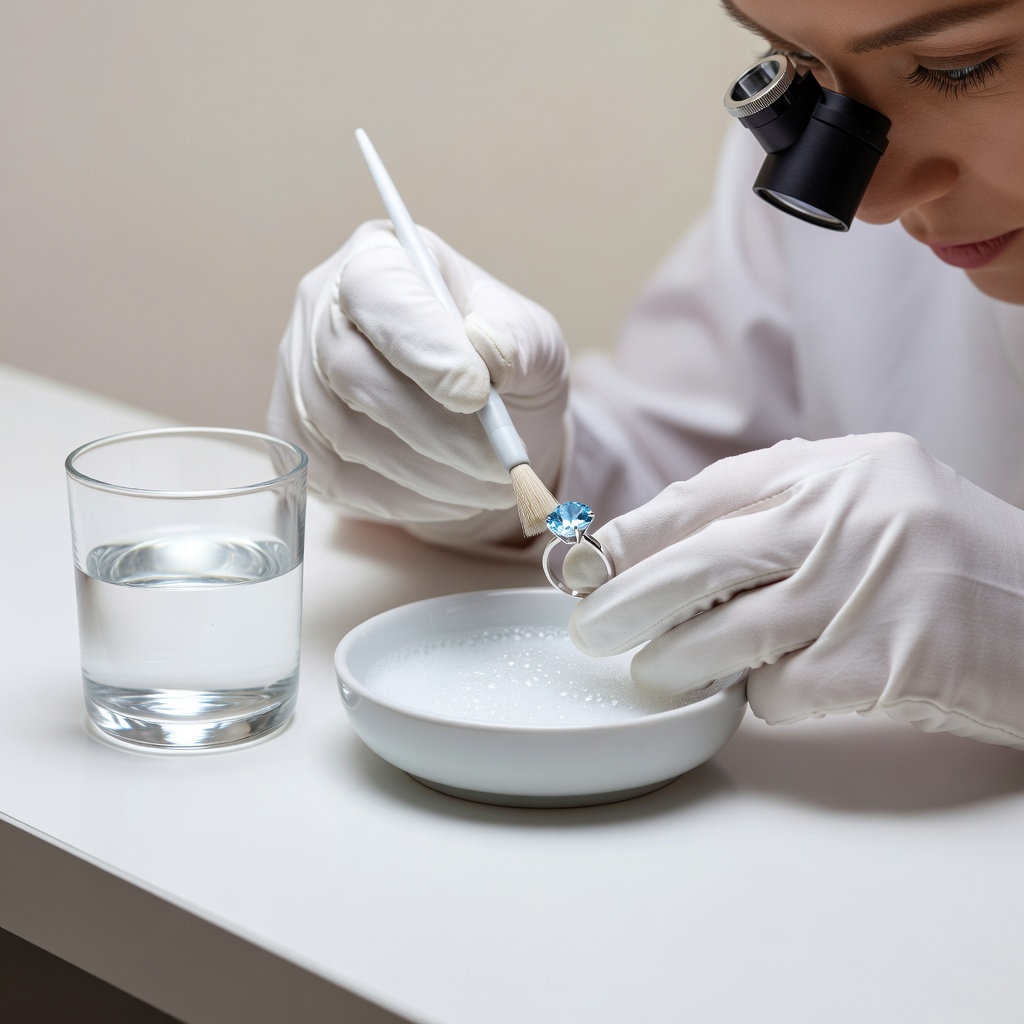
If you’re wondering how to clean aquamarine safely, the best approach is gentle and consistent. Cleaning aquamarine at home typically requires only warm water, a mild dish soap, and a soft brush. This method removes oils, lotion residue, and everyday grime without stressing the stone or setting. It’s also ideal for most aquamarine pieces because it avoids harsh chemicals and extreme heat.
Use this step-by-step routine for Aquamarine Care and Cleaning at home: Fill a bowl with warm (not hot) water and add a few drops of mild dish soap. Let the jewelry soak for 10–15 minutes to loosen buildup, then gently brush around the stone and underneath the setting using a soft toothbrush or a dedicated jewelry brush. Rinse thoroughly with clean water (over a strainer or closed drain to avoid accidents) and pat dry with a lint-free cloth; allow it to air-dry fully before storing. A practical tip: pay extra attention to the underside of rings and pendants, because that’s where skin oils form a film that blocks light and reduces sparkle.
Cleaning frequency depends on wear. For pieces worn daily—especially rings—clean every 1–2 weeks to prevent stubborn residue from hardening. For occasional wear, monthly cleaning is usually enough, with a quick wipe after wearing to reduce buildup. If your aquamarine is in a detailed setting (like pavé, filigree, or halos), use a very light touch and brush in the direction of the metalwork to reduce the chance of snagging prongs.
Different jewelry styles benefit from slightly different techniques. For rings, focus on the gallery (the underside) where soap and lotion accumulate, and avoid aggressive brushing that can catch prongs. For earrings, clean posts and backs as well, since skincare products can transfer and cause dullness. For pendants, pay attention to the bail area, which collects hair product residue and can look dark or grimy even when the stone looks clean from the front. These aquamarine cleaning tips keep the entire piece looking fresh, not just the gemstone.
What To Avoid: Harmful Cleaners And Tools
Some cleaning methods are popular online but aren’t ideal for aquamarine. In particular, ultrasonic cleaner aquamarine searches are common because ultrasonic devices are convenient—but they can be risky depending on the stone and setting. Ultrasonics create high-frequency vibrations that can worsen existing fractures, stress inclusions, or loosen stones in older or delicate settings. Even if the aquamarine itself is strong, the setting may not be, and tiny weaknesses can turn into bigger problems.
Steam cleaning is another tool that can be problematic because it introduces rapid temperature changes and concentrated force. Aquamarine may tolerate some professional steam use in certain cases, but it’s not the best default at-home method. Heat-treated stones, included stones, or antique pieces can be more vulnerable to these stressors. If your aquamarine’s history is unknown, the safest assumption is to avoid high-heat or high-vibration tools unless a jeweler confirms suitability.
Also avoid harsh chemicals like bleach, chlorine, strong acids, and abrasive household cleaners. These substances can dull the stone’s polish over time and, even more commonly, damage the metal setting—weakening prongs and increasing the risk of losing the gemstone. Toothpaste, baking soda pastes, and “scrub” powders are especially risky because they can create micro-scratches that reduce brilliance. If you want aquamarine cleaning tips that actually protect your jewelry, stick to mild soap, warm water, and a soft brush as your baseline.
Professional Cleaning And Repairs
Some situations call for professional help, especially if you notice loose prongs, a shifting stone, or visible damage. Professional aquamarine cleaning is also a smart option when you can’t remove cloudiness with gentle home methods, or when a piece has intricate detailing that traps debris. A jeweler can safely clean hard-to-reach areas, inspect for structural issues, and advise on the safest process for your specific stone and setting. This is particularly important for engagement rings and daily-wear pieces that experience constant impact and friction.
When you visit a jeweler cleaning aquamarine, ask what method they plan to use and why. A reputable jeweler will assess the stone’s condition (inclusions, fractures, chips), the setting (prong integrity, thin areas, tension settings), and any known treatments before deciding whether ultrasonic cleaning is appropriate. In many cases, professionals can use gentler alternatives—like careful hand-cleaning, specialized non-abrasive solutions, or controlled processes that avoid aggressive vibration. If a jeweler immediately defaults to ultrasonic and steam without inspection, it’s reasonable to request a safer method.
Professional services may also include re-tipping worn prongs, tightening settings, re-polishing metal, or re-finishing scratches that make the piece look dull. For example, if a ring’s prongs are thinning, tightening the stone without addressing prong wear can be a temporary fix that fails later. A thorough jeweler will combine cleaning with preventive maintenance so the aquamarine remains secure. As a best practice, schedule a professional inspection at least once a year, and more often if you wear the piece daily.
Storage And Long-Term Maintenance
Storing aquamarine properly prevents scratches and preserves brilliance between wears. Even though aquamarine is fairly hard, it can still be scratched by harder gemstones (like sapphire or diamond) and can scratch softer stones. The safest method for storing aquamarine is to place each piece in a soft pouch or a jewelry box with separate compartments. This reduces friction and prevents accidental knocks, especially when traveling.
Environmental factors also matter for aquamarine maintenance. Avoid storing aquamarine in direct sunlight for long periods, such as on a windowsill or vanity near bright light, and keep it away from extreme temperature changes. A practical tip is to store jewelry in a cool, dry place and let pieces fully dry before putting them away—trapped moisture can contribute to metal tarnish or grime buildup around settings. If you live in a humid climate, consider using anti-tarnish strips in your jewelry box (for the metal) while still keeping the aquamarine separate from harder stones.
For frequently worn items, plan periodic professional inspections and cleanings. Many people build a simple routine: a quick home clean every 1–2 weeks, a deeper look at prongs once a month, and an annual jeweler check. If your aquamarine is valuable, document provenance and any treatments, and keep purchase receipts, lab reports, and appraisal paperwork together. This documentation supports insurance coverage and can help protect resale value by clarifying exactly what you own.
Caring For Treated Or Antique Aquamarine
Not all aquamarines should be treated the same way, especially if the stone has been heat-treated or the jewelry is antique. Heat treatment is common in the gemstone world and can improve or stabilize color, but it may also influence how cautious you should be with heat and aggressive cleaning tools. If you don’t know whether your aquamarine has been treated, assume a conservative approach: mild soap, warm water, soft brush, and no harsh tools. Treated aquamarine care is primarily about avoiding extremes and preventing cumulative stress.
Antique aquamarine cleaning often requires extra caution because older settings can have thinner metal, worn prongs, or historic solder joints that are more fragile. Thin bezels, delicate filigree, and older prong styles may not tolerate vigorous brushing or frequent soaking. If the stone shows visible fractures, chips, or internal features near the surface, avoid any method that adds vibration or sudden temperature change. A helpful example: a light hand-clean might be safe, but an ultrasonic cycle could loosen an old setting or worsen a pre-existing fracture that was stable for decades.
For heirloom pieces, consider gentle conservation methods and consult a specialist jeweler who works with antique jewelry. They can recommend safe cleaning, stabilization, and repairs that maintain the piece’s integrity and historical character. If a piece has sentimental or collector value, prioritize preservation over “making it look brand new.” The best outcome is a clean, secure piece that retains its original craftsmanship and continues to be wearable.
Quick Care Checklist And Troubleshooting
A consistent checklist makes Aquamarine Care and Cleaning simple, even if you’re busy. The goal is to prevent buildup and catch small issues before they become expensive repairs. Many problems—like cloudiness, dullness, or a loose setting—start subtly and are easiest to fix early. Use the routine below as a practical aquamarine care checklist you can keep in your phone notes or jewelry box.
Daily checklist: Put aquamarine jewelry on after skincare, makeup, and fragrance; remove it before cleaning, exercise, swimming, or heavy lifting; and give it a quick wipe with a soft cloth after wear. Monthly checklist: Inspect prongs and bezels for snagging, bending, or gaps; check for any rattling or stone movement; and do a gentle at-home clean if the piece is worn often. Annual checklist: Schedule a professional inspection and cleaning, especially for rings, to confirm settings are secure and to address wear before it becomes damage.
Troubleshooting common issues can save you time and protect your jewelry. If your aquamarine looks foggy, it’s usually product buildup—start with a 10–15 minute soak in warm soapy water and a gentle brush, then rinse well and pat dry. For light surface scratches on the metal or minor dullness, a jeweler can often restore the finish; avoid abrasive DIY polishing that can remove metal or scratch the gemstone. If a setting feels loose, prongs snag, or you suspect a chip or crack, stop DIY attempts immediately and bring the piece to a professional—continuing to wear it can turn a small issue into a lost stone or a larger break.
Frequently Asked Questions
Can I Use An Ultrasonic Cleaner On My Aquamarine?
Ultrasonic cleaners can be risky for aquamarine, especially if the stone has inclusions, fractures, or heat treatments. Use ultrasonic cleaning only after consulting a jeweler; safer home methods are warm soapy water and a soft brush.
How Often Should I Clean Aquamarine Jewelry?
Clean frequently worn aquamarine jewelry every 1–2 weeks with mild soap and water. For occasional wear pieces, clean monthly. Have a professional inspection and cleaning annually.
Is It Safe To Wear Aquamarine In The Shower Or Pool?
Avoid wearing aquamarine in pools or hot tubs because chlorine can damage settings and dull the stone. Shower water is usually safer but exposure to soaps and oils can build residue—remove jewelry when possible.
How Do I Remove Cloudy Residue From My Aquamarine?
Soak the piece in warm water with a few drops of mild dish soap for 10–15 minutes, gently scrub with a soft toothbrush, rinse thoroughly, and pat dry. For persistent cloudiness, seek professional cleaning.
Can Aquamarine Fade In Sunlight?
Aquamarine is relatively stable, but prolonged, intense sunlight or heat can subtly affect color over time, especially for lighter or treated stones. Store pieces away from direct sunlight when not worn.
What Should I Do If My Aquamarine Gets Scratched Or Chipped?
Minor surface scratches can sometimes be polished by a jeweler. For chips or cracks, stop wearing the piece and take it to a professional for assessment—repairs or recutting may be necessary.
Are There Special Considerations For Aquamarine Rings Vs. Pendants?
Rings face more impact and abrasion, so extra precaution is needed—remove for activities. Pendants are less exposed but can collect oils near the neck; both benefit from secure settings and regular inspections.
Seed: y19ks8