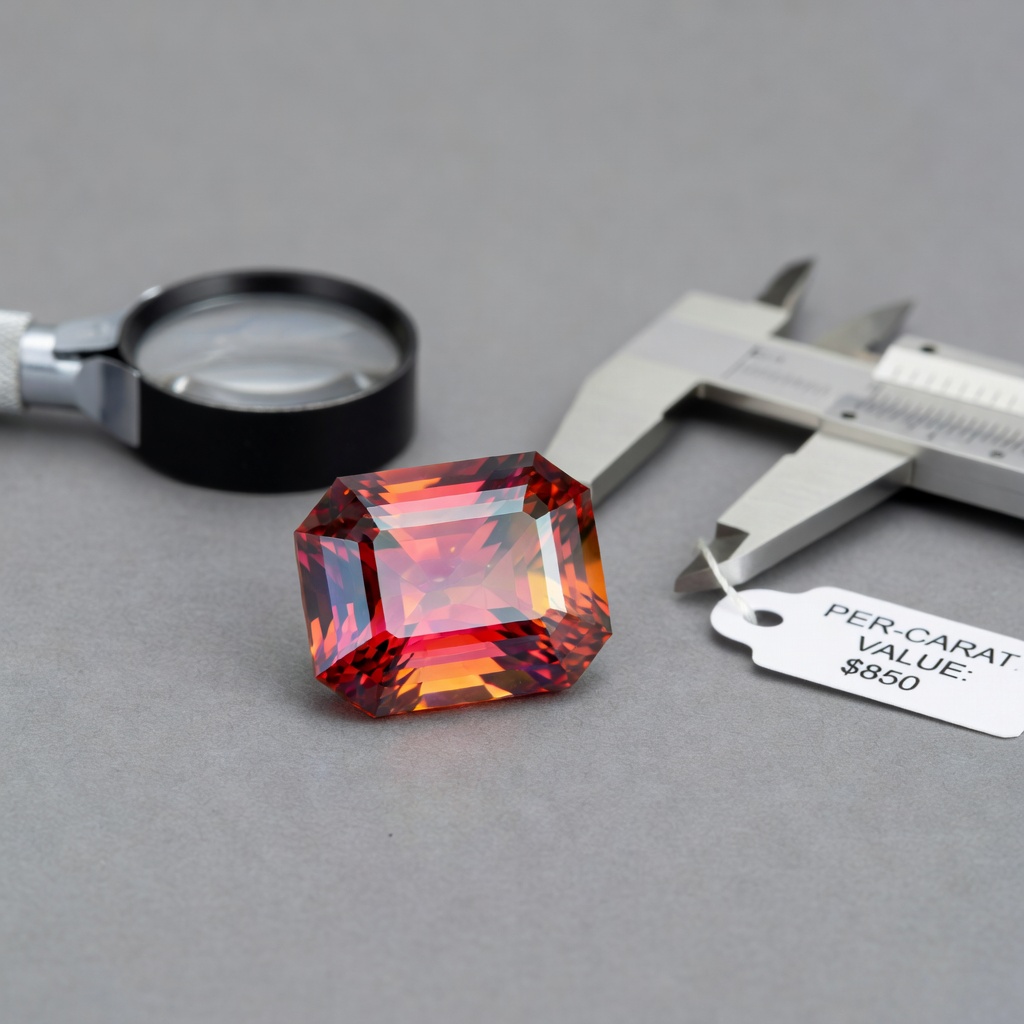
What Is Andesine? Understanding This Rare Feldspar Gemstone
Andesine represents a fascinating intermediate member of the plagioclase feldspar mineral series, chemically positioned between albite (NaAlSi₃O₈) and anorthite (CaAl₂Si₂O₈) with a composition range of 30-50% anorthite content. This calcium-sodium aluminum silicate distinguishes itself within the feldspar family through its unique optical properties and crystal structure, which differs significantly from its more famous cousins like labradorite and orthoclase sunstone. Understanding the fundamental mineralogy of andesine provides essential context for evaluating andesine gemstone value in today's complex market.
Significant deposits of gem-quality andesine emerge from geographically diverse locations, with the Democratic Republic of Congo and the Tibetan plateau standing as historically important sources. Other notable mining areas include Mongolia, China, and various South American localities, each producing material with distinct trace element signatures that influence both appearance and market pricing. The Congo deposits, discovered in the early 2000s, initially flooded the market with material later identified as copper-diffused, creating lasting implications for what is andesine pricing authenticity.
Distinguishing andesine from visually similar feldspars requires careful gemological observation, as it shares the triclinic crystal system with labradorite but typically displays less pronounced labradorescence. While sunstone (orthoclase feldspar) exhibits aventurescence from hematite or goethite inclusions, andesine occasionally shows adularescence—a billowy blue-white sheen—when cut as cabochons. The historical context of andesine's market entry between 2003 and 2004 created significant pricing confusion, as initial claims of natural red coloration were later debunked, establishing the critical distinction between natural and treated material that defines current valuation standards.
Current Andesine Price Per Carat (2024 Market Data)
The andesine price per carat landscape in 2024 reflects a deeply bifurcated market where treatment status creates dramatic valuation disparities. Commercial grade stones exhibiting pale green, yellow-green, or light champagne hues typically command modest prices ranging from $10 to $30 per carat, making them accessible entry points for collectors seeking feldspar varieties without premium investments. These specimens, often originating from Mongolian or Chinese deposits, provide excellent material for educational collections or budget-conscious jewelry designers who appreciate the stone's unique character without requiring investment-grade rarity.
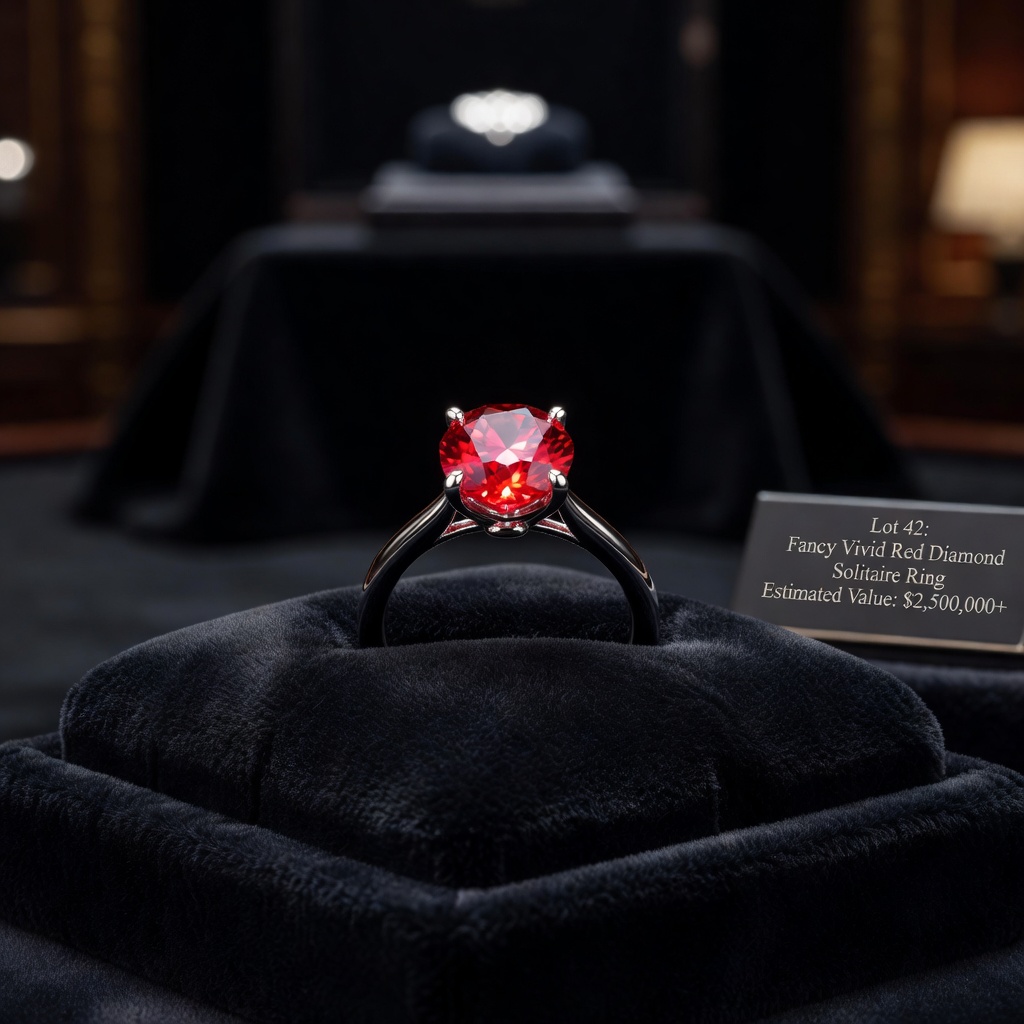
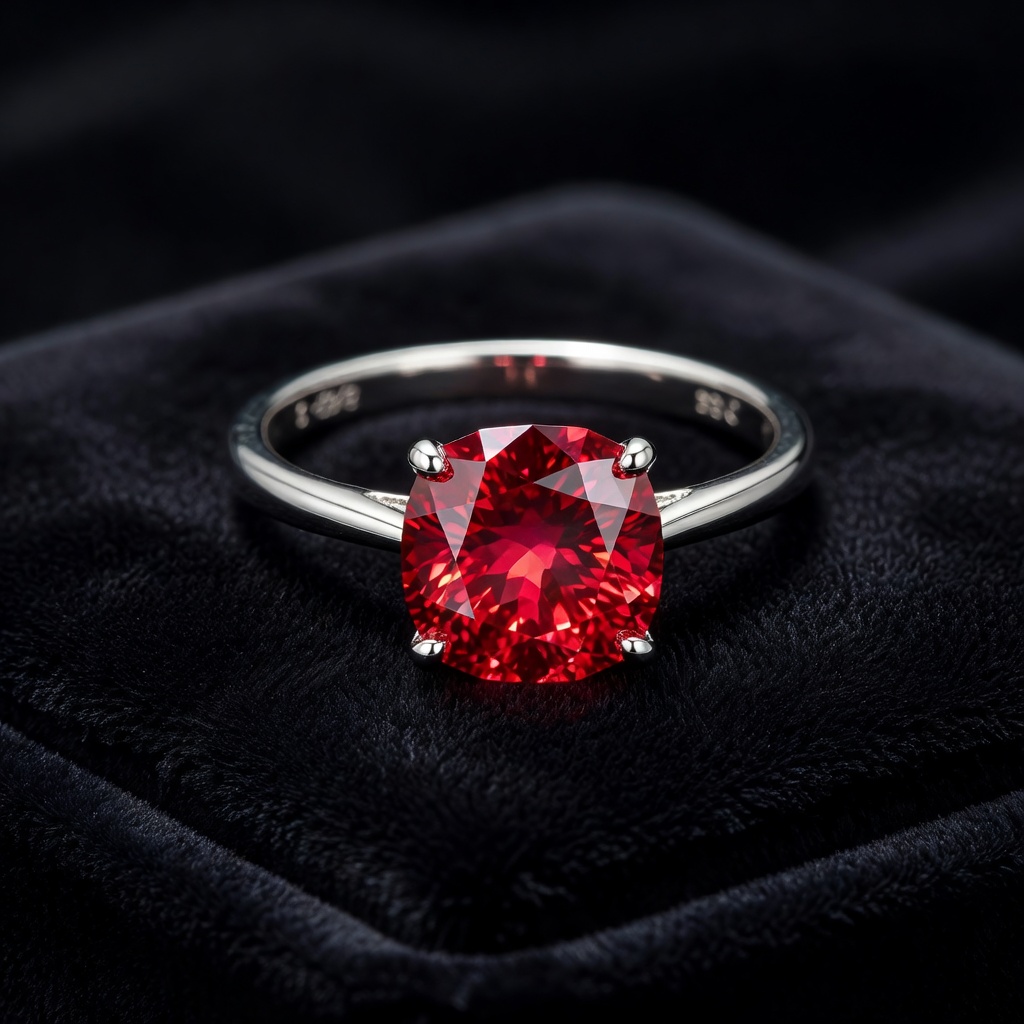
Fine quality natural red specimens represent an entirely different market tier, with current andesine prices for these rarities ranging between $50 and $150 per carat depending on saturation levels and clarity characteristics. Stones displaying intense, pigeon-blood red coloration with minimal brown secondary tones achieve the upper end of this spectrum, particularly when cut to maximize brilliance while minimizing the visibility of feldspar's characteristic cleavage planes. The price escalation becomes exponential for collector-grade material, with exceptional natural red specimens exceeding 5 carats commanding $200 to $500 or more per carat when accompanied by reputable laboratory documentation.
Understanding wholesale versus retail pricing dynamics proves essential for navigating this market effectively. Retail jewelry stores typically apply markup factors of 200% to 400% over wholesale costs, while online specialty dealers may operate on thinner margins of 50% to 100% above their acquisition costs. Auction environments present variable opportunities, with estate sales occasionally offering vintage andesine pieces at significant discounts when sellers lack specific gemological knowledge, though buyer expertise remains crucial for authentication in such venues.
The Natural vs. Treated Price Divide
The treatment status of red andesine creates the most significant pricing differential in the contemporary gemstone market, with natural andesine price premiums reaching 10 to 20 times those of treated counterparts. Copper diffusion treatment, a process involving high-temperature heating in the presence of copper-bearing compounds, transforms pale green or colorless andesine into the coveted red hues that dominate commercial availability. This treatment, while permanent and stable, fundamentally alters the stone's rarity profile and therefore its investment potential, necessitating clear disclosure under FTC guidelines and responsible gem trading ethics.
The copper diffusion treated andesine market operates at price points typically ranging from $5 to $25 per carat, making red-colored material accessible to jewelry consumers who prioritize aesthetics over natural origin. However, these stones carry minimal resale value and virtually no appreciation potential, functioning essentially as decorative material rather than collectible assets. Professional gemologists detect this treatment through advanced spectroscopic analysis, though experienced buyers can observe preliminary indicators such as color concentration near surface-reaching fractures or unnaturally uniform hue distribution inconsistent with natural copper incorporation during geological formation.
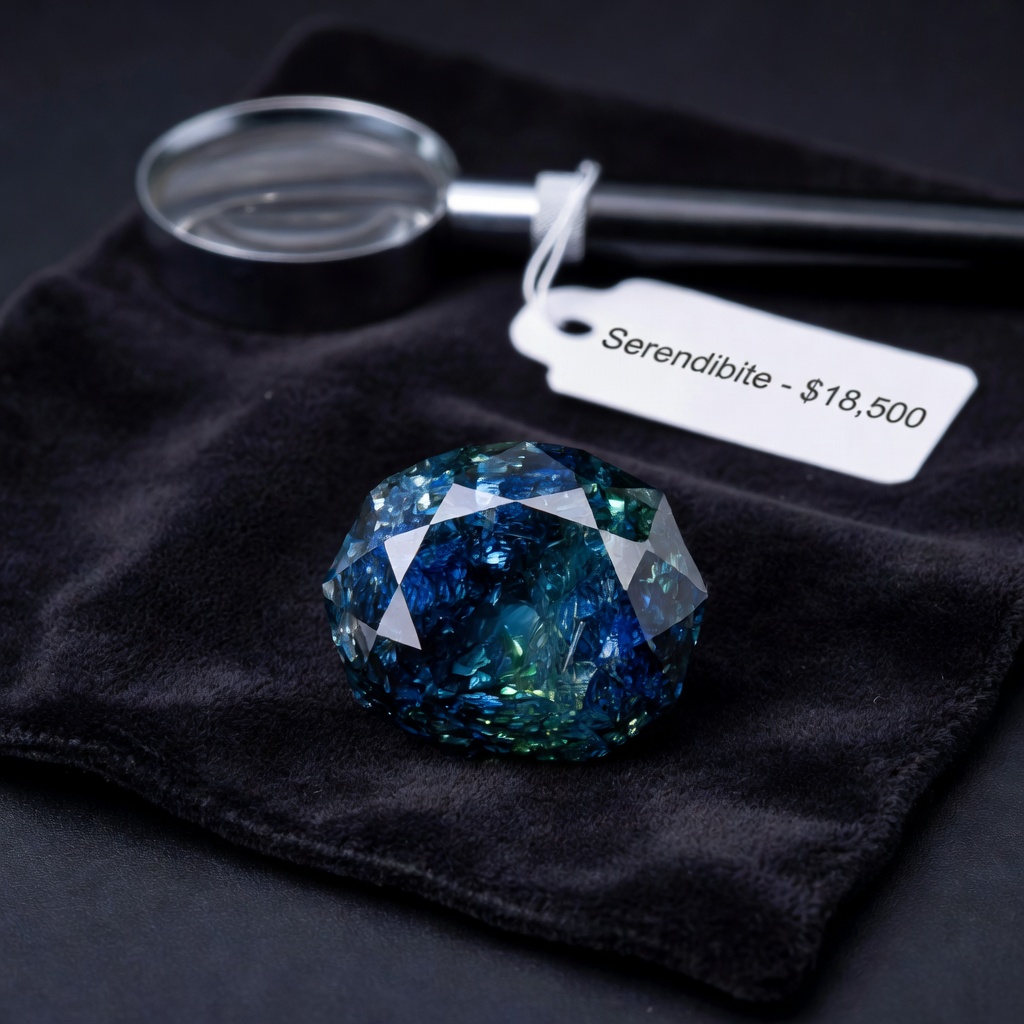
Visual identification techniques for consumers include examining the stone under magnification for copper residue within fractures or along girdle edges, where the treatment process often leaves telltale concentrations. Natural red andesine typically displays subtle color zoning and microscopic copper platelet inclusions distributed throughout the crystal, whereas treated material may show surface-concentrated color that fades slightly toward the interior. Ethical disclosure requirements mandate that sellers explicitly state treatment status, yet the prevalence of undisclosed material in the marketplace underscores the importance of purchasing only stones accompanied by reports from recognized laboratories such as GIA, AGL, or Gübelin when paying treated andesine cost premiums for supposedly natural material.
Color Varieties and Their Market Premiums
Color represents the primary value determinant in andesine valuation, with red andesine value establishing the apex of the market due to extreme scarcity in untreated natural form. The most prized specimens display a pure, saturated red reminiscent of fine spinel or ruby, though andesine's distinctively lower refractive index and specific gravity differentiate it upon examination. Copper-bearing red varieties, whether natural or treated, command consistent consumer demand in Asian markets particularly, where the color symbolizes prosperity and good fortune, driving sustained premium pricing even for treated material in commercial jewelry applications.
Green andesine price points offer significantly more accessible entry opportunities for collectors, with natural green specimens typically ranging from $15 to $75 per carat depending on saturation and clarity. These stones, displaying hues from mint green to olive and forest tones, occur more frequently in nature than their red counterparts and therefore lack the extreme rarity premiums. Bicolor specimens showing sharp color gradation between green and red zones, or tricolor examples incorporating yellow transitions, command specialty premiums from collectors seeking unique display pieces, often achieving prices 30% to 50% above solid-colored stones of equivalent quality.
Color-shift phenomena, where andesine displays different hues under incandescent versus daylight-equivalent lighting, add another dimension to valuation, with strong color-change material commanding premiums similar to fine alexandrite on a smaller scale. Lighting conditions significantly affect perceived color during purchase, necessitating examination under multiple light sources before committing to high-value acquisitions. Daylight-balanced LED lighting typically reveals the truest body color, while incandescent sources may enhance red tones or suppress green components, potentially misleading buyers regarding actual saturation levels and justifying the andesine color grades price differentials observed in professional valuations.
Quality Factors Beyond Color That Affect Pricing
While color dominates initial impression, andesine clarity grades significantly impact final valuation, with eye-clean specimens commanding substantial premiums over included material. The feldspar group naturally accommodates various inclusions, including copper platelets, hematite flecks, and tension fractures, with visibility of these characteristics determining grade classifications. Eye-clean stones, showing no inclusions visible to the unaided eye from a standard viewing distance of 15 centimeters, typically achieve 40% to 60% price premiums over slightly included material, while heavily included specimens suitable only for cabochon cutting or bead manufacturing trade at 70% to 90% discounts relative to fine clarity grades.
Andesine cut quality requires specific expertise due to feldspar's perfect cleavage in two directions and relatively soft hardness of 6 to 6.5 on the Mohs scale. Master cutters orient the table perpendicular to the cleavage plane to minimize chipping risk during setting and wear, a consideration that adds labor costs reflected in finished gem pricing. Fancy cuts requiring precise angles to maximize brilliance while preserving weight command higher per-carat prices than standard oval or round brilliant cuts, particularly for material displaying adularescence or aventurescence phenomena where proper orientation proves critical for optical effect display.
Carat weight triggers exponential rather than linear price increases, particularly for natural red material, with stones exceeding 3 carats commanding 50% to 100% per-carat premiums over smaller specimens due to extreme scarcity. Phenomenal effects add further value dimensions, with strong adularescence—the milky blue sheen moving across the surface as the stone rotates—adding 25% to 40% premiums for cabochon material. Aventurescence, the glittering effect caused by reflective inclusions, appears less commonly in andesine than in sunstone but commands similar premiums when present, particularly in red host material where metallic copper inclusions create striking visual contrast.
Geographic Origins and Their Impact on Value
Provenance significantly influences andesine origin price structures, with documented sources from specific localities commanding premiums based on historical significance and treatment associations. Congo andesine value carries complex market implications due to the 2003-2004 controversies surrounding the initial introduction of copper-diffused material masquerading as natural. Contemporary specimens with verified Congo origin and laboratory confirmation of natural coloration achieve collector premiums due to the locality's historical importance, though buyers remain wary without proper documentation given the region's association with treatment processes.
Tibetan andesine represents the current gold standard for natural red material, with documented Himalayan specimens achieving the highest per-carat prices in the category. The extreme altitude and specific geological conditions required for natural copper incorporation into the feldspar lattice make these stones genuinely rare, with production limited to small, sporadic finds rather than systematic mining operations. The mystical associations of Tibetan gemstones in certain collector circles add intangible value premiums beyond pure gemological considerations, though serious investors prioritize laboratory verification over romantic provenance claims.
Treatment associations by geographic source create distinct buyer confidence patterns, with Mongolian and Chinese material often assumed treated unless proven otherwise, while Tibetan and select South American sources enjoy presumptions of natural origin pending verification. Advanced testing including trace element analysis through EDXRF (Energy Dispersive X-Ray Fluorescence) or laser ablation ICP-MS (Inductively Coupled Plasma Mass Spectrometry) can determine geographic origin through chemical fingerprinting, though these services add $100 to $300 to acquisition costs. For high-value specimens exceeding $1,000 per carat, such testing proves economically justified for establishing definitive provenance and securing insurance valuations.
Certification and Authentication: Added Costs vs. Value
Certified andesine buying practices center on reports from prestigious laboratories including the Gemological Institute of America (GIA), American Gemological Laboratories (AGL), and Gübelin Gem Lab, each providing varying levels of origin and treatment analysis. For stones valued above $500, certification fees ranging from $50 to $200 represent sound investments, as documented natural origin can increase resale values by factors of ten or more compared to undocumented material. These reports provide essential verification of whether copper coloration results from natural geological processes or artificial diffusion treatment, establishing the fundamental basis for andesine gemstone certification value.
Cost-benefit analyses suggest certification becomes essential for red andesine exceeding 2 carats or any natural-colored material (green, yellow, colorless) exceeding 5 carats, where the documentation cost represents less than 10% of total value. Red flags in documentation include vague language such as "natural feldspar" without specific andesine designation, or reports omitting treatment analysis from lesser-known laboratories. Reputable labs specifically test for copper diffusion using advanced spectroscopic methods, explicitly stating "no indications of heating" or "natural color" for untreated stones, while accurately describing treatment status for enhanced material.
Laser inscription options offered by major laboratories provide additional security for high-value specimens, engraving report numbers directly onto the girdle for permanent identification without affecting appearance. This provenance tracking proves invaluable for insurance purposes and future resale, as the inscription links the physical stone to its documented characteristics indefinitely. For collectors building significant andesine portfolios, establishing relationships with laboratories capable of advanced origin determination provides long-term value protection exceeding the initial certification investment.
Where to Buy: Price Comparison by Sales Channel
Navigating where to buy andesine online requires sophisticated risk assessment, as digital marketplaces present both exceptional opportunities and significant misrepresentation hazards. Established online gemstone dealers with GIA-certified inventory and transparent return policies typically offer prices 30% to 50% below brick-and-mortar retail while providing superior selection. However, auction sites and marketplace platforms host numerous listings of treated material described ambiguously as "natural andesine," necessitating buyer verification of laboratory documentation before purchase completion.
Brick-and-mortar jewelry stores provide tactile examination advantages but command substantial markup expectations, with mall-based retailers often applying 300% to 500% premiums over wholesale costs. Negotiation room varies by establishment type, with independent jewelers typically offering 10% to 20% flexibility on listed prices, while chain stores maintain rigid pricing structures. Andesine wholesale price advantages emerge most clearly at major gem shows such as the Tucson Gem and Mineral Show, where direct importer-to-consumer transactions eliminate multiple intermediary markups and educated buyers can secure exceptional material at 40% to 60% below retail equivalents.
Auction houses and estate sales present unique opportunities for acquiring vintage andesine pieces, occasionally offering natural material at treated-stone prices when sellers lack gemological expertise. However, these venues typically operate under "as-is" conditions with limited return privileges, requiring advance knowledge of identification techniques. Specialty mineral shows focused on collector-grade specimens rather than jewelry often yield the finest crystalline examples and rough material for custom cutting, though prices at such venues reflect the scarcity of premium rough rather than finished gem economics.
Investment Potential and Resale Value Considerations
Evaluating andesine investment value requires distinguishing between the liquidity characteristics of natural versus treated material, as these categories function in essentially different economic realms. Natural, untreated red andesine exceeding 3 carats with laboratory documentation demonstrates moderate investment potential, showing historical appreciation rates of 5% to 8% annually over the past decade while outpacing inflation. However, the market remains notably illiquid compared to blue-chip colored stones like sapphire or emerald, with resale timelines potentially extending 6 to 18 months for appropriate buyer matching unless selling at significant discounts to dealers.
Andesine resale price realization depends heavily on documentation quality and market timing, with natural stones purchased during the 2003-2004 controversy now commanding 300% to 500% premiums as rarity recognition increased. Treated material, conversely, experiences depreciation upon leaving the retail environment, functioning as consumable jewelry components rather than stores of value. Collector demand for natural andesine shows greater stability than commercial jewelry market fluctuations, as the subset of educated feldspar specialists maintains consistent acquisition interest independent of fashion trends affecting broader gemstone markets.
Insurance appraisal values for andesine collections require replacement cost calculations based on current retail replacement rather than purchase price, often creating coverage gaps for specimens acquired at wholesale or estate sale prices. High-value natural specimens warrant scheduled insurance riders with appraisals updated every 3 to 5 years to reflect appreciation trends. Investment success in this category demands holding periods of 5 to 10 years minimum, as short-term trading generates insufficient returns to overcome transaction costs and market inefficiencies inherent in niche gemstone categories.
Expert Strategies for Getting the Best Price
Mastering andesine buying guide strategies involves understanding seasonal market patterns, with prices typically dipping 15% to 25% during summer months and post-holiday January-February periods when luxury spending slows. Major dealers often offer promotional pricing during the Tucson Gem Show in late January to early February, creating optimal acquisition windows for prepared buyers. How to buy andesine efficiently requires patience and relationship building with established dealers who offer first refusal on new acquisitions to trusted clients before public listing.
Bundle negotiation tactics prove particularly effective for andesine, as dealers often hold diverse inventory acquired as mixed lots from mining operations. Purchasing matched pairs for earrings, or acquiring suites of different colors (green, red, and bicolor) from single sources, can yield 20% to 30% discounts compared to individual stone purchases. Warning signs of synthetic simulants or assembled stones include prices significantly below market norms—genuine red andesine under $5 per carat almost certainly indicates treatment, while natural material at such prices suggests glass or plastic imitations requiring immediate laboratory verification.
Andesine market tips for long-term value preservation include proper maintenance protocols, as feldspar's relative softness requires protective storage separate from harder gems like diamond or sapphire that might cause abrasion. Ultrasonic and steam cleaners pose fracture risks due to cleavage planes, making gentle soap and water the only recommended cleaning method. Maintaining original laboratory reports and purchase documentation in secure, climate-controlled storage preserves provenance chains essential for future resale, while periodic professional cleaning and inspection identify potential setting wear before stone loss occurs.
Frequently Asked Questions
How much does andesine cost per carat?
Andesine prices vary dramatically based on quality and treatment. Commercial grade green or pale stones typically cost $10-$30 per carat, while fine natural red specimens range from $50-$150 per carat. Exceptional collector-grade natural red andesine can exceed $200-$500 per carat for stones over 5 carats. Treated copper-diffused stones are significantly cheaper, often 10-20 times less expensive than their natural counterparts.
How can I tell if my andesine is natural or copper-diffused?
Natural red andesine is extremely rare, while most red stones on the market are copper-diffused. Key indicators include: checking for surface-concentrated color (treated stones show deeper color near surface), examining under magnification for copper residue in fractures, and reviewing certification from reputable labs like GIA. When in doubt, professional gemological testing using EDXRF or laser ablation is the only definitive method.
Why is red andesine so much more expensive than green?
Red andesine commands premium prices due to extreme rarity in its natural form. While green andesine occurs relatively commonly in nature, natural red specimens require specific trace copper inclusions and geological conditions that rarely occur together. Additionally, market demand heavily favors the red variety for jewelry, and the prevalence of treated red stones has made verified natural red andesine even more valuable to serious collectors.
Is andesine a good investment gemstone?
Natural, untreated andesine—particularly in red hues over 3 carats—shows moderate investment potential due to increasing rarity and collector interest. However, treated andesine has poor investment value as treatments are permanent but not rare. The market remains niche compared to sapphire or ruby, affecting liquidity. Investment success requires proper documentation, buying below retail, and holding for 5-10 years minimum.
Does andesine appreciate in value over time?
High-quality natural andesine has shown steady appreciation of 5-8% annually over the past decade, outpacing inflation but underperforming top-tier colored stones like Kashmir sapphires. Treated material generally depreciates or maintains flat pricing. Appreciation depends heavily on color saturation, size (stones over 5 carats appreciate faster), and whether the stone possesses phenomenon like strong adularescence.
What clarity grade should I look for when buying andesine?
For andesine, aim for eye-clean clarity where no inclusions are visible to the unaided eye from a distance of 6-8 inches. Slightly included stones offer good value for jewelry if inclusions don't affect durability or visible beauty. Avoid heavily included material unless purchasing for specimen collections or beadwork, as prominent inclusions significantly reduce both beauty and structural integrity. Remember that some inclusions, like copper platelets in natural red stones, actually confirm authenticity and may be desirable to knowledgeable collectors.
Can I wear andesine jewelry every day?
Andesine ranks 6-6.5 on the Mohs hardness scale, making it suitable for occasional wear but risky for daily rings or bracelets. Its distinct cleavage planes make it prone to chipping from sharp impacts. For daily wear, choose protective settings like bezels or halos, and reserve andesine for earrings or pendants where impact risk is minimal. Regular cleaning with mild soap and water maintains brilliance without risking damage.
Where is the cheapest place to buy quality andesine?
The most competitive prices for quality andesine are typically found at gem and mineral shows (like Tucson) where dealers compete directly, or through established online wholesalers with GIA-certified inventory. Avoid tourist shops and mall jewelry stores where markups reach 300-500%. However, extremely cheap andesine (under $5/ct for red stones) almost certainly indicates treatment or synthetic material—if a deal seems too good, verification is essential.