Understanding Andesine: Properties and Characteristics
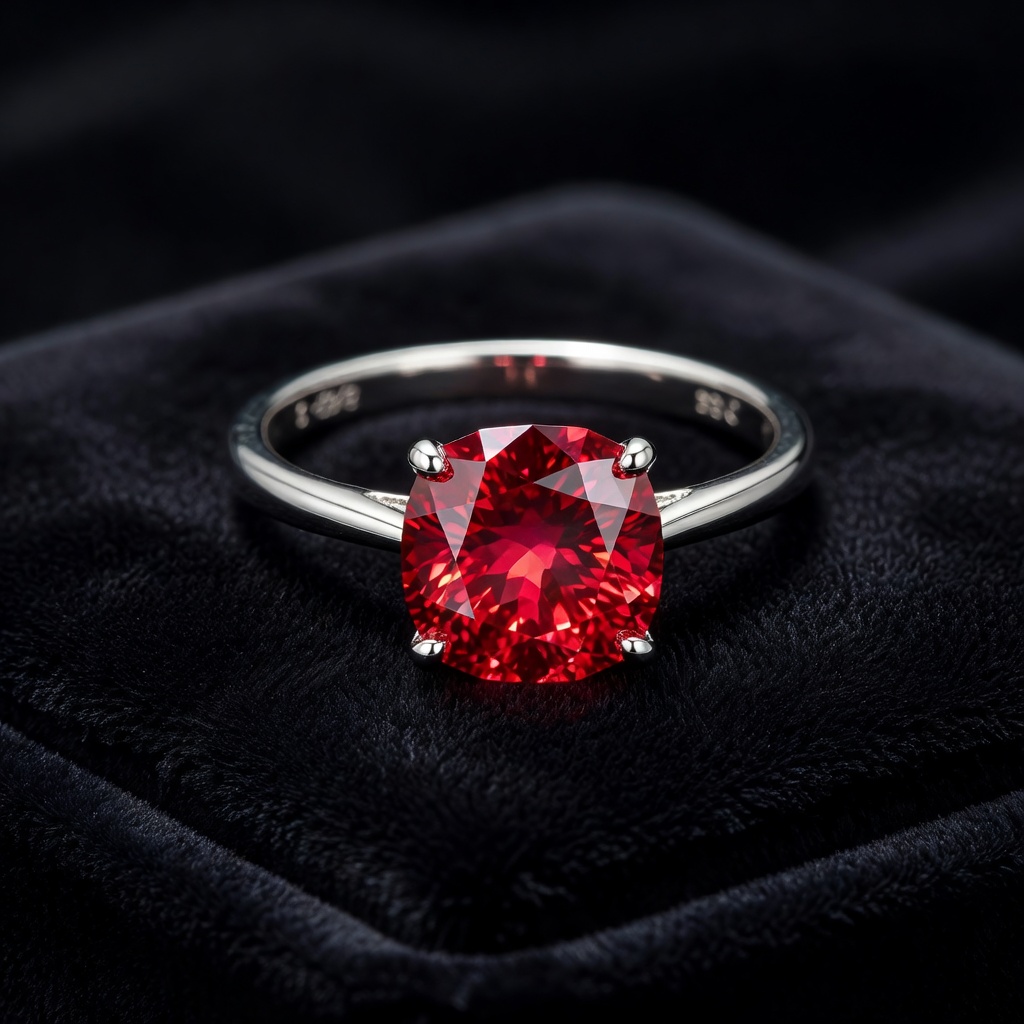
Andesine represents a fascinating member of the plagioclase feldspar family, prized by collectors and jewelry enthusiasts for its captivating reddish hues and unique optical properties. This intermediate feldspar mineral, positioned between albite and anorthite in the plagioclase series, typically displays colors ranging from pale champagne to deep red when copper-bearing varieties are present. Understanding the fundamental geological characteristics of this gemstone is essential before implementing any Andesine Care and Cleaning protocols, as its physical limitations directly influence how you should handle and maintain your jewelry pieces.
The Andesine hardness Mohs scale rating of 6 to 6.5 places this gemstone in the moderate durability category, making it softer than popular jewelry stones like quartz, sapphire, or diamond. While this hardness level allows for beautiful faceting and polishing, it renders the stone susceptible to surface scratches from everyday dust particles, which often contain silica at hardness 7. Additionally, Andesine exhibits perfect cleavage in two directions, meaning it possesses natural planes of weakness where the stone can split cleanly if struck at the correct angle, creating vulnerability to chipping along girdle edges and facet junctions.
Copper-bearing Andesine, particularly the red andesine variety that has gained popularity in recent years, requires special attention regarding heat sensitivity and color stability. These stones may undergo treatment processes involving heat and diffusion to enhance their reddish coloration, making them particularly reactive to sudden temperature changes or prolonged exposure to high heat sources. When planning your Andesine gemstone maintenance routine, recognizing whether your stone is natural or treated becomes crucial, as enhanced specimens demand more stringent environmental controls to prevent color fading or treatment reversal.
Daily Wear Precautions for Andesine Jewelry
Implementing proper daily wear protocols forms the foundation of effective red andesine jewelry care, significantly extending the lifespan of your precious pieces. Before engaging in physical activities such as sports, gardening, weightlifting, or household chores, always remove your Andesine jewelry to prevent accidental impacts against hard surfaces. Consider the case of a jewelry owner who wore her Andesine ring while gardening; a simple strike against a stone border caused a clean chip along the cleavage plane, transforming a brilliant gemstone into a damaged specimen requiring expensive repolishing or recutting.
Chemical hazards present another significant threat to Andesine integrity, necessitating careful attention to your beauty and cleaning routines. Always apply perfumes, lotions, hairsprays, and cosmetics before putting on your Andesine jewelry, allowing these products to dry completely first. Household cleaners containing chlorine, bleach, or ammonia can etch the surface of feldspar minerals or damage treatments applied to enhance color. When cleaning your bathroom or kitchen, remove your Andesine pieces entirely, as even brief exposure to these harsh chemicals can create microscopic pitting that dulls the stone's luster over time.
Temperature management plays a critical role in preserving Andesine jewelry, particularly for treated specimens. Avoid wearing your Andesine rings or bracelets when moving between extreme temperature environments, such as stepping from an air-conditioned vehicle into summer heat or handling frozen goods while wearing a pendant. Sudden thermal shock can cause internal fracturing in feldspar minerals, especially those with existing inclusions or treatments. Similarly, never leave Andesine jewelry on windowsills or in cars where direct sunlight can create greenhouse effects, potentially reaching temperatures that compromise color stability or cause thermal expansion damage.
Safe At-Home Cleaning Methods
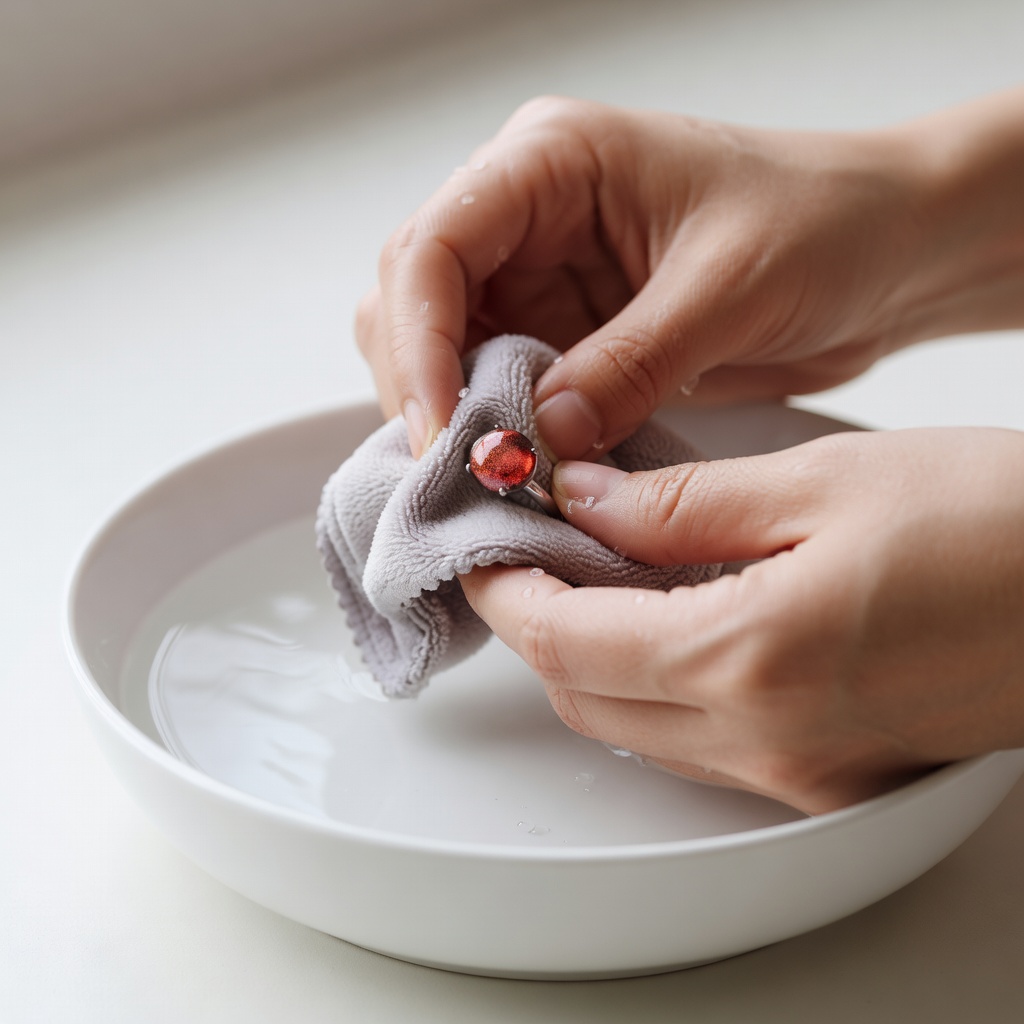
Establishing a gentle yet effective cleaning routine ensures your Andesine maintains its brilliance without risking structural damage. Begin by preparing a cleaning solution using lukewarm water—approximately body temperature—and a few drops of mild, phosphate-free dish soap in a small bowl. Avoid using hot water, as the temperature differential between the stone and liquid can create thermal stress, while cold water may not effectively dissolve accumulated oils and grime. This simple solution represents one of the safest gemstone cleaning solutions available for feldspar gemstone cleaning at home.
Submerge your Andesine jewelry for five to ten minutes to loosen dirt and residue, then employ a soft-bristled brush for gentle agitation. Ideal tools include a baby toothbrush with extra-soft bristles or a clean makeup brush with natural fibers, both of which effectively reach beneath prongs and into facet junctions without scratching the stone's surface. Work in gentle circular motions, paying particular attention to the back of the stone where lotions and skin oils tend to accumulate, creating a cloudy appearance that diminishes brilliance. Never use scrubbing pads, toothpicks, or metal brushes, as these can permanently damage the Andesine's polish.
Rinsing requires careful attention to prevent soap residue buildup, which can create a film that dulls the gemstone's appearance. Hold the jewelry under a gentle stream of lukewarm running water, rotating it to ensure all soap evacuates from the setting. For pieces with intricate mountings or pavé settings, consider using a bulb syringe to flush water through tight spaces where soap might hide. Following the rinse, pat the piece dry using a lint-free microfiber cloth specifically designed for jewelry, avoiding paper towels or tissues that can leave microscopic scratches. Allow the piece to air-dry completely on a clean towel for an additional hour before storing, ensuring no moisture remains trapped in the setting that could cause metal tarnishing.
Advanced Cleaning: What to Avoid
While professional jewelers utilize various high-tech cleaning methods, several popular techniques pose significant risks to Andesine and should be strictly avoided in home settings. Ultrasonic cleaners, despite their popularity for diamonds and sapphires, create vibrations that can exacerbate existing inclusions or microscopic fractures common in plagioclase feldspar care protocols. The cavitation process—where tiny bubbles implode against the stone's surface—can cause already compromised stones to crack completely along cleavage planes, resulting in catastrophic damage that no amount of polishing can repair.
Steam cleaning represents another method that should never be applied to Andesine jewelry, even if you own a professional-grade steamer. The intense heat and pressure combination creates perfect conditions for thermal shock, potentially causing internal shattering or surface cracking. This risk increases exponentially for treated Andesine, where the diffusion process may have created microscopic surface-reaching fractures that steam can penetrate and expand. Similarly, abrasive cleaners including baking soda pastes, commercial jewelry cleaners containing abrasives, or toothpaste can permanently scratch the relatively soft surface of Andesine, creating a matte finish that requires professional repolishing to restore.
Ammonia-based solutions, while effective for diamonds and gold, can damage Andesine through chemical erosion and treatment degradation. These alkaline solutions can react with copper inclusions in red Andesine, potentially altering coloration or removing surface enhancements. Additionally, many commercial dip cleaners contain solvents that can attack the adhesives used in certain jewelry settings or react with treatments applied to enhance color. When considering Andesine Care and Cleaning, remember that gentler methods consistently outperform aggressive chemical treatments, preserving both the stone's integrity and its market value.
Proper Storage Solutions
Implementing appropriate Andesine storage tips prevents the majority of preventable damage that occurs when jewelry is not being worn. Each Andesine piece should reside in its own soft fabric pouch, preferably made of untreated microfiber, velvet, or silk, preventing contact with harder gemstones that could scratch its surface. For those with extensive jewelry collections, invest in a compartmentalized jewelry box with individual padded sections, ensuring that your Andesine ring never touches a diamond pendant or sapphire earrings during storage.
Environmental factors significantly impact long-term Andesine preservation, requiring careful consideration of storage location within your home. Avoid jewelry boxes placed in direct sunlight, as UV exposure can fade color-treated Andesine over time, particularly the copper-diffused red varieties that derive their value from intense coloration. Humidity control proves equally important; while Andesine itself doesn't suffer from moisture sensitivity like opals, the metal settings can tarnish or corrode in high-humidity environments, potentially staining the stone. Consider adding silica gel packets to your storage area in tropical climates, replacing them quarterly to maintain optimal conditions.
Travel storage demands additional precautions beyond standard home organization. When packing for trips, utilize hard-sided jewelry cases with individual foam compartments that prevent movement during transit. Never pack Andesine jewelry in checked luggage where temperature fluctuations in cargo holds and rough handling could damage pieces. Instead, carry valuable Andesine items in your personal carry-on, storing the case in an interior pocket to minimize exposure to security screening equipment. For extended travel, bring a small microfiber cloth for gentle wiping if the stone accumulates sunscreen or perspiration, preventing buildup that could etch the surface if left for days.
Recognizing When Your Andesine Needs Attention
Developing observational skills for Andesine gemstone maintenance allows you to address minor issues before they escalate into major restoration projects. Conduct monthly visual inspections under bright, diffused light, examining the stone's surface for new scratches, chips along the girdle, or cloudiness that doesn't resolve with gentle cleaning. Rotate the piece to observe how light interacts with the stone; a sudden decrease in brilliance or the appearance of a milky film might indicate soap buildup, but could also signal microscopic surface damage or treatment degradation requiring professional assessment.
Setting integrity requires particular vigilance with Andesine, given that the cost of stone replacement often exceeds the value of the mounting. Use a jeweler's loupe or strong magnifying glass to examine prongs for wear, bending, or looseness that could allow the stone to fall out. Gently tap the stone with a fingernail; any clicking sound indicates the setting has loosened, necessitating immediate professional attention. For bezel-set Andesine, check that the metal completely surrounds the stone without gaps where the girdle might be exposed to impact damage.
Distinguishing between surface dirt and actual gemstone damage prevents unnecessary anxiety while ensuring genuine problems receive prompt treatment. Dirt accumulation typically appears uniform across the stone's surface and diminishes after proper cleaning, whereas scratches remain visible regardless of cleanliness. Color fading in treated Andesine often appears patchy or concentrated near facet edges where diffusion treatments might be thinner. If your red Andesine suddenly appears orange or pink in certain lighting after years of stable color, this could indicate treatment reversal requiring professional evaluation. Document any changes with dated photographs to track progression and assist gemologists in determining appropriate restoration methods.
Professional Maintenance and Restoration
Establishing a relationship with a qualified jeweler familiar with Andesine Care and Cleaning ensures your pieces receive appropriate professional attention every six to twelve months. During these inspections, professionals utilize magnification to detect issues invisible to the naked eye, such as hairline fractures developing along cleavage planes or microscopic chips that could expand with continued wear. They possess specialized tools to tighten prongs, repair damaged mountings, and assess whether the stone has loosened in its setting, preventing loss before it occurs.
Professional repolishing services can restore luster to Andesine that has accumulated surface scratches from years of normal wear. Unlike diamonds, which require specialized equipment, Andesine can be repolished by experienced lapidaries using standard feldspar protocols, removing microscopic layers of damaged material to reveal the pristine surface beneath. However, limit repolishing frequency, as each session removes material and can alter the stone's dimensions or weight. For valuable specimens, request that the jeweler document the before-and-after weight to maintain accurate records for insurance purposes.
While home steam cleaning poses risks, professional jewelers possess controlled steam systems and the expertise to use them safely on appropriate stones. More importantly, they offer ultrasonic alternatives specifically designed for softer gemstones, utilizing gentle vibration frequencies and appropriate cleaning solutions that won't damage feldspar minerals. Professional cleaning also includes checking and tightening settings, ensuring that prongs haven't worn thin from daily contact. Consider scheduling these maintenance appointments before significant events or annually during birthday or anniversary months to establish consistent care routines.
Special Considerations for Treated Andesine
The gem market contains both natural copper-bearing Andesine and diffusion-treated varieties, each requiring specific red andesine jewelry care protocols. Natural copper-bearing Andesine, formed with inherent red coloration, typically exhibits more stable coloration but may contain more inclusions requiring gentle handling. Diffusion-treated stones, created by introducing copper into pale feldspar through high-temperature processes, possess surface-concentrated color that can be compromised by improper cleaning or heat exposure. Request documentation from your jeweler identifying your stone's origin, as this determines appropriate care restrictions.
Treated Andesine demands heightened awareness regarding heat exposure during daily activities. Never leave color-enhanced pieces near heat sources such as radiators, stove tops, or heating vents, as excessive temperatures can reverse the diffusion process, causing color to fade or migrate unevenly. Similarly, avoid allowing treated stones to contact hot water during cleaning, and never allow a jeweler to use a torch near the stone during resizing or repair work without confirming they understand it is treated Andesine. Some treatments may also involve fracture filling or oiling to improve clarity, requiring additional precautions against heat and harsh chemicals.
Maintaining documentation regarding treatments proves essential for insurance purposes and future resale value. Keep laboratory reports, purchase receipts, and any treatment disclosure documents in a secure location separate from the jewelry itself. Photograph your Andesine under consistent lighting conditions annually to create a visual record of color stability. If you inherit Andesine jewelry without documentation, consult a certified gemologist who can test for copper diffusion and other treatments using specialized equipment, ensuring you implement appropriate care protocols based on the stone's actual characteristics rather than assumptions.
Long-Term Preservation Strategies
Sustainable Andesine Care and Cleaning extends beyond individual cleaning sessions to encompass comprehensive collection management strategies. Implement a rotation schedule for your jewelry, allowing Andesine pieces to rest between wearings rather than subjecting them to daily stress. For example, if you own multiple rings, designate specific pieces for workdays while reserving Andesine for weekend social events or special occasions. This approach distributes wear across your collection while preserving the condition of softer gemstones that suffer from continuous daily exposure to impact and abrasion.
Regular insurance appraisals every two to three years protect your investment while ensuring coverage reflects current market values for rare copper-bearing specimens. Andesine markets fluctuate based on mining yields and treatment controversies, making updated documentation crucial. When obtaining appraisals, seek gemologists specifically experienced with feldspar minerals who can accurately identify treatments and quality grades. Building a relationship with such specialists ensures you have expert guidance available when questions arise about cleaning methods, setting repairs, or potential upgrades to your collection.
Climate-specific care adjustments optimize preservation based on your geographic location. In arid desert environments, static electricity can attract dust to Andesine surfaces, necessitating more frequent gentle wiping with anti-static cloths. Coastal residents must combat salt air corrosion that can attack settings and potentially etch stone surfaces over time, requiring more frequent professional inspections. Seasonal humidity changes affect metal settings differently; in winter heating seasons when air becomes dry, check settings more frequently as metal contraction might loosen prongs. By tailoring your long-term gemstone care approach to environmental realities, you ensure your Andesine jewelry remains pristine for generations.
Frequently Asked Questions About Andesine Care and Cleaning
Can I Clean Andesine Jewelry With an Ultrasonic Cleaner?
No, ultrasonic cleaners are not recommended for Andesine. The vibrations can exacerbate existing inclusions or fractures common in feldspar minerals, potentially causing the stone to crack or break along its cleavage planes.
How Often Should I Clean My Andesine Gemstone?
Clean your Andesine jewelry every 2-3 weeks if worn regularly, or immediately after exposure to cosmetics, sunscreen, or perspiration. Routine cleaning prevents buildup that can dull the stone's luster and mask its natural schiller.
Is Andesine Safe to Wear Every Day?
Andesine can be worn daily with caution, but it's best reserved for occasional wear due to its 6-6.5 Mohs hardness. Remove it during physical activities, chores, or before applying beauty products to prevent scratches and impact damage.
What Is the Safest Way to Store Andesine Jewelry?
Store Andesine separately in a soft fabric pouch or lined jewelry box compartment. Keep it away from harder gemstones like diamonds or sapphires that could scratch its surface, and avoid direct sunlight exposure that might affect color-treated stones.
Can Andesine Be Damaged by Household Chemicals?
Yes, household cleaners, chlorine, bleach, and even some perfumes can damage Andesine. These chemicals can erode the stone's surface, damage treatments, or cause discoloration. Always remove Andesine jewelry before cleaning or swimming.
How Do I Know if My Andesine Needs Professional Cleaning?
If your Andesine appears cloudy or dull despite home cleaning, or if you notice looseness in the setting, consult a professional jeweler. They can safely clean behind the stone and check prongs without risking damage to the gem.
Does Andesine Require Different Care Than Sunstone?
While both are feldspar minerals, copper-bearing Andesine (often called red Andesine) may require extra care regarding heat exposure if treated. Natural Sunstone typically has aventurescence that can trap dirt differently, but both share similar cleaning protocols using mild soap and water only.
Can I Shower With My Andesine Jewelry?
It's best to remove Andesine jewelry before showering. Soap scum can build up on the stone's surface, hard water deposits may cloud its appearance, and the risk of hitting the gem against shower fixtures could cause chipping.