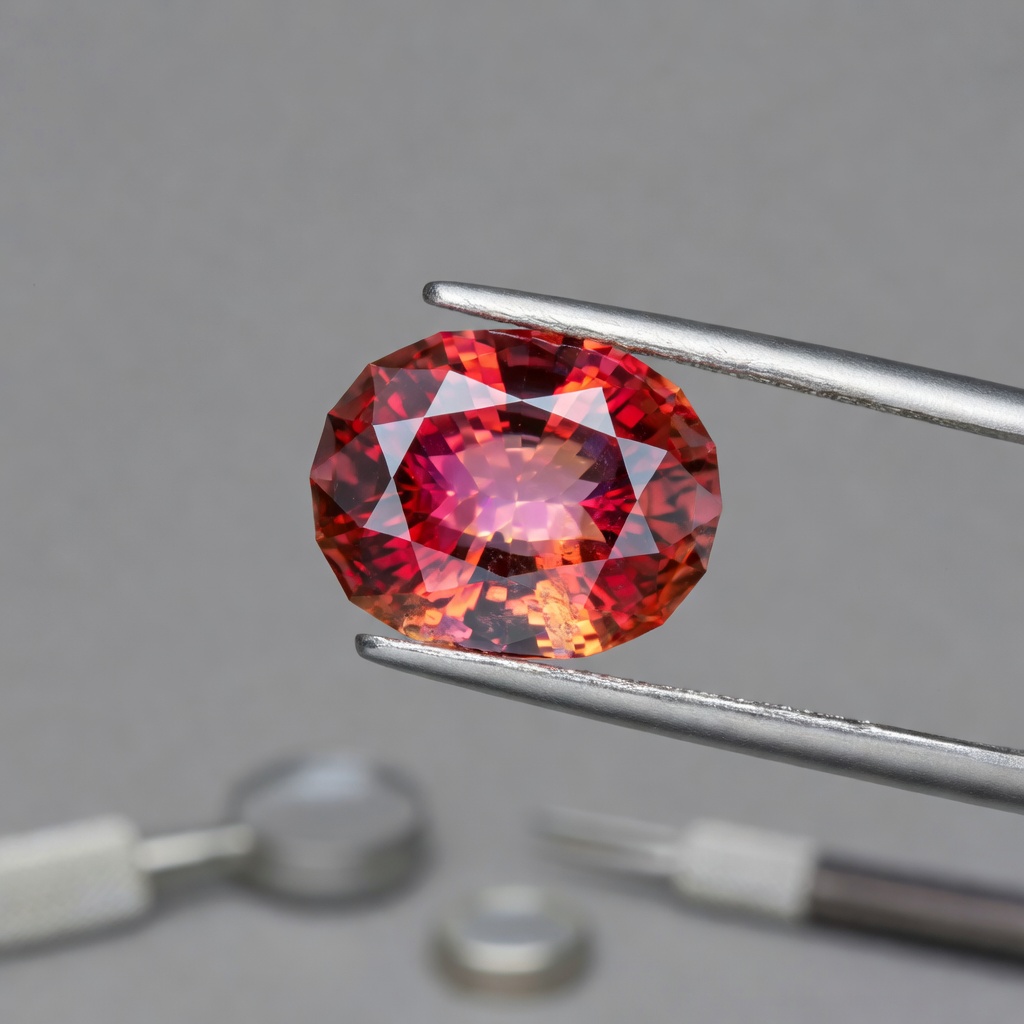
Introduction to Andesine Gemstones
Andesine gemstone represents one of the most intriguing yet frequently misunderstood members of the feldspar family, belonging specifically to the plagioclase series with an intermediate chemical composition between albite and anorthite. This calcium-sodium aluminum silicate mineral typically forms in igneous volcanic environments, displaying a unique combination of transparency and body color that distinguishes it from its more famous cousins in the gem world. While mineralogists have recognized Andesine since its discovery in the Andes Mountains during the 19th century, gem-quality material suitable for fine jewelry remained exceptionally rare until significant deposits were discovered in the early 21st century.
The growing popularity of Andesine in high-end jewelry markets stems largely from its remarkable optical properties, including strong trichroism that allows the stone to display different colors when viewed from various angles. Unlike Labradorite, which exhibits surface-color flash phenomena, quality Andesine possesses a translucent to transparent body that allows light to penetrate deeply, creating a distinctive glow that cutters strategically enhance through precise orientation. Modern jewelry designers particularly value this gemstone for its ability to bridge the gap between common feldspar materials and more expensive red gems, offering consumers an accessible entry point into colored stone collecting without sacrificing visual impact or geological significance.
Understanding Andesine Varieties and Origins
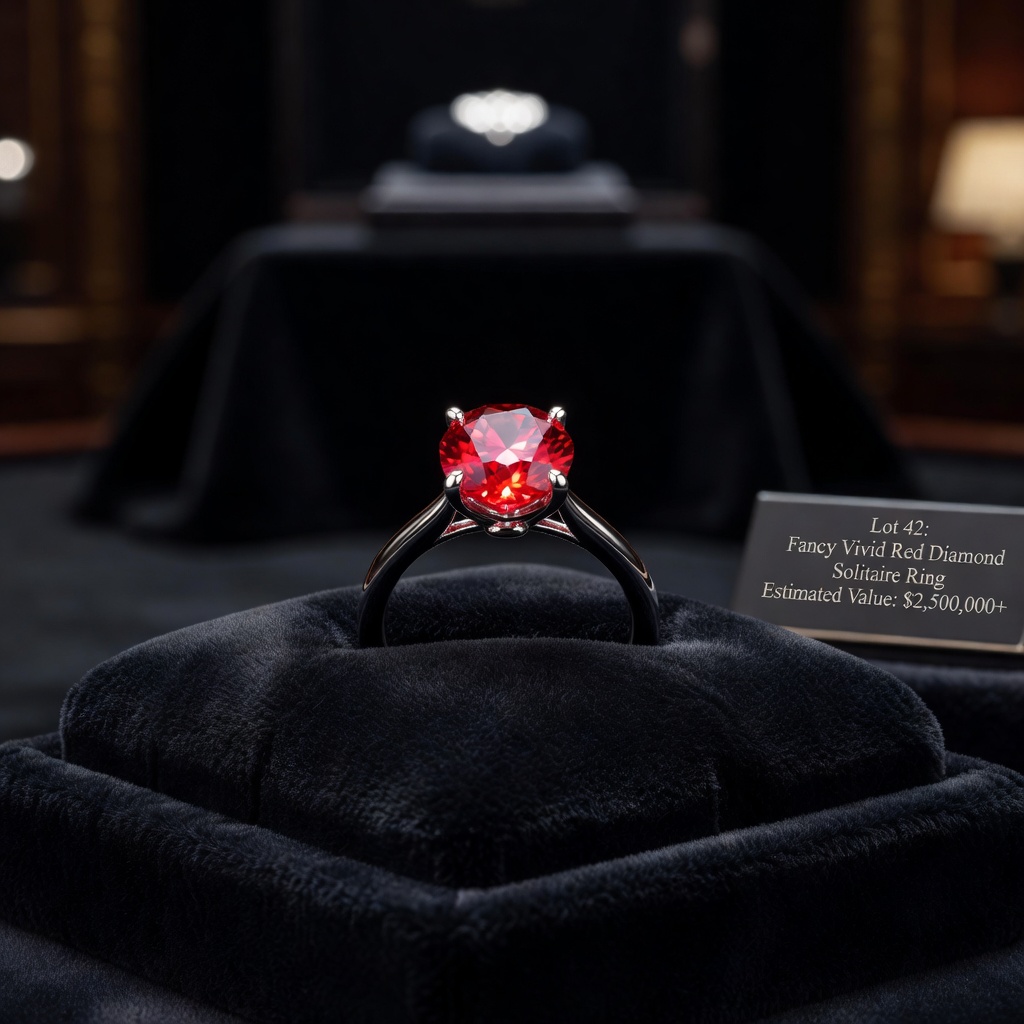
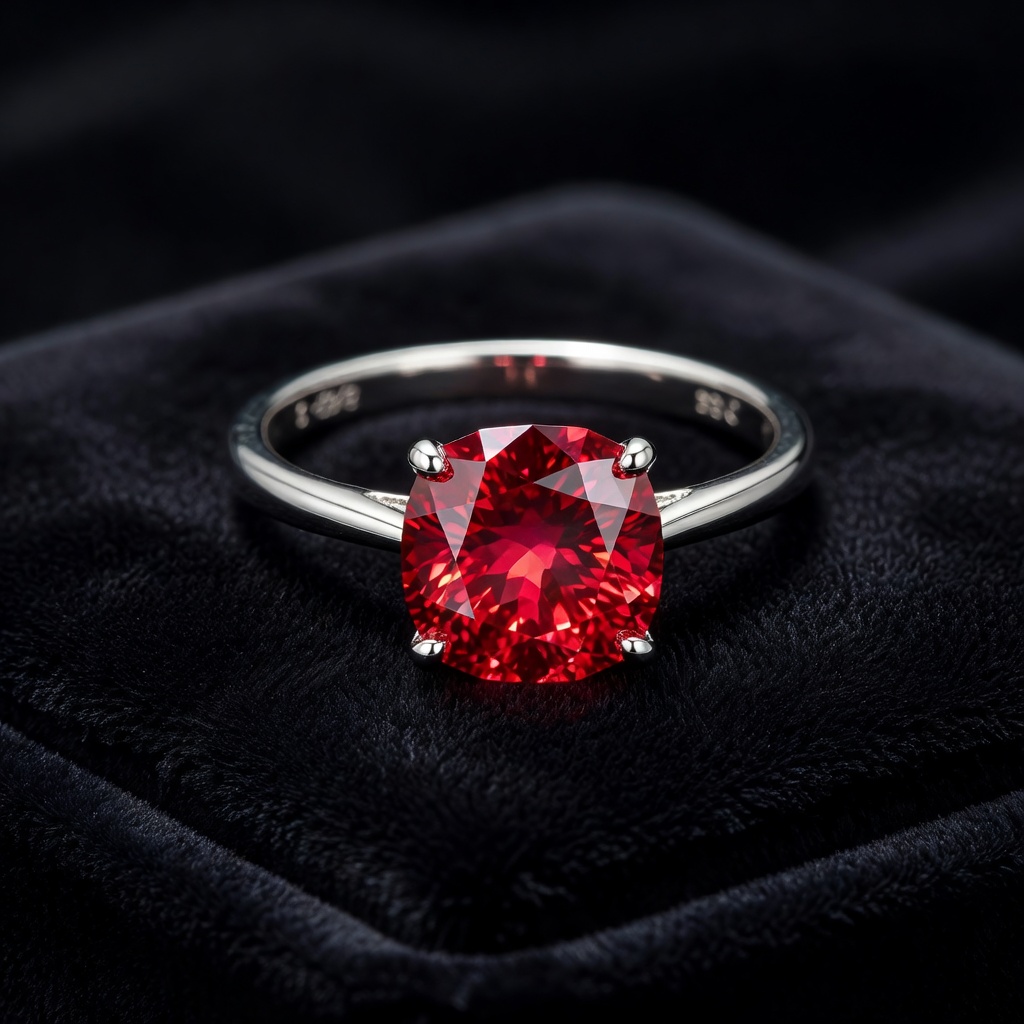
When evaluating Red Andesine specifically, collectors prioritize stones displaying vivid red-orange to pure red hues without undesirable brownish or grayish modifiers that dilute the stone's visual impact. While red represents the most commercially desirable color, Andesine naturally occurs across a spectrum including subtle greens, yellows, and near-colorless varieties, though these typically command significantly lower market values due to reduced rarity and consumer demand. The geological conditions required to produce the copper-induced red coloration occur infrequently in nature, making untreated red specimens particularly coveted among serious gemstone enthusiasts and investors alike.
The geographic provenance of Andesine significantly influences both market perception and value, with the Democratic Republic of Congo and the Tibetan plateau currently producing the most commercially significant gem-quality material. Congolese material often exhibits richer, more saturated red tones attributed to specific trace element inclusions during formation, while Tibetan stones frequently display subtle variations that skilled cutters can optimize through careful orientation. Understanding the distinctions between Andesine vs labradorite proves essential for buyers, as Labradorite characteristically displays labradorescence—a distinctive blue or multicolored flash on the surface—while Andesine typically presents a more transparent body with trichroic color effects visible throughout the crystal structure rather than just on the surface.
Differentiating Andesine from Oregon Sunstone, another plagioclase feldspar, requires careful examination of inclusions and optical effects, as Sunstone contains copper platelets that create aventurescence or metallic glitter unlike the color zoning found in Andesine. Rarity factors vary dramatically by color variety, with natural red stones over five carats representing extreme rarities that may take years to locate through normal dealer channels. Collectors should note that green Andesine, while beautiful, remains more plentiful and therefore less investment-worthy compared to its red counterpart, though exceptional clarity and cutting can elevate any color variety to collector status.
Essential Quality Factors for Evaluation
Color grading for Andesine quality factors prioritizes saturation above all other characteristics, with the most valuable stones displaying intense, vivid hues that remain consistent under various lighting conditions including incandescent, daylight, and LED sources. Professional graders evaluate hue position carefully, distinguishing between orange-red stones that may appear brownish in certain lights and pure red specimens that maintain their color integrity across lighting environments. Color distribution also matters significantly, as natural Andesine often displays color zoning—variations in hue intensity throughout the crystal—that skilled cutters must navigate to present the most uniform face-up appearance possible.
Clarity standards for Andesine remain somewhat forgiving compared to stones like emerald, as the gemological community accepts minor inclusions that do not significantly impact transparency or durability, though eye-clean specimens command substantial premiums. Common inclusions include fingerprint patterns, small crystals, and two-phase inclusions that, while diagnostic of natural origin, should not be visible to the unaided eye in fine quality material. Cut quality profoundly affects brilliance in Andesine due to the material's moderate refractive index and perfect cleavage in two directions, requiring cutters to orient tables perpendicular to the cleavage plane to prevent chipping during setting and wear.
Carat weight impact follows typical colored gemstone economics, with prices escalating exponentially rather than linearly as stones approach and exceed three carats, particularly for natural red varieties. Buyers seeking investment-grade material should target stones between two and five carats, as this range offers the best balance between visual presence and affordability while remaining large enough to display the stone's characteristic optical properties effectively. Custom cutting can enhance value significantly, with Portuguese cuts and precision brilliant designs maximizing light return in material that might otherwise appear sleepy or windowed in standard oval or cushion configurations.
Natural vs. Treated Andesine Identification
The gemological community continues grappling with widespread Andesine treatments, particularly copper diffusion processes that emerged controversially around 2008, whereby pale or colorless feldspar undergoes high-temperature treatment with copper to induce red coloration superficially. This enhancement method creates stones that superficially resemble natural red Andesine but lack the depth of color and value of their untreated counterparts, necessitating sophisticated laboratory testing for definitive identification. Natural Andesine identification requires examining color distribution patterns, as untreated stones typically display uneven zoning with color concentrations following natural crystal growth patterns rather than the surface-concentrated color often seen in treated material.
Visual cues that may suggest treatment include overly uniform coloration that appears too perfect, color concentrations limited to shallow surface layers visible under magnification, and a lack of natural inclusions that would typically accompany copper-bearing geological environments. Laboratory testing techniques employ advanced spectroscopy including Laser-Induced Breakdown Spectroscopy (LIBS) and Energy-Dispersive X-Ray Fluorescence (EDXRF) to detect copper concentrations and penetration depths impossible to determine through visual inspection alone. Gemologists also examine pleochroism carefully, as natural stones typically display stronger trichroism compared to diffused material where the induced color may overwhelm natural pleochroic effects.
Ethical considerations regarding disclosure remain paramount in the Andesine market, as treated stones represent a fraction of natural stone values yet have historically entered the market without proper documentation, damaging consumer confidence. Reputable dealers provide explicit written guarantees regarding treatment status, while major laboratories now specifically test for copper diffusion and clearly state findings on reports. Buyers should insist on recent laboratory certification from recognized institutions, as treatment detection methods have evolved significantly, and older reports may not address copper diffusion specifically even if the stone was tested only years ago.
Pricing Guide and Value Assessment
Current Andesine price per carat varies dramatically based on treatment status, color quality, and size, with commercial-grade treated material accessible for $20 to $100 per carat while fine natural red specimens command $200 to $500 per carat for exceptional examples. Investment-grade stones exceeding five carats with verified natural origin, exceptional clarity, and vivid red coloration can surpass $1,000 per carat, though such specimens represent extreme rarities that require extensive dealer networks to locate. Price differentials between treated and natural material can reach 90% or greater for equivalent appearance, underscoring the critical importance of laboratory verification before significant financial commitment.
Several factors significantly impact value beyond basic color and clarity, including the precision of cut, which can enhance or diminish the stone's natural trichroism, and the geographic origin, with documented Congo or Tibetan material sometimes commanding modest premiums among educated collectors. Market comparisons with similar gemstones reveal that Andesine occupies a unique niche between common red garnets priced lower and fine red spinels or rubies priced substantially higher, offering an intermediate option for collectors seeking red stones without the premium associated with corundum or high-grade spinel. However, buyers should recognize that Andesine lacks the historical market stability of these more established gems, resulting in greater price volatility and liquidity challenges when reselling.
Investment potential remains speculative but promising for high-quality natural specimens, particularly as new treatments make untreated material increasingly scarce and recognizable to the trade. Market trends over the past decade show steady appreciation of 8-12% annually for verified natural red stones, though this growth remains dependent on continued consumer education regarding the differences between natural and treated material. Collectors seeking long-term value retention should prioritize stones with impeccable documentation, exceptional cutting that maximizes optical performance, and sizes between three and ten carats, as this range offers optimal liquidity while remaining rare enough to support premium pricing.
Where to Purchase Andesine Safely
This Andesine Buying Guide emphasizes the critical importance of vetting reputable dealers through professional credentials including membership in the American Gem Trade Association (AGTA), American Gem Society (AGS), or similar organizations that enforce strict ethical standards regarding disclosure and representation. Established dealers with decades of feldspar specialization offer distinct advantages over general jewelers, as they possess the expertise to distinguish between natural and treated material and typically maintain relationships with cutters who understand the unique requirements of this gemstone. When evaluating potential sellers, request references from previous colored stone clients and verify business longevity through Better Business Bureau records or industry forums where experienced collectors share vendor experiences.
Red flags indicating potential scams include pricing significantly below market rates for claimed natural material, reluctance to provide independent laboratory certification, vague or shifting origin claims, and pressure to complete transactions without adequate inspection periods. Online marketplaces present both opportunities and risks, with established platforms like GemRockAuctions or specific high-end dealers offering excellent selection, while auction sites and social media marketplaces frequently harbor misrepresented treated stones sold as natural. Brick-and-mortar stores allow physical inspection of pleochroism and inclusions but may carry limited inventory, necessitating a hybrid approach where buyers view stones in person when possible while maintaining relationships with specialized online dealers for specific requirements.
Return policies and verification periods protect buyer interests significantly, with reputable sellers offering minimum 30-day return windows that allow independent verification by personal gemologists or laboratories. Before purchasing, clarify whether the price includes certification from recognized laboratories like GIA or AGL, or if this represents an additional cost, and confirm that the return policy remains valid if laboratory testing reveals treatment not disclosed at sale. Secure payment methods including credit cards or escrow services provide additional protection against misrepresentation, allowing chargeback options if material proves significantly different from described specifications upon professional examination.
Importance of Certification and Documentation
Natural Andesine identification relies heavily on reports from internationally recognized gemological laboratories including the Gemological Institute of America (GIA), American Gemological Laboratories (AGL), GRS GemResearch Swisslab, and the Swiss Gemmological Institute (SSEF), each offering varying levels of detail regarding origin determination and treatment analysis. Essential information to examine on laboratory reports includes explicit statements regarding natural versus treated status, specific detection of copper diffusion if applicable, and any geographic origin determinations the laboratory was able to establish through advanced analytical techniques. Buyers should verify that the report number matches the laboratory's online database and examine the stone's physical characteristics—dimensions, weight, and notable inclusions—against the report description to confirm the documentation corresponds to the specific gemstone offered.
Verifying origin claims requires understanding that many laboratories cannot definitively determine geographic source for Andesine due to overlapping chemical signatures between deposits, though some Congo material displays distinctive inclusion scenes that experienced graders may note as "consistent with" specific localities. Treatment disclosures must be explicit rather than implied, with the absence of treatment comments insufficient protection; the report should actively state "no indications of heating" or "no copper diffusion detected" to provide meaningful assurance. For insurance and estate purposes, separate appraisal documentation from retail jewelers establishes replacement value, though these appraisals should reference the laboratory report rather than contradicting it regarding treatment status or origin.
Documentation retention proves crucial for long-term value retention, as the provenance of a documented natural stone appreciates over time while treated material without disclosure may become unsellable as detection methods improve. Collectors should maintain original laboratory reports, purchase receipts, and any historical documentation regarding the stone's discovery or cutting history in secure digital and physical archives. When upgrading or selling stones, comprehensive documentation packages command significant premiums over stones with missing or outdated paperwork, particularly for high-value specimens where treatment verification remains paramount to marketability.
Caring for Your Andesine Jewelry
Proper maintenance of Andesine gemstone jewelry requires understanding the material's physical limitations, including a hardness of 6 to 6.5 on the Mohs scale, which renders it susceptible to scratching from everyday dust and debris that often contains quartz particles measuring 7 on the scale. Cleaning methods should be limited to warm water with mild soap and a soft brush, avoiding ultrasonic cleaners that can exacerbate existing inclusions or fractures, and steering clear of harsh chemical solutions including bleach or acids that may damage the stone's surface or any fillers present in fractures. Steam cleaning presents particular risks due to Andesine's perfect cleavage and potential liquid inclusions that might expand under thermal stress, making gentle hand-cleaning the only recommended home maintenance method.
Hardness considerations necessitate protective settings for rings intended for daily wear, with bezel settings offering superior protection compared to prong settings that leave girdle edges exposed to impact during normal activities. While suitable for pendants and earrings that receive less mechanical stress, Andesine rings require removal during household cleaning, gardening, sports, or any activity involving potential impact against hard surfaces. Storage recommendations include keeping Andesine pieces separated from harder gemstones like diamonds, sapphires, or even quartz in individual soft cloth pouches or compartmentalized jewelry boxes to prevent contact scratching that permanently damages surface polish.
Professional maintenance schedules should include annual inspections by qualified jewelers who can check for loose settings, chips along girdle edges, or developing fractures before they result in stone loss. These inspections should include professional cleaning that removes accumulated residue from soaps and lotions that can dull appearance, followed by examination under magnification to assess any changes in clarity characteristics that might indicate damage or treatment instability. For valuable specimens, consider removing stones from rings during activities and resetting them into protective pendant mounts, preserving the material while allowing occasional wear in safer configurations.
Investment and Collectibility Considerations
The rarity of high-quality natural Andesine specimens continues increasing as market awareness grows and untreated rough becomes scarcer, particularly for red varieties displaying the vivid saturation that commands collector premiums. Market appreciation trends over the past decade demonstrate consistent value growth for documented natural stones, with particularly fine examples from known localities outperforming generic colored stone indices, though liquidity remains lower than for blue-chip gems like sapphire or emerald. Collector preferences increasingly favor specific origins, with Congo material recognized for superior color saturation and Tibetan stones appreciated for unique inclusion patterns, creating sub-niches within the broader market where specialized knowledge provides investment advantages.
Long-term value retention factors center primarily on documentation quality and the ongoing evolution of treatment detection, as stones certified natural today using current technology maintain that status permanently while treated material faces potential obsolescence as markets become more sophisticated. Investment portfolios should emphasize stones with exceptional color and clarity over sheer size, as five-carat fine specimens typically appreciate more reliably than ten-carat commercial quality stones that may languish due to limited collector interest. The emergence of copper diffusion treatment ironically strengthens the investment case for verified natural material, creating a two-tier market where documented natural stones command increasing premiums as buyers become more risk-averse regarding treatment.
Building a meaningful collection requires patience and dealer relationships, as the finest material rarely appears at auction or in retail channels, instead moving through private networks among established collectors. Specimens with unusual optical phenomena, exceptional cutting artistry, or documented historical provenance offer the strongest investment potential, transcending commodity pricing to achieve art-object status within the gemstone community. Prospective investors should allocate resources across multiple smaller high-quality stones rather than concentrating in single large specimens, diversifying against the liquidity risks inherent in this specialized market segment while building expertise that enables future acquisition of trophy pieces.
Final Recommendations for Buyers
This Andesine Buying Guide concludes with essential checkpoints that every purchaser should verify before completing transactions, including confirmation of laboratory certification from recognized institutions, explicit written guarantees regarding natural versus treated status, and clear return policies allowing independent verification. Budget allocation advice suggests dedicating approximately sixty percent of available funds to color and clarity quality while reserving forty percent for carat weight and cutting precision, as a smaller, vividly colored, eye-clean stone retains value better than a larger included specimen with washed-out color. Critical questions to ask sellers include the specific laboratory that certified the stone, whether the certification includes copper diffusion testing, the exact geographic origin if known, and the dealer's policy regarding treatment discovered after purchase.
Buyers should request video documentation showing the stone under various lighting conditions including natural daylight, incandescent, and LED sources to evaluate color stability and pleochroism before committing to purchase. Resources for continued education include the Gemological Institute of America's colored stone courses, the International Gem Society's detailed feldspar articles, and specialized forums like GemologyOnline where experienced collectors share recent market intelligence and dealer recommendations. Building relationships with multiple reputable dealers allows comparison shopping and access to pre-selection opportunities before stones reach public inventory, particularly important for natural red material that sells quickly when properly documented.
First-time buyers should start with modest investments in commercial quality material to develop eye for color and clarity before committing significant resources to investment-grade specimens, using these initial purchases to establish relationships with laboratories and appraisers. Remember that Andesine, while beautiful, represents a secondary market gemstone requiring specialized knowledge for successful navigation, and patience in waiting for the right documented stone ultimately yields better results than rushing to purchase available inventory that may carry undisclosed treatments. By following these guidelines and prioritizing documentation over immediate visual appeal, collectors can build significant collections of this fascinating feldspar while protecting their financial interests.
Frequently Asked Questions
What is Andesine and how is it different from Labradorite?
Andesine is a plagioclase feldspar mineral known for its translucent to transparent appearance and reddish colors, while Labradorite typically displays blue or multicolored labradorescence. Andesine has a different chemical composition and crystal structure, generally appearing more transparent and less schiller-heavy than Labradorite, though both belong to the feldspar family.
How can I tell if an Andesine is natural or copper-diffused?
Natural Andesine typically shows uneven color distribution with subtle zoning, while copper-diffused stones often display surface-concentrated color that appears too uniform or only penetrates shallowly. Professional gemological testing using advanced spectroscopy is the only definitive method, which is why purchasing certified stones from reputable labs like GIA is essential.
What color of Andesine is most valuable?
Red Andesine commands the highest prices, particularly those with vivid, saturated red-orange to pure red hues without brownish overtones. Stones originating from the Democratic Republic of Congo or Tibet that display strong pleochroism and exceptional clarity are considered most valuable in the current market.
How much should I expect to pay for quality Andesine per carat?
Commercial quality Andesine typically ranges from $20-$100 per carat, while fine quality natural red specimens can command $200-$500+ per carat. Exceptional large stones with verified natural origin and no treatment can exceed $1,000 per carat, though treated stones are significantly less expensive.
Is Andesine durable enough for daily wear in rings?
With a hardness of 6 to 6.5 on the Mohs scale, Andesine is moderately durable but requires protective settings for daily wear. It's softer than sapphire or diamond and can scratch relatively easily. Pendants and earrings are ideal, while ring wearers should choose bezel settings and remove jewelry during physical activities.
Where does the best Andesine come from?
The most prized Andesine currently comes from the Democratic Republic of Congo and Tibet, with Congo material often displaying richer red hues. However, origin alone doesn't determine quality—clarity, color saturation, and cut are more important factors. Always verify origin claims through independent laboratory reports.
What certifications should I look for when buying Andesine?
Seek reports from internationally recognized laboratories such as GIA (Gemological Institute of America), AGL (American Gemological Laboratories), or GRS (GemResearch Swisslab). The report should explicitly state whether the stone is natural, any treatments detected (particularly copper diffusion), and geographical origin if determinable.
Can Andesine be confused with other red gemstones?
Yes, Red Andesine is frequently confused with red Spinel, Garnet, or even Ruby due to similar coloration. However, Andesine typically has lower hardness, different refractive indices, and often shows distinctive trichroism (three colors when viewed from different angles). Professional gemological testing easily distinguishes these stones.