What Is Ammolite? Understanding This Rare Organic Gemstone
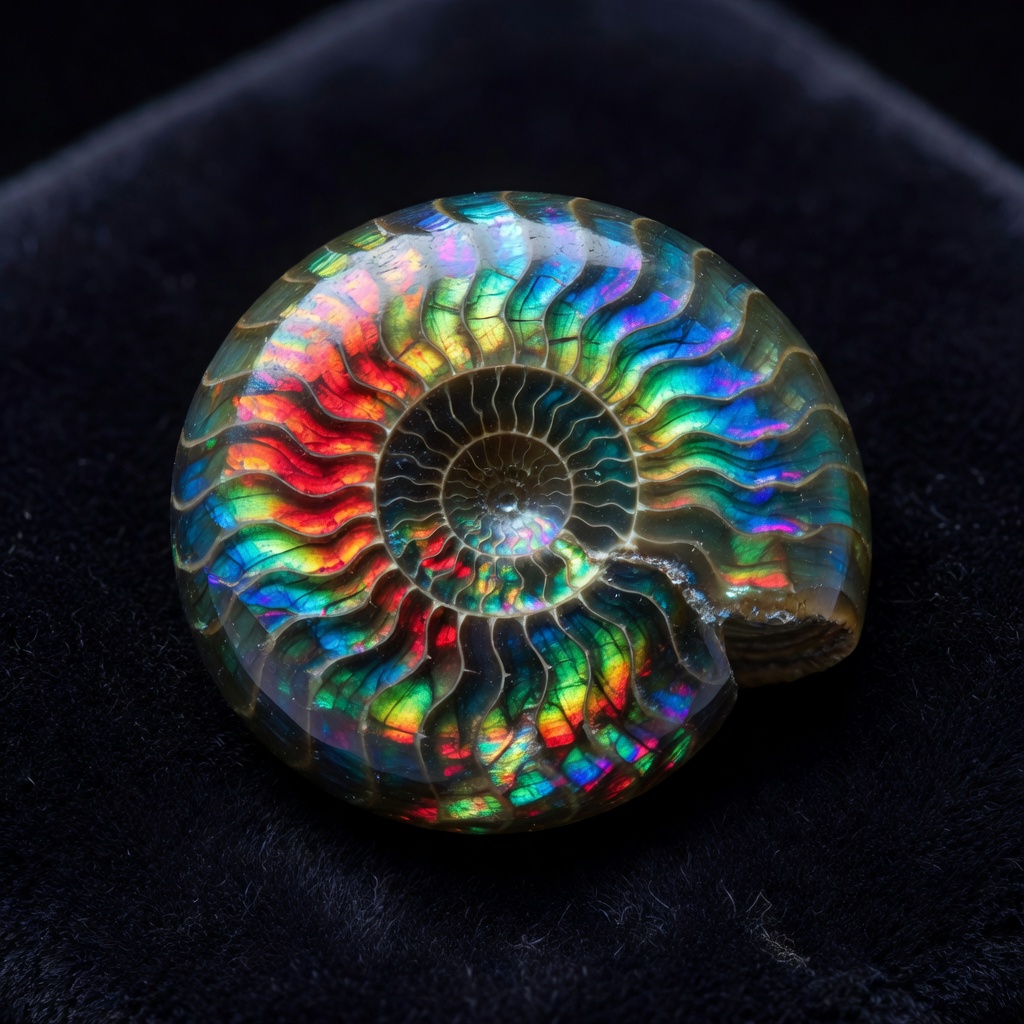
Ammolite represents one of the most fascinating marvels in the gemological world, classified specifically as an organic gemstone derived from the fossilized shells of ammonites, ancient marine mollusks that thrived during the age of dinosaurs. Unlike mineral-based gemstones such as diamonds or rubies formed through igneous or metamorphic processes, this rare material originates exclusively from the Bearpaw Formation located in Southern Alberta, Canada, making it one of the most geographically restricted gems on Earth. In 1981, the province of Alberta officially designated ammolite as its official gemstone, while the Gemological Institute of America (GIA) recognizes it as the rarest colored gemstone commercially available today. Understanding the distinction between gem-quality ammolite and common ammonite fossils proves crucial for collectors, as only specimens displaying sufficient iridescence, structural integrity, and thickness qualify for jewelry use, while the majority of fossilized ammonite fossils found globally lack the necessary gemological properties.
The ammolite gemstone meaning extends beyond mere geological curiosity, embodying millions of years of natural history within its iridescent layers. When examining what is ammolite exactly, gemologists emphasize that it represents a specific subset of fossilized ammonite shells that have undergone unique mineralization processes, transforming prehistoric marine remains into objects of extraordinary beauty. This organic origin places ammolite in an exclusive category alongside pearls, amber, and ivory, though it remains distinct due to its requirement for specific geological conditions to develop gem-quality characteristics. Collectors seeking authentic Canadian ammolite should verify that specimens originate from the authorized mining districts within the Bearpaw Formation to ensure they possess genuine gem material rather than common fossilized ammonite fragments lacking commercial value.
Geological Origins: The Ancient Formation Process
The formation of ammolite spans approximately 70 to 75 million years, dating back to the Late Cretaceous period when the Western Interior Seaway covered much of present-day North America with warm, shallow waters teeming with marine life. During this epoch, ammonite shells settled into the sedimentary layers of what would become the Bearpaw Formation, where intense tectonic pressure and specific mineralization processes transformed the original calcium carbonate into thin, iridescent platelets of aragonite that diffract light into spectral colors. The unique geological conditions required for this preservation included rapid burial in fine-grained bentonite clay sediments, limited oxygen exposure to prevent complete decomposition, and the presence of trace minerals such as iron, magnesium, and vanadium that contributed to the vivid color variations seen in high-quality specimens. The Bearpaw Formation's specific environment—characterized by gentle geological uplift and exceptional sedimentary sealing—created the perfect preservation chamber that allowed these ancient shells to retain their structural integrity while developing the gemstone's characteristic play-of-color.
Understanding ammolite formation provides crucial insight into why this gemstone remains so exceptionally rare compared to other fossilized ammonite gemstone materials found worldwide. While ammonite fossils occur on nearly every continent, only those buried within the specific geological context of Southern Alberta developed the micron-thin aragonite layers necessary to create gem-quality iridescence. The process required not just fossilization, but a specific type of diagenesis where groundwater rich in minerals gradually replaced original shell material while maintaining the precise microscopic structure needed for light interference. Modern mining operations must navigate complex sedimentary layers containing these precious fossils, often excavating through meters of overburden to reach the thin productive zones where gem-bearing concretions formed during the Cretaceous period.
Physical Properties and Gemological Characteristics
From a gemological perspective, ammolite presents unique challenges and characteristics that distinguish it from traditional jewelry stones, beginning with its relatively soft Mohs hardness rating of 3.5 to 4, comparable to materials like fluorite or zinc. The specific gravity typically ranges between 2.75 and 2.80, while the refractive index varies from 1.52 to 1.68 depending on the angle of observation, contributing to its distinctive optical phenomena and depth of color. The structural composition reveals microscopic layers of aragonite platelets stacked like shingles, measuring approximately 0.5 microns thick, which create the brilliant color interference through light diffraction similar to precious opal but with distinct chemical composition. Due to its fragility and natural tendency to delaminate or flake when exposed to air, virtually all commercial ammolite undergoes stabilization treatments and protective capping, resulting in composite stones known as doublets (ammolite plus protective backing) or triplets (protective cap plus ammolite plus backing), which significantly enhance durability while maintaining the gem's natural beauty.
When researching ammolite properties and information, collectors must pay particular attention to the ammolite hardness limitations that dictate appropriate jewelry applications and care requirements. Unlike durable gems suitable for daily wear rings, ammolite requires protective settings and careful handling due to its layered structure that can separate if struck or exposed to extreme temperature changes. The gem's optical properties include pleochroism, where colors shift depending on viewing angles, and an adamantine to resinous luster that contributes to its visual appeal. Laboratory analysis can detect treatments such as polymer impregnation used to stabilize the material, information that reputable dealers should disclose transparently to ensure buyers understand the composite nature of most commercial specimens.
The Spectral Color Spectrum: Grading and Valuation
The ammolite color spectrum follows a strict hierarchy of rarity and value that collectors must understand when evaluating specimens for purchase or investment purposes. While blue and green hues represent the most common colors resulting from standard light diffraction through aragonite layers, the rarest and most valuable specimens display violet, purple, crimson red, and gold tones caused by thicker platelets or unique mineral inclusions that alter light refraction patterns. Professional graders categorize ammolite into three distinct groups: Chromatic stones displaying the full rainbow spectrum across their surface, Phantasmic varieties showing shadow or ghost-like color shifts that appear to move independently of the stone, and Infrared types exhibiting deep red coloration visible only under specific lighting conditions or viewing angles. Pattern types further influence valuation, with Ribbon patterns showing straight parallel color bands, Stained Glass featuring fractured angular segments resembling church windows, Dragon Skin displaying cellular or pebble-like textures, and Floral varieties exhibiting organic flow patterns resembling petals or leaves.
Understanding ammolite value and grading requires familiarity with the brightness grading scale that directly impacts market pricing, ranging from Grade 1 (dull, visible only under strong light) to Grade 4 (brilliant mirror-like reflection visible in dim conditions). Stones achieving Grade 3 or 4 brightness with rare color combinations command premium prices in the gemstone market, particularly those exceeding 10 carats with intact natural backing. The directionality of color also affects value, with specimens showing strong iridescence across multiple viewing angles outperforming those with "dead" zones where color disappears when tilted. Collectors should examine potential purchases under various lighting conditions, including natural daylight and incandescent bulbs, to accurately assess the full ammolite color spectrum present in each unique specimen.
Metaphysical Properties and Spiritual Significance
Beyond its geological significance, ammolite carries profound metaphysical significance across various spiritual traditions, particularly within Feng Shui practices where practitioners refer to it as the "Seven Color Prosperity Stone" or "Korite," believed to represent the harmonious accumulation of cosmic energy derived from millions of years of earth history. Crystal healing practitioners associate this fossilized ammonite gemstone with specific chakra alignments, particularly resonating with the root chakra for grounding and stability, the solar plexus for personal power and confidence, and the third eye for enhanced intuition and spiritual insight. Many believers attribute specific ammolite healing properties to wearing or meditating with these stones, including enhanced prosperity and financial abundance, improved luck in business ventures, and strengthened connections to ancestral wisdom given its ancient origins spanning geological epochs. When incorporated into meditation practices, practitioners often place ammolite on the forehead or hold it during visualization exercises to stimulate creative energy flow, facilitate deeper states of consciousness exploration, and promote overall physical vitality.
The ammolite gemstone meaning in various cultural contexts emphasizes transformation and good fortune, drawing parallels between the ammonite's spiral structure symbolizing continual change and growth, and the gem's ability to assist personal evolution. Feng Shui consultants often recommend placing ammolite in the wealth corner of homes or offices (the southeast sector) to activate prosperity energies, or wearing it as a pendant near the heart chakra to encourage emotional healing and compassion. Some practitioners create crystal grids combining ammolite with clear quartz and citrine to amplify manifestation intentions, while others use the stone during past-life regression sessions to access cellular memories stored within the ancient organic material. While these metaphysical associations lack scientific validation, they contribute significantly to the gemstone's market demand and cultural value, particularly among collectors seeking stones with both aesthetic beauty and spiritual resonance.
Ammolite vs Ammonite: Understanding the Critical Differences
Understanding the critical distinction between ammolite and standard ammonite fossils prevents costly mistakes for novice collectors entering the gemstone market. While museum-grade ammonite fossils from locations like Madagascar or Montana display beautiful external spiral structures and occasionally show surface iridescence, only material from the Bearpaw Formation exhibiting sufficient thickness (typically 0.5mm or greater), intense color saturation, and structural integrity qualifies as jewelry-grade Canadian ammolite. The treatment processes required to stabilize ammolite for wearable jewelry differentiate it further, as raw specimens undergo impregnation with clear resins or polymers to prevent flaking, followed by the creation of doublets or triplets to protect the delicate surface from environmental damage and oxidation. Collectors seeking investment-grade specimens should focus on acquiring solid, untreated pieces with natural backing intact, while those prioritizing wearable jewelry should understand that most commercial ammolite requires protective treatments to function as durable adornment.
When comparing ammolite vs ammonite, it is essential to recognize that all ammolite begins as fossilized ammonite shells, yet not all ammonite fossils qualify as ammolite gemstones. The term "ammolite" specifically refers to gem-quality material suitable for cutting, polishing, and setting into jewelry, whereas "ammonite" describes the fossilized creature itself, which may range from common, non-iridescent specimens to rare scientific-grade fossils with complete shell structure. Commercial distinctions also matter for valuation, as common ammonite fossils might sell for tens of dollars, while verified Canadian ammolite commands prices reflecting its rarity and beauty. Reputable dealers will clearly distinguish between these categories, providing provenance documentation that confirms Bearpaw Formation origin for any material labeled as genuine ammolite rather than simply iridescent ammonite from other localities.
Investment and Market Value Factors
The investment potential of ammolite continues to attract serious gemstone collectors and portfolio diversifiers due to strictly controlled rarity factors including limited mining permits issued by the Canadian government and rapidly depleting accessible deposits within the Bearpaw Formation. Current ammolite price structures reflect extreme variability based on quality parameters, with commercial-grade cabochons featuring blue-green colors typically ranging from $50 to $200 per carat, while premium specimens displaying rare violet or crimson hues with high brightness grades can command $1,000 to $5,000 per carat or higher for exceptional pieces. When compared to other rare gemstones like tanzanite—which faces similar single-source limitations—or red beryl, ammolite demonstrates comparable appreciation potential with the added security of absolute geographic exclusivity that prevents new deposits from suddenly flooding the market. Industry experts predict significant future supply constraints as existing mines exhaust accessible material, suggesting that high-quality specimens purchased today may represent substantial long-term value appreciation for discerning investors willing to hold these unique organic gems.
Accurate ammolite value and grading assessment requires consideration of multiple factors beyond color, including pattern rarity, size, and the presence of natural versus treated backing material. Investment-grade stones typically feature the rarest colors (red, violet, gold), Grade 3 or 4 brightness, and desirable patterns such as Dragon Skin or Ribbon, with larger stones over 15 carats commanding disproportionately higher prices due to extreme scarcity. The market distinguishes between solid natural specimens, which represent the pinnacle of collectibility, and composite doublets or triplets designed for jewelry durability, with natural solids typically appreciating faster due to their unaltered state. Prospective investors should obtain laboratory certification from recognized institutions, verify ethical mining practices, and consider purchasing during market dips to maximize potential returns as global awareness of this rare Canadian gemstone continues expanding among high-end collectors.
Jewelry Design and Protective Setting Options
Designing jewelry with ammolite requires careful consideration of protective setting options that account for the stone's relative softness and layered structure, with bezel settings representing the preferred choice as they encircle the gem with a metal rim that prevents edge chipping and impact damage. Halo settings incorporating diamonds or other protective hardstones around the ammolite perimeter provide both aesthetic enhancement and physical protection, while tension settings should be strictly avoided due to pressure risks that could cause delamination of the delicate aragonite layers. Metal pairings significantly impact the final appearance, with yellow and rose gold enhancing warm color tones like red and gold ammolite, while white gold, platinum, and silver complement cooler blue and green specimens, though all metals should be properly polished to prevent scratching during setting. Pendants and earrings constitute the most practical jewelry forms for daily display, positioning the stone away from impact surfaces, while ammolite rings should feature low-profile designs with substantial protective bezels and be reserved for occasional wear rather than daily activities.
Proper ammolite jewelry care begins with intelligent design choices that minimize exposure to potential damage, such as selecting pieces where the gem sits flush with the metal surface rather than protruding prominently. Jewelers experienced with organic gemstones recommend designing settings that allow some airflow to prevent moisture buildup, which could potentially affect adhesive layers in doublet or triplet constructions over time. For statement pieces, designers often orient ammolite to maximize color display when worn, considering that pendant stones should show their best face when hanging naturally, while ring stones require consideration of hand positioning during normal wear. Custom designs should include provisions for future professional maintenance, ensuring that protective caps can be inspected and replaced if necessary without damaging the underlying gem material.
Essential Care and Maintenance Guidelines
Maintaining ammolite jewelry requires adherence to specific care protocols that acknowledge the stone's sensitivity to environmental factors and chemical exposure inherent to its organic origin. How to clean ammolite properly involves using only mild soap and lukewarm water applied with a soft, lint-free cloth or natural bristle brush, followed by immediate drying with a soft towel; ultrasonic cleaners, steam cleaners, and chemical jewelry dips must be avoided entirely as they can cause delamination, cracking, or color fading in the delicate aragonite structure. Storage recommendations include keeping pieces in individual soft cloth pouches or lined jewelry boxes separate from harder gemstones like diamonds or sapphires that could scratch the surface, and avoiding prolonged exposure to direct sunlight which may gradually fade certain color layers over time. Owners must avoid contact with household chemicals including chlorine, bleach, ammonia, and acids found in cleaning products, as well as cosmetics, hairsprays, and perfumes that can damage the protective cap layers or cause dulling of the iridescent surface.
Comprehensive ammolite jewelry care extends beyond cleaning to include wearing habits and professional maintenance schedules that preserve both beauty and structural integrity. Jewelry should be removed before swimming, bathing, exercising, or performing household chores to prevent exposure to water, sweat, and physical impact that could loosen settings or damage the stone. Professional jewelers recommend quarterly inspections of settings to ensure bezels remain tight and protective caps intact, particularly for frequently worn pieces such as earrings or pendants that experience regular movement. If accidental exposure to chemicals occurs, the piece should be rinsed immediately with clean water and dried thoroughly, followed by examination for any changes in appearance that might indicate damage requiring professional restoration.
Authenticity Verification and Buying Guide
Verifying the authenticity of ammolite purchases protects consumers from the growing market of synthetic imitations, dyed substitutes, and misrepresented common ammonite fossils. Reputable laboratories including the Gemological Institute of America (GIA) and the American Gem Society (AGS) provide certification documents that verify origin from the Bearpaw Formation, treatments applied (doublet, triplet, or solid), and quality parameters including color grade and pattern type. When seeking to buy ammolite, consumers should look for authentic ammolite characteristics such as natural color variation across the surface, microscopic texture patterns visible under magnification, and the typical requirement for protective caps due to natural fragility, whereas synthetic versions often show unnaturally uniform color distribution or perfect geometric patterns that rarely occur in nature. Trusted sources include established Canadian dealers with direct mining connections, reputable auction houses specializing in colored gemstones, and select high-end jewelry retailers who provide detailed provenance documentation and return policies.
Red flags when purchasing online include prices significantly below market value for claimed quality levels, sellers offering "ammolite" from locations other than Alberta, vague treatment disclosures, and inability to provide laboratory certification or detailed photographic evidence of the stone's edges and backing structure. Ethical mining considerations should also influence purchasing decisions, as responsible dealers support sustainable extraction practices that preserve the geological heritage of the Bearpaw Formation while ensuring fair compensation for Indigenous landowners where mining occurs. Prospective buyers should request video footage of stones under different lighting conditions to verify color shifting properties, examine return policies carefully, and verify that sellers provide clear disclosure regarding any stabilization treatments or composite construction essential for the stone's durability.
Frequently Asked Questions About Ammolite
What makes ammolite different from other gemstones?
Ammolite is unique as an organic gemstone formed from fossilized ammonite shells, displaying iridescent colors caused by light interference through microscopic aragonite platelets. Unlike mineral gems, it is exclusively found in Alberta, Canada, and is one of the few biogenic gemstones alongside pearl and amber. The specific geological conditions required for its formation over 70 million years make it the rarest colored gemstone commercially available today, with no other deposits known worldwide.
Is ammolite expensive compared to diamonds or rubies?
High-quality ammolite can be quite expensive, with premium specimens commanding prices comparable to fine opals or sapphires. While commercial-grade pieces may cost $50-$200 per carat, museum-quality stones with rare violet or crimson colors can reach thousands of dollars per carat due to extreme rarity. The limited geographic source and depleting mines contribute to its high value, particularly for investment-grade stones with natural backing and exceptional brightness.
Can ammolite jewelry be worn every day?
Daily wear is not recommended due to ammolite's relative softness (3.5-4 Mohs). It is best suited for occasional wear in protective settings such as pendants or earrings. If worn in rings, they should be reserved for special occasions and removed during physical activities, cleaning, or bathing. The stone's layered structure requires careful handling to prevent scratching, chipping, or delamination of the delicate aragonite platelets.
What colors are most valuable in ammolite gemstones?
While blue and green are most common, the most valuable colors are violet, purple, crimson red, and gold. Stones displaying the full spectral rainbow (chromatic) with high brightness and distinct patterns like 'Dragon Skin' or 'Ribbon' command the highest prices in the market. These rare colors result from specific mineral inclusions and thicker aragonite layers that diffract light differently than the more common blue-green specimens.
Is ammolite technically a fossil or a gemstone?
Ammolite is both—a gem-quality fossil. While all ammolite comes from fossilized ammonite shells, only specimens with sufficient thickness, iridescence, and structural integrity qualify as gemstones. The term 'ammolite' specifically refers to the gem material, distinguishing it from common ammonite fossils found worldwide. This dual nature makes it particularly fascinating to collectors who appreciate both its paleontological significance and its beauty as a jewelry material.
How can I tell if my ammolite is real or synthetic?
Authentic ammolite displays natural color variation, microscopic texture patterns, and typically requires protective caps (doublets/triplets) due to fragility. Synthetic versions often show unnaturally uniform colors or perfect patterns. Always request certification from reputable labs and purchase from established dealers specializing in Canadian gemstones. Real ammolite will also show color shift when viewed from different angles, while imitations may appear static or artificially enhanced.
Does ammolite really have metaphysical or healing properties?
While scientific evidence is lacking, ammolite is highly valued in Feng Shui and crystal healing communities for its supposed ability to attract prosperity, enhance energy flow, and stimulate creativity. It is often called the 'Seven Color Prosperity Stone' and associated with wealth, health, and longevity. Practitioners believe its millions of years of earth energy contribute to its powerful vibrational properties, though these benefits remain matters of personal spiritual belief rather than proven medical fact.
Where does the best quality ammolite come from?
The finest quality ammolite comes exclusively from the Bearpaw Formation in Southern Alberta, Canada, particularly around Lethbridge and the Blood Reserve. This specific geological zone is the only known source of gem-quality material, making ammolite one of the most geographically restricted gemstones in the world. The unique combination of bentonite clay, specific mineral content, and geological pressure found only in this region creates the perfect conditions for producing gem-grade iridescence.