Introduction to Ammolite Gemstones
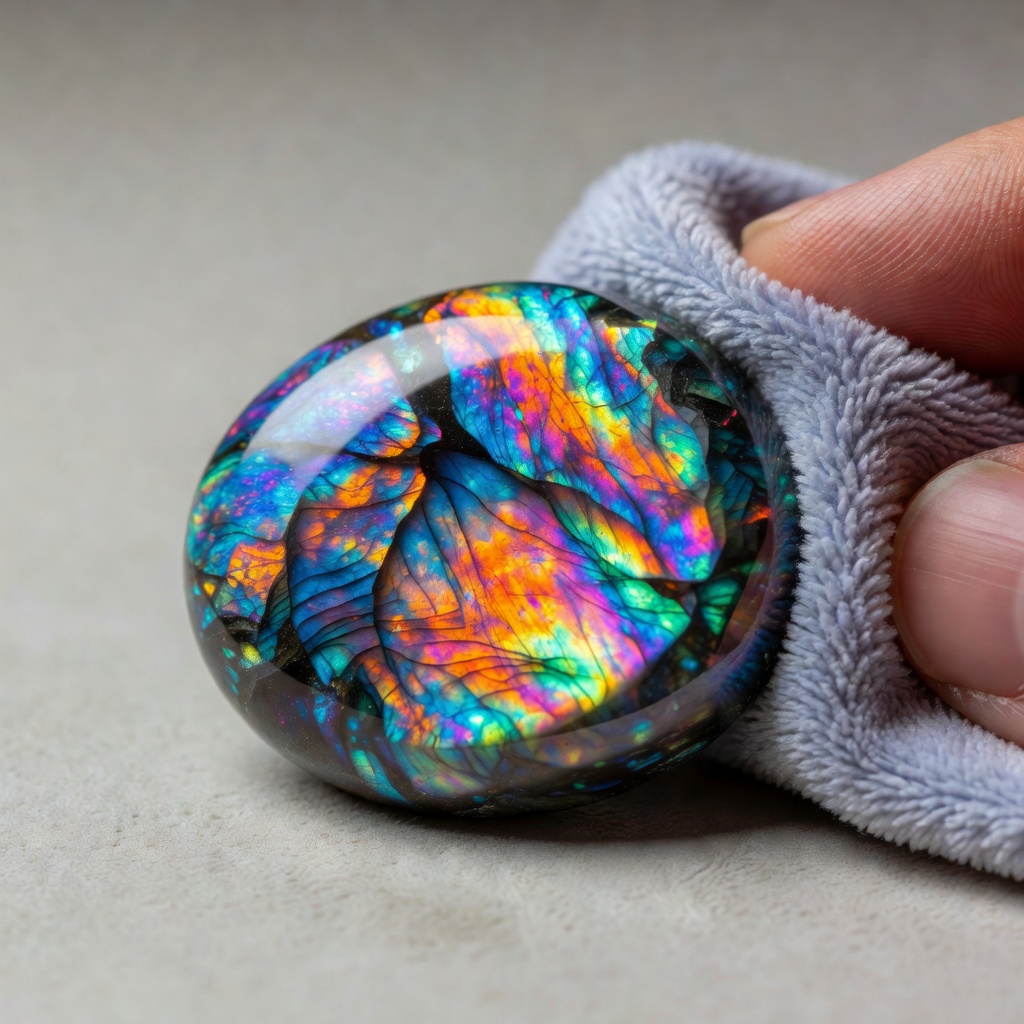
Ammolite represents one of nature's most extraordinary artistic achievements, originating from the fossilized shells of ancient ammonites that thrived in prehistoric seas approximately 71 million years ago. These remarkable organic gemstones are primarily sourced from the Bearpaw Formation in Alberta, Canada, where intense geological pressure and mineralization transformed aragonite-rich ammonite shells into iridescent treasures. Unlike traditional crystalline gemstones such as diamonds or rubies, ammolite possesses a unique layered structure composed of microscopic platelets of aragonite that diffract light to produce a spectacular color spectrum ranging from vibrant crimson and amber to emerald green and royal violet.
The distinctive beauty of ammolite comes with specific vulnerabilities that demand specialized attention compared to mineral-based jewelry. Because these gemstones contain organic material and maintain a relatively porous structure, they respond differently to environmental factors, cleaning agents, and physical stress than their mineral counterparts. Understanding proper Ammolite Care and Cleaning protocols is essential for preserving not only the stone's mesmerizing fire and color play but also its structural integrity for generations to come.
Understanding Ammolite's Unique Properties
Before implementing any maintenance routine, collectors must recognize that ammolite belongs to the category of organic gemstones, sharing characteristics with pearls, coral, and amber rather than quartz or beryl. The gemstone consists of thin, overlapping layers of aragonite, a form of calcium carbonate identical to the material found in nacreous pearls, which creates the interference colors responsible for ammolite's signature iridescence. These delicate lamellae can be as thin as 0.5 microns, making the surface susceptible to scratching, delamination, and chemical erosion that would not affect harder mineral gemstones.
With a Mohs hardness rating of only 3.5 to 4, ammolite is significantly softer than common jewelry materials like quartz (7) or even household dust (which often contains silica particles rated at 7). This relative softness means that routine activities can cause micro-abrasions that dull the surface over time. Furthermore, ammolite gemstone maintenance requires awareness of thermal sensitivity; sudden temperature changes can cause the organic matrix to expand or contract at different rates than the protective quartz cap found in many ammolite doublets and triplets, potentially leading to cracking or separation of layers.
Chemical sensitivity presents another critical consideration for owners. Ammolite reacts adversely to acids, including mild solutions like vinegar or lemon juice, as well as alkaline substances found in many commercial cleaners. Even perspiration, which contains mild acids and salts, can gradually etch the surface if not removed promptly. This chemical vulnerability necessitates immediate cleaning after exposure to any potentially corrosive substances to prevent permanent dulling or pitting of the iridescent surface.
Daily Wear and Handling Guidelines
Implementing proper handling techniques forms the foundation of effective ammolite jewelry care and significantly extends the lifespan of these delicate pieces. When dressing, adopt the "last on, first off" rule: put your ammolite jewelry on after applying cosmetics, hairsprays, and perfumes, and remove it before undressing or engaging in evening routines. This practice minimizes exposure to alcohol-based products and aerosols that can create a film on the gemstone's surface or seep between layers in composite stones, causing cloudiness or adhesive degradation over time.
Physical impact poses the greatest immediate threat to ammolite integrity. Remove rings, pendants, and earrings before engaging in activities that involve hand contact with hard surfaces, including gardening, sports, weightlifting, or household chores. Kitchen activities present particular hazards; exposure to cooking oils, acidic foods like tomatoes or citrus, and thermal shocks from moving between refrigerated environments and hot stoves can damage the gem. Even seemingly harmless activities like swimming laps in a pool or relaxing in a hot tub expose ammolite to chlorine, salt, and temperature extremes that compromise the organic structure.
When handling your ammolite jewelry, touch only the metal settings or edges rather than the stone's face. Natural skin oils, while less damaging than chemicals, can accumulate in microscopic surface irregularities and attract dust that abrades the gem during normal movement. For ring wearers specifically, consider reserving ammolite pieces for special occasions rather than daily wear, as hands inevitably encounter abrasive surfaces throughout the day. If you choose to wear ammolite daily, inspect the setting weekly for loose prongs that might allow the stone to shift and chip against metal components.
Safe Cleaning Methods for Ammolite
Regular, gentle cleaning ammolite jewelry at home requires only basic supplies and careful technique to maintain brilliance without risking damage. Begin by preparing a solution of lukewarm distilled water and two drops of mild, phosphate-free dish soap—avoid moisturizing soaps or those containing antibacterial agents, as these can leave residue. Place a soft towel at the bottom of a clean bowl to prevent impact damage if the piece slips from your fingers, then submerge the jewelry for no more than 30 seconds to loosen surface contaminants.
Using a baby toothbrush with ultra-soft bristles or a specialized jewelry brush, gently sweep across the ammolite surface in a single direction rather than circular scrubbing motions. Pay particular attention to the edges and beneath the stone where skin oils and soap scum accumulate, but apply minimal pressure—let the bristles do the work rather than forcing contact. For intricate settings or carved ammolite pieces, use a soft cosmetic brush to reach crevices where dirt collects. Rinse thoroughly under a gentle stream of lukewarm distilled water, ensuring no soap residue remains that could create a film dulling the iridescence.
Critical warnings regarding professional equipment cannot be overstated: never subject ammolite to ultrasonic cleaners, steam cleaners, or ionic cleaning devices. The intense vibrations from ultrasonic baths can cause microscopic fractures in the aragonite layers to propagate, while steamers introduce thermal shock and moisture penetration between layers in doublet or triplet constructions. Similarly, avoid commercial jewelry dips, ammonia-based solutions, baking soda pastes, and toothpaste, all of which can scratch, etch, or chemically react with the calcium carbonate composition. If home cleaning does not restore luster, professional intervention from a jeweler experienced with organic gemstones is the only safe alternative.
Drying and Polishing Techniques
Proper drying techniques are equally important as the washing process itself when determining how to clean ammolite effectively. After rinsing, immediately place the jewelry on a clean, lint-free microfiber cloth—avoid paper towels or facial tissues that contain wood fibers capable of scratching the 3.5 Mohs surface. Gently pat the piece dry without rubbing; allow the cloth to absorb moisture rather than applying pressure. For pieces with complex settings or carved details, use a clean, soft cosmetic brush to wick away water from recesses where droplets might pool and create water spots.
Air drying completes the process safely when executed correctly. Position the jewelry on a velvet-lined tray or soft cloth in a room-temperature environment away from direct sunlight, heat vents, or fans that could cause rapid temperature fluctuations. Allow at least two hours of air drying before storing to ensure no moisture remains trapped between the stone and its setting, which could lead to metal tarnishing or adhesive weakening in composite stones. Never use hairdryers, even on cool settings, as forced air can drive moisture into microscopic fissures.
Restoring surface luster requires patience and restraint from commercial products. Unlike mineral gemstones that respond well to jeweler's rouge or commercial polishing compounds, ammolite requires only the natural buffing action of a clean microfiber cloth after drying. If the stone appears dull even after cleaning, it may need professional re-polishing rather than home treatment. Do not use silver polishing cloths, which contain chemical agents, or attempt to oil the stone to enhance color—a practice sometimes incorrectly recommended for opals but potentially disastrous for ammolite, as oils can darken the matrix and attract dust.
Proper Storage Solutions
Implementing appropriate ammolite storage tips prevents the majority of preventable damage that occurs when jewelry is not being worn. Always store ammolite pieces individually in soft cloth pouches made of velvet, chamois, or unbleached cotton to prevent contact with harder gemstones. A dedicated compartment in a jewelry box lined with anti-tarnish fabric provides ideal protection, but ensure the lining is silver-safe and non-reactive with calcium carbonate. Never store ammolite in plastic bags, including zip-lock storage bags, as these can trap moisture and create a micro-environment conducive to chemical reactions or mold growth on the organic material.
Humidity control plays a crucial role in long-term preservation. Ammolite thrives in stable environments with moderate humidity levels between 40% and 50%. Excessive dryness can cause the organic matrix to become brittle, while high humidity promotes tarnishing of metal settings and potential delamination of composite stones. Consider placing silica gel packets in your jewelry storage area, but never allow them to touch the ammolite directly. If you live in extremely humid climates, a small dehumidifier in your closet or jewelry cabinet helps maintain optimal conditions.
Separation from other jewelry items prevents accidental scratching and chemical contamination. Store ammolite away from harder gemstones including diamonds (10 Mohs), sapphires and rubies (9), and even quartz (7) commonly found in other jewelry pieces. A practical organizational strategy involves designating a specific drawer or section of your jewelry box for soft organic gemstones like ammolite, pearls, and opals, keeping them separated from harder mineral jewelry. For extensive collections, consider storing ammolite flat rather than hanging pendants or earrings, which reduces stress on settings and prevents the stone from knocking against display hooks.
Professional Maintenance and Inspections
While home care forms the backbone of preservation, professional oversight ensures ammolite protection methods address issues invisible to the untrained eye. Schedule comprehensive inspections with a jeweler experienced in organic gemstones every six to twelve months, depending on wear frequency. During these examinations, the professional should assess prong integrity, checking for wear that might allow the stone to loosen, examine the seal on doublet or triplet constructions for signs of moisture penetration, and evaluate the setting for metal fatigue that could lead to stone loss.
Professional cleaning services for ammolite differ significantly from standard jewelry cleaning. Request that your jeweler use only the gentlest steam or ultrasonic-free cleaning methods specifically approved for organic materials. Many high-end jewelers now offer ozone or specialized ionic cleaning adapted for soft stones, though traditional gentle hand-cleaning remains the safest option. During maintenance visits, ask the jeweler to check for surface scratches that might benefit from professional buffing—this process involves using extremely fine polishing compounds and specialized equipment that remove microscopic layers of damage without compromising the stone's structure.
Know when to seek immediate professional intervention beyond routine maintenance. If you notice cloudiness between layers in a doublet or triplet stone, color changes indicating chemical exposure, or any loose movement of the stone within its setting, discontinue wear immediately and consult a specialist. Re-polishing services can restore deeply dulled surfaces, though this should be required rarely if proper care is maintained. For heirloom pieces or significant investments, consider establishing a relationship with a gemologist who can provide condition documentation and care recommendations tailored to your specific ammolite variety and setting style.
Common Mistakes to Avoid
Understanding what not to do proves equally valuable as knowing proper procedures in ammolite gemstone maintenance. One prevalent error involves exposing ammolite to household cleaning products, including seemingly gentle options like Windex, bleach, or all-purpose sprays. These chemicals can etch the aragonite surface within seconds of contact, causing permanent clouding or pitting that destroys the iridescent play-of-color. Similarly, personal care products present hidden dangers; always apply perfumes, colognes, hairsprays, and lotions before putting on ammolite jewelry, as the alcohol and chemical solvents in these products can dissolve protective coatings or penetrate between stone layers.
Temperature mismanagement causes catastrophic failures that are entirely preventable. Never leave ammolite jewelry in parked cars where interior temperatures can exceed 150°F in summer or drop below freezing in winter. Saunas, hot tubs, and steam rooms are equally hazardous due to the combination of heat, moisture, and rapid temperature transitions. Even moving quickly from a freezing outdoor environment into a heated building can induce thermal shock; allow jewelry to acclimate gradually by wearing it under clothing during transitions or storing it in an interior pocket before entering heated spaces.
Improper storage habits account for many cases of scratched or faded ammolite. Avoid tossing jewelry loosely into a vanity drawer or travel bag where pieces can knock against each other. The practice of leaving ammolite on windowsills or display stands in direct sunlight causes gradual but irreversible color fading, particularly affecting the red and green hues that are most photosensitive. Additionally, never attempt home repairs using superglue or epoxy if a stone loosens; these adhesives can damage the stone's base and create unsightly residue that requires professional removal, potentially causing more damage than the original problem.
Travel and Transportation Tips
Transporting ammolite requires additional precautions beyond standard Ammolite Care and Cleaning protocols to ensure these delicate gems survive journeys unscathed. Invest in a hard-shell travel case specifically designed for delicate gemstones, featuring individual padded compartments that prevent movement and contact with other items. Hard cases provide superior protection against crushing forces in luggage compared to soft jewelry rolls, which offer minimal impact resistance. If traveling by air, always carry ammolite jewelry in your carry-on luggage rather than checked baggage, maintaining control over temperature conditions and avoiding the rough handling typical of cargo compartments.
Documentation serves a dual purpose of insurance protection and care guidance during travel. Carry current appraisal certificates and photographs of your ammolite pieces, particularly when traveling internationally, to facilitate customs declarations and prove ownership if items are lost or stolen. Additionally, research climate conditions at your destination; moving from a dry, high-altitude environment to a humid coastal area, or vice versa, requires acclimatization periods. Allow ammolite jewelry to rest in its closed case for several hours upon arrival before wearing, giving the organic material time to adjust to ambient humidity and temperature gradually.
Hotel room safety involves specific considerations for ammolite. Never leave jewelry on bathroom counters where steam from showers creates rapid humidity changes, and avoid placing pieces on windowsills where afternoon sun can heat the stones dangerously. Use the room safe for storage when not wearing the jewelry, or request the hotel's main safe deposit box for high-value items. When engaging in vacation activities such as swimming, hiking, or spa treatments, leave ammolite securely stored; the combination of unfamiliar environments, increased physical activity, and exposure to sunscreen, salt water, or pool chemicals creates perfect conditions for accidental damage.
Long-Term Value Preservation
Establishing a systematic approach to ammolite jewelry care ensures these extraordinary gemstones retain both their beauty and monetary value over decades. Create a maintenance calendar that schedules bi-monthly home cleanings, bi-annual professional inspections, and annual photography sessions to document the stone's condition. This photographic record should include high-resolution images taken in consistent lighting conditions against a neutral background, allowing you to detect subtle changes in color saturation, surface clarity, or setting integrity that might indicate developing problems requiring intervention.
Understanding the factors that influence resale and heirloom value helps prioritize care efforts. The gem market values ammolite with intense, multicolor displays and minimal surface imperfections most highly, meaning that scratches, chemical etching, or fading significantly impact valuation. Proper documentation of care history, including receipts for professional cleanings and appraisals, adds provenance that appeals to future collectors. For pieces intended as heirlooms, consider creating written care instructions to accompany the jewelry when passing it to the next generation, ensuring that recipients understand the unique requirements of organic gemstone maintenance.
Insurance considerations form an essential component of long-term preservation strategy. Standard homeowner's policies often provide inadequate coverage for fine jewelry, particularly for specialized items like ammolite that require specific replacement sourcing from Canadian deposits. Secure a specialized jewelry insurance policy that covers mysterious disappearance, damage, and loss, with an agreed value clause that accounts for the stone's rarity. Update appraisals every two to three years, as ammolite values have shown steady appreciation due to limited supply from the Bearpaw Formation, ensuring your coverage reflects current replacement costs rather than outdated purchase prices.
Frequently Asked Questions About Ammolite Maintenance
Can I Use Ultrasonic Cleaners to Clean My Ammolite Jewelry?
No, ultrasonic cleaners are unsafe for ammolite. The intense vibrations can cause fractures in the delicate aragonite layers and loosen the gemstone from its setting. Always use gentle hand-cleaning methods with lukewarm water and mild soap instead.
How Often Should I Clean My Ammolite Gemstone?
Clean your ammolite every 2-3 months with regular wear, or immediately after exposure to skin oils, lotions, or perspiration. If worn occasionally, cleaning twice yearly is sufficient. Regular gentle cleaning prevents buildup that could dull the iridescent surface.
Is Ammolite Sensitive to Water Damage?
While brief contact with water won't damage ammolite, prolonged soaking can weaken the organic material and affect the adhesive in doublet or triplet stones. Always dry your gemstone thoroughly immediately after cleaning using a soft cloth.
Can I Wear Ammolite Jewelry Every Day?
Daily wear is possible but not recommended due to ammolite's relative softness (3.5-4 Mohs). It's best reserved for special occasions. If worn daily, remove it during cooking, cleaning, exercising, or any activity involving chemicals or physical impact.
What Should I Do if My Ammolite Loses Its Shine?
If cleaning doesn't restore the luster, consult a professional jeweler who specializes in organic gemstones. Do not use commercial jewelry polishes or abrasive compounds. Professionals can assess whether re-polishing is needed or if the stone requires stabilization.
Does Ammolite Fade in Sunlight?
Yes, prolonged exposure to direct sunlight or UV light can cause ammolite's vibrant colors to fade over time. Store your jewelry in a dark place when not worn, and avoid leaving it in sunny windows or hot cars where heat and light converge.
Can I Shower or Swim While Wearing Ammolite?
Never shower or swim with ammolite jewelry. Chlorine, salt water, and soap residue can damage the surface and potentially penetrate between layers in doublets or triplets. Hot water can also cause thermal shock. Always remove ammolite before water activities.
How Should I Store Ammolite When I'm Not Wearing It?
Store ammolite in a soft cloth pouch or lined jewelry box away from other gemstones. Keep it in a cool, dry place with stable humidity. Avoid plastic bags which can trap moisture, and never store it with harder gemstones that could scratch its surface.