Introduction: Why An Amethyst Buying Guide Matters
Amethyst remains one of the most popular purple gemstones in the world because it’s beautiful, widely available, and versatile for everything from daily-wear rings to collector-grade display pieces. Still, the same name can describe stones with dramatically different color, clarity, durability in wear, and long-term value. That’s why a practical Amethyst Buying Guide matters: it helps you avoid paying “premium” prices for average material and ensures you choose a stone that looks great in real life, not just under bright showroom lights.
The biggest difference between a smart purchase and a disappointing one usually comes down to understanding the core amethyst quality factors—color, clarity, cut, and carat weight—plus treatments and authenticity. Many buyers focus on size first, then wonder why the stone looks washed out once it’s set. With the right amethyst buying tips, you’ll learn how to evaluate the gem the same way professionals do, ask the right questions, and match the stone to your budget and jewelry goals.
In this guide, you’ll learn how to buy amethyst with confidence: what “ideal” color looks like, how inclusions affect beauty, which cuts maximize brilliance, how price per carat really works, and what to know about amethyst treatments. You’ll also get practical checklists for buying online or in person, plus care advice to keep your jewelry looking sharp for years.
What Is Amethyst? Origins, Varieties And Market Overview
Amethyst is the purple variety of quartz, a durable gemstone material that ranks 7 on the Mohs hardness scale. Its purple color typically comes from trace iron and natural irradiation processes in the earth, which is why color can vary widely even within the same mine. Because quartz is relatively abundant, amethyst is generally more affordable than rarer purple gemstones, but top-quality stones can still command strong prices—especially when color is exceptional.
Common sources include Brazil (often large production and broad quality ranges), Uruguay (frequently known for saturated color in smaller sizes), and Zambia (often producing rich purple stones that can show bluish flashes). Origin can influence market perception and pricing, but it should never replace direct evaluation of the stone in front of you. A practical approach is to use origin as “context,” then judge the gem using consistent quality standards and real-world viewing.
You’ll also see variety names that describe appearance rather than strict geography. “Siberian” is often used in trade to suggest a deep purple with red/blue flashes (not necessarily from Siberia), while “chevron amethyst” refers to banded purple-and-white quartz used frequently in beads and carvings. Market trends are driven by fashion cycles (purple jewelry surges), supply fluctuations from major mines, and the availability of higher-grade rough that can be cut into fine gems—factors that all influence amethyst value at any given time.
Practical example: Two “Zambian amethyst” stones may be priced very differently. One might be a deep, even purple that stays vibrant in indoor light, while another could look nice in sunlight but appear dark or brownish indoors. In a smart amethyst buying guide approach, you pay for performance across lighting environments, not just a label.
Color: The Most Important Quality Factor
If you remember one thing from this amethyst color guide, make it this: color drives desirability and price more than any other factor for most amethyst purchases. Professionals assess color using three components—hue (the actual purple shade), tone (lightness to darkness), and saturation (intensity and purity). The goal is a purple that looks vivid without turning so dark it loses life, or so light it reads as pale lavender.
What’s considered “ideal” is typically a deep, even purple with flashes of red or blue under certain angles and lighting. Many buyers love “deep Siberian purple” descriptions because they imply strong saturation and a luxurious look. However, “deep” can become a drawback if the stone is so dark it looks inky indoors—so evaluate color in multiple settings before you decide it’s premium.
Color consistency matters as much as depth. Uneven zoning can be attractive in some collector pieces (and in chevron patterns), but for fine faceted gems it usually lowers value unless it’s subtle and well-positioned by the cutter. A practical tip is to view the gem face-up and then tilt it slowly: if the stone “windows” (looks watery or see-through in the center) or shows blotchy light/dark patches, the cut may not be maximizing color and the pricing should reflect that.
Practical buying tip: Ask the seller for photos or video in at least two lighting types—daylight and indoor warm light. Amethyst can shift in mood under warm bulbs, sometimes looking more reddish or less saturated. When choosing the best amethyst for jewelry, prioritize stones that keep an attractive purple indoors, since that’s where most jewelry is seen.
Clarity And Inclusions: What To Look For
Amethyst is often available in high clarity, so eye-clean stones are common and typically expected for fine jewelry. That said, natural inclusions do occur, including faint “feather” inclusions, small crystals, light color zoning, or subtle internal wisps. These can range from completely harmless (even charming to collectors) to value-reducing if they are prominent, cloud the stone, or threaten durability.
Clarity impacts amethyst value most when inclusions affect brilliance or cause haziness. A clean stone with lively sparkle will look more expensive than a larger stone that appears sleepy or dull. However, inclusions can be acceptable when they are not visible to the naked eye, are placed near the edge where a setting can mask them, or when the stone’s color is exceptional and compensates for minor clarity features.
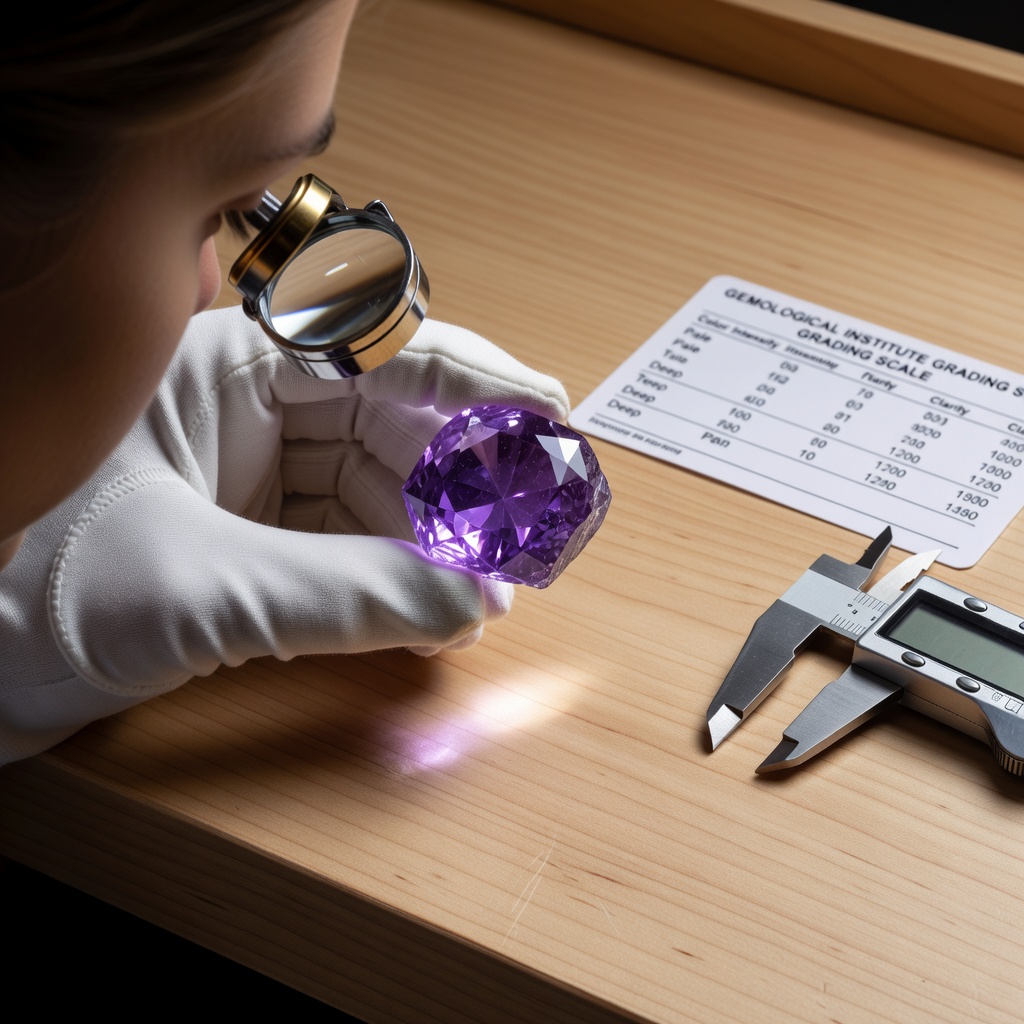
To inspect clarity like a professional, start with naked-eye viewing at 8–12 inches away, then use 10x magnification if available. Check the stone under diffused light (to see overall transparency) and under a pinpoint light (to reveal reflective inclusions). Rotate the gem from multiple angles: a stone may look clean face-up but show a noticeable inclusion from the side, which matters for open-gallery settings like many rings and pendants.
Practical example: If you’re buying an amethyst for an engagement-style ring, prioritize durability-friendly clarity—avoid stones with obvious surface-reaching fractures near corners (especially in emerald or princess-style outlines). If the same inclusion is in a round or oval stone near the girdle, a protective bezel or prongs may make it a reasonable, budget-saving choice. This kind of trade-off is central to how to buy amethyst intelligently.
Cut And Shape: Maximizing Color And Brilliance
Cut quality is the “multiplier” for amethyst’s beauty. Even with great rough color, a poor cut can create windowing (a see-through center), extinction (overly dark areas), or weak brilliance. Because amethyst is abundant, many stones are cut quickly for mass-market production, so it’s worth paying extra attention to proportions, symmetry, and how the stone performs when moved.
Common shapes include oval and cushion (popular because they retain weight and show color well), emerald cut (elegant but more revealing of inclusions and windowing), and round brilliant styles (often maximizing sparkle but sometimes sacrificing size for weight retention). If your priority is showing rich purple, cushions and ovals often provide a flattering balance of depth and face-up size. If your priority is sparkle and “pop,” well-cut rounds and brilliant cushions can look especially lively in indoor lighting.
Choosing shape should match the setting and wear habits. For rings worn daily, shapes with vulnerable corners (like emerald or marquise) need protective settings or careful wear to avoid chipping at edges. For pendants and earrings, you can be more adventurous with shapes because they generally face fewer impacts. As a practical tip for selecting the best amethyst for jewelry, bring (or reference) your setting style before buying: a stone that looks big and bright loose can appear darker once surrounded by metal.
Case study approach: If two stones have similar color and clarity, pick the one that holds color evenly when tilted and shows minimal windowing in the center. Ask for a short rotation video; if the center stays watery while the edges darken, you’re seeing a cut issue, not a “unique look.” Negotiation can be appropriate here because you’re accepting a performance compromise.
Carat Weight, Size Considerations And Price Per Carat
Amethyst is one of the few gemstones where larger sizes can remain relatively affordable compared with rarer stones. However, price per carat still increases with quality, and exceptional color can push pricing well above average market levels. The key is not to chase carat weight blindly; a smaller, vivid purple gem often looks more luxurious than a larger, pale stone, especially once set.
When evaluating size, compare face-up measurements (millimeters) rather than carat weight alone. Two stones can weigh the same but look different in size if one is cut deeper (sometimes done to retain weight). A deeper cut may also darken the stone, which could be good or bad depending on the starting color. Understanding these trade-offs is one of the most useful amethyst buying tips for getting the best visual impact per dollar.
Economies of scale can happen with commercial amethyst: you might find that moving from 2 carats to 5 carats doesn’t triple the price if color and clarity are average. But when color is top-tier—rich, even purple with attractive flashes—larger sizes become harder to find and prices can rise faster. A balanced strategy is to set a “color floor” (minimum acceptable saturation) and then shop for the largest stone that meets it within budget.
Practical recommendation: For a ring centerpiece, many buyers find a 1.5–3.5 carat well-cut oval or cushion offers strong presence without overwhelming the hand or requiring a very high setting. For pendants, you can often go larger without wear concerns, so spending on a bigger stone can make sense if the color holds up in indoor lighting. Always compare several stones side-by-side in similar lighting to judge amethyst value correctly.
Treatments, Enhancements And How To Spot Them
Amethyst treatments exist, and understanding them helps you avoid surprises in color stability and resale expectations. Heat treatment is the most common; it can lighten overly dark stones, modify brownish tones, or even transform some quartz into yellow-to-orange “citrine” (and sometimes into green quartz sold as prasiolite). Irradiation may also be used in some quartz processes, though natural amethyst color formation already involves irradiation in the earth.
Many treated stones are considered acceptable in mainstream jewelry as long as treatment is disclosed. The key is that treatments can influence long-term confidence and resale value, especially for buyers seeking natural, minimally altered gems. If you are buying for collecting, investment, or a higher-end custom piece, you’ll want clear disclosure and possibly a lab report confirming identity and any detected enhancements.
To spot possible treatment issues as a buyer, focus on transparency and seller behavior rather than trying to “outguess” gemology in a living room. Ask directly: “Has this stone been heat treated or otherwise enhanced?” Request any documentation available and look for consistent, credible answers. If a stone shows an unusual color that seems “too perfect,” or if it’s priced far below comparable stones, treat that as a cue to ask more questions—not automatically as proof of treatment.
Testing tip: For higher-value purchases, ask for a report from a recognized lab or a respected independent gemologist who can confirm identity and note treatments when detectable. For everyday jewelry, prioritize reputable sellers with clear treatment disclosures, strong return policies, and accurate photos/videos. In how to buy amethyst responsibly, disclosure and return rights are often more valuable than trying to self-diagnose treatments.
Authenticity, Certification And Testing
Most amethyst on the market is natural quartz, but synthetic amethyst does exist, and imitations (like purple glass) can appear in lower-end channels. Natural vs. synthetic can be difficult to determine confidently without proper equipment, because both can look convincing in casual inspection. This is where seller reputation, transparency, and documentation become major parts of a safe Amethyst Buying Guide strategy.
Lab reports are most useful when the purchase is high-value, when the seller is unknown, or when you need confirmation for insurance. A report may identify the stone as natural quartz (amethyst), note detectable treatments, and sometimes provide additional comments. Keep in mind that not every amethyst requires certification—many beautiful consumer pieces are sold without it—but the option should be available when the price and stakes justify it.
DIY checks can help you screen obvious problems, though they are not final proof. Under 10x magnification, natural amethyst may show natural inclusions, growth features, or mild color zoning, while some synthetics can appear overly uniform. Also look for bubbles (common in glass) and unusually low hardness behavior (glass scratches more easily than quartz). If you’re uncertain, a professional gemologist can verify identity quickly and often at reasonable cost, especially compared to the risk of a costly mistake.
Practical example: If you’re buying a “collector-grade Siberian amethyst” above typical retail pricing, it’s reasonable to request a lab report or arrange an independent appraisal during the return window. If a seller refuses standard documentation or won’t allow an inspection/return period, consider it a red flag and shop elsewhere. This approach protects you while still keeping your buying process efficient.
Where To Buy, Pricing Tips And Negotiation Strategies
You can buy amethyst from local jewelers, online specialist retailers, gem shows, and auction platforms—each with different strengths. Local jewelers let you view stones in person and often provide setting services and aftercare, which is ideal for custom work or long-term maintenance. Online specialists may offer wider selection, better pricing, and detailed media (photos/videos), but you must rely heavily on return policies and accurate product descriptions.
To evaluate pricing fairly, compare stones with similar color performance, cut quality, and clarity—not just similar carat weight. Ask what lighting was used for photos, whether the images were edited, and whether a video is available. Strong consumer protections matter: a clear return window, transparent restocking policies, and a written warranty or service plan can outweigh a slightly lower price from a less reliable source.
Negotiation is most successful when it’s informed and respectful. If a stone shows windowing, visible inclusions, uneven saturation, or lacks documentation at a premium price, those are objective points to discuss. You can also negotiate added value instead of just discount—free resizing, a better chain, upgraded setting metal, or a future cleaning/inspection plan. These are practical amethyst buying tips that often save money without sacrificing quality.
Pre-purchase checklist: Confirm the return period in writing; verify whether treatments are disclosed; ask for face-up millimeter measurements; request photos and video in multiple lighting conditions; and clarify who pays return shipping or restocking fees. For the best amethyst for jewelry, also confirm durability considerations—setting style, protective prongs/bezel options, and whether the stone’s cut suits the design. Buyers who use this checklist typically avoid the two most common regrets: washed-out color and disappointing brilliance once set.
Care, Maintenance And Storing Your Amethyst
Amethyst is durable enough for regular wear, but it still benefits from mindful care to preserve its polish and color. Clean it with warm water, mild soap, and a soft brush, then rinse well and pat dry with a lint-free cloth. Avoid harsh chemicals (like bleach and strong cleaners), and be cautious with ultrasonic or steam cleaners—especially if the stone has inclusions or if you’re unsure about treatments and setting security.
Heat and prolonged intense sunlight can be risky for some amethyst, potentially contributing to color fading over time. Practical wearing tips include removing rings before hot yoga, sauna sessions, or long periods in direct sun, and taking jewelry off before cleaning, swimming, or applying lotions and perfumes. If you wear amethyst daily, these small habits make a noticeable difference in long-term appearance.
Storage matters because quartz can still scratch or be scratched by other jewelry depending on what it’s stored with. Keep amethyst pieces in a separate pouch or a lined jewelry box compartment, and ensure faceted stones aren’t rubbing against harder gems like sapphire or diamond. For rings and frequently worn items, schedule periodic professional inspections to check prongs, tighten settings, and maintain a bright polish—simple maintenance that protects both beauty and investment.
Practical example: If you own an amethyst ring with a high-set design, plan a quick check every 6–12 months. Jewelers can spot loose prongs early, preventing the most expensive “care mistake” of all: losing the stone. In a complete Amethyst Buying Guide mindset, protecting the purchase is part of buying well.
Frequently Asked Questions
What Color Of Amethyst Is Best?
The most prized amethyst color is a deep, vivid purple with even saturation and slight red or blue flashes. Stones described as “deep Siberian purple” are typically highest in value. The best choice also depends on lighting performance, so prioritize a color that stays attractive indoors as well as in daylight.
How Can I Tell If An Amethyst Is Real Or Synthetic?
Look for natural inclusions under magnification, consistent color zoning, and ask for lab certification. Synthetics may show overly uniform color and lack natural growth features; a gemologist can confirm. If the price seems unusually low for the apparent quality, request documentation and ensure there’s a strong return policy.
Are Heat Treatments Common For Amethyst?
Yes. Heat treatment is used to improve or change color; it’s common and accepted if disclosed. Treated stones may have different long-term stability and can affect value, especially for collectors who prefer untreated gems. The safest approach is to ask for treatment disclosure in writing before you buy.
Does Carat Weight Or Color Affect Amethyst Price More?
Color generally has a greater impact on price than carat weight. A smaller stone with exceptional color can be worth more than a larger, pale one. When comparing options, use face-up size in millimeters and evaluate how vivid the stone looks in indoor light.
Should I Ask For A Certificate When Buying Amethyst?
For high-value purchases, yes. A reputable lab report confirms origin, treatments and authenticity. For lower-cost, everyday pieces, certificates are less common but seller transparency still matters, including clear disclosures and a fair return window.
Where Is The Best Place To Buy Amethyst?
Trusted sources include established online specialist retailers, local reputable jewelers, and auction houses. Compare prices, return policies, and request detailed photos or reports before buying. The best place is the one that combines accurate representation, fair protections, and consistent quality.
How Should I Care For My Amethyst Jewelry?
Clean gently with warm soapy water and a soft brush, avoid harsh chemicals and prolonged heat or sunlight exposure, and store separately to prevent scratches. Remove amethyst jewelry before strenuous activity, swimming, or cleaning tasks to reduce risk. Periodic professional inspections help keep settings secure and surfaces polished.