Introduction to Amazonite: The Stone of Courage and Truth
Amazonite stands as one of the most visually captivating gemstones in the mineral kingdom, renowned for its mesmerizing blue-green to turquoise hues that seem to capture the essence of tropical waters. This stunning variety of microcline feldspar has earned its reputation as the "Stone of Courage and Truth," serving as a powerful ally for those seeking emotional balance and authentic self-expression. While many collectors first encounter Amazonite Properties and Information through its striking appearance in jewelry displays, the stone's deeper significance extends far beyond aesthetic appeal into realms of healing, spiritual growth, and personal empowerment.
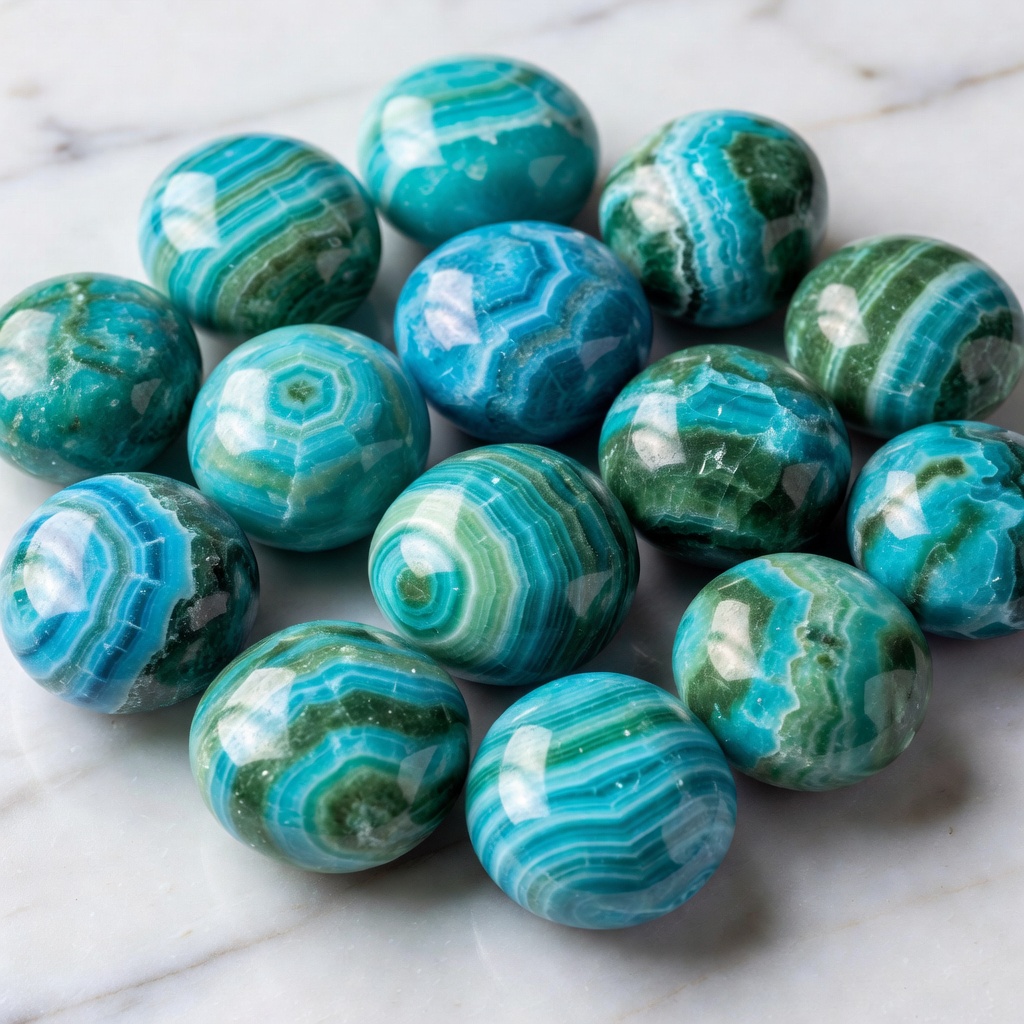
The distinctive coloration of Amazonite ranges from pale mint green to deep aqua blue, often featuring characteristic white streaks or grid-like patterns caused by albite inclusions within the crystal structure. These natural markings create a unique fingerprint for each specimen, ensuring that no two pieces are exactly alike. Historically, the stone received its name from the Amazon River, although interestingly, high-quality deposits were not originally found in that specific region; instead, the name likely arose from associations with the legendary Amazon warrior women who were said to use similar green stones for healing and protection. Today, Amazonite has surged in popularity within modern crystal healing communities and jewelry craftsmanship, adorning everything from delicate pendants to substantial statement pieces that showcase its natural beauty.
Physical and Chemical Characteristics
Understanding the geological composition of Amazonite reveals why this gemstone possesses both beauty and durability for various applications. Chemically classified as a potassium aluminum silicate belonging to the feldspar family, Amazonite crystallizes in the triclinic system, forming prismatic crystals that can grow quite large in optimal conditions. As a Blue-green feldspar, it shares structural similarities with other feldspar minerals like orthoclase and labradorite, yet distinguishes itself through unique trace element inclusions that create its signature color palette.
The Mohs hardness rating of 6 to 6.5 places Amazonite in the moderate range of mineral durability, making it suitable for jewelry though requiring some protection from harder materials. This hardness level means the stone can scratch glass and everyday objects but remains vulnerable to quartz, topaz, and diamond. The color variations observed in Amazonite specimens result primarily from the presence of lead and water content within the crystal lattice, with higher concentrations typically producing deeper, more saturated blue-green tones. Collectors particularly value specimens displaying distinctive grid-like patterns known as "perthitic texture," where intergrown albite creates white streaks against the colored background, though some prefer the rare, almost translucent pieces that exhibit uniform coloration without visible inclusions.
Metaphysical Properties and Healing Benefits
The Amazonite healing properties have made this crystal a staple in therapeutic practices for centuries, offering profound support for emotional wellness and psychological resilience. Practitioners often recommend Amazonite for individuals struggling with anxiety disorders, past trauma, or emotional imbalance, as the stone emits a soothing vibration that helps calm the nervous system and dispel worry. When held during meditation or placed upon the body during energy work, many report experiencing a wave of tranquility that replaces racing thoughts with peaceful clarity, making it particularly beneficial for those navigating high-stress environments or major life transitions.
Beyond emotional stabilization, Amazonite serves as a powerful tool for enhancing communication skills and speaking one's truth with confidence and compassion. The stone encourages authentic expression without aggression, helping users articulate their needs and boundaries clearly while maintaining empathy for others. Many therapists and counselors keep Amazonite in their offices to facilitate open dialogue and honest emotional processing during sessions. Additionally, this crystal supports the establishment of healthy boundaries in relationships, teaching the holder when to say no and how to protect their energy from draining interactions or toxic dynamics without resorting to conflict or withdrawal.
Chakra Alignment and Energy Work
Working with Amazonite chakra connections creates powerful energetic shifts that bridge the gap between emotion and expression. Primarily resonating with the Heart Chakra (Anahata), Amazonite opens the center of compassion and unconditional love, helping to heal emotional wounds and release stored grief or resentment. When placed over the heart center during meditation, the stone's vibrations encourage forgiveness—both of oneself and others—while fostering a deeper connection to inner truth and personal values. This Heart Chakra activation promotes emotional intelligence and the ability to give and receive love without fear of vulnerability or rejection.
Simultaneously, Amazonite influences the Throat Chakra (Vishuddha), creating a harmonious flow between what one feels and what one communicates. This dual activation makes the stone invaluable for writers, speakers, and anyone needing to convey complex emotions with clarity and integrity. In energy work, Amazonite is celebrated for balancing masculine and feminine energies, or yin-yang harmony, within the auric field. Practitioners often incorporate Amazonite into meditation by holding the stone in the receptive hand while visualizing a turquoise light flowing between the heart and throat centers, or by creating crystal layouts that place Amazonite between these two chakras to establish clear energetic communication pathways.
Historical Significance and Ancient Uses
The rich historical tapestry surrounding Amazonite Properties and Information reveals that civilizations have treasured this stone for millennia, often attributing divine or protective powers to its captivating colors. Ancient Egyptian royalty particularly favored Amazonite, with archaeological evidence revealing its use in elaborate jewelry and amulets dating back to the early dynastic periods. Perhaps most famously, artisans incorporated Amazonite into the iconic gold death mask of Tutankhamun, where the stone's green hues symbolized fertility, rebirth, and the regenerative powers of the Nile. Egyptian papyri and tomb paintings frequently depict pharaohs wearing Amazonite beads and pectorals, believing the stone connected them to the goddess Ma'at and the principles of truth and cosmic order.
Moving eastward, Mesopotamian cultures utilized Amazonite in cylinder seals and protective amulets as early as 7000 BCE, carving intricate designs that were rolled onto clay to create signatures or magical inscriptions. The stone also appears prominently in the mythology of Amazon warrior women, who were said to adorn their shields and weapons with green stones to ensure victory and healing in battle. Indigenous cultures throughout North and South America traditionally used Amazonite for medicinal purposes, grinding the stone into powders for topical treatments or placing pieces directly on the body to reduce fever and heal skin conditions. These ancient applications demonstrate a consistent cross-cultural recognition of Amazonite's soothing and restorative qualities that continues into contemporary healing practices.
Identifying Genuine Amazonite vs. Imitations
As the Amazonite meaning and popularity have grown in the crystal market, so too has the prevalence of imitations and treated stones designed to mimic its appearance. Genuine Amazonite exhibits natural color variations that rarely appear perfectly uniform; instead, authentic specimens display subtle shifts from blue to green, often accompanied by the characteristic white streaks or grid patterns of albite inclusions. When examining a piece, look for slight irregularities in color distribution and texture—these natural imperfections actually confirm authenticity rather than detract from value. Imitations, particularly dyed howlite or jade, typically present overly vibrant, uniform colors without the nuanced depth seen in natural specimens.
Several practical testing methods can help distinguish real Amazonite from synthetic alternatives or dyed substitutes. The Mohs hardness test provides a reliable indicator: genuine Amazonite rates 6-6.5, meaning it can scratch glass but will be scratched by quartz or a steel knife blade. Under UV light, natural Amazonite typically shows weak fluorescence or remains inert, while some dyed materials may exhibit unusual glowing reactions. Quality grading depends significantly on color intensity and clarity, with the most valuable pieces displaying deep blue-green saturation with minimal clouding. When purchasing high-value specimens, request certification from reputable dealers or gemological laboratories to ensure you are investing in authentic Amazonite rather than treated alternatives.
Practical Applications and Daily Use
Incorporating Amazonite benefits into daily routines requires thoughtful intention but offers substantial rewards for consistent practice. Wearing Amazonite jewelry—particularly necklaces that rest near the heart or throat chakras—provides continuous energetic support throughout the day, helping maintain emotional equilibrium during challenging interactions or stressful work environments. Many professionals choose to wear Amazonite bracelets on their dominant hand when entering negotiations or difficult conversations, believing the stone enhances diplomatic communication while protecting against electromagnetic pollution from computers and smartphones. For maximum effect, choose pieces that allow the stone to touch the skin directly, facilitating the transfer of vibrational energy into the body's biofield.
Strategic placement of Amazonite within home and office environments creates protective sanctuaries against electromagnetic frequencies (EMFs) and negative energies. Positioning tumbled stones near Wi-Fi routers, computer workstations, or television sets helps filter harmful radiation while promoting a calming atmosphere conducive to concentration and creativity. During particularly stressful moments, holding a polished Amazonite worry stone or palm stone activates acupressure points in the hand while simultaneously absorbing anxious energy through the stone's soothing vibrations. Crystal practitioners often incorporate Amazonite into manifestation grids focused on abundance, courage, or clear communication, combining it with citrine for prosperity work or clear quartz to amplify its specific intentions.
Proper Care, Cleansing, and Maintenance
Understanding proper Amazonite crystal care ensures that your specimen maintains both its physical beauty and energetic potency throughout years of use. Due to its feldspar composition containing microscopic fractures and cleavage planes, Amazonite requires gentle handling and cleaning methods that avoid harsh chemicals, ultrasonic cleaners, or prolonged water exposure. While brief rinsing under lukewarm water is generally safe for removing surface dust, soaking the stone can cause water infiltration into tiny cracks, potentially leading to structural weakness or clouding over time. Instead, clean your Amazonite using a soft, damp cloth with mild soap if necessary, drying immediately with a lint-free towel to prevent water spots or mineral deposits.
Charging and cleansing your Amazonite revitalizes its energetic properties when they become depleted through regular use. Safe charging techniques include placing the stone under full moonlight overnight, particularly during the waxing moon phases when lunar energy supports growth and renewal. Alternatively, resting Amazonite on a selenite slab or within an amethyst geode provides gentle, continuous clearing without risk of damage. For earth-connected cleansing, burying the stone in soil for twenty-four hours allows it to discharge accumulated negative energies and reconnect with grounding forces. Store Amazonite separately from harder gemstones to prevent scratching, ideally wrapped in natural silk or stored in a padded box away from direct sunlight, which can gradually fade its vibrant colors. Recognize that your crystal needs cleansing when it feels energetically heavy, appears visibly dull, or when you intuitively sense it has absorbed excessive emotional debris.
Global Sources and Mining Locations
The geographic origins of Amazonite significantly influence its color characteristics, quality, and energetic signatures, making provenance an important consideration for collectors and healers alike. Colorado's Pikes Peak region produces some of the world's most prized specimens, particularly from the Crystal Peak area near Florissant, where Amazonite forms in granite pegmatites alongside smoky quartz and albite. These Colorado specimens are renowned for their deep, saturated blue-green colors and distinctive white streak patterns that create dramatic contrast within the stone. The mining history in this region dates back to the late 1800s, with collectors still uncovering exceptional specimens through careful excavation and responsible collecting practices.
Russian deposits in the Ilmen Mountains of the Southern Ural range historically supplied imperial courts with fine Amazonite, often displaying slightly lighter, more translucent qualities than American material. Madagascar has emerged as a significant contemporary source, producing stones with intense color saturation that appeal to jewelry designers worldwide. Secondary sources including Brazil, Australia, and Zimbabwe offer variations in color from pale aqua to deep teal, each carrying slightly different mineral inclusions that affect the stone's appearance and perceived energy. As demand for ethical sourcing grows, responsible consumers increasingly seek Amazonite from mines practicing environmental restoration and fair labor standards, recognizing that the stone's healing properties align best with crystals harvested through sustainable and humane methods.
Choosing and Working with Your Amazonite
Selecting the right Amazonite piece involves balancing practical considerations with intuitive guidance, ensuring that your crystal serves your specific needs and resonates with your personal energy field. When visiting crystal shops or browsing online collections, hold potential pieces in your receptive hand (typically the non-dominant hand) and notice any temperature changes, tingling sensations, or emotional responses that indicate energetic compatibility. For jewelry purposes, examine the stone's setting to ensure it protects vulnerable edges while allowing maximum skin contact. Raw specimens work excellently for grid work and home altars, while polished palm stones or worry stones suit daily carrying and stress relief applications.
Combining Amazonite with complementary crystals creates synergistic effects that amplify specific intentions and healing outcomes. Pairing Amazonite with moonstone enhances emotional healing and intuitive development, while combining it with black tourmaline provides grounding and protection during boundary-setting work. Clear quartz clusters can charge Amazonite between uses, while rose quartz alongside Amazonite creates powerful heart-opening combinations for relationship healing. To program your stone with specific intentions, hold it in meditation while clearly visualizing your desired outcome, speaking your goals aloud, or writing them on paper placed beneath the crystal. Building a long-term relationship with your Amazonite requires regular interaction—meditate with it weekly, cleanse it monthly, and treat it as a living ally that grows more attuned to your energy with each passing season.
Frequently Asked Questions
What are the main healing properties of Amazonite?
Amazonite primarily promotes emotional healing by calming anxiety, alleviating worry and fear, and supporting trauma recovery. It enhances communication abilities, helps establish healthy boundaries, and filters electromagnetic pollution from electronic devices.
How can I tell if my Amazonite crystal is real?
Genuine Amazonite displays natural color variations including white streaks or lines (albite inclusions), has a Mohs hardness of 6-6.5 (can scratch glass but quartz scratches it), and shows a vitreous to pearly luster. Fake specimens often have uniform, overly vibrant colors without natural inclusions.
Which chakra is Amazonite associated with?
Amazonite primarily resonates with the Heart Chakra (Anahata) for emotional healing and compassion, while also activating the Throat Chakra (Vishuddha) to facilitate honest communication and self-expression. It creates a bridge between feeling and speaking truth.
Can Amazonite go in water for cleansing?
While brief rinsing is generally safe, Amazonite should not be soaked for extended periods due to its feldspar composition containing small fractures that can absorb water. Safe alternatives include smudging with sage, placing on selenite, or using moonlight charging.
Where does the highest quality Amazonite come from?
The most prized Amazonite specimens come from the Pikes Peak region in Colorado, USA, known for deep blue-green colors and white streak patterns. Other notable sources include Russia's Ilmen Mountains, Madagascar, and Brazil, each producing slightly different color variations.
Is Amazonite safe to wear every day?
Yes, Amazonite is safe for daily wear with a hardness of 6-6.5, though it should be protected from hard knocks and harsh chemicals. It's excellent for jewelry worn near the heart or throat to maximize its energetic benefits throughout the day.
What zodiac signs benefit most from Amazonite?
While beneficial for everyone, Amazonite particularly supports Virgo (enhancing communication and reducing worry) and Aquarius (promoting emotional balance). It also aids Aries in tempering aggression and helps Scorpios with emotional transformation.
How do I cleanse and charge my Amazonite crystal?
Cleanse Amazonite by smudging with palo santo or sage, sound cleansing with singing bowls, or placing on a selenite slab. Charge it under full moonlight, bury in earth for 24 hours, or place near clear quartz. Avoid salt water and direct sunlight which may fade its color.