
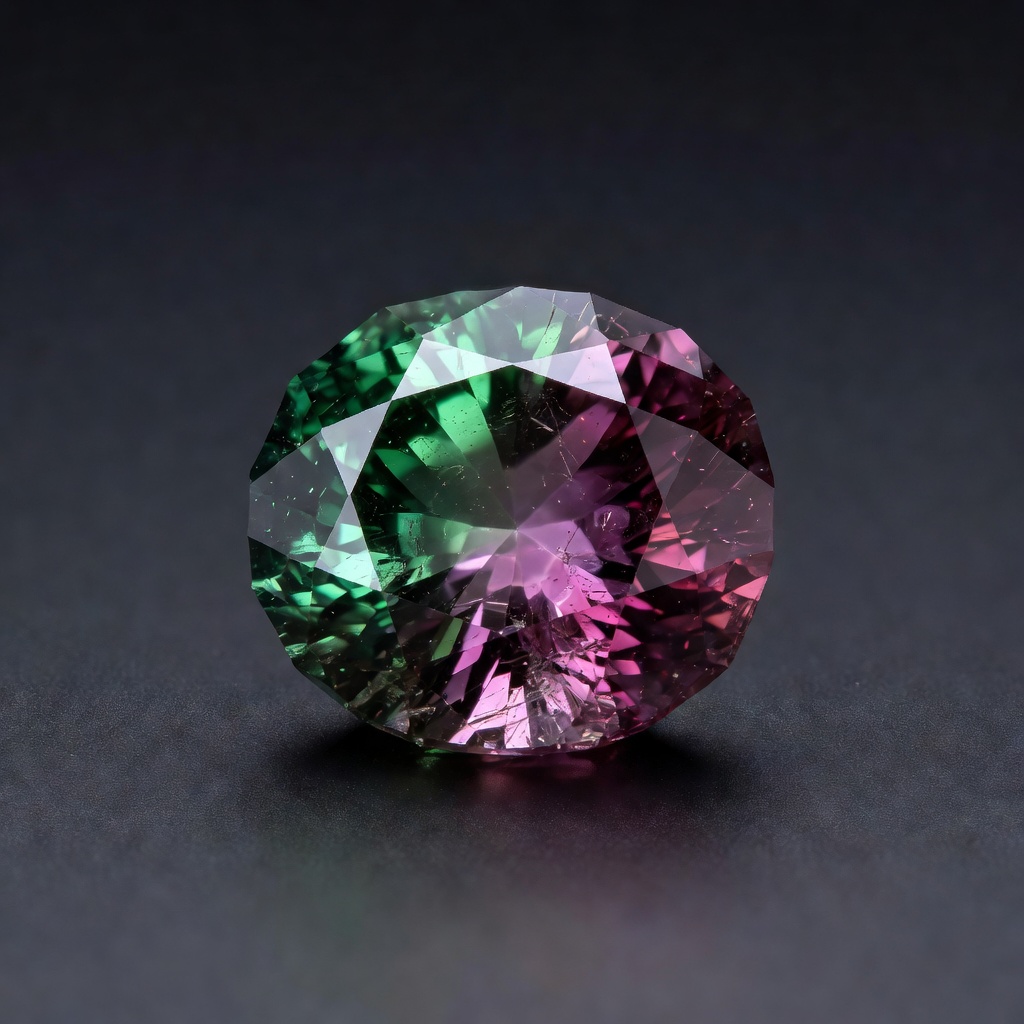
What Is Alexandrite? Understanding This Rare Gemstone
Alexandrite stands as one of the most fascinating and coveted varieties of the chrysoberyl mineral family, distinguished by its remarkable chromium content that enables its famous color-changing ability. Unlike other gemstones that maintain a single hue regardless of lighting conditions, this extraordinary alexandrite gemstone transforms before your eyes, shifting between vibrant green and rich purple-red depending on the light source. Its discovery in 1830 within Russia's Ural Mountains marked a pivotal moment in gemological history, with miners initially believing they had found emeralds until the stones revealed their crimson nature by candlelight that evening.
The gem received its name in honor of Tsar Alexander II, as it was reportedly discovered on the future emperor's sixteenth birthday, and its red and green colors coincidentally matched the military colors of Imperial Russia. Today, alexandrite holds the prestigious position as one of June's birthstones alongside pearl and moonstone, while also serving as the traditional gift for 55th wedding anniversaries. When compared to other color-change gemstones such as sapphire, garnet, or diaspore, alexandrite remains the undisputed gold standard due to the dramatic contrast and vivid saturation of its transformation, setting a benchmark that no other gem has successfully replicated despite numerous attempts.
The Remarkable Color Change Phenomenon Explained
The defining characteristic of color change alexandrite manifests as a dramatic shift from emerald green or blue-green in daylight and fluorescent lighting to raspberry red or purple-red under incandescent light or candlelight. This transformation is not merely a subtle tint variation but a complete metamorphosis that appears almost magical to observers witnessing it for the first time. The phenomenon occurs because chromium ions within the crystal structure absorb specific wavelengths of light, transmitting the green portion of the spectrum in daylight-rich environments while reflecting red wavelengths under artificial lighting conditions rich in yellow and red tones.
Gemologists distinguish this "alexandrite effect" from ordinary pleochroism, which refers to a gemstone showing different colors when viewed from different crystallographic directions. While pleochroism is common in many gems including tourmaline and iolite, true color change involves the actual absorption and transmission of different light wavelengths based on the spectral output of the light source itself. The quality of this color change varies significantly among specimens, with the most valuable stones displaying a complete 100% shift with high saturation in both color phases, whereas lower-quality material might show only a muddy 5-10% change that appears brownish or grayish in certain lighting conditions.
Several factors affect the quality and desirability of the color change phenomenon. The intensity of the shift depends on the concentration and distribution of chromium within the crystal lattice, with higher chromium content typically producing stronger color changes. Hue saturation plays a crucial role in valuation, as pure emerald green transitioning to raspberry red commands significantly higher premiums compared to stones that appear yellowish-green or brownish-red. Additionally, the completeness of the change matters; ideal specimens maintain their full color saturation across the entire stone without zoning or windowing effects that dilute the visual impact.
Physical and Chemical Properties of Alexandrite
Understanding the alexandrite properties requires examining its fundamental composition as beryllium aluminum oxide, represented chemically as BeAl₂O₄, with trace chromium impurities substituting for aluminum in the crystal lattice to create the color-change effect. This chrysoberyl mineral crystallizes in the orthorhombic system, forming distinctive tabular or prismatic crystals that often display striations parallel to their length. With a specific gravity of 3.73 and a refractive index ranging from 1.74 to 1.75, alexandrite possesses optical characteristics that gemologists use to distinguish it from simulants and synthetic counterparts.
One of the most practical alexandrite properties for jewelry applications is its impressive Mohs hardness rating of 8.5, making it significantly more durable than popular gems like emerald (7.5-8), tanzanite (6.5-7), or opal (5.5-6.5). This hardness level ensures that alexandrite can withstand the rigors of daily wear without scratching easily, though it remains slightly softer than sapphire and diamond. The combination of excellent hardness with no cleavage planes makes alexandrite resistant to breaking and chipping, ideal for rings and bracelets that receive frequent impact.
Microscopic examination reveals characteristic inclusions that serve as fingerprints for identification and origin determination. Natural alexandrite frequently contains parallel liquid feathers resembling fingerprint patterns, two-phase inclusions containing liquid and gas bubbles, and distinctive twinning planes that appear as parallel lines under magnification. These inclusions, while potentially affecting clarity grades, actually help gemologists confirm natural origin when distinguishing genuine stones from synthetic equivalents. Brazilian material often displays hollow tubes or negative crystals, while Russian specimens might contain actinolite needles, providing clues to the gem's geological source.
Alexandrite Value Factors: What Determines Worth?
Determining alexandrite value requires understanding a unique set of criteria where color change intensity outweighs all other factors combined, creating a valuation system distinctly different from diamonds or other colored gems. The most critical assessment involves evaluating the completeness of the color shift, with premium stones displaying a dramatic 100% change from vivid emerald green to saturated raspberry red, while lesser specimens might exhibit only a subtle 5-15% shift appearing as a muddy olive to brownish-purple transition. This color change quality can affect pricing exponentially, with top-tier stones commanding ten to twenty times the price per carat of material showing weak or incomplete transformations.
Clarity grading in natural alexandrite follows different standards than diamond clarity, as collectors and connoisseurs often accept inclusions that would significantly devalue other gemstones if they confirm natural origin or do not severely impact the color change display. Eye-clean stones with strong color change represent the pinnacle of the market, but slightly included specimens with exceptional color phenomena still retain substantial value. However, heavy inclusions that create a "sleepy" appearance, reduce transparency, or interfere with light return can diminish value significantly, particularly when they cause the stone to appear dark or "closed" in certain lighting conditions.
Carat weight creates exponential pricing premiums in alexandrite due to extreme rarity, with stones over one carat constituting only a small percentage of mined material and specimens exceeding five carats approaching museum-piece status. While a fine quality 0.5-carat alexandrite might retail for $5,000 to $10,000 per carat, equivalent quality stones in the 2-3 carat range could command $20,000 to $40,000 per carat, with Russian-origin material over 5 carats potentially exceeding $50,000 per carat at auction. Cut quality significantly impacts value as well, with precision cutting required to orient the crystal properly to maximize the color change while maintaining brilliance and avoiding windowing effects that allow light to pass through without reflection.
Primary Sources and Mining Origins Worldwide
The legendary deposits of Russia's Ural Mountains established the benchmark for natural alexandrite quality, producing stones with the most vivid emerald green to raspberry red transitions ever discovered. These historic mines, particularly those near Tokovaya and Malysheva, yielded material with intense saturation and complete color changes that remain the standard against which all other alexandrite is measured. Unfortunately, the Russian deposits were essentially depleted by the late 19th century, making Ural Mountain alexandrite among the rarest and most valuable gem materials on Earth, with existing specimens primarily residing in private collections, museums, or estate jewelry pieces.
Modern alexandrite sources center primarily on Brazil, specifically the Hematita mine in Minas Gerais, which has produced some of the largest faceted alexandrites in existence including stones exceeding 20 carats. Brazilian material typically displays slightly more yellowish-green tones in daylight compared to the pure emerald green of Russian stones, though exceptional specimens rival the Urals material in color change intensity. Sri Lankan (Ceylon) alexandrite presents different characteristics, generally appearing in lighter tones with a more subtle color shift from olive green to brownish-red, though occasionally producing fine quality material with distinct color changes that command premium prices.
East African deposits in Tanzania, Madagascar, and more recently Zimbabwe have significantly impacted modern market availability, providing material that bridges the gap between Sri Lankan and Brazilian characteristics. Tanzanian alexandrite often displays strong color changes with purple-blue daylight colors shifting to purple-red under incandescent light, creating a slightly different but highly attractive color combination. These African sources have made alexandrite more accessible to collectors who cannot afford Russian premiums, though they rarely produce the classic emerald green to pure red combination that defines the ultimate alexandrite standard.
Natural vs Synthetic Alexandrite Identification
Distinguishing natural alexandrite from synthetic alexandrite requires gemological expertise and microscopic examination, as laboratory-grown material shares identical chemical composition and physical properties with its natural counterpart. The primary synthesis methods include flux-grown processes that mimic natural formation conditions over months rather than millennia, Czochralski-pulled crystals created from melted material drawn into boules, and hydrothermal growth using water-based solutions under high pressure and temperature. Each method produces characteristic features visible under magnification, with flux-grown stones often displaying platinum seed plates or flux inclusions resembling wispy veils, while Czochralski material typically appears too clean with curved growth lines rather than the straight lines found in natural crystals.
Advanced identification relies on examining internal characteristics and growth patterns that betray synthetic origins. Natural alexandrite contains unique inclusions such as two-phase fluid inclusions, growth zoning, and mineral crystals that formed during millions of years of geological processes, whereas synthetics might show metallic inclusions from crucibles, undulating growth structures, or unnaturally perfect clarity. Spectroscopic analysis provides definitive identification, as natural stones display distinct absorption spectra related to their chromium content and formation environment, though this requires specialized equipment available at major gemological laboratories.
The price differential between natural and synthetic material spans a factor of 10 to 100 times, making proper identification crucial for consumer protection and investment security. While a high-quality synthetic alexandrite might cost $100 to $500 per carat, equivalent natural material commands $5,000 to $50,000 per carat depending on origin and quality. This dramatic value difference necessitates purchasing only stones accompanied by reports from reputable laboratories such as GIA (Gemological Institute of America), AGL (American Gemological Laboratories), or SSEF (Swiss Gemmological Institute), which provide origin determination and treatment disclosure essential for verifying natural status.
Proper Care and Maintenance for Alexandrite Jewelry
Maintaining the beauty of your alexandrite gemstone requires understanding proper alexandrite care techniques that protect both the stone and its setting through daily wear and long-term storage. For routine cleaning, prepare a solution of warm water with mild dish soap and use a soft-bristled brush to gently remove accumulated oils and debris from the surface and beneath the setting. While ultrasonic cleaners are generally safe for alexandrite due to its 8.5 hardness and lack of cleavage, exercise caution with stones containing significant inclusions or fractures, as the vibrations might potentially worsen existing weaknesses in heavily included specimens.
Storage practices play a vital role in preserving your jewelry's condition, as alexandrite, despite its excellent hardness, can still be scratched by harder materials like diamond, sapphire, or moissanite. Store alexandrite pieces in individual soft cloth pouches or separate compartments in a jewelry box to prevent contact with other gems that might cause abrasion. Avoid exposing alexandrite to harsh household chemicals including bleach, ammonia, and chlorine, as these substances can potentially damage the metal setting and, over time, might affect the surface polish of the gemstone itself, particularly with prolonged exposure.
Protect your alexandrite from extreme temperature shocks, such as moving quickly from freezing outdoor conditions into heated interiors, as rapid thermal expansion could theoretically stress inclusions within the stone. Remove alexandrite rings before engaging in activities like gardening, rock climbing, or heavy household cleaning to prevent physical impact that might chip the stone or loosen the setting. Schedule annual professional inspections with a qualified jeweler who can check prong integrity, clean hard-to-reach areas safely, and examine the stone for any developing chips or scratches that require attention before they worsen.
Alexandrite in Jewelry Design and Symbolic Meaning
Contemporary jewelry designers favor protective settings for color change alexandrite that maximize both security and light exposure to showcase the gem's unique optical properties. Bezel settings, which encircle the stone with a rim of metal, provide excellent protection for daily wear rings while allowing sufficient light entry to display the color change phenomenon. Halo designs surrounding alexandrite with small diamonds create a frame that enhances the perceived size of the center stone while adding brilliance that complements the gem's own light performance, making these styles particularly popular for engagement rings and statement pieces.
Beyond its physical beauty, alexandrite gemstone carries rich metaphysical associations in crystal healing traditions, believed to bring balance between the physical and spiritual realms while enhancing creativity, joy, and self-esteem. Practitioners associate alexandrite with the crown chakra and heart chakra simultaneously, suggesting it helps bridge intellectual thought with emotional wisdom, perfectly mirroring its dual-color nature. The stone's reputation for bringing good fortune and love dates back to Victorian era jewelry, where it was often gifted as a token of eternal devotion due to its association with balance and constancy despite its changing appearance.
The historical significance of alexandrite extends deeply into Russian imperial history, where it was prized by the aristocracy and frequently set in royal regalia before the revolution. Modern trends have witnessed a resurgence in alexandrite engagement rings among couples seeking unique alternatives to diamonds, with the stone's symbolism of balance and adaptability resonating with contemporary values. Collectors increasingly view high-quality alexandrite as wearable investment pieces, commissioning custom designs from renowned jewelry houses that treat these rare gems as the centerpieces of heirloom-quality creations destined to appreciate in both monetary and sentimental value across generations.
Investment Potential and Market Analysis
The investment landscape for fine natural alexandrite continues to strengthen as depleting mines and increasing collector demand create a supply-demand imbalance that drives consistent appreciation. Unlike diamonds or other gems with established mining operations producing steady supplies, alexandrite deposits yield extremely limited quantities of gem-quality material, with some years seeing fewer than a dozen significant stones entering the market worldwide. Recent auction results demonstrate this scarcity premium, with top Russian specimens exceeding $50,000 per carat and exceptional Brazilian stones regularly achieving $20,000 to $30,000 per carat at major auction houses like Christie's and Sotheby's.
Market analysis reveals growing demand particularly in Asian markets, where wealthy collectors in China, Japan, and Thailand increasingly recognize alexandrite as a status symbol and portfolio diversifier alongside traditional investments like jadeite and ruby. The gem investor community has begun viewing alexandrite as a "sleeper" investment, noting that while prices have risen steadily, they remain undervalued compared to Paraíba tourmaline or fine ruby on a per-carat basis relative to rarity. This trend suggests significant upside potential as awareness spreads among high-net-worth individuals seeking tangible assets with historical performance data supporting long-term appreciation.
Critical to maximizing investment alexandrite value is obtaining comprehensive documentation including origin reports from laboratories capable of distinguishing between Russian, Brazilian, and other sources, as origin significantly impacts resale value. Stones accompanied by Gübelin, SSEF, or AGL reports commanding "Classic™" or "Imperial" designations for Russian origin achieve premiums of 50-100% over similar quality stones from other localities. Investors should focus on untreated stones with strong color change, eye-clean clarity, and weights exceeding one carat, as these specifications represent the sweet spot for liquidity and appreciation potential in the current market environment.
Expert Buying Guide: How to Select Quality Alexandrite
When evaluating alexandrite properties for purchase, conducting essential viewing tests under multiple light sources represents the most critical step in assessing quality and alexandrite value. Always examine potential purchases under both natural daylight (or equivalent fluorescent lighting) and incandescent light (or warm LED equivalent) to verify the color change intensity and ensure the saturation meets your expectations. Request that dealers show the stone under different lighting conditions before committing to purchase, as some stones appear attractive under jewelry store spotlights but show weak color changes in natural lighting, significantly affecting their long-term satisfaction and resale potential.
Certification requirements cannot be overstated when investing in natural alexandrite; insist on reports from GIA, AGL, or SSEF that specifically state "Natural Alexandrite" and disclose any treatments or enhancements. Be wary of vague reports that simply identify the material as "alexandrite" without the "natural" designation, as this could indicate synthetic origin. For significant investments exceeding $5,000, consider obtaining a second opinion or an origin report from laboratories specializing in geographical identification, as the difference between Brazilian and Russian origin can affect value by thousands of dollars per carat.
Budget allocation strategies should prioritize color change intensity over carat weight for maximum visual impact, as a smaller stone with dramatic 100% color change creates more impression than a larger stone showing only partial transformation. Allocate your budget toward the best color change you can afford, even if that means selecting a 0.75-carat stone over a 1.5-carat stone of lesser quality. Watch for red flags including prices below $1,000 per carat claiming natural origin (likely synthetic or heavily treated), vague origin claims such as "old Russian stock" without documentation, or sellers who resist providing laboratory reports or allowing independent appraisal periods.
Frequently Asked Questions About Alexandrite
What makes alexandrite change color?
Alexandrite's color change occurs due to chromium ions in its chrysoberyl crystal structure, which absorb specific light wavelengths. In daylight (rich in green-blue wavelengths), it appears green. Under incandescent light (rich in red wavelengths), it appears red or purple. This phenomenon is called the 'alexandrite effect.'
How rare is natural alexandrite?
Natural alexandrite is extremely rare, particularly in sizes over one carat. Fine quality specimens exhibiting strong color change are rarer than diamonds. Most natural alexandrite comes from newer deposits in Brazil, Sri Lanka, and East Africa, as the historic Russian sources are depleted. Investment-grade stones over 5 carats are virtually non-existent in the market.
What is the difference between natural and synthetic alexandrite?
Natural alexandrite forms over millions of years in the earth with unique inclusions, while synthetic alexandrite is lab-grown using flux or Czochralski methods. Both share the same chemical composition, but natural stones show characteristic inclusions and growth patterns. Price is the biggest difference—natural alexandrite commands 10-100 times higher prices than synthetics.
How do I care for my alexandrite jewelry?
Clean alexandrite jewelry with warm soapy water and a soft brush. Avoid harsh chemicals, ultrasonic cleaners with inclusions, and extreme temperatures. Store separately to prevent scratching. With 8.5 Mohs hardness, it's durable for daily wear but should be protected from hard impacts. Professional cleaning and inspection annually is recommended.
What should I look for when buying alexandrite?
Prioritize strong, distinct color change from green to red/purple. Look for good clarity with minimal eye-visible inclusions. Consider stones over 0.5 carats for better color display. Always request certification from GIA or AGL. View the stone under both fluorescent and incandescent lighting. Be wary of stones priced below $1,000 per carat claiming to be natural.
Why is alexandrite so expensive?
Alexandrite's high price reflects extreme rarity, particularly in fine quality. Strong color change, combined with limited natural sources and historical significance, drives value. Top Russian alexandrite can exceed $50,000 per carat. Even smaller stones with good color change command premiums because collector demand far exceeds supply of new material.
Can alexandrite be worn everyday?
Yes, alexandrite's 8.5 Mohs hardness makes it suitable for everyday wear. It's more durable than most colored gemstones and resistant to scratching. However, protect it from hard knocks and consider protective settings like bezels for rings. Remove during activities like gardening or heavy cleaning to prevent damage to the setting or stone.
What are the metaphysical properties of alexandrite?
In crystal healing traditions, alexandrite is believed to bring balance between physical and spiritual realms, enhance creativity, and promote joy and self-esteem. It's associated with the crown chakra and thought to strengthen intuition. As June's birthstone, it represents adaptability and intelligence, mirroring its dual-color nature.


