What Is Agate? Understanding the Basics
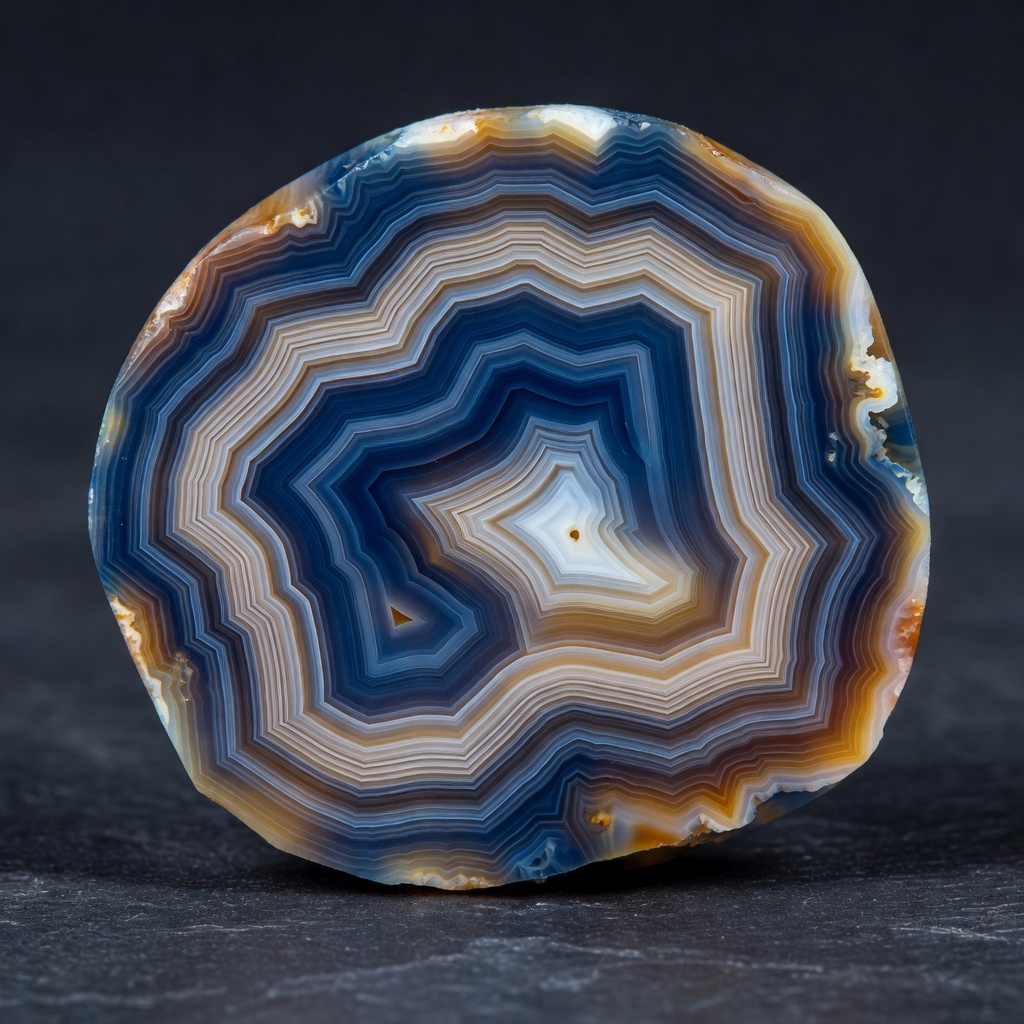
Agate stands as one of the most recognizable and widely collected gemstones in the world, belonging to the chalcedony family within the larger quartz group. This stunning variety of microcrystalline quartz forms through the slow deposition of silica-rich solutions in volcanic rock cavities, creating the distinctive banded patterns that collectors and jewelry enthusiasts cherish. Unlike its cousin jasper, which remains opaque, agate possesses a remarkable translucency that allows light to penetrate its intricate layers, revealing the complex geological history encoded within each specimen. Understanding these fundamental agate properties and information provides the foundation for appreciating both its scientific significance and aesthetic appeal.
The chemical composition of agate consists primarily of silicon dioxide (SiO2), identical to that of quartz crystals, yet arranged in microscopic crystals rather than the visible formations found in clear quartz points. This cryptocrystalline structure gives agate its characteristic waxy luster and smooth texture when polished, distinguishing it from both macrocrystalline quartz and other chalcedony varieties. When examining what is agate stone compared to similar materials, collectors should note that true agate displays concentric banding in multiple colors or tones, whereas jasper typically shows more uniform coloring with occasional patterning but lacks the characteristic translucency.
The Geological Formation of Agate Stones
The creation of agate represents one of nature's most patient artistic processes, requiring millions of years to complete within the voids and cavities of ancient volcanic rocks. When volcanic activity ceases and lava cools, gas bubbles become trapped within the solidifying rock, creating hollow spaces that eventually fill with hydrothermal solutions rich in dissolved silica. These silica-laden waters slowly evaporate or cool, depositing microscopic layers of chalcedony onto the cavity walls in concentric rings, with each layer potentially incorporating different mineral impurities that create the banded agate formation patterns visible to the naked eye.
The specific conditions during agate stone formation process determine the final appearance of the gemstone, including temperature fluctuations, pressure changes, and the presence of trace minerals like iron, manganese, chromium, and titanium. For example, iron oxides produce red and brown bands, while manganese creates pink or purple hues, and chromium yields green colorations. Primary deposits of high-quality agate occur predominantly in Brazil, particularly in the Rio Grande do Sul region, where massive geodes containing amethyst and agate combinations draw collectors worldwide. Additional significant sources include the volcanic regions of India, the island deposits of Madagascar, the banded formations of Botswana, and the fire agate mines of Mexico.
Physical and Chemical Characteristics
Understanding the tangible properties of agate helps both collectors and jewelers appreciate its durability and workability for various applications. Agate Mohs hardness registers between 6.5 and 7 on the Mohs scale, indicating substantial resistance to scratching and making it suitable for daily-wear jewelry including rings, bracelets, and pendants. This hardness level means agate can scratch glass and steel files but may be scratched by harder materials like corundum (rubies and sapphires) or diamond, requiring reasonable care when storing alongside other gemstones.
Beyond hardness, agate physical properties include a specific gravity ranging from 2.58 to 2.64, indicating a density slightly higher than typical glass imitations. The gemstone exhibits a conchoidal fracture pattern when broken, creating smooth, curved surfaces similar to broken glass but with a more waxy or vitreous luster. Translucency varies significantly among specimens, with some agates appearing nearly transparent when sliced thinly, while others remain opaque; this variability often depends on the density of the microcrystalline structure and the concentration of mineral inclusions within specific bands.
Popular Types and Varieties of Agate
The world of agate encompasses a stunning diversity of patterns, colors, and formations that cater to every aesthetic preference and metaphysical need. Types of agate stones range from the ethereal blue lace agate, characterized by delicate, soft blue and white banding that resembles fine lace fabric, to the dramatic fire agate, which displays iridescent optical effects caused by layers of iron oxide creating a floating, flame-like appearance within the stone. Each variety offers unique visual characteristics and energetic properties, making the collection of different agate varieties a rewarding pursuit for both novice and experienced crystal enthusiasts.
Moss agate, despite technically being a chalcedony with dendritic inclusions rather than true banded agate, remains one of the most sought-after varieties due to its green, moss-like inclusions of manganese or iron that create landscape scenes within the stone. Tree agate features similar dendritic patterns but typically displays white or colorless backgrounds with green inclusions. Crazy lace agate from Mexico showcases chaotic, swirling patterns in red, white, and gold, while Botswana agate from Africa presents subtle, fine banding in soft pinks, grays, and browns. For those seeking grounding energy, black banded agate or the striking Mexican crazy lace agate provide both visual interest and stabilizing vibrations.
Metaphysical Properties and Crystal Healing Benefits
Throughout history and across cultures, agate has maintained a reputation as a stone of balance, stability, and harmonizing energy that benefits both the physical and emotional bodies. Agate healing properties center on its ability to ground spiritual energy into the physical plane, creating a sense of safety and security while promoting inner stability and composure. Practitioners often recommend agate for individuals experiencing emotional turbulence, as the stone's steady vibration helps to calm tempers, release internal tension, and establish a sense of wholeness and integration.
The agate crystal benefits extend into mental and intellectual realms, where the stone supports analytical abilities, concentration, and the processing of complex information. Students and professionals alike may benefit from keeping agate on their desks or wearing it during important meetings to enhance mental clarity and perceptiveness. Different colors of agate resonate with specific chakra centers, allowing practitioners to target particular energy centers; for instance, blue agate aligns with the throat chakra for communication, while red agate stimulates the root chakra for vitality. Meditation with agate facilitates the balancing of yin-yang energies, harmonizing the active and receptive aspects of the self to create equilibrium in daily life.
Color Variations and Their Specific Meanings
The chromatic diversity of agate contributes significantly to its metaphysical applications, with each hue carrying distinct vibrational frequencies and healing associations. Understanding agate color meanings allows practitioners to select specific stones for targeted intentions and therapeutic work. Blue agate, particularly the lace variety, resonates strongly with the throat chakra, enhancing communication skills, encouraging self-expression, and helping individuals speak their truth with clarity and confidence. This variety proves especially beneficial for public speakers, teachers, and those working through communication difficulties.
Red and orange agate varieties stimulate the root and sacral chakras, promoting vitality, courage, physical energy, and creative passion. These warming stones help combat lethargy and depression while encouraging action and decisiveness. Green agate, including moss and tree varieties, connects to the heart chakra, supporting emotional healing, growth, abundance, and the strengthening of relationships. For spiritual seekers, purple agate opens the crown chakra and third eye, enhancing intuition, spiritual awareness, and connection to higher consciousness. When exploring agate crystal meaning through color, consider creating a collection that includes multiple hues to address various aspects of life and spiritual development.
Historical Significance and Cultural Uses
The human fascination with agate spans millennia, with archaeological evidence demonstrating its use in tools, ornaments, and spiritual objects dating back to the Neolithic period. Agate history begins with ancient civilizations such as the Egyptians and Babylonians, who valued the stone for its protective qualities and beauty, crafting it into amulets, talismans, and seals. Egyptian burial sites have revealed agate beads and carvings intended to protect the deceased in the afterlife, while Babylonian warriors wore agate amulets into battle believing the stone would grant them victory and protection from harm.
Greek mythology provides the etymological origin of the name "agate," deriving from the Achates River (now the Dirillo River) in Sicily, where the stone was reportedly first discovered by the philosopher Theophrastus. Agate cultural significance continued through Medieval Europe, where healers and alchemists prized the stone for its supposed ability to cure insomnia, ensure sweet dreams, and protect against dangers while traveling. Victorian England saw a resurgence in agate popularity, with elaborate cameos and intaglios carved from banded specimens to create detailed portraits and scenes. Indigenous cultures of the Americas, particularly in the Great Lakes region, utilized Lake Superior agates for both decorative and ceremonial purposes, recognizing the stone's connection to earth energies long before modern crystal healing practices emerged.
How to Identify Genuine Agate vs. Imitations
As agate's popularity has grown, so has the market for imitations, dyed stones, and synthetic alternatives, making agate identification tips essential for collectors and buyers. Genuine agate exhibits natural banding patterns that display slight irregularities, color variations, and organic flow rather than the perfect uniformity seen in manufactured glass or plastic. When examining a specimen, hold it to a light source; authentic agate will show some degree of translucency in thinner sections, whereas imitations often appear uniformly opaque or, conversely, perfectly clear like glass.
Physical testing provides additional confirmation of authenticity, as genuine agate vs fake materials respond differently to hardness and temperature tests. Real agate feels cool to the touch initially and warms gradually when held, due to its crystalline structure, while glass or plastic imitations quickly match body temperature. The agate Mohs hardness of 6.5-7 allows genuine specimens to scratch glass (hardness 5.5) and resist scratching from a steel knife (hardness 5.5), whereas glass imitations will not scratch glass and plastic imitations scratch easily. For high-value purchases, request certification from reputable gemological laboratories such as GIA or IGI, which can definitively identify treatments, dyes, and synthetic materials through advanced spectroscopic analysis.
Proper Care, Cleaning, and Maintenance
Maintaining the beauty and energetic integrity of agate requires understanding its physical limitations and proper handling techniques. Agate care and cleaning should always begin with mild soap and lukewarm water, using a soft brush to remove accumulated dirt from any crevices or rough surfaces. Avoid harsh chemicals, ultrasonic cleaners, and steam cleaning methods, as these can damage the stone's surface or affect any color treatments that may have been applied to enhance the natural banding. Prolonged exposure to direct sunlight may fade some colored varieties, particularly those that have been dyed to enhance their appearance, so store agate jewelry and specimens away from windowsills and display cases with strong lighting.
When considering agate gemstone benefits from a maintenance perspective, proper storage prevents scratching from harder stones like diamonds, sapphires, or rubies. Store agate pieces individually in soft cloth pouches or lined jewelry boxes to prevent contact with other items. Energetic cleansing maintains the stone's vibrational potency; methods include rinsing under running water while visualizing negative energies washing away, placing the stone in moonlight overnight (particularly effective during the full moon), or smudging with sage, Palo Santo, or incense. Some practitioners recommend burying agate in the earth for 24 hours to recharge its grounding energies, though care should be taken to mark the location clearly to avoid losing the specimen.
Incorporating Agate Into Your Daily Life
Integrating agate into everyday routines maximizes its stabilizing and beautifying effects, whether through wearable jewelry, home décor, or meditation practices. When selecting specimens, consider your specific intentions: choose blue lace agate for calming communication in workplace settings, moss agate for abundance and growth in home offices, or fire agate for creative inspiration in artistic spaces. Understanding comprehensive agate properties and information helps you match the right variety to your lifestyle needs and energetic goals.
Jewelry applications include tumble-polished stones set in silver pendants for daily wear, beaded bracelets that maintain constant contact with the skin for energetic benefits, and statement rings featuring cabochon-cut specimens that showcase the characteristic banding. In home décor, agate slices serve as stunning bookends, coasters, or wall art while providing feng shui benefits by grounding energy in living spaces. For how to use agate crystals in spiritual practice, create crystal grids by combining different agate varieties with clear quartz points to amplify intentions, or hold a smooth tumbled stone during meditation to enhance focus and establish a connection to earth energies. Placing agate near electronic devices may help mitigate electromagnetic frequencies, while keeping a piece under your pillow promotes restful sleep and meaningful dreams.
Frequently Asked Questions About Agate
What are the main healing properties of agate?
Agate is renowned for its grounding and stabilizing properties, helping to balance emotional, physical, and intellectual energies. It promotes mental clarity, improves concentration, and creates a sense of security and safety. Different colors offer specific benefits, such as blue lace agate for communication and moss agate for abundance.
How can I tell if my agate stone is real?
Genuine agate typically displays natural banding patterns with slight irregularities and color variations. It feels cool to the touch initially and warms slowly in your hand. Real agate has a hardness of 6.5-7 on the Mohs scale, meaning it can scratch glass but won't be scratched by a knife. Look for translucency when held to light and avoid stones with perfectly uniform colors or air bubbles.
What is the difference between agate and onyx?
Both agate and onyx are varieties of chalcedony, but they differ primarily in banding patterns. Agate features curved, concentric, or irregular banding with multiple colors, while onyx displays parallel, straight bands typically in black and white or brown and white. Onyx is generally more uniformly colored between bands, whereas agate shows more varied and complex patterns.
Which type of agate is best for anxiety and stress relief?
Blue lace agate is widely considered the most effective variety for anxiety and stress relief due to its gentle, calming energy that promotes tranquility and peace. Botswana agate is also excellent for emotional comfort during times of transition, while pink agate specifically addresses emotional trauma and heart-centered anxiety.
How do I cleanse and charge my agate crystal?
Cleanse agate by rinsing under lukewarm running water for a few minutes while visualizing negative energy washing away. Alternatively, place it in moonlight overnight, particularly during the full moon. You can also smudge with sage or Palo Santo. Charge agate by burying it in earth for 24 hours, placing it on a selenite slab, or setting intentions while holding the stone in sunlight for brief periods.
Can agate go in water, and is it safe for making elixirs?
Agate is generally water-safe for brief cleaning due to its hardness (6.5-7 Mohs), but prolonged soaking should be avoided as it may affect any dyes or treatments. For elixirs, use the indirect method by placing agate outside the water container rather than submerging it directly, ensuring no potential contaminants leach into the water while still transferring energetic properties.
Where are the best quality agate deposits found?
The finest agate specimens historically come from Brazil, particularly Rio Grande do Sul, known for exceptional geodes and amethyst agate combinations. Other premium sources include Madagascar, India (specifically Gujarat and Maharashtra), Botswana (famous for gray and pink banded varieties), Mexico (fire agate), and the United States (Montana moss agate and Lake Superior agates).
Is agate expensive compared to other gemstones?
Agate is generally affordable and accessible compared to precious gemstones like diamonds, rubies, or emeralds. Common varieties typically range from $1 to $50 per specimen depending on size and quality. However, rare types such as high-quality fire agate, specific color patterns, or large geode specimens can command prices from $100 to several thousand dollars based on rarity, size, and aesthetic appeal.