Understanding Agate Valuation Basics
Agate represents one of the most diverse and accessible gemstones in the mineral market, formed through the deposition of cryptocrystalline silica within volcanic and metamorphic host rocks. This microcrystalline quartz variety, characterized by its distinctive banding patterns and translucent properties, commands prices ranging from mere dollars to thousands of dollars depending on specific quality indicators. Understanding the fundamental chemistry and formation processes behind agate provides the necessary foundation for navigating this comprehensive agate price guide effectively.
The dramatic variation in agate stone value stems primarily from geological uniqueness and formation rarity rather than chemical composition alone. While common agate forms in abundant volcanic deposits worldwide, specimen-grade pieces with exceptional banding symmetry or rare coloration develop only under specific geochemical conditions that occur infrequently. Current market trends indicate robust demand among both lapidary artists seeking cutting material and interior designers sourcing statement pieces, creating a bifurcated market where commercial-grade rough sells by the ton while museum-quality specimens command auction premiums.
Critical Factors Affecting Agate Prices
Color Saturation and Hue Rarity
Natural coloration serves as the primary determinant in agate grading factors, with certain hues commanding significant premiums due to geological scarcity. Red agate, colored by iron oxide inclusions, remains highly sought after particularly when displaying carnelian-like depth without artificial enhancement. Blue and purple varieties occur rarely in nature, typically resulting from microscopic inclusions of minerals like dumortierite or fluorite, making specimens with saturated cool tones worth ten to twenty times more than their grey or brown counterparts.
Banding Pattern Quality and Symmetry
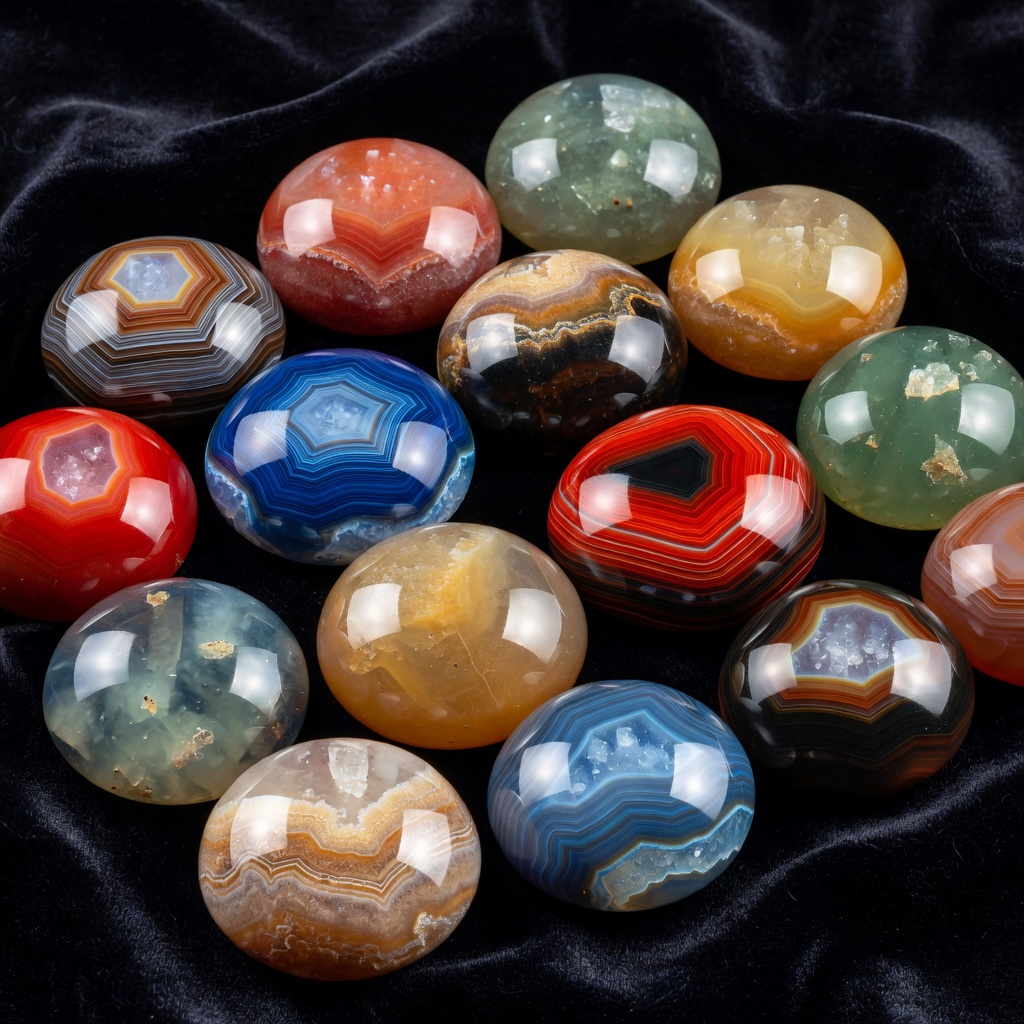
The fortification patterns that define premium agate require precise evaluation of line clarity, parallel symmetry, and concentric regularity. Specimens displaying sharp, distinct banding with alternating translucent and opaque layers create the most desirable "fortification agate" appearance valued by serious collectors. When assessing agate quality assessment standards, look for bands that maintain consistent thickness throughout the stone rather than fading or becoming diffuse toward the edges, as this indicates stable formation conditions during the mineral's development.
Geographic Origin and Mining Accessibility
Provenance significantly impacts pricing due to varying extraction difficulties and deposit depletion rates. Patagonian agate from remote Argentine regions commands higher prices than Brazilian material partly due to transportation logistics and limited supply, while Montana moss agate from restricted collecting areas carries premium status among American mineral enthusiasts. Mining depth and safety regulations also influence cost structures, with agate recovered from deep shaft mines or dangerous cliff faces naturally priced higher than surface-collected material.
Common Agate Varieties and Standard Price Ranges
Brazilian Agate Market Positioning
Brazilian agate dominates the commercial market, providing accessible entry points for beginning collectors with rough material typically trading between two and five dollars per pound for standard grades. These abundant deposits produce consistent grey and white banded material ideal for bookends, coasters, and decorative slabs, making them staples in museum gift shops and home décor retailers. When evaluating types of agate prices in the budget category, Brazilian material offers reliable quality for educational collections and craft projects without requiring significant investment.
Grey and Banded Agate Collectibility
Standard grey agate with subtle white banding represents the baseline for agate varieties value, serving as the reference point against which rarer colors are compared. Collectors should expect to pay between ten and thirty dollars for high-quality palm stones or small display pieces featuring interesting dendritic inclusions or fortification patterns. Tumbled stones suitable for jewelry making or crystal healing practices typically range from one to three dollars per piece depending on size and polish quality, while raw geodes from common deposits might sell for fifteen to fifty dollars based on exterior aesthetics and estimated interior quality.
Premium and Rare Agate Types
Fire Agate Value Determination
Fire agate stands at the pinnacle of expensive agate varieties, with exceptional specimens displaying vivid iridescence caused by light interference within thin limonite layers worth thousands of dollars. Unlike common banded agate, fire agate valuation depends entirely on the intensity and coverage of the "fire" or play-of-color, with red and gold flashes commanding higher prices than green or blue alone. A well-cut fire agate cabochon exceeding ten carats with complete color coverage can retail for five hundred to two thousand dollars, while rough material with visible fire potential sells for fifty to two hundred dollars per ounce to lapidary artists.
Blue Lace Agate Scarcity Premiums
South African Blue Lace agate represents one of the most recognizable rare agate types, characterized by delicate periwinkle and white banding that resembles fine fabric textures. Due to mining restrictions and deposit exhaustion at the original Ysterputs claim, high-grade material has become increasingly scarce, driving prices upward by approximately fifteen percent annually over the past decade. Current market values for top-quality Blue Lace agate rough exceed one hundred dollars per pound, while finished cabochons suitable for silver jewelry settings command thirty to eighty dollars per carat depending on pattern clarity.
Condor and Laguna Agate Collector Markets
Argentine Condor agate and Mexican Laguna agate occupy special niches in the collector market due to their exceptional fortification patterns and vibrant color combinations unavailable in other deposits. Specimen-grade Condor agate with tight, multicolored banding and mirror-polished surfaces regularly sells for three hundred to eight hundred dollars for palm-sized pieces, while Laguna agate displaying the famous "single seed" formation with concentric perfection can exceed one thousand dollars for premium examples. These varieties demonstrate how agate investment value correlates directly with photographic appeal and display presence in competitive collecting circles.
Rough Stone vs. Finished Product Pricing
Bulk Rough Material Economics
Rough agate prices vary dramatically based on grade classification, with mine-run material suitable for tumbling available for ten to twenty-five dollars per fifty-pound bag, while cutting-grade rough with visible patterning commands five to twenty dollars per pound. Lapidary artists calculate material costs against yield rates, recognizing that rough agate typically loses sixty to seventy percent of its weight during cutting and polishing processes. When purchasing rough specifically for cabochon production, smart buyers examine the exterior for "windows" or ground spots revealing internal banding quality to avoid investing in solid, pattern-free material.
Processing Cost Calculations
The transformation from rough to finished product involves significant labor investment that directly impacts polished agate worth, with skilled artisans charging twenty to fifty dollars per hour for precision cutting and polishing services. A rough agate slab purchased for fifteen dollars might require three hours of work to become a museum-quality display piece, resulting in a finished value of one hundred fifty to two hundred dollars to account for labor and equipment depreciation. Commercial tumbling operations reduce costs through batch processing, allowing retailers to sell machine-polished stones for three to eight dollars while maintaining healthy margins.
Finished Product Valuation Tiers
Cabochons intended for jewelry settings follow distinct pricing structures based on carat weight and visual impact, with standard commercial-grade agate cabochons retailing for two to ten dollars per carat while designer-cut premium pieces command twenty to fifty dollars per carat. Large display spheres, bookends, and freeforms involve additional material waste during shaping, justifying higher per-pound prices than raw slabs despite starting with identical rough material. Geode halves with agatized exteriors and quartz interiors represent hybrid categories where the polished agate worth combines with crystal cluster values, often selling for seventy-five to three hundred dollars for twelve-inch specimens.
Size Specifications and Weight-Based Valuation
Small-Scale Commercial Pricing
Craft market agate moves in volume-based tiers, with small tumbled stones measuring under one inch typically wholesaling for ten to twenty cents per piece and retailing for one to three dollars in metaphysical shops. Agate chips and rough chunks sold by the pound for aquarium or terrarium use generally trade at three to eight dollars per pound, offering minimal profit margins but consistent turnover for bulk dealers. When calculating agate price per pound for small material, buyers should verify whether pricing includes packaging and sorting labor or represents raw mine-run material requiring additional processing.
Large Display Specimen Valuation
Monumental agate pieces including geodes, spheres, and bookends follow exponential rather than linear pricing models due to the rarity of finding large, flawless formations. A twenty-pound agate geode with exceptional banding might command five hundred dollars (twenty-five dollars per pound), while a two-hundred-pound museum piece from the same deposit could sell for fifteen thousand dollars (seventy-five dollars per pound) due to its display rarity. Spheres present particular valuation challenges since creating a perfect sphere requires cutting a cube from rough material and grinding away approximately eighty percent of the original mass, justifying prices of one hundred to five hundred dollars for six-inch diameter pieces.
Jewelry-Weight Considerations
For agate carat value calculations in fine jewelry contexts, standard banded agate typically ranges from five to twenty dollars per carat for calibrated cabochons up to twenty carats. However, rare varieties like gem silica chalcedony (blue chalcedony with copper inclusions sometimes classified as agate) can exceed five hundred dollars per carat due to extreme scarcity. Jewelry designers must account for cutting orientation when purchasing rough, as banding direction determines whether a stone displays desirable parallel lines or confusing cross-sections when set in rings or pendants.
Market Trends and Investment Potential
Historical Price Appreciation Data
Analysis of auction records over the past five years reveals that high-grade specimen agate has appreciated at rates between five and twelve percent annually, outpacing inflation and matching returns from mid-tier colored gemstones. Documented examples include Laguna agate from specific claims that have doubled in wholesale value since 2019, while untreated Brazilian geodes with exceptional quartz centers have seen thirty percent price increases. However, agate investment value remains concentrated in the top ten percent of available material, with commercial grades showing stagnant pricing that merely tracks inflation.
Ethical Sourcing and Documentation
Contemporary collectors increasingly prioritize documented provenance and ethical extraction practices, creating price premiums for material from closed mines or fair-trade certified operations. Specimens accompanied by detailed collection records, including GPS coordinates and collection dates, command fifteen to twenty-five percent premiums over undocumented material of identical quality. This shift toward transparency affects agate market trends significantly, as dealers who can verify sustainable mining practices attract serious collectors willing to pay documentation premiums.
Comparative Investment Analysis
When compared to traditional gemstone investments like sapphire or emerald, agate offers lower liquidity but reduced volatility, making it suitable for long-term collectors rather than short-term speculators. While diamonds and gold provide immediate cash conversion, rare agate varieties require specialized dealers or auction houses for liquidation, typically taking thirty to ninety days to convert to cash at fair market value. Diversified mineral portfolios including agate, particularly focusing on irreplaceable specimen-grade pieces from depleted deposits, historically provide stable appreciation comparable to blue-chip art markets.
Buying Channels and Price Comparisons
Rock and Mineral Show Advantages
Regional rock and mineral shows offer the most advantageous pricing for serious collectors, allowing direct comparison of similar specimens from multiple vendors while eliminating retail markup structures. Experienced buyers at these events typically negotiate fifteen to thirty percent discounts on listed prices, particularly when purchasing multiple pieces or combining rough and finished material transactions. The tactile evaluation possible at shows prevents costly mistakes common when buy agate online, as subtle banding irregularities or treatment signs visible in person often disappear in digital photography.
Digital Marketplace Dynamics
Online platforms including Etsy, eBay, and specialized mineral dealer websites provide access to global inventory but require careful vetting of seller reputations and return policies. Etsy sellers often price tumbled stones and small cabochons competitively for the metaphysical market, with standard agate slices ranging from eight to twenty-five dollars depending on size and photography quality. eBay auctions occasionally yield exceptional values for estate collections but carry higher risks regarding undisclosed treatments, while established agate dealers with dedicated websites typically charge twenty to forty percent premiums over show prices but provide authentication guarantees and detailed provenance documentation.
Retail Channel Markup Structures
Brick-and-mortar crystal shops and metaphysical stores apply standard retail markups of one hundred to three hundred percent above wholesale costs to cover storefront expenses and staff expertise. High-end galleries specializing in designer mineral specimens may apply even higher premiums for artistically mounted agate pieces, particularly when integrated into lighting fixtures or furniture. Savvy buyers recognize that these venues serve educational purposes and immediate gratification needs, but serious collectors eventually transition to wholesale channels or direct mine relationships to avoid retail inflation.
Authentication and Treatment Disclosure
Natural vs. Enhanced Color Identification
The widespread practice of dyeing agate to enhance grey or pale material into vibrant blues, pinks, and greens creates significant valuation challenges for unwary buyers. Natural coloration typically appears in concentric bands that follow the stone's growth patterns, while dyed material often shows color concentrations in cracks or porous areas where dye accumulated during processing. When conducting genuine agate identification, examine specimens under magnification for color bleeding at fracture lines or unnaturally uniform saturation that rarely occurs in untreated material.
Treatment Impact on Market Value
Heat treatment and irradiation, common methods for enhancing or altering agate coloration, generally reduce treated agate value by fifty to seventy percent compared to untreated equivalents, though disclosure remains inconsistent in lower market tiers. Acceptable treatments include heating to deepen carnelian red tones—a practice dating to Roman times—while modern irradiation techniques producing bright blue or green colors significantly diminish collectibility among purist investors. Reputable dealers clearly distinguish between naturally colored material and enhanced stones, with the latter appropriately priced for decorative rather than investment purposes.
Synthetic and Reconstituted Material Detection
Reconstituted agate, created from agate powder and fragments bonded with resins, appears increasingly in the budget market and lacks the structural integrity and value of natural material. Detection methods include examining for perfectly uniform coloration without natural variations, checking for plastic-like textures under magnification, and observing how the material fractures—reconstituted agate chips rather than conchoidally fracturing like natural chalcedony. Slabs with unnaturally perfect banding patterns or excessive clarity at low prices often indicate manufactured material rather than geological specimens.
Maximizing Value in Your Purchase
Strategic Negotiation Approaches
Successful agate buying tips include building relationships with specific dealers who specialize in your target varieties, as repeat customers often receive first access to new inventory and ten to twenty percent loyalty discounts. When negotiating at shows or private sales, knowledge of current wholesale prices for rough material provides leverage, allowing you to calculate reasonable finished product pricing based on visible labor investment. Cash transactions frequently secure additional five to ten percent reductions compared to credit card purchases, particularly at mineral shows where vendors prefer avoiding processing fees.
Volume Purchasing Opportunities
Collectors seeking to maximize value should consider bulk purchases of rough material from mining operations, where buying fifty to one hundred pounds of cutting rough often reduces per-pound costs by forty to sixty percent compared to single-pound purchases. Reseller opportunities exist in purchasing large rough lots, selecting the finest pieces for personal collection, and trading or selling remaining material to recoup initial investment. Estate sales and auction lots from discontinued collections sometimes offer exceptional value for patient buyers willing to clean and sort mixed material.
Quality Assessment Checklists
Before finalizing high-value transactions, implement systematic evaluation protocols including translucency testing with strong backlighting to reveal hidden fractures, magnification inspection for banding consistency, and specific gravity testing when authenticity questions arise. Document all purchases with photographs showing the specimen's condition at acquisition, and request written guarantees regarding natural origin and treatment status for pieces exceeding five hundred dollars. Maintaining detailed records supports future resale efforts and insurance valuations, protecting your smart agate purchasing decisions over the long term.
Frequently Asked Questions
How much does agate cost per pound?
Common rough agate typically ranges from $1 to $10 per pound for standard grades, while high-quality rough with good banding or rare colors can command $50 to $100+ per pound. Finished specimens vary widely based on craftsmanship and display quality.
What is the most valuable type of agate?
Fire agate commands the highest prices due to its rare iridescent play-of-color, with exceptional specimens selling for thousands of dollars. Rare specimen-grade Condor agate from Argentina and high-quality Blue Lace agate also rank among the most expensive varieties for collectors.
Does agate appreciate in value over time?
High-quality, rare agate varieties with documented provenance generally appreciate 5-10% annually, similar to other collectible gemstones. However, common commercial grades typically hold stable values without significant investment returns, making them better suited for decorative purposes than speculation.
How can I tell if agate pricing is fair?
Fair agate pricing depends on comparing banding quality, translucency, and color intensity against recent market sales of similar specimens. Research completed sales on mineral auction sites, verify if the piece is natural or treated, and consider geographic origin rarity when evaluating asking prices.
Are agate geodes worth money?
Yes, large agate geodes with exceptional quartz crystal centers, rare coloration, or unique formations can be worth hundreds to thousands of dollars. Value increases significantly with size, display aesthetic, and whether the geode has been cut and polished to reveal internal banding.
What makes some agate more expensive than others?
Agate pricing depends on color rarity (red and blue command premiums), clarity and symmetry of banding patterns, geographic scarcity of the deposit, size and presentation quality, and whether the specimen is completely natural versus dyed or heat-treated to enhance color.
Is it better to buy rough or polished agate?
Rough agate offers lower entry costs and potential value increase if cut properly, but requires lapidary skills and equipment. Polished pieces provide immediate display value and guaranteed quality visibility but include labor costs (typically 3-5x material cost) in the final price.
Where is the cheapest place to buy quality agate?
Direct purchases from mining operations during field collecting trips offer the lowest prices, followed by regional rock and mineral shows where dealers compete directly. Online wholesale suppliers provide better prices than retail crystal shops, though shipping costs must be factored for heavy specimens.