
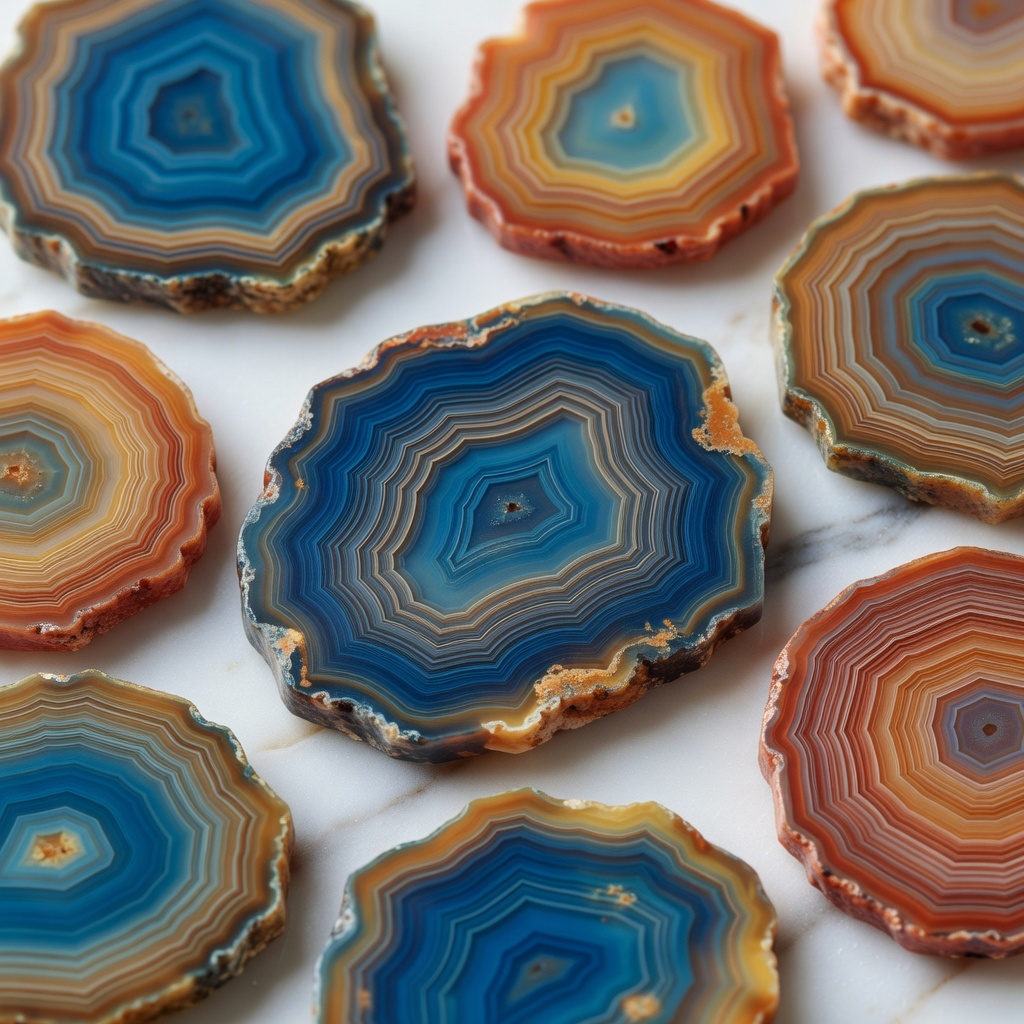
Agate Buying Guide: Expert Tips for Selecting Premium Gemstones
Navigating the world of agate gemstones requires knowledge, patience, and a discerning eye for quality. Whether you are a beginning collector seeking your first specimen or an experienced gem enthusiast looking to expand your portfolio, understanding the nuances of these beautiful banded stones ensures you make informed purchasing decisions. This comprehensive agate buying guide covers everything from geological formation to market valuation, helping you identify genuine natural treasures while avoiding common pitfalls in the marketplace. With the right information at your fingertips, you can confidently select agate specimens that offer both aesthetic beauty and lasting value.
Understanding Agate: Formation and Characteristics
Agate represents one of nature's most fascinating geological creations, forming primarily within cavities of volcanic rocks over millions of years. When silica-rich groundwater seeps into gas bubbles within cooling lava, it deposits microscopic layers of chalcedony and quartz, creating the distinctive banded patterns that define natural agate stones. This microcrystalline quartz structure gives agate its characteristic hardness of 6.5 to 7 on the Mohs scale, making it durable enough for jewelry while maintaining a waxy to vitreous luster that collectors prize.
The composition of agate varies subtly depending on mineral impurities present during formation, resulting in an extraordinary spectrum of colors from iron-rich reds and oranges to manganese-induced purples and blacks. Unlike single-colored chalcedony, true agate displays concentric banding or parallel layers that reflect the changing chemistry of the silica solutions over time. Understanding these geological processes helps buyers appreciate why certain patterns command higher prices and why authentic specimens carry historical and mineralogical significance that synthetic alternatives cannot replicate.
Popular Agate Varieties Worth Investing In
The agate family encompasses dozens of distinct varieties, each offering unique visual characteristics that appeal to different collector preferences. Blue lace agate stands out for its delicate, sky-blue bands resembling fine lace patterns, often sourced from Namibia and South Africa, making it highly sought after for both jewelry and display pieces. Fire agate captivates viewers with its remarkable iridescent optical effects, caused by thin layers of iron oxide that create a floating, three-dimensional appearance of warm colors ranging from gold to green to purple.
For those interested in banded agate buying, consider specimens that display sharp, contrasting layers with minimal fracturing, as these characteristics indicate stable geological formation and superior cutting potential. Moss agate, technically a form of chalcedony with dendritic inclusions resembling moss or trees, offers scenic landscape views within each stone, while carnelian agate provides rich, translucent orange-red hues that have been prized since ancient civilizations. When evaluating these varieties, examine how light interacts with the stone's surface, as premium specimens will show consistent color saturation and well-defined pattern boundaries that enhance their visual impact.
How to Identify Natural vs. Fake Agate
Fake agate identification represents a crucial skill for any serious buyer, as the market contains numerous treated, dyed, and entirely synthetic stones masquerading as natural specimens. Begin with a thorough visual inspection, looking for unnaturally vivid colors that concentrate specifically within cracks and fractures, a telltale sign of artificial dye penetration. Genuine natural agate exhibits color variations that follow the stone's natural banding structure, whereas dyed stones often show color bleeding or pooling in damaged areas where the dye solution accumulated during the treatment process.
Conduct a temperature test by holding the stone against your cheek or wrist; authentic agate feels initially cool due to its thermal conductivity and gradually warms to body temperature, while plastic imitations feel immediately warm or room temperature. Use a jeweler's loupe or microscope to examine for bubble inclusions, which indicate glass manufacturing rather than natural crystalline formation, and perform UV light testing in a darkened room to reveal fluorescent dyes that natural minerals rarely exhibit. Additionally, check for surface irregularities under magnification, as natural agate will show subtle textural variations from its geological formation, whereas synthetic alternatives often display uniform texture or mold marks from manufacturing processes.
Evaluating Quality: The Four Essential Criteria
Assessing agate gemstone quality requires systematic evaluation of four primary characteristics that determine both aesthetic appeal and market value. First, examine color saturation carefully, distinguishing between naturally occurring hues derived from mineral inclusions and enhanced colors achieved through heat treatment or dyeing; natural colors typically show subtle gradations, while enhanced stones may appear garish or unnaturally uniform. Second, analyze pattern complexity and banding definition, seeking specimens where layers remain distinct and parallel without blurring or cloudiness, as sharp banding indicates high-quality material that takes an excellent polish.
Third, evaluate transparency levels by holding the stone against a light source; while most agate varieties range from translucent to opaque, premium specimens often display areas of exceptional clarity that allow light penetration, increasing their desirability for backlighting displays or fine jewelry settings. Fourth, inspect cut precision and polish quality, noting whether cabochons feature symmetrical domes with smooth, mirror-like surfaces free of scratches, pits, or uneven contours. High-quality cutting should enhance the stone's natural pattern rather than obscure it, with edges meeting at precise angles and the overall shape complementing the banding orientation to maximize visual impact.
Understanding Agate Pricing and Market Value
Developing a realistic agate price guide helps buyers budget appropriately while recognizing genuine bargains versus overpriced specimens. Common varieties such as Brazilian banded agate or basic carnelian typically range from $1 to $10 per carat for standard cabochons, while exceptional fire agate displaying strong iridescence can command $20 to $100 per carat or higher depending on color intensity and pattern perfection. Rare scenic moss agate with distinct landscape formations or historical specimens from depleted mines may fetch several hundred to thousands of dollars, particularly when accompanied by documentation verifying their provenance.
Several factors significantly influence pricing beyond variety rarity, including size, as larger specimens with consistent patterning become exponentially more difficult to find intact. Origin matters tremendously, with stones from specific localities like the Patagonia region of Argentina or certain Lake Superior beaches carrying premium values due to their unique colorations and limited availability. Treatment disclosure directly impacts pricing, with natural, untreated stones commanding substantial premiums over dyed or heat-treated alternatives. For investment purposes, focus on high-grade specimens with exceptional pattern definition, natural coloration, and documented authenticity, as these characteristics ensure long-term value retention in the collector market.
Where to Buy Authentic Agate Safely
Sourcing natural agate stones requires careful vendor selection to ensure authenticity, fair pricing, and ethical sourcing practices. Reputable online gemstone dealers should provide detailed photography under multiple lighting conditions, comprehensive treatment disclosures, and certification from recognized laboratories such as GIA, AGS, or independent mineralogical institutes. Before purchasing, verify the seller's return policy, ensuring you have adequate time to examine the stone personally and confirm its characteristics match the description, ideally with a minimum seven-day inspection window.
Physical gem shows and mineral exhibitions offer excellent opportunities to examine specimens firsthand, speak directly with dealers about sourcing, and compare quality across multiple vendors simultaneously. Local rock shops and estate sales sometimes yield exceptional finds at competitive prices, particularly for vintage collections where original pricing may not reflect current market values. When buying online, watch for red flags including stock photos instead of actual item images, unusually low prices for supposedly rare varieties, vague descriptions regarding treatments, or sellers who resist providing additional photographs or provenance information. Always research seller reviews specifically mentioning authenticity issues and communication quality before committing to significant purchases.
Specialty Varieties: Moss Agate and Beyond
For collectors seeking distinctive specimens, moss agate purchase decisions should focus on the clarity and artistic composition of dendritic inclusions that create miniature landscape scenes within the stone. Scenic moss agate displaying recognizable forms such as trees, mountains, or meadows commands premium prices, particularly when the inclusions appear three-dimensional against a clear or milky background. When evaluating these pieces, examine how the manganese and iron oxide inclusions interact with the surrounding chalcedony, as the most valuable specimens show sharp, tree-like formations that resemble natural forests or underwater vegetation.
Beyond moss varieties, consider thunder egg agate hunting, which involves seeking spherical nodules that, when cut open, reveal star-shaped or concentric banding patterns unique to each specimen. Plume agate offers feathery, spray-like inclusions that appear to float within transparent or translucent host material, while sagenitic agate contains needle-like crystals of rutile or other minerals that create striking geometric patterns. When pursuing these specialty varieties, prioritize specimens with minimal fracturing, as rare agate types often command higher prices per carat than common varieties, making structural integrity crucial for both display value and setting durability.
Caring for Your Agate Collection
Proper maintenance ensures your agate gemstone quality remains pristine for generations, preserving both aesthetic beauty and investment value. Clean your specimens using lukewarm water and mild dish soap applied with a soft-bristled brush, gently scrubbing away accumulated oils and dust without using harsh chemicals, ultrasonic cleaners, or steam equipment that might penetrate microscopic fractures or loosen dyes in treated stones. After cleaning, dry specimens immediately with a lint-free cloth to prevent water spots, particularly on polished surfaces where mineral deposits from tap water can dull the luster.
Storage solutions should prevent contact between harder stones that might scratch agate surfaces; wrap individual pieces in soft cloth or store them in compartmentalized cases with fabric lining. Avoid prolonged sun exposure in display cases, as ultraviolet radiation can fade natural colors over time, particularly affecting pink, purple, and blue varieties more severely than earth tones. Keep specimens away from heat sources and extreme temperature fluctuations that might cause existing fractures to expand. For damaged or dull specimens, consult professional lapidaries or restoration specialists who can re-polish surfaces or stabilize fractures without compromising the stone's natural character or value.
Common Mistakes First-Time Buyers Make
Avoiding pitfalls in the agate buying guide process requires awareness of frequent errors that separate novice collectors from experienced gemologists. Many beginners overlook treatment disclosures, failing to recognize that intensely saturated colors in inexpensive specimens almost certainly indicate dyeing rather than natural mineralization; always request written documentation of any treatments before purchasing. Another common error involves prioritizing size over quality, selecting large but poorly patterned or heavily fractured stones when smaller, premium specimens would offer better visual impact and value retention.
First-time buyers often neglect to verify return policies or authentication guarantees, discovering too late that their purchase cannot be returned if the stone proves synthetic or misrepresented. Additionally, ignoring origin documentation for valuable pieces eliminates provenance that significantly impacts resale value and collector interest. Resist the urge to buy immediately at gem shows without comparison shopping, and avoid purchasing based solely on photos that may hide flaws or color inaccuracies. Finally, never assume that high price automatically indicates high quality; educate yourself on market standards for specific varieties to recognize when pricing reflects genuine rarity versus dealer markup or artificial scarcity.
Frequently Asked Questions
How can I tell if an agate is real or dyed?
Real agate shows natural color variation, while dyed stones have concentrated color in cracks. Perform a visual inspection under magnification—natural agate has banding that follows the stone's structure, whereas dye pools in fractures. You can also check for colorfastness by rubbing with acetone on a cotton swab.
What is the average price range for quality agate?
Common agate varieties typically range from $1 to $10 per carat for cabochons, while high-quality fire agate or rare blue lace agate can command $20-$100+ per carat. Exceptional specimens with unique patterns or large sizes may fetch several hundred dollars from serious collectors.
Which type of agate is most valuable?
Fire agate is generally considered the most valuable due to its rare iridescent play-of-color, followed by high-quality blue lace agate and scenic moss agate with distinct landscape patterns. Rare historical specimens from depleted mines, such as certain Lake Superior agates, also command premium prices.
Is dyed agate worth buying?
Dyed agate is acceptable for decorative purposes and costume jewelry if priced accordingly and disclosed as treated. However, for investment or collection purposes, natural, untreated stones hold their value better. Always ensure sellers clearly state any treatments before purchasing.
Can agate be worn daily in jewelry?
Yes, agate ranks 6.5-7 on the Mohs hardness scale, making it suitable for daily wear in rings and bracelets. However, avoid harsh impacts as agate can chip along banding lines. Clean with mild soap and water, avoiding ultrasonic cleaners which can penetrate fractures.
Where do the best quality agates come from?
Notable sources include Brazil for geodes and banded varieties, Mexico for fire agate and crazy lace agate, India for moss agate, and the United States (particularly Oregon, Montana, and the Great Lakes region) for unique plume and lake superior agates. Each region produces distinct colorations and patterns.
What should I look for when buying agate online?
Request high-resolution photos in natural lighting, verify return policies, check for certification from reputable labs, read seller reviews specifically mentioning authenticity, and ask about treatments. Always ensure the seller provides exact dimensions and origin information when possible.
How do I care for my agate collection?
Store agates separately to prevent scratching harder stones, clean with lukewarm water and mild soap using a soft brush, dry immediately to prevent water spots, and avoid prolonged sunlight exposure which can fade some colors. For display pieces, dust regularly with a microfiber cloth.


